ICU · Haematology / immunotherapy
CAR-T & Cytokine Release Syndrome — Tocilizumab, ICANS & the ASTCT Grading
Also known as CAR-T cell therapy · Cytokine release syndrome · CRS · Immune effector cell-associated neurotoxicity syndrome · ICANS · Tocilizumab · Anti-IL-6 · ASTCT grading · ICE score
The CAR-T cell therapy (the chimeric antigen receptor T-cell — the CD19 for the B-cell malignancies; the BCMA for the myeloma) causes the cytokine release syndrome (CRS) — the massive IL-6 release → fever, hypotension, hypoxia (the 1 to 14 days post-infusion, peak day 3 to 7). The ASTCT grading: grade 1 (fever); grade 2 (hypotension responding to fluids or O2 under 40 per cent); grade 3 (1 vasopressor or O2 over 40 per cent); grade 4 (multi-vasopressors or ventilation). The management: tocilizumab (anti-IL-6 receptor — 8 mg per kg, the specific for the CRS the grade 2 or over); corticosteroids (for the grade 3 to 4 and for the ICANS). The ICANS (neurotoxicity — confusion, aphasia, seizures, cerebral oedema) — the corticosteroids the first-line (the dexamethasone; the tocilizumab the NOT the crosses the BBB).
On this page & tools
Your progress
Saved locally on this device.
8 MCQs with explanations
Target exams
Overview & definition
The CAR-T cell therapy (the chimeric antigen receptor T-cell) is the breakthrough immunotherapy for the refractory B-cell malignancies (the CD19 for the ALL, the DLBCL; the BCMA for the myeloma). The modified T-cells activate and proliferate → the massive cytokine release → the CRS (the fever, the hypotension, the hypoxia) and the ICANS (the neurotoxicity). The ICU manages the severe CRS and the ICANS. The tocilizumab (anti-IL-6 receptor) is the specific for the CRS; the corticosteroids the first-line for the ICANS.[1]
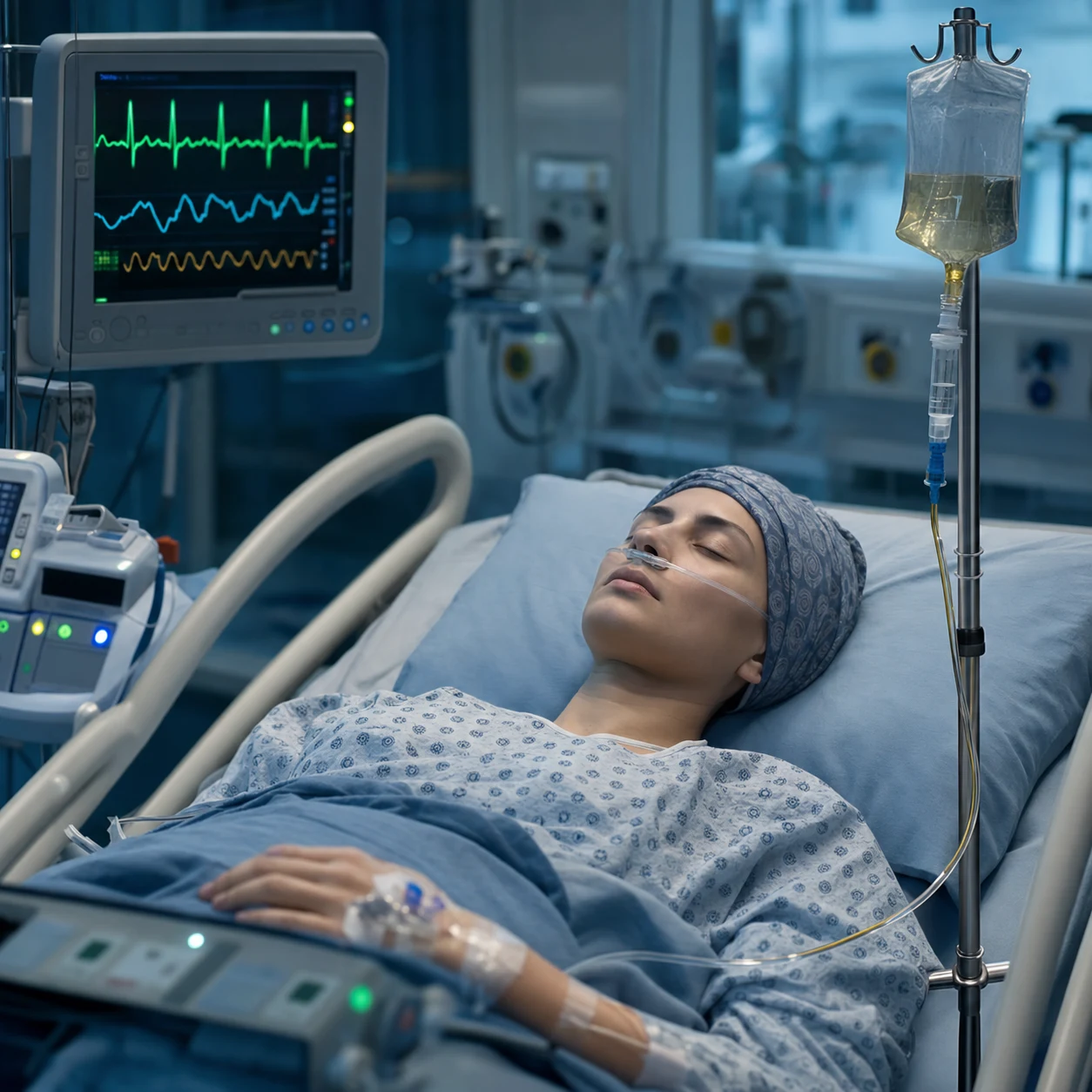
CRS (cytokine release syndrome) — the ASTCT grading
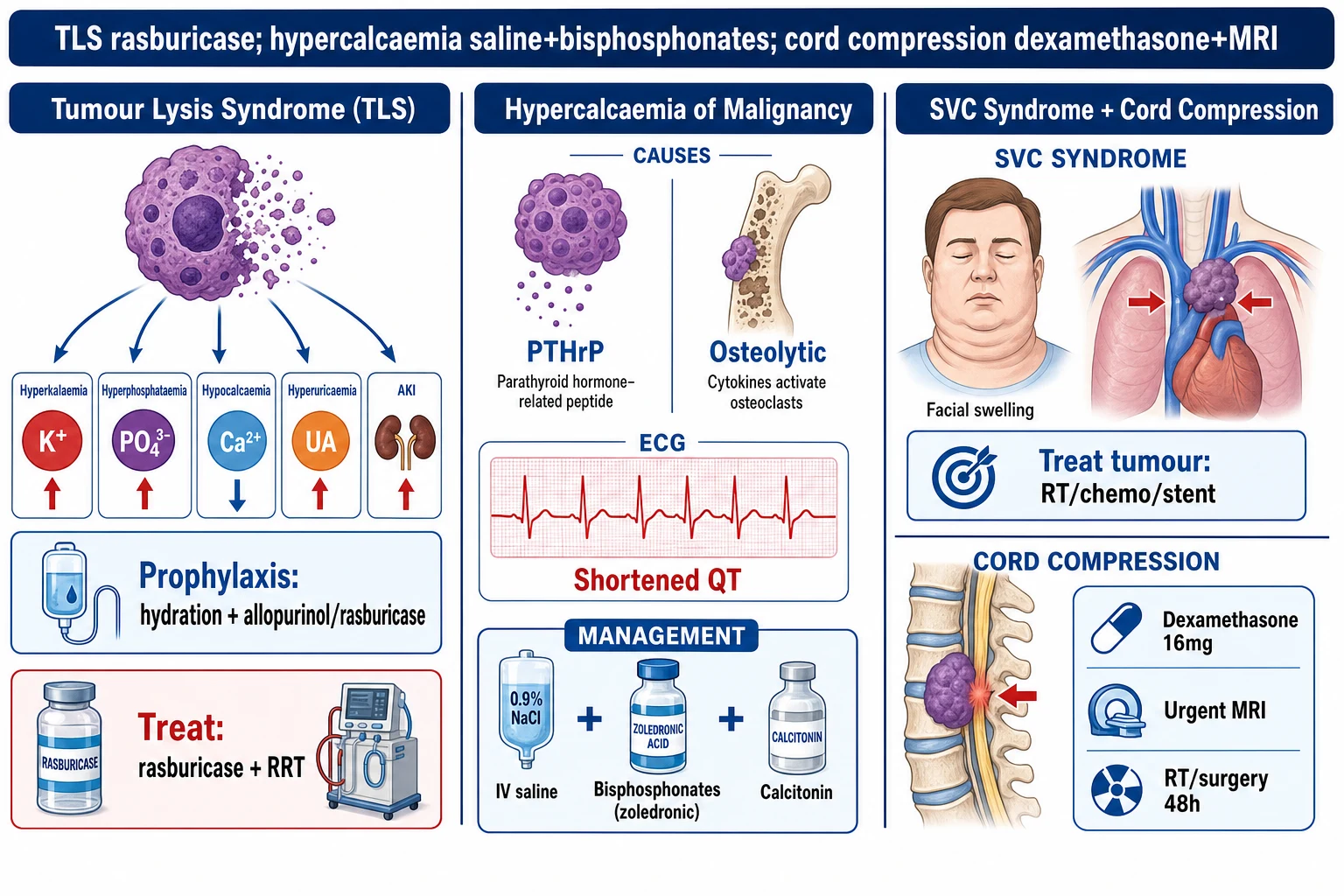
- The timing — 1 to 14 days post-infusion (peak day 3 to 7).[1]
- The mechanism — the CAR-T cells the activate and proliferate → the massive IL-6 (and the IFN-gamma, the TNF) release → the capillary leak, the fever, the hypotension, the hypoxia.[1]
- The ASTCT grading:[1]
- Grade 1 — the fever (over 38°C) only.[1]
- Grade 2 — the fever + the hypotension responding to the fluids OR the oxygen requirement under 40 per cent FiO2.[1]
- Grade 3 — the hypotension requiring 1 vasopressor OR the oxygen requirement over 40 per cent FiO2.[1]
- Grade 4 — the hypotension requiring multiple the vasopressors (excluding the vasopressin) OR the positive the pressure the ventilation.[1]
The CRS management
- Grade 1 — the supportive (the antipyretics, the fluids).[1]
- Grade 2 or over — the tocilizumab (the anti-IL-6 receptor antibody — the 8 mg per kg IV, the may repeat q8h up to 3 doses per 24 h; the max 800 mg per dose). The specific for the CRS.[1]
- Grade 3 to 4 — the tocilizumab PLUS the corticosteroids (the dexamethasone 10 mg IV q6h or the methylprednisolone 1 g). The ICU admission. The organ support.[1]
- The supportive — the fluids, the vasopressors (the noradrenaline), the oxygen or the ventilation, the antipyretics, the renal replacement therapy if the AKI.[1]
The ICANS (neurotoxicity)
- The second major toxicity of the CAR-T. The confusion, the aphasia, the seizures, the cerebral oedema, the obtundation.[1]
- The occurs in 20 to 65 per cent, the usually concurrent with the CRS (or the after).[1]
- The grading — the ICE score (the Immune effector Cell-associated Encephalopathy score — the orientation, the naming, the following commands, the writing, the attention; the 10-point; the lower the worse).[1]
- The treatment:[1]
Exam practice — SAQs
SAQ — CAR-T cell therapy with cytokine release syndrome and ICANS
10 minutes · 10 marks
A 42-year-old man with refractory diffuse large B-cell lymphoma received axicabtagene ciloleucel (CD19 CAR-T) 5 days ago. He now has fever 39.2 degrees C, hypotension (BP 84/48) requiring noradrenaline at 0.15 mcg/kg/min after 1 L crystalloid, and oxygen at FiO2 0.5 via HFNC to maintain SpO2 94 per cent. On examination he is dysarthric, unable to follow two-step commands, and has a fine tremor. ICE score 6/10. CRP 285 mg/L, ferritin 45,000 ug/L.
SAQ — Differentiating severe CRS from septic shock in a post-CAR-T patient
10 minutes · 10 marks
A 55-year-old woman is day 6 post tisagenlecleucel CAR-T for follicular lymphoma. She presents with fever 38.7 degrees C, hypotension requiring noradrenaline, and new oxygen requirement. Blood cultures are pending. The team is unsure whether this is CRS or a genuine nosocomial infection.
SAQ — Refractory grade 4 CAR-T cytokine release syndrome with secondary HLH/MAS
10 minutes · 10 marks
A 49-year-old man with high-burden relapsed diffuse large B-cell lymphoma received axicabtagene ciloleucel (CD28-costimulated anti-CD19 CAR-T) six days ago. He is intubated for ARDS and on noradrenaline 0.6 mcg/kg/min plus vasopressin 0.03 U/min for distributive shock. He has received tocilizumab 8 mg/kg twice and dexamethasone 10 mg q6h for 24 hours without improvement. Ferritin 68,000 ug/L (was 22,000), fibrinogen 1.2 g/L, platelets 35 (was 110), triglycerides 4.2 mmol/L, splenomegaly on ultrasound. Blood cultures negative.
SAQ — CAR-T ICANS with cerebral oedema and status epilepticus
10 minutes · 10 marks
A 36-year-old woman is day 8 post axicabtagene ciloleucel for refractory diffuse large B-cell lymphoma. Her ICE score has fallen from 9 to 2 over 24 hours. She then has a generalised tonic-clonic seizure that terminates with 4 mg IV lorazepam, after which her GCS is 7 (E1 V2 M4). CT brain shows diffuse cerebral oedema with early effacement of the sulci. Blood pressure 105/60 on no vasopressors; she remains afebrile and her CRS resolved on tocilizumab two days ago.
Red flags
CAR-T cell therapy — the chimeric antigen receptor, its structure and its targets
The chimeric antigen receptor (CAR) is a synthetic receptor engineered into a patient's own (autologous) T-lymphocytes and then infused back. The receptor fuses an antigen-recognition domain to T-cell activation machinery, so the modified T-cell recognises a surface tumour antigen in an HLA-independent fashion and kills the malignant cell directly.[4][5]
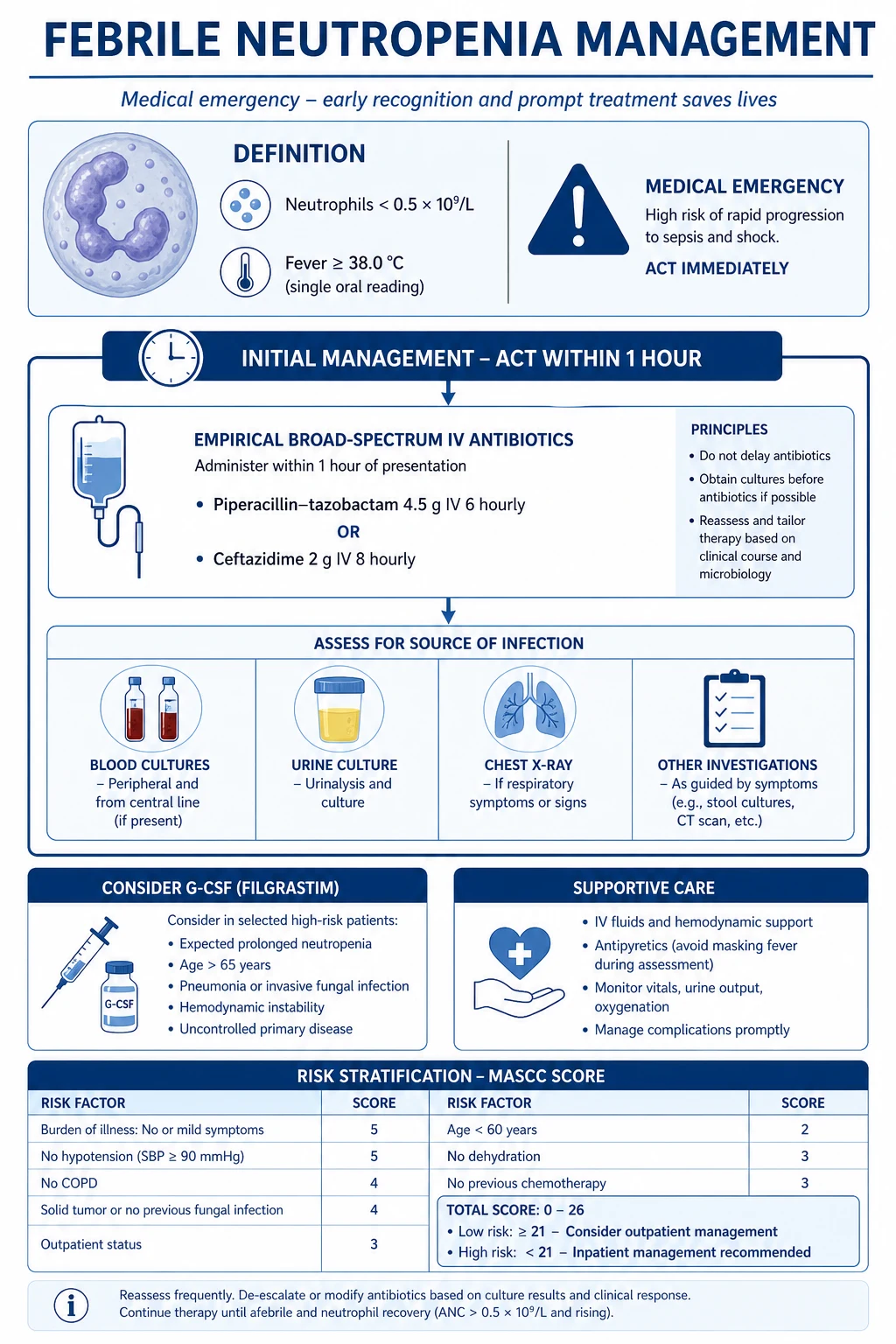
The receptor is built from five modular domains, read from outside the cell inward:[7]
- Extracellular antigen-binding domain (scFv) — the single-chain variable fragment, a fusion of the antibody heavy- and light-chain variable regions linked by a flexible peptide. This determines target specificity. For B-cell products it is directed against CD19; for myeloma against BCMA (B-cell maturation protein). Recognition is HLA-independent, so it works irrespective of the patient's tissue type.
- Hinge (spacer) region — provides flexibility so the scFv can reach its epitope; length is optimised per target.
- Transmembrane domain — anchors the receptor; usually derived from CD8-alpha, CD28 or CD3-zeta.
- Costimulatory domain(s) — the determinant of CAR "generation". First-generation CARs (CD3-zeta alone) were poorly persistent. Second-generation CARs add one costimulatory domain — CD28 (faster, more explosive expansion, shorter persistence) or 4-1BB/CD137 (slower, more sustained expansion, longer persistence). Third-generation CARs add two. All currently approved products are second-generation.
- Intracellular CD3-zeta activation domain — the signal-transduction tail containing immunoreceptor tyrosine-based activation motifs (ITAMs); binding triggers T-cell activation, proliferation, cytotoxic granule release (perforin, granzyme) and cytokine secretion. [1]
FDA-approved CAR-T cell products and their targets
| Product (generic) | Brand | Target | Indication | Costimulatory domain | Pivotal trial |
|---|---|---|---|---|---|
| Tisagenlecleucel | Kymriah | CD19 | Paediatric/young adult relapsed/refractory B-ALL; adult DLBCL | 4-1BB | ELIANA (ALL)[3]; JULIET (DLBCL)[6] |
| Axicabtagene ciloleucel | Yescarta | CD19 | Relapsed/refractory DLBCL; follicular lymphoma | CD28 | ZUMA-1[2] |
| Brexucabtagene autoleucel | Tecartus | CD19 | Mantle cell lymphoma; adult ALL | CD28 | ZUMA-2 |
| Lisocabtagene maraleucel | Breyanzi | CD19 | Relapsed/refractory DLBCL | 4-1BB | TRANSCEND |
| Idecabtagene vicleucel | Abecma | BCMA | Relapsed/refractory multiple myeloma | 4-1BB | KarMMa |
| Ciltacabtagene autoleucel | Carvykti | BCMA | Relapsed/refractory multiple myeloma | 4-1BB (dual-epitope BCMA) | CARTITUDE-1 |
The two clinically relevant consequences of successful CAR-T activity are (1) the intended anti-tumour effect (objective response rates of 60–90% and durable complete remissions in patients who had exhausted all conventional therapy), and (2) the on-target inflammatory toxicity — CRS and ICANS — which is what brings these patients to the ICU.[2][3][6]
CRS pathophysiology — the cytokine cascade from T-cell to organ dysfunction
Cytokine release syndrome is a supraphysiological inflammatory response driven by the massive, synchronous activation and expansion of the infused CAR-T cells. Understanding the cascade explains every clinical feature and every therapeutic target.[7][9]
flowchart TD
    A["CAR-T cell binds CD19 on malignant B-cell"] --> B["T-cell activation + explosive clonal expansion"]
    B --> C["T-cell cytokines: IFN-gamma, GM-CSF, TNF-alpha"]
    C --> D["Recruitment & activation of monocytes / macrophages"]
    D --> E["Macrophage cytokine burst: IL-6 dominant; IL-1-beta, TNF-alpha, IL-10, IL-8"]
    E --> F["Endothelial activation: Ang-2, VEGF, vWF, nitric oxide"]
    F --> G["Capillary leak → vasodilation → hypotension, hypoxia, AKI, transaminitis, coagulopathy"]
    G --> H["End-organ dysfunction (shock, ARDS, AKI, DIC, encephalopathy)"]
    E -. IL-6 .-> T["Tocilizumab / siltuximab block IL-6 signalling"]
    D -. IL-1-beta .-> I["Anakinra blocks IL-1 (refractory CRS)"]
The pivotal insight from the 2018 mechanistic studies is that the dominant source of IL-6 in CRS is not the CAR-T cell itself but the recruited monocyte/macrophage population. Giavridis et al. showed in a humanised mouse model that CRS is mediated by macrophages and abated by IL-1 blockade (anakinra), while Norelli et al. demonstrated that monocyte-derived IL-1 and IL-6 are differentially required — IL-6 drives the systemic CRS and IL-1 is critical for neurotoxicity.[8][9] This is why:
- Tocilizumab (blocking IL-6 signalling through the IL-6 receptor) produces the dramatic, rapid resolution of fever and hypotension within hours, but does not reliably reverse neurotoxicity (it does not cross an intact blood-brain barrier, and IL-1 rather than IL-6 drives cerebral injury).
- Corticosteroids broadly suppress T-cell AND macrophage cytokine production and DO penetrate the CNS, which is why they are first-line for ICANS and added for refractory/severe CRS. [1]
The clinical signature of the cascade is a stereotyped sequence: fever first (often the only sign for 24–72 h), then hypotension (vasodilatory, distributive shock), then hypoxia (capillary leak / ARDS), with progressive end-organ dysfunction. The laboratory fingerprint is a marked acute-phase response — CRP and ferritin climb steeply, fibrinogen rises — together with cytopenias, transaminitis, coagulopathy and (in ICANS) a fall in the ICE score.[10]
CRS grading — the ASTCT 2019 consensus in full
Before 2019, grading was fractured across trials (Penn, MSKCC, NCI-CTCAE), making cross-trial comparison impossible. The American Society for Transplantation and Cellular Therapy (ASTCT) consensus unified grading around objective, bedside-applicable criteria — temperature, oxygen requirement and vasopressor support — and is now the universal standard.[1]
ASTCT 2019 consensus grading of CRS (Lee et al., PMID 30592986)
| Grade | Criteria |
|---|---|
| Grade 1 | Fever ≥38 °C only. No hypotension, no hypoxia |
| Grade 2 | Fever + oxygen requirement <40% FiO2 (low-flow nasal specs/mask) OR hypotension responsive to fluids or to a low dose of a single vasopressor |
| Grade 3 | Fever + oxygen requirement ≥40% FiO2 (high-flow nasal cannula, non-rebreather, NIV) OR hypotension requiring high-dose or multiple vasopressors |
| Grade 4 | Life-threatening — hypoxia requiring positive-pressure ventilation (intubation and mechanical ventilation) OR hypotension requiring multiple vasopressors (vasopressin excluded from the count) |
Note the two axes that escalate grade — oxygen and blood pressure. A patient is graded by whichever is worse. This grading is deliberately objective and bedside-applicable: it does NOT require cytokine levels, which makes it usable in real time in the ICU.[1]
CRS management — the escalation algorithm
Stepwise management of CRS by ASTCT grade
- GRADE 1 — supportive care only. Antipyretics (paracetamol; avoid NSAIDs if thrombocytopenic). Conservative fluids if volume-responsive hypotension. Continuous cardiac and SpO2 monitoring. Withhold tocilizumab. Re-assess hourly — the trajectory (rising vasopressor / FiO2 need) drives escalation, not the grade at a single timepoint.[1]
- GRADE 2 OR ANY WORSENING — tocilizumab. Tocilizumab 8 mg/kg IV (maximum 800 mg per dose), repeatable every 8 h up to 3 doses in 24 h. This is the specific anti-IL-6R therapy and produces rapid (often within hours) resolution of fever and haemodynamic instability. Grade 2 is the threshold to treat, but treat on the trajectory, not the number: a patient "only" grade 1 who is clearly deteriorating, or has high-risk features (high tumour burden, high baseline ferritin, LDH, pre-existing cardiac dysfunction), should be treated early.[4][11]
- GRADE 3–4 — tocilizumab PLUS corticosteroids. Add dexamethasone 10 mg IV q6h (or methylprednisolone 1 g IV daily) and admit to / continue in the ICU for organ support. Steroids suppress the upstream T-cell and macrophage activation that tocilizumab alone does not fully control. Re-assess after each intervention.[1]
- REFRACTORY CRS — escalate immunosuppression. Definitions vary (persistent grade 2 + non-response to tocilizumab and steroids within 24 h, or persistent grade 3–4). Options: high-dose methylprednisolone; siltuximab 11 mg/kg IV (anti-IL-6, an alternative to tocilizumab, useful if IL-6R is saturated or after multiple tocilizumab doses); anakinra (recombinant IL-1 receptor antagonist, especially if neurotoxicity coexists); rarely ruxolitinib (JAK1/2 inhibitor).[8][9]
- SUPPORTIVE ICU CARE throughout. Lung-protective ventilation for ARDS; noradrenaline first-line for vasodilatory shock (vasopressin as a sparing agent); balanced crystalloids judiciously (capillary leak limits tolerance of fluid — aim euvolaemia, escalate early to vasopressors rather than flooding); renal replacement therapy for AKI; transfusion for anaemia/thrombocytopenia; thrombosis (VTE) and stress-ulcer prophylaxis balanced against bleeding/thrombocytopenia; antimicrobial prophylaxis (the combination of CAR-T aplasia + steroids is profoundly immunosuppressive).[1]
The three immunomodulators of CRS — tocilizumab, siltuximab, corticosteroids
| Agent | Target | When first-line | When to add | Key advantage | Key limitation |
|---|---|---|---|---|---|
| Tocilizumab | IL-6 receptor (IL-6R) | CRS grade ≥2 | — | Rapid (hours); the only CRS-specific approved drug; steroid-sparing | Does NOT cross BBB → ineffective for isolated ICANS; infection risk; rebound after stopping |
| Siltuximab | Circulating IL-6 (the cytokine itself) | Refractory CRS / after multiple tocilizumab doses | When IL-6R may be saturated | Acts upstream of IL-6R; option after tocilizumab failure | Also does not treat ICANS; less evidence; costly |
| Corticosteroids (dexamethasone, methylprednisolone) | Broad T-cell AND macrophage suppression | ICANS (any grade requiring treatment); CRS grade 3–4 | Add to tocilizumab for severe CRS | Cross the BBB — first-line for neurotoxicity; broad cytokine suppression | Profound immunosuppression (infection, viral reactivation); can blunt CAR-T anti-tumour efficacy |
| Anakinra | IL-1 receptor | Refractory CRS ± ICANS overlap | IL-1-driven / refractory disease | Penetrates CNS; targets IL-1 (key in neurotoxicity) | Short half-life (daily SC); limited data in adults |
ICANS — immune effector cell-associated neurotoxicity syndrome (the neurotoxicity)
ICANS is the second major toxicity of CAR-T and, in its severe form, the most feared because cerebral oedema can be rapidly fatal. It occurs in roughly 20–65% of patients (product- and burden-dependent), usually concurrently with or shortly after CRS, and the two share an overlapping endothelial-driven pathophysiology.[1][9]
The clinical spectrum spans a mild expressive aphasia or fine-motor tremor (easily missed unless tested for) through confusion, dysphasia, obtundation and seizures, to life-threatening cerebral oedema with raised intracranial pressure, herniation and death. The pathophysiology is thought to be cytokine-mediated endothelial activation and blood-brain-barrier disruption (rather than direct CAR-T cell infiltration of brain parenchyma), allowing cytokines — especially IL-1 and IL-6 — and fluid to enter the CNS.[9]
ASTCT 2019 ICANS grading — ICE score, consciousness, seizures, weakness, cerebral oedema
| Domain | Grade 1 | Grade 2 | Grade 3 | Grade 4 |
|---|---|---|---|---|
| ICE score | 7–9 | 3–6 | 0–2 | 0 (intubated / untestable) |
| Depressed consciousness | None | Awakens to voice | Awakens only to tactile stimulus; or requires repeated/sustained tactile stimulus | Unresponsive / requires vigorous repetitive stimulus; OR unable to protect airway |
| Seizure | None | One brief seizure; resolves rapidly; no recurrence in 24 h | Any clinical seizure that resolves, OR multiple seizures; difficult to control | Life-threatening: prolonged/repetitive seizures; refractory status epilepticus |
| Motor weakness | None | Mild focal weakness (e.g. 4/5) | Profound weakness / hemiparesis / paraparesis | Diffuse weakness / paralysis; decerebrate/decorticate posturing |
| Raised ICP / cerebral oedema | None; CT/MRI negative | CT/MRI may show mild oedema | Focal or diffuse oedema on imaging; manageable with medical therapy | Diffuse cerebral oedema; midline shift; herniation; cranial nerve palsy |
ICANS is graded by the worst domain (e.g. a patient with ICE 9 but a focal seizure is at least grade 2, regardless of the cognitive score). This is a critical practical point: a normal orientation score does NOT exclude significant ICANS if there is any seizure, weakness or imaging abnormality.[1]
Management of ICANS by grade — corticosteroids are first-line
- ALL GRADES — search for and exclude mimics. Perform ICE every 12 h (or more). Check glucose, sodium, calcium, magnesium, ammonia, drug levels, infection screen, CT brain (then MRI if abnormal/progressive). Treat electrolyte derangement, hypoglycaemia, infection. Ensure the seizure threshold is protected (levetiracetam prophylaxis is common practice in many centres for high-risk patients).[1]
- GRADE 1 — monitor. Continue supportive care; consider tocilizumab ONLY if concurrent CRS is present (tocilizumab does NOT treat isolated ICANS).[1]
- GRADE 2 — dexamethasone 10 mg IV q6h (first-line). Add tocilizumab if concurrent active CRS. Re-assess ICE every 6–12 h. If no improvement in 24–48 h, escalate.[1]
- GRADE 3–4 — high-dose dexamethasone 10 mg q6h (or methylprednisolone 1 g IV daily). ICU admission; intubate for airway protection / GCS <8 / status epilepticus. Levetiracetam for seizures (or for prophylaxis in severe disease). MRI brain to define cerebral oedema. Neurology/neurocritical care consult.[1]
- CEREBRAL OEDEMA / RAISED ICP — neurocritical-care bundle. Head elevated 30°, adequate sedation/analgesia, normoxia/normocapnia/normoglycaemia/normothermia/normonatraemia; osmolar therapy (mannitol 0.5 g/kg, or hypertonic saline to Na+ 145–150 mmol/L) for acute deterioration; avoid hypotonic fluids; continuous ICP monitoring and/or decompressive craniectomy in refractory cases. Consider siltuximab or anakinra for refractory neurotoxicity.[9]
- REFRACTORY ICANS — escalate: high-dose methylprednisolone; anakinra (IL-1 blockade — rationale from Norelli et al.); siltuximab; rarely plasma exchange or anti-IL-6 strategies. Reversal can take days to weeks.[8][9]
Timing — when CRS and ICANS occur, and how long to monitor
The CAR-T timeline — from lymphodepletion to long-term follow-up
- Day −7 to −2 — lymphodepleting chemotherapy (fludarabine + cyclophosphamide). Creates a cytokine "soil" and depletes regulatory T-cells to favour CAR-T expansion.
- Day 0 — CAR-T cell infusion. Usually well tolerated; occasionally a mild infusion reaction. The CRS clock has NOT yet started (no fever).
- Day +1 to +14 — the CRS / ICANS risk window. Most CRS begins 1–14 days post-infusion; the peak incidence is day +3 to +7. ICANS typically begins a few days after CRS onset and may persist for 1–4 weeks. The first sign of CRS is fever (≥38 °C) — the CRS clock starts here.[1][3]
- Day +7 to +28 — late and atypical presentations. Late CRS (beyond day 14) is uncommon but described, especially after viral reactivation or with delayed CAR-T expansion. ICANS can lag CRS by days and may be the dominant or sole toxicity.
- Beyond day +28 — long-term effects. Persistent B-cell aplasia and hypogammaglobulinaemia (lifelong IVIG if low IgG + recurrent infection); prolonged cytopenias; secondary malignancy surveillance; infection prophylaxis (PJP, antiviral, antifungal).
Patients are typically monitored in hospital for at least 14 days post-infusion (many centres mandate a minimum inpatient stay), with daily ICE scoring and continuous observations. ICU or high-dependency admission is indicated for any grade ≥2 CRS, any ICANS with depressed consciousness or seizure, high-risk baseline features (high tumour burden, high baseline ferritin/LDH, pre-existing cardiac/neuro disease), or any trajectory of deterioration.[1]
Risk factors for severe CRS and ICANS
Not every patient develops severe toxicity. Recognising the high-risk patient allows pre-emptive ICU planning and (in some protocols) early or even prophylactic tocilizumab.[10]
Risk factors for severe CRS and ICANS
| Factor | Mechanism / rationale |
|---|---|
| High tumour burden | More target antigen → greater CAR-T expansion → more cytokine release. The single strongest predictor (Teachey et al. found disease burden, baseline ferritin and LDH predictive)[10] |
| High baseline ferritin / LDH | Surrogates of tumour burden and pre-existing inflammation |
| CD28 costimulatory domain (vs 4-1BB) | CD28 CARs expand faster/more explosively → earlier, higher-grade CRS (axi-cel tends to earlier CRS than tisa-cel) |
| Diagnosis | B-ALL (especially high marrow burden) carries higher CRS risk than DLBCL; high-burden CLL also high-risk |
| Pre-existing CNS disease / neuro comorbidity | Increases ICANS risk and severity |
| Active infection at infusion | Low-grade infection can be amplified into overt CRS |
| Young age | Paediatric/young-adult ALL cohorts show high CRS incidence (often manageable with tocilizumab) |
Differentials — CRS vs sepsis vs HLH/MAS
The febrile, hypotensive, multi-organ-failure CAR-T patient presents a classic diagnostic trap: the same syndrome (fever, shock, high inflammatory markers, organ dysfunction) is produced by CRS, sepsis, and HLH/MAS, the treatment of each differs, and they can coexist. The intensivist must reason through all three concurrently rather than picking one.[7]
CRS vs sepsis vs HLH/MAS — the febrile, shocked post-CAR-T patient
| Feature | CRS | Sepsis | HLH / MAS |
|---|---|---|---|
| Timing after CAR-T | 1–14 days (peak day 3–7) | Any time (often catheter/pulmonary/abdominal source) | Can be triggered BY the CAR-T itself (overlap) |
| Fever pattern | Persistent, high, antipyretic-responsive initially | Often with rigors; source-dependent | Prolonged, swinging; often >7 days |
| Hallmark labs | CRP/ferritin high; IL-6 high; mild–moderate cytopenias; transaminitis; coagulopathy | WCC high or low; lactate high; positive cultures; organ-source on imaging | Ferritin >10,000 ug/L; bi/trilineage cytopenias; low fibrinogen; high triglycerides; high soluble CD25; low NK activity; haemophagocytosis on marrow |
| Key discriminator | Recent CAR-T + rapid response to tocilizumab | Identifiable source + positive microbiology + response to antimicrobials | Fulfil HLH-2004 (5 of 8) or high HScore |
| First-line treatment | Tocilizumab ± steroids | Antimicrobials + source control + resuscitation | Treat trigger + dexamethasone + etoposide/anakinra/emapalumab |
The practical rule in the febrile shocked post-CAR-T patient: cover for sepsis empirically (broad-spectrum antimicrobials after cultures — the patient is profoundly immunosuppressed and infection is common and lethal), grade and treat CRS (tocilizumab for grade ≥2), and screen for HLH (ferritin, fibrinogen, triglycerides, blood film, marrow if indicated) — simultaneously, not sequentially. Delaying antibiotics while "deciding" is a frequent and fatal error; equally, attributing everything to "sepsis" and withholding tocilizumab when the patient is in grade 3 CRS is equally dangerous.[1]
Late and long-term consequences of CAR-T
Long-term toxicities of CAR-T cell therapy
| Late effect | Mechanism | Monitoring / management |
|---|---|---|
| B-cell aplasia / hypogammaglobulinaemia | On-target, off-tumour killing of normal CD19+ B-cells (the desired persistence of CAR-T sustains it) | Serial immunoglobulins; IVIG replacement if IgG <4 g/L + recurrent infection; ensure vaccination complete and re-vaccinate for B-cell-dependent responses |
| Prolonged cytopenias (weeks–months) | Marrow toxicity of lymphodepletion + CAR-T + CRS | Transfusion support; G-CSF; rule out secondary causes; infection prophylaxis |
| Infection risk | Hypogammaglobulinaemia + neutropenia + steroids +tocilizumab | PJP prophylaxis (cotrimoxazole), antiviral (aciclovir), antifungal; low threshold for empirical antibiotics |
| Secondary T-cell malignancies (rare) | Insertional mutagenesis from lentiviral/retroviral vector | FDA boxed warning; lifelong surveillance for new T-cell malignancy; report |
| Tumour lysis syndrome (early) | Rapid tumour kill in high-burden disease | Allopurinol/rasburicase, hydration, urate/renal monitoring in first 24–72 h |
Prognosis
Outcomes after CAR-T — efficacy and toxicity
| Outcome | Rate | Notes |
|---|---|---|
| Objective response (DLBCL, axi-cel, ZUMA-1) | ~83% (CR 58%) | Durable in responders; many CRs remain in remission at 5 years[2] |
| Objective response (B-ALL, tisa-cel, ELIANA) | ~81% CR within 3 months | High response; relapse remains the main problem[3] |
| Objective response (DLBCL, tisa-cel, JULIET) | ~52% (CR 40%) | Slightly lower than axi-cel but different population[6] |
| CRS (any grade) | ~50–90% (product/burden-dependent) | Grade ≥3 in ~10–25% |
| ICANS (any grade) | ~20–65% | Grade ≥3 in ~10–30%; cerebral oedema rare but often fatal |
| CRS-related mortality | <1% (with tocilizumab/ICU support) | Tocilizumab transformed the fatality rate from the early era |
| 5-year overall survival (DLBCL, ZUMA-1) | ~40% | Cures a population previously facing near-uniform death |
The transformation wrought by tocilizumab cannot be overstated: in the first paediatric ALL patient to receive CAR-T (2012, Grupp et al.), life-threatening CRS was reversed within hours of tocilizumab — an experience that led directly to its regulatory approval and to the modern, low-fatality management of CRS.[4][11]
Clinical pearls
Key trials and evidence
ZUMA-1 — axicabtagene ciloleucel in refractory large B-cell lymphoma (PMID 29226797)
Design
Phase 2, multicentre, single-arm; 111 patients with refractory DLBCL
Product
Axicabtagene ciloleucel (CD28-costimulated anti-CD19 CAR-T)
Objective response rate
82% (complete response 58%)
CRS
Any grade 93%; grade ≥3 13%. Median onset ~2 days
Neurologic toxicity
Any grade 64%; grade ≥3 28% (including 3 fatal cerebral oedema cases in early experience)
Clinical bottom line
ZUMA-1 established axi-cel as transformative for chemorefractory DLBCL — and defined CRS/ICANS as the dose-limiting toxicities the ICU must manage
ELIANA — tisagenlecleucel in paediatric/young-adult B-ALL (PMID 29385370)
Design
Phase 2, global, single-arm; 79 patients up to age 25 with relapsed/refractory B-ALL
Product
Tisagenlecleucel (4-1BB-costimulated anti-CD19 CAR-T)
Complete remission
81% within 3 months of infusion
CRS
Any grade 77%; grade ≥3 (ASTCT) substantial minority. Tocilizumab used in ~40%
Neurologic events
~40% any grade; grade ≥3 uncommon
Clinical bottom line
The first FDA-approved gene therapy (2017) — established CAR-T in paediatric ALL and cemented tocilizumab as CRS rescue therapy
JULIET — tisagenlecleucel in adult relapsed/refractory DLBCL (PMID 30501490)
Design
Phase 2, international, single-arm; 115 adults with relapsed/refractory DLBCL
Product
Tisagenlecleucel (4-1BB-costimulated anti-CD19 CAR-T)
Best objective response
52% (complete response 40%) at 6 months; responses durable
CRS
Any grade 58%; grade ≥3 ~22%. Tocilizumab used in ~15%
Neurologic events
~21% any grade; grade ≥3 ~12%
Clinical bottom line
Extended tisagenlecleucel to adult DLBCL; the 4-1BB backbone gave a later but more prolonged toxicity profile than the CD28 axi-cel
ASTCT Consensus Grading — the universal standard (PMID 30592986)
Publication
Lee DW et al. Biology of Blood and Marrow Transplantation, 2019
Purpose
Unified, objective, bedside-applicable grading for CRS and neurotoxicity (ICANS) to replace competing trial-specific scales
CRS grades 1–4
Defined by fever (≥38 °C) + oxygen requirement (<40%, ≥40%, or ventilation) + vasopressor support (fluids, single low-dose, multiple)
ICANS grades 1–4
Defined by the ICE score (7–9, 3–6, 0–2, 0), consciousness level, seizures, motor weakness and cerebral oedema — graded by the WORST domain
Clinical bottom line
Adopted worldwide. Every modern CAR-T trial, guideline and bedside management algorithm uses the ASTCT grading — know it cold
Red flags (additional)
References
- [1]Lee DW, Santomaso BD, Locke FL, et al. ASTCT Consensus Grading for Cytokine Release Syndrome and Neurologic Toxicity Associated with Immune Effector Cells Biol Blood Marrow Transplant, 2019.PMID 30592986
- [2]Neelapu SS, Locke FL, Bartlett NL, et al. Axicabtagene Ciloleucel CAR T-Cell Therapy in Refractory Large B-Cell Lymphoma N Engl J Med, 2017.PMID 29226797
- [3]Maude SL, Laetsch TW, Buechner J, et al. Tisagenlecleucel in Children and Young Adults with B-Cell Lymphoblastic Leukemia N Engl J Med, 2018.PMID 29385370
- [4]Grupp SA, Kalos M, Barrett D, et al. Chimeric antigen receptor-modified T cells for acute lymphoid leukemia N Engl J Med, 2013.PMID 23527958
- [5]Porter DL, Hwang WT, Frey NV, et al. Chimeric antigen receptor T cells persist and induce sustained remissions in relapsed refractory chronic lymphocytic leukemia Sci Transl Med, 2015.PMID 26333935
- [6]Schuster SJ, Bishop MR, Tam CS, et al. Tisagenlecleucel in Adult Relapsed or Refractory Diffuse Large B-Cell Lymphoma N Engl J Med, 2019.PMID 30501490
- [7]Shimabukuro-Vornhagen A, Godel P, Subklewe M, et al. Cytokine release syndrome J Immunother Cancer, 2018.PMID 29907163
- [8]Giavridis T, van der Stegen SJC, Eyquem J, et al. CAR T cell-induced cytokine release syndrome is mediated by macrophages and abated by IL-1 blockade Nat Med, 2018.PMID 29808005
- [9]Norelli M, Camisa B, Barbiera G, et al. Monocyte-derived IL-1 and IL-6 are differentially required for cytokine-release syndrome and neurotoxicity due to CAR T cells Nat Med, 2018.PMID 29808007
- [10]Teachey DT, Lacey SF, Shaw PA, et al. Identification of Predictive Biomarkers for Cytokine Release Syndrome after Chimeric Antigen Receptor T-cell Therapy for Acute Lymphoblastic Leukemia Cancer Discov, 2016.PMID 27076371
- [11]Kotch C, Teachey DT. Tocilizumab for the treatment of chimeric antigen receptor T cell-induced cytokine release syndrome Expert Rev Clin Immunol, 2019.PMID 31219357