ICU · Antimicrobial Stewardship
Clostridioides difficile infection in the ICU
Also known as C. difficile infection (CDI) · Pseudomembranous colitis · C. diff colitis · Fidaxomicin · Faecal microbiota transplant (FMT) · Bezlotoxumab · Toxin A / Toxin B · NAP1/BI/027 hypervirulent strain
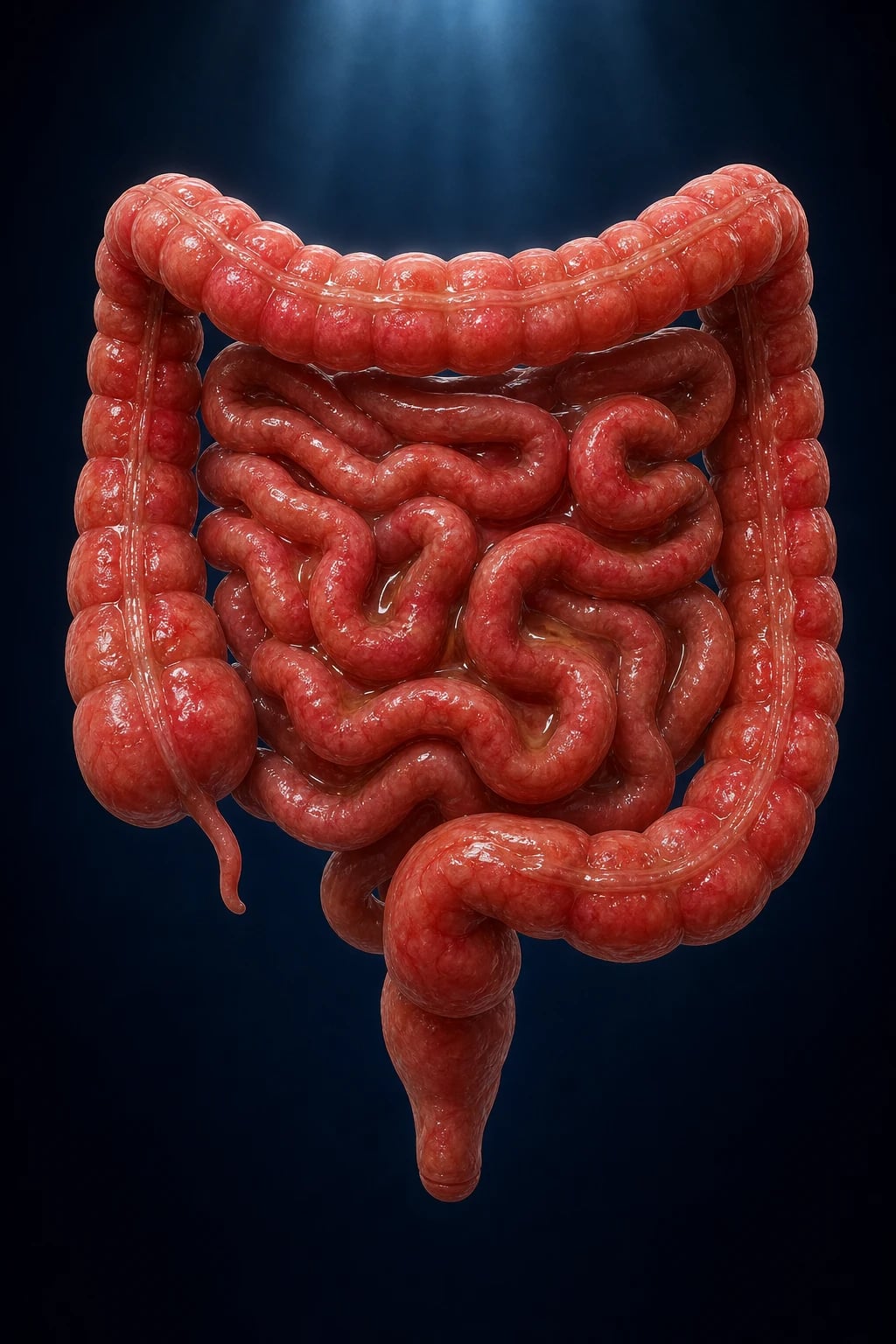
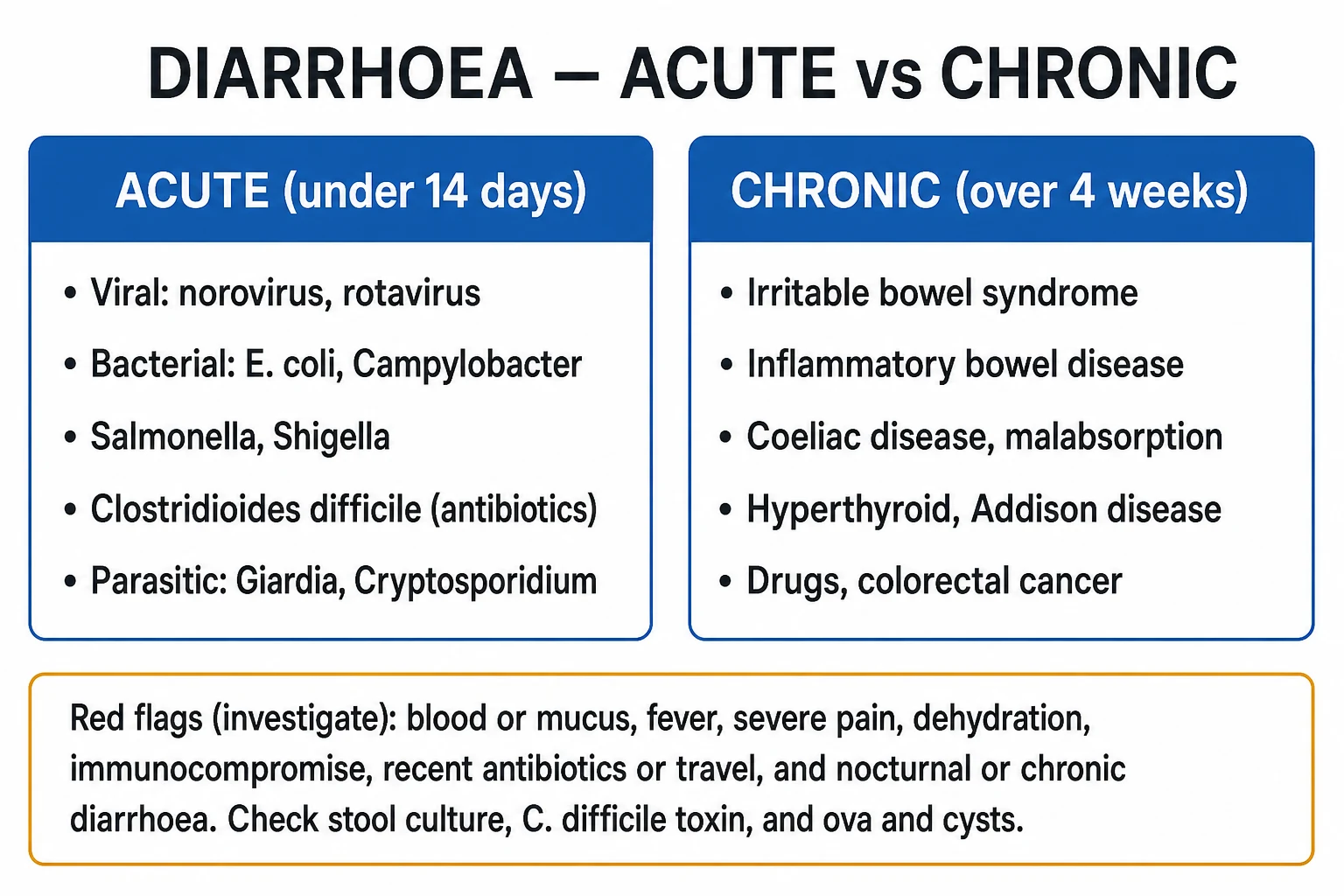
C. difficile infection (CDI) is the most common healthcare-associated infection causing diarrhoea and a leading cause of ICU-acquired nosocomial diarrhoea. Pathophysiology: antibiotics disrupt gut flora (lose colonization resistance) → C. difficile spores germinate → vegetative forms overgrow and release Toxin A (enterotoxic) and Toxin B (cytotoxic) → colonic epithelial inflammation, fluid secretion, and pseudomembrane formation. Risk: antibiotics (1 — especially clindamycin, fluoroquinolones, cephalosporins, broad-spectrum penicillins), PPI use, prolonged hospitalisation, immunocompromise, age 65. Presentation: watery diarrhoea (=3/day), abdominal pain, fever, leucocytosis. Diagnosis: stool toxin testing (GDH + toxin EIA, or NAAT/PCR). Treatment: STOP inciting antibiotic if possible. First episode (non-severe): fidaxomicin 200 mg BD x 10 days (preferred — MODIFY/EXTEND show lower recurrence) OR vancomycin 125 mg QID x 10 days. Severe: vancomycin 500 mg QID + IV metronidazole. Fulminant (toxic megacolon, ileus): vancomycin (oral + rectal) + IV metronidazole ± surgery. Recurrent: fidaxomicin, tapering vancomycin, bezlotoxumab (anti-toxin B monoclonal antibody), or faecal microbiota transplant (FMT ~80-90% cure).
On this page & tools
Your progress
Saved locally on this device.
Target exams
Red flags
Pathophysiology
[1]Why antibiotics cause CDI
Colonization resistance
- A normal colonic microbiota RESISTS C. difficile colonisation (colonization resistance)
- Antibiotics deplete protective obligate anaerobes (Bacteroidetes, Firmicutes)
- Loss of secondary bile-acid production (deoxycholate, lithocholate inhibit vegetative C. difficile)
- Accumulation of primary bile acids (cholate, taurocholate) → germination signals for spores
- Any antibiotic can precipitate CDI, but risk is proportional to spectrum, duration, and anaerobic activity
- The narrower the spectrum and shorter the duration, the lower the CDI risk
Why the hypervirulent NAP1/BI/027 strain is dangerous
Virulence factors
- Increased production of Toxin A and Toxin B (often 16-23x higher than historical strains)
- Production of binary toxin (CDT) — additional virulence factor
- Deletion in the tcdC gene (negative regulator of toxin production) — disinhibits toxin synthesis
- Fluoroquinolone resistance (fluoroquinolone use selects for the strain)
- Resistance to newer macrolides (erythromycin)
- Associated with higher morbidity, mortality, and recurrence — epidemic globally since early 2000s
Risk factors
Antibiotics — the #1 risk factor
Highest to lowest risk
- **Clindamycin** — the classic, first-identified association; historically the highest-risk single agent
- **Fluoroquinolones** (ciprofloxacin, levofloxacin, moxifloxacin) — drove the NAP1/027 epidemic (resistant strain selected out)
- **Cephalosporins** (2nd/3rd generation — cefuroxime, ceftriaxone, cefotaxime)
- **Broad-spectrum penicillins** (amoxicillin-clavulanate, piperacillin-tazobactam)
- **Carbapenems** (meropenem, imipenem)
- Lower but real risk: macrolides, TMP-SMX, tetracyclines, even single perioperative prophylactic doses
- Risk is highest in the first 1-2 weeks of therapy and persists for up to 8-12 weeks after cessation
Non-antibiotic risk factors
Host and environment
- **Age >65 years** — reduced gut microbiota diversity, immunosenescence
- **Proton pump inhibitors (PPIs)** — gastric acid suppression allows spores to survive and reach the colon; consistently associated with 1.5-2x increased risk; review and STOP if not essential
- **Prolonged hospitalisation / ICU stay** — environmental spore exposure, more antibiotic exposure
- **Immunocompromise** — chemotherapy, neutropenia, HIV, solid organ or stem cell transplant, chronic corticosteroids
- **Recent gastrointestinal surgery** — altered gut motility and microbiota
- **Inflammatory bowel disease (IBD)** — UC > Crohn; CDI worsens IBD flares and vice versa
- **Severe underlying illness / high comorbidity (Charlson index)**
- **Enteral tube feeding** — confounded by hospitalisation but independently associated
- **Renal failure / haemodialysis**
The classic exam question
Risk stratification
- A 72-year-old ICU patient on day 10 of piperacillin-tazobactam for pneumonia, on a PPI, develops 6 watery stools/day, WBC 22, Cr 180 µmol/L → think CDI
- Highest single-agent risk: clindamycin (classic teaching point) and fluoroquinolones (modern epidemiology)
- Antibiotic stewardship is the single most effective CDI prevention strategy (antibiotic TIME-OUT, narrow spectrum, shortest duration)
- PPI deprescribing is an evidence-based, low-cost, high-yield prevention intervention
Severity classification
CDI severity grading (IDSA/SHEA, click each)
Hypotension, shock, ileus, megacolon
Fulminant CDI. ICU admission. Treatment: vancomycin 500 mg QID orally/NG + IV metronidazole 500 mg TDS. If ileus: add rectal vancomycin 500 mg in 100 mL saline QID enema. Surgical consultation for possible colectomy if megacolon/perforation.
Non-severe CDI
WBC <15 AND Cr <1.5x baseline
- Definition: WBC <15 × 10^9/L AND serum creatinine <1.5x baseline
- Clinical: watery diarrhoea, mild abdominal pain, low-grade or no fever
- Mortality ~2%
- Treatment: fidaxomicin 200 mg BD x 10 days (preferred) OR vancomycin 125 mg PO QID x 10 days
Severe CDI
WBC >=15 OR Cr >=1.5x baseline
- Definition: WBC >=15 × 10^9/L OR serum creatinine >=1.5x baseline (IDSA/SHEA)
- Surrogate marker: albumin <30 g/L (used in older Sheffield/ASC defines "severe" as age >60 + albumin <25 + WCC >15)
- Clinical: marked leucocytosis, rising creatinine, abdominal distension, fever, hypolumbuminaemia
- Mortality ~10%
- Treatment: vancomycin 125 mg PO QID x 10 days (IDSA 2021); fidaxomicin also acceptable. Some units use vancomycin 500 mg QID for the very severe end
Fulminant CDI
Shock / ileus / megacolon
- Definition: hypotension or shock, ileus, or toxic megacolon
- Clinical: severe abdominal distension, marked leucocytosis (often >30), lactate rise, hypotension requiring vasopressors, oliguria, altered mental status
- MAY present WITHOUT diarrhoea (ileus masks the cardinal symptom — a paradox: the worst CDI can be "constipated")
- Mortality 35-50% (higher with delay to surgery)
- Treatment: vancomycin 500 mg PO/NG QID + IV metronidazole 500 mg TDS + rectal vancomycin 500 mg in 100 mL saline QID enema if ileus. Urgent surgical consult. ICU-level support.
Management
CDI treatment protocol
STOP the inciting antibiotic
First step: discontinue the inciting antibiotic if possible. This alone may resolve mild CDI. If antibiotic must continue (e.g., severe infection): narrow to narrowest possible spectrum, shortest possible duration.
First episode (non-severe)
Fidaxomicin 200 mg PO BD x 10 days — PREFERRED (lower recurrence rate ~12% vs ~25% for vancomycin, narrower spectrum, less resistance selection). OR vancomycin 125 mg PO QID x 10 days (acceptable alternative if fidaxomicin unavailable or contraindicated). Note: vancomycin must be given ORALLY — IV vancomycin does NOT reach the gut lumen.
First episode (severe)
Vancomycin 125-500 mg PO QID x 10 days (fidaxomicin also acceptable per recent guidelines). Add IV metronidazole 500 mg TDS if fulminant or oral route not possible. Monitor: WBC, creatinine, albumin, lactate, abdominal exam.
Fulminant CDI
ICU admission. Vancomycin 500 mg PO/NG QID + IV metronidazole 500 mg TDS. If ileus (no oral route): add rectal vancomycin 500 mg in 100 mL saline retention enema QID. Surgical consult for possible subtotal colectomy if: toxic megacolon, perforation, peritonism, refractory shock. Consider IV immunoglobulin (controversial).
First recurrence
Fidaxomicin 200 mg BD x 10 days (preferred if vancomycin used for initial episode) OR vancomycin tapered/pulsed (125 mg QID x 7 days, then BD x 7 days, then daily x 7 days, then every 2-3 days x 2-8 weeks). Do NOT repeat the same treatment used for the initial episode if possible.
Multiple recurrences
Faecal microbiota transplant (FMT): highly effective for recurrent CDI (~80-90% cure rate). Delivered via colonoscopy, nasoduodenal tube, or capsule. Also consider: fidaxomicin (extended course), vancomycin taper + bezlotoxumab (monoclonal antibody against toxin B).
Detailed first-episode antibiotic therapy
Fidaxomicin (PREFERRED)
Macrocyclic antibiotic, narrow spectrum
- Dose: 200 mg PO BD x 10 days (extended course 200 mg OD x 5 days after 5 days BD — EXTEND regimen — also effective)
- Mechanism: inhibits bacterial RNA polymerase (different target from vancomycin)
- Minimal systemic absorption → high luminal concentration, minimal microbiome disruption
- Narrow spectrum: spare Bacteroidetes/Firmicutes → PRESERVES colonization resistance
- Recurrence rate ~12% vs ~25% for vancomycin (Louie 2011 NEJM; Cornely 2012 Lancet ID) — sustained clinical response higher
- Bactericidal against C. difficile (vs vancomycin bacteriostatic)
- Cost is the main drawback (historically much more expensive than vancomycin)
- IDSA/SHEA 2021: PREFERRED for an initial CDI episode (and first recurrence)
Vancomycin (oral)
Glycopeptide, first-line alternative
- Dose: 125 mg PO QID x 10 days (non-severe); 500 mg PO QID x 10 days (severe/fulminant)
- MUST be given ORALLY (or via NG) — IV vancomycin does NOT reach the gut lumen
- Not absorbed systemically → high luminal concentration
- Recurrence rate ~25% (higher than fidaxomicin)
- Broader Gram-positive activity → more microbiome disruption than fidaxomicin
- Taper/pulse regimen for recurrence: 125 mg QID x 7d → BD x 7d → OD x 7d → q48h x 8 doses
- Intravenous preparation given orally is acceptable (compounded) and often cheaper
Metronidazole
Nitroimidazole — limited role
- Dose: 500 mg PO TDS x 10 days
- Use ONLY if fidaxomicin and vancomycin are BOTH unavailable (rare in modern practice)
- Historically first-line for mild CDI; now demoted because: similar cure rate to vancomycin in mild disease BUT higher recurrence, inferior in severe disease, systemic side effects (neuropathy, disulfiram reaction, encephalopathy with prolonged use)
- IV metronidazole DOES reach the gut lumen (biliary/exudative secretion) — used in fulminant CDI alongside oral vancomycin
- Avoid prolonged/repeated courses (cumulative neurotoxicity)
Fulminant CDI — ICU management
Fulminant CDI (shock/ileus/megacolon) — step-by-step
Recognise fulminant CDI
Any of: hypotension/shock requiring vasopressors, ileus (absent/partially absent diarrhoea despite high WBC), toxic megacolon (caecum >10 cm on imaging), perforation, peritonism. PARADOX: fulminant CDI may have NO diarrhoea (ileus masks it) — suspect in any ICU patient with unexplained marked leucocytosis and abdominal distension.
Multi-route antibiotic therapy
Vancomycin 500 mg PO/NG QID (oral luminal) + IV metronidazole 500 mg TDS (systemic + luminal via exudation) + rectal vancomycin 500 mg in 100 mL normal saline QID retention enema IF ileus prevents oral delivery. Triple-route therapy ensures toxin-suppressing drug reaches the colon even when gut motility is absent.
ICU supportive care
Aggressive IV fluid resuscitation, vasopressors (noradrenaline first-line) for shock, lactate clearance monitoring, serial abdominal exams, serial WBC/lactate/creatinine. Avoid opioids and antidiarrhoeals (worsen ileus/megacolon). Avoid PPIs if possible. Continue ventilation/supportive care as needed. Consider IV tigecycline (case series/observational — controversial) as salvage.
Early surgical consultation
Engage surgery EARLY — do not wait for a crisis. Indications for subtotal colectomy: toxic megacolon, perforation, peritonism, refractory shock despite maximal medical therapy, worsening lactate/WBC/vasopressor requirement. The window for surgical benefit is narrow — mortality rises steeply once multi-organ failure sets in.
Surgery: subtotal colectomy with end ileostomy
Procedure of choice: SUBTOTAL colectomy with end ileostomy (preserves rectum, removes diseased colon). Mortality still 25-50% even with surgery (patients are critically ill). Predictors of mortality: high Apache II, multi-organ failure, age, immunosuppression, delayed surgery. Loop ileostomy + colonic lavage (Neal 2011) is a bowel-preserving alternative in selected centres.
Recurrent CDI — bezlotoxumab and FMT
Recurrence risk
Who recurs
- After a FIRST CDI episode: recurrence risk ~20-25% (vancomycin) or ~12% (fidaxomicin)
- After a FIRST recurrence: risk of further recurrence jumps to ~40%
- After TWO or more recurrences: risk of further recurrence ~60%
- Each recurrence creates an "autocatalytic" cycle — disrupted microbiota cannot resist re-infection/re-germination
- High-risk recurrence predictors: age >65, ongoing antibiotics, immunocompromise, severe underlying illness, NAP1/027 strain, prior recurrence
Bezlotoxumab (Zinplava)
Anti-toxin B monoclonal antibody
- Fully human monoclonal antibody against Toxin B — neutralises toxin, not the organism
- Given as a SINGLE IV infusion (10 mg/kg, max 1000 mg) DURING the standard antibiotic course for CDI (it is adjunctive, not a replacement)
- MODIFY I and MODIFY II (Wilcox 2017 NEJM): bezlotoxumab + standard of care REDUCED 12-week recurrence from ~28% to ~17% (absolute risk reduction ~10%, relative risk reduction ~40%)
- Largest absolute benefit in high-risk patients (age >65, immunocompromised, severe CDI, >1 prior recurrence) — NNT ~5-7
- Side effects: infusion reactions, heart failure exacerbation (caution/warning in patients with HF — use only if benefit outweighs risk)
- Use: adjunct for a primary CDI episode OR recurrence in patients at HIGH risk of further recurrence
Faecal microbiota transplant (FMT)
For MULTIPLE recurrences
- Indication: >=2 recurrences (i.e., >=3 CDI episodes) not responding to appropriate antibiotic therapy
- Mechanism: restores a diverse, colonization-resistant microbiota (and a protective secondary bile-acid profile)
- Cure rate ~80-90% after one or two infusions (van Nood 2013 NEJM — first RCT; Hvas 2019 NEJM — repeat-dose FMT superior to vancomycin)
- Routes: colonoscopic, nasoduodenal/NG tube, or oral capsule (capsules ~80% effective, more convenient)
- Donor screening is rigorous (HIV, hepatitis, MDR organisms, SARS-CoV-2, enteric pathogens)
- Note: FDA/CDC surveillance for transmission of multidrug-resistant organisms and pathogens (e.g., Enteropathogenic E. coli, SARS-CoV-2) — stringent donor screening essential. Rebyota (rectal) and Vowst (oral capsule) are FDA-approved standardised microbiota products.
Surgery for fulminant CDI
[8]Diagnosis
Testing algorithm
Multi-step
- Step 1: GDH (glutamate dehydrogenase) screening — detects C. difficile antigen (not toxin)
- Step 2: If GDH positive → toxin EIA (enzyme immunoassay) — detects active toxin A/B
- Step 3: If GDH positive but toxin negative → NAAT/PCR (confirms presence of toxigenic strain)
- Do NOT test asymptomatic patients (colonisation is common — 5-15% of hospitalised patients)
- Do NOT perform test-of-cure (toxin may persist for weeks after successful treatment)
When to test
Indications
- >=3 unformed stools in 24 hours (not formed)
- New onset unexplained leucocytosis (>15,000) — may be only sign in ileus
- Patient on antibiotics or recent antibiotics (<8-12 weeks)
- Do NOT test: formed stool, asymptomatic patients, test-of-cure
Interpreting discordant results
Common scenarios
- GDH+ / toxin+ = active CDI — treat
- GDH+ / toxin- / NAAT+ = colonised by a toxigenic strain OR low-level toxin production — treat if symptomatic and no alternative cause
- GDH- / toxin- = NOT CDI — seek an alternative diagnosis (norovirus, osmotic diarrhoea, medication, IBD, ischaemic colitis)
- NAAT/PCR+ alone = does NOT distinguish colonisation from active disease — do NOT treat PCR-positive asymptomatic patients
Imaging and endoscopy
Adjuncts
- CT abdomen: non-specific — colonic wall thickening, "accordion sign" (contrast trapped between pseudomembranes and oedematous mucosal folds), pericolonic fat stranding, ascites, megacolon
- Sigmoidoscopy/colonoscopy: yellow-grey ADHERENT pseudomembranes (pathognomonic) — but rarely needed (test stool instead; endoscopy risks perforation in fulminant colitis)
- Plain abdominal X-ray: may show ileus, megacolon (caecum >10 cm), or free air if perforated
- Leucocytosis >30 × 10^9/L is a classical "flag" for CDI in the ICU (and for fulminant CDI in particular)
Prevention and infection control
CDI prevention bundle in the ICU
Antimicrobial stewardship — the single most effective intervention
Narrowest-spectrum antibiotic for the shortest effective duration. Antibiotic "TIME-OUT" at 48-72 h: re-evaluate the need, narrow based on cultures, set a stop date. This reduces CDI rates by 30-50% in stewardship programmes. Target high-risk agents: fluoroquinolones, clindamycin, cephalosporins, broad-spectrum penicillins, carbapenems.
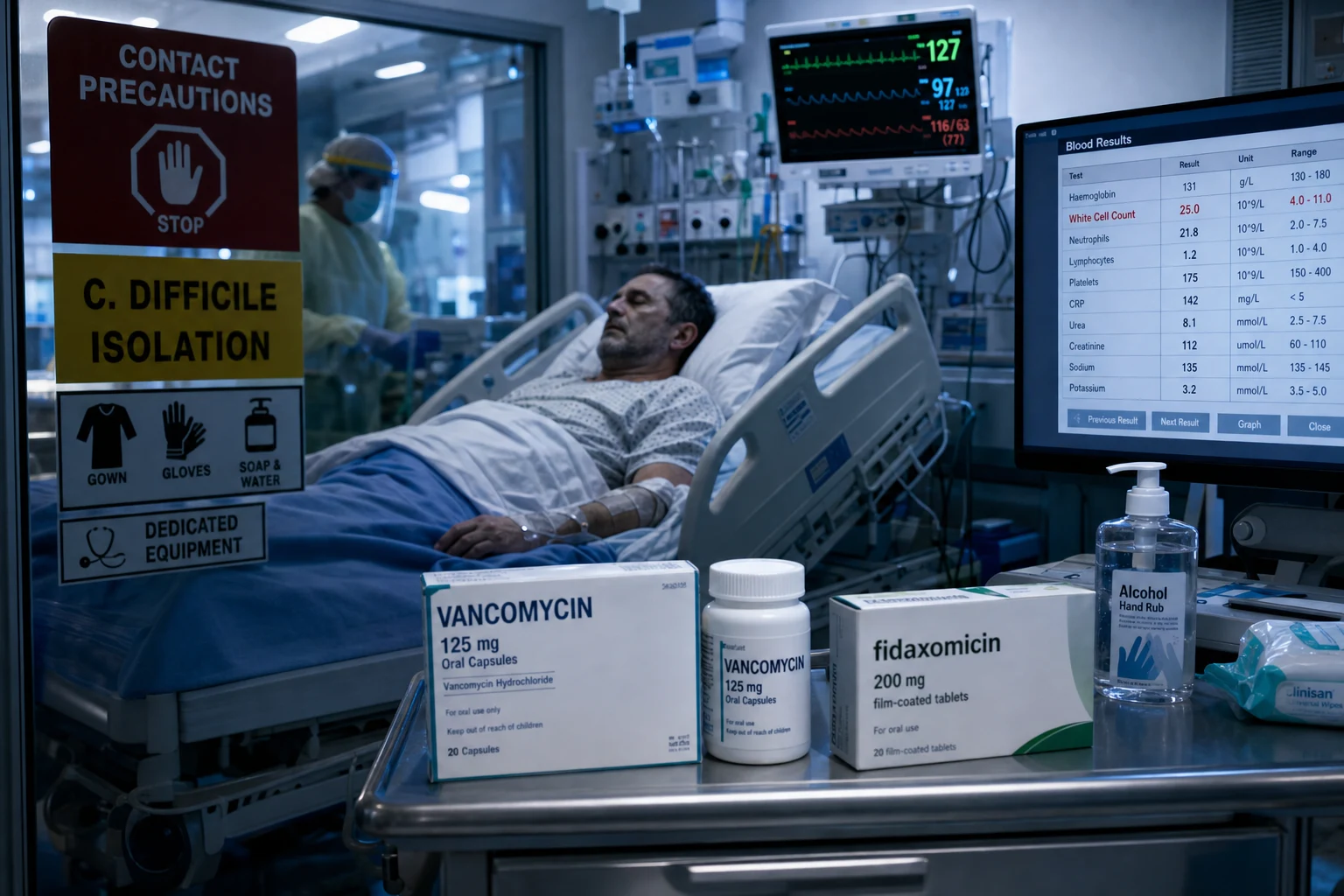
Contact precautions + soap-and-water hand hygiene
Place suspected/confirmed CDI in a SINGLE room with dedicated equipment. GLOVES and GOWNS for ALL contact. CRITICAL: use SOAP AND WATER for hand hygiene (alcohol-based hand rub does NOT kill spores — spores are resistant). Wash hands before AND after patient contact, after removing gloves.
Environmental cleaning with sporicidal agent
Clean the room and shared equipment with a SPORICIDAL agent — diluted bleach (sodium hypochlorite 0.5-5,000 ppm) or a sporicidal peroxide-based product. Quaternary ammonium compounds do NOT kill spores. Daily and terminal cleaning of CDI rooms. Dedicate equipment (stethoscope, BP cuff, thermometer).
PPI deprescribing
Review every PPI prescription in the ICU. Stop PPIs that are not clearly indicated (stress-ulcer prophylaxis is justified only in mechanically ventilated patients or coagulopathy). PPI cessation is a low-cost, high-yield CDI-prevention intervention.
Duration of precautions
Maintain contact precautions for the DURATION of diarrhoea plus at least 48 h after resolution (some units keep precautions for the whole admission due to ongoing shedding). Do NOT repeat stool testing for clearance — toxin can persist for weeks.
Complications and prognosis
Acute complications
During the acute episode
- Dehydration and acute kidney injury (from diarrhoea + sepsis)
- Hypokalaemia, hypoalbuminaemia (GI loss)
- Toxic megacolon — surgical emergency
- Colonic perforation — emergency laparotomy
- Septic shock, multi-organ failure (fulminant CDI mortality 35-50%)
- Reactive arthritis (rare, post-infectious)
Recurrence
The defining complication
- ~20-25% recurrence after vancomycin; ~12% after fidaxomicin
- Recurrence risk escalates with each episode (25% → 40% → 60%)
- Recurrence is usually RE-INFECTION (new strain) or relapse (same strain) — both driven by persistent microbiota disruption
- Bezlotoxumab + FMT have transformed management of multiple recurrences
Long-term / prognosis
Outcomes
- 30-day mortality: ~6% overall (non-severe ~2%, severe ~10%, fulminant 35-50%)
- CDI is an independent predictor of mortality in ICU patients
- Hospital length of stay increased by 4-8 days
- Recurrence itself carries an additional mortality risk
- Recurrence can persist for months to years if microbiota never recovers — FMT can break the cycle
Evidence and trials
MODIFY I and MODIFY II — bezlotoxumab for prevention of recurrent CDI (Wilcox 2017, NEJM; PMID 28134947)
Design
Two identical phase 3, double-blind, placebo-controlled RCTs; ~2,650 patients combined, receiving bezlotoxumab (anti-toxin B monoclonal antibody) or placebo DURING standard-of-care antibiotic therapy for a primary or recurrent CDI episode
Intervention
Single IV infusion of bezlotoxumab 10 mg/kg vs placebo, given alongside vancomycin, fidaxomicin, or metronidazole
Primary outcome
12-week recurrent CDI: bezlotoxumab ~17% vs placebo ~28% (absolute reduction ~10%, relative reduction ~40%). Pooled across both trials and consistent.
Key subgroups
Largest absolute benefit in high-risk patients: age >65, immunocompromised, severe CDI, >1 prior recurrence, NAP1/027 strain — NNT ~5-7 in these groups. Heart-failure warning: small excess of HF/mortality in patients with pre-existing HF.
Clinical bottom line
Bezlotoxumab is an adjunctive single-dose therapy that HALVES recurrence in high-risk CDI patients. Reserve for those at highest recurrence risk. It is NOT a substitute for standard antibiotic therapy — it is given IN ADDITION to it.
Study 003 (Louie 2011) + Study 002 (Cornely 2012) — fidaxomicin vs vancomycin for CDI (NEJM/Lancet ID; PMID 21547191)
Design
Two paired phase 3, prospective, randomised, double-blind trials; ~1,100 patients each, comparing fidaxomicin 200 mg BD vs vancomycin 125 mg QID for 10 days
Primary outcome
Clinical cure: fidaxomicin non-inferior (slightly superior) to vancomycin (~88% vs ~86%)
Recurrence
Recurrence at 4 weeks: fidaxomicin ~13% vs vancomycin ~24% (significant). Sustained clinical response (cure without recurrence) significantly higher with fidaxomicin.
Subgroup
Recurrence benefit less clear in NAP1/BI/027 strain (still some benefit). Benefit maintained in patients requiring ongoing antibiotics.
Clinical bottom line
Fidaxomicin is PREFERRED over vancomycin for an initial CDI episode — similar cure rate but significantly LOWER recurrence and a narrower microbiological footprint (spares protective anaerobes). These two trials are the foundation of the IDSA/SHEA 2021 preference for fidaxomicin.
EXTEND (extended-pulsed fidaxomicin) and Cochrane review 2024 (Goldenberg; PMID 38961049)
Design
EXTEND: open-label RCT comparing extended-pulsed fidaxomicin (200 mg BD x 5 days then 200 mg OD every 48 h x 5 doses = 25-day course) vs standard vancomycin. Cochrane 2024: systematic review and meta-analysis of fidaxomicin vs vancomycin/metronidazole across all RCTs.
Key findings
Extended-pulsed fidaxomicin reduced recurrence vs vancomycin and used LESS total drug. Cochrane 2024 confirmed fidaxomicin reduces sustained recurrence and is cost-effective in high-recurrence settings. High-certainty evidence for lower recurrence vs vancomycin.
Clinical bottom line
Fidaxomicin (standard or extended-pulsed) is the highest-evidence option for an initial CDI episode and first recurrence. Extended-pulsed regimen is an option when drug cost/availability is a concern.
van Nood 2013 — first randomised FMT trial for recurrent CDI (NEJM; PMID 23323800)
Design
Open-label, randomised controlled trial; 43 patients with >=2 recurrences. Three arms: (1) donor FMT via nasoduodenal tube after 4 days vancomycin + bowel lavage, (2) vancomycin alone, (3) vancomycin + bowel lavage
Primary outcome
Cure without relapse at 10 weeks: FMT 94% vs vancomycin 31% vs vancomycin + lavage 23%. Trial STOPPED EARLY for efficacy of FMT.
Clinical bottom line
The landmark trial establishing FMT as dramatically effective for multiple-recurrent CDI. Cure rates ~80-94% transformed recurrent CDI from a debilitating cycle into a curable condition.
Hvas 2019 — repeat-dose FMT vs vancomycin for recurrent CDI (NEJM; PMID 31562781)
Design
Open-label, randomised controlled trial; 64 patients with >=2 recurrences. Repeat-dose FMT (colonoscopic) vs standard 10-day oral vancomycin, with crossover rescue FMT
Primary outcome
Sustained clinical cure at 8 weeks: FMT 86% vs vancomycin 31%. After rescue FMT, overall cure in the FMT group reached 91%.
Clinical bottom line
Confirmed the high efficacy of FMT (~90%) and established repeat-dose colonoscopic FMT as a robust option. Together with van Nood 2013, underpins FMT as standard of care for >=2 recurrences.
IDSA/SHEA 2021 Focused Update — CDI management guideline (McDonald 2021; PMID 33529977)
Type
Clinical practice guideline — focused update (replaces 2017/2018 guidance)
Key recommendations
(1) Fidaxomicin PREFERRED over vancomycin for initial episode and first recurrence. (2) Vancomycin 125 mg QID acceptable alternative (non-severe); 500 mg QID for severe. (3) Metronidazole only if both fidaxomicin and vancomycin unavailable. (4) Bezlotoxumab as adjunct for high-recurrence-risk patients. (5) FMT for >=2 recurrences. (6) Test unformed stool only; no test-of-cure; no testing asymptomatic patients.
Clinical bottom line
The definitive contemporary CDI guideline for adults and children — sets fidaxomicin first, vancomycin second, and positions bezlotoxumab and FMT for recurrence prevention and multiple recurrence respectively.
Johnson 2014 — vancomycin vs metronidazole vs tolevamer (POLY-CDI; Clin Infect Dis; PMID 21135786)
Design
Two parallel phase 3 RCTs; ~1,100 patients, comparing vancomycin, metronidazole, and the (now abandoned) toxin-binder tolevamer
Key finding
Vancomycin was superior to metronidazole for clinical cure in MODERATE-SEVERE CDI; similar in mild disease. Metronidazole cure rates lower in severe disease. Tolevamer inferior.
Clinical bottom line
Established vancomycin as superior to metronidazole for severe CDI, and demoted metronidazole to a third-line/limited role. Underpins the modern move away from metronidazole as first-line.
SAQ — Fulminant C. difficile colitis with toxic megacolon
10 minutes · 10 marks
A 72-year-old man, day 14 of piperacillin-tazobactam for hospital-acquired pneumonia and on a PPI for stress-ulcer prophylaxis, develops marked leucocytosis (WBC 38 × 10⁹/L), abdominal distension, and vasopressor-requiring shock (noradrenaline 0.4 mcg/kg/min) with lactate 4.2 mmol/L. He has passed no stool for 36 hours. CT abdomen shows a caecal diameter of 11 cm with marked colonic wall thickening and pericolonic stranding.
SAQ — Fidaxomicin versus vancomycin for an initial CDI episode
10 minutes · 10 marks
A 68-year-old woman presents with a first episode of C. difficile infection: four days of watery diarrhoea after a 7-day course of ceftriaxone for pyelonephritis. WBC 12 × 10⁹/L, creatinine 90 µmol/L (baseline 80), albumin 32 g/L, apyrexial, no abdominal distension, no shock. She asks whether she should receive fidaxomicin or vancomycin.
Clinical pearls
Red flags
References
- [1]McDonald LC, Gerding DN, Johnson S, et al. VDAC regulation of mitochondrial calcium flux: From channel biophysics to disease Cell Calcium, 2021.PMID 33529977
- [2]Cornely OA, et al. Notum palmitoleoyl-protein carboxylesterase regulates Fas cell surface death receptor-mediated apoptosis via the Wnt signaling pathway in colon adenocarcinoma Bioengineered, 2021.PMID 34402722
- [3]Wilcox MH, Gerding DN, Poxton IR, et al.; MODIFY I and MODIFY II Investigators. Identification of terpenoids from Rubus corchorifolius L. f. leaves and their anti-proliferative effects on human cancer cells Food Funct, 2017.PMID 28134947
- [4]Louie TJ, Miller MA, Mullane KM, et al.; OPT-80-003 Clinical Study Group. Fat embolism syndrome presenting as sudden loss of consciousness J Anaesthesiol Clin Pharmacol, 2010.PMID 21547191
- [5]van Nood E, Vrieze A, Nieuwdorp M, et al. Redundancy in electronic health record corpora: analysis, impact on text mining performance and mitigation strategies BMC Bioinformatics, 2013.PMID 23323800
- [6]Hvas CL, Dahl Jorgensen SM, Jorgensen SP, et al. Association of Pharmacogenetic Markers With Atazanavir Exposure in HIV-Infected Women Clin Pharmacol Ther, 2020.PMID 31562781
- [7]Goldenberg JZ, Mertz D, Johnston BC, et al. Effect of levels-of-processing on rates of forgetting Mem Cognit, 2025.PMID 38961049
- [8]Lu D, Coffin S, Zaoutis T, et al. Melatonin promotes Arabidopsis primary root growth in an IAA-dependent manner J Exp Bot, 2021.PMID 34009365
- [9]Johnson S, Louie TJ, Gerding DN, et al.; POLY-CDI study. Fatigue in patients with advanced cancer Int J Palliat Nurs, 2010.PMID 21135786