ICU · Infectious
Invasive fungal infections in ICU: candidiasis, aspergillosis and mucormycosis
Also known as Invasive candidiasis · Candidemia · Candida score · Invasive aspergillosis · Invasive pulmonary aspergillosis · IPA · Mucormycosis · Zygomycosis · COVID-associated pulmonary aspergillosis · CAPA
INVASIVE FUNGAL INFECTIONS in ICU: (1) INVASIVE CANDIDIASIS / CANDIDEMIA (Candida spp., increasingly non-albicans — risk factors = Candida score ≥3, intra-abdominal source, central venous catheter, TPN, broad-spectrum antibiotics, immunosuppression; diagnosis = blood cultures, beta-D-glucan, mannan/anti-mannan; treatment = echinocandin empiric for the critically ill, step-down to fluconazole, remove CVC; duration 14 days from first negative culture + mandatory ophthalmology review). (2) INVASIVE PULMONARY ASPERGILLOSIS (Aspergillus — galactomannan BAL 1.0, halo/air-crescent on CT; voriconazole first-line, isavuconazole non-inferior; primary prophylaxis with posaconazole in AML/HSCT, secondary prophylaxis after treated disease). (3) MUCORMYCOSIS (Mucorales — DKA and deferoxamine are the cardinal risk factors, rhinocerebral palatal eschar, aggressive angioinvasion; liposomal amphotericin B 5-10 mg/kg/day + urgent surgical debridement + reverse deferoxamine/control DKA). Mortality 30-70%.
On this page & tools
Your progress
Saved locally on this device.
Target exams
Red flags
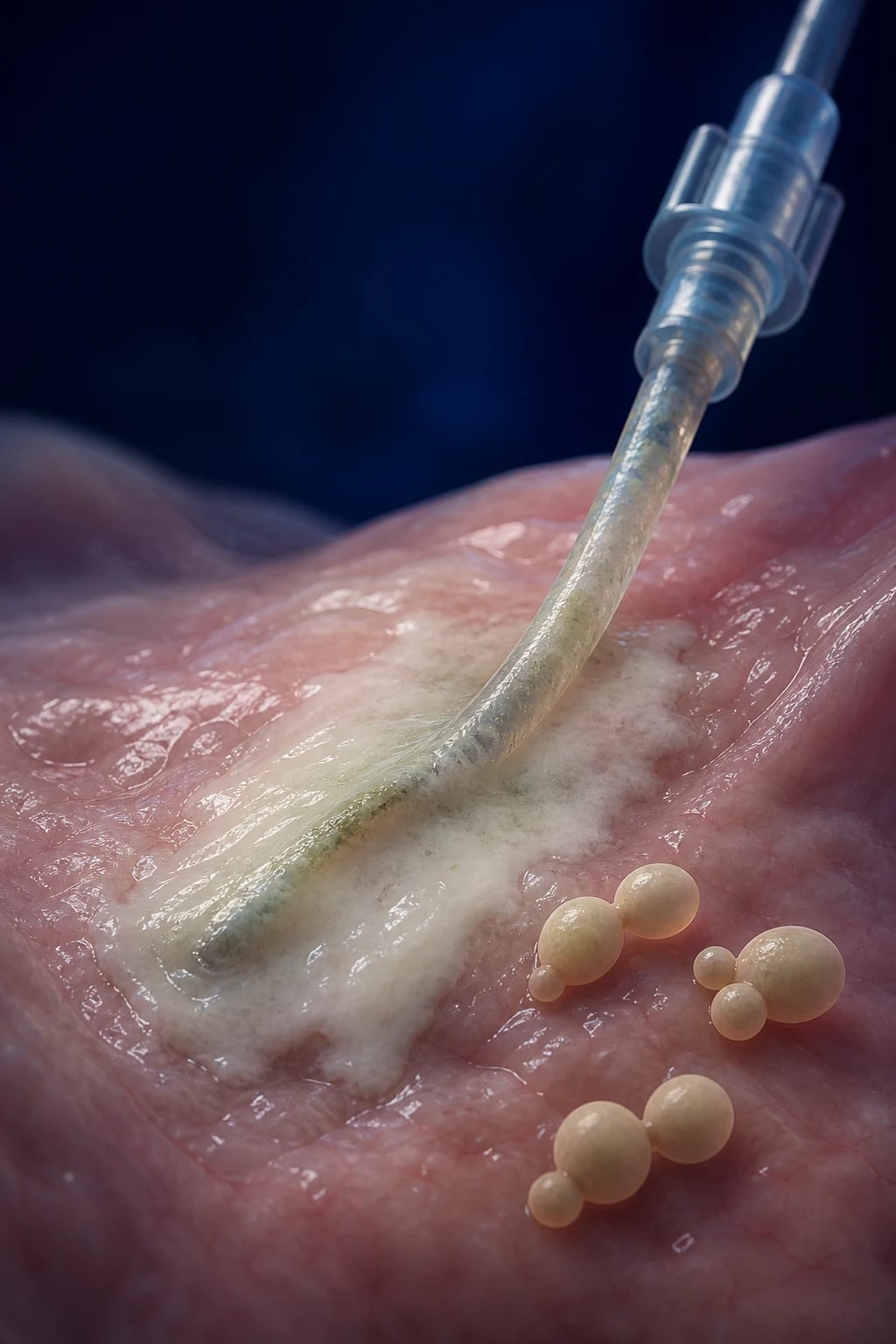
Invasive aspergillosis vs mucormycosis
| Feature | Invasive aspergillosis (IPA) | Mucormycosis |
|---|---|---|
| Organism | Aspergillus fumigatus (90%) | Mucorales (Rhizopus, Mucor, Lichtheimia) |
| Host | Neutropenia, transplant, steroids, severe viral (influenza/COVID) | DIABETIC KETOACIDOSIS, neutropenia, steroids, iron overload |
| Growth | Septate hyphae, acute angle | NON-septate (pauciseptate) hyphae, RIGHT angle, broad |
| Angioinvasion | Yes (less aggressive) | YES (aggressive — thrombosis, necrosis) |
| Clinical | Pulmonary (necrotising pneumonia), sinus, disseminated | RHINOCEREBRAL (palate, sinus, brain), pulmonary, cutaneous, disseminated |
| Black necrosis (eschar) | Rare | CHARACTERISTIC (cutaneous, palatal, nasal) |
| CT | Halo sign, air crescent, nodules | No halo (typically), consolidation, nodules |
| Galactomannan | POSITIVE (BAL >1.0, serum >0.5) | NEGATIVE |
| Treatment | Voriconazole (first-line), isavuconazole, posaconazole | LIPOSOMAL AMPHOTERICIN B + SURGICAL DEBRIDEMENT |
| Voriconazole | Effective | INEFFECTIVE (Mucorales resistant) |
| Surgery | Less often needed | OFTEN NEEDED (debridement — life-saving) |
| Mortality | 30-50% | 40-70% (higher) |
Management of suspected invasive fungal infection
- Recognise — immunocompromised (neutropenia, transplant, steroids), severe viral pneumonia (influenza/COVID), DKA. New pulmonary infiltrates, sinus symptoms, skin lesions
- Investigate — (a) CT chest (halo, air crescent, nodules, consolidation). (b) CT sinuses (if rhinocerebral). (c) Galactomannan (BAL >1.0, serum >0.5). (d) Beta-D-glucan (non-specific — positive in many fungi). (c) Bronchoscopy + BAL (culture, cytology, galactomannan). (d) Biopsy (histology — septate vs non-septate hyphae)
- Empiric antifungal — if high suspicion: voriconazole (if aspergillosis likely). If mucormycosis suspected or voriconazole failure: add liposomal amphotericin B
- Definitive treatment — IPA: voriconazole 6 mg/kg load, then 4 mg/kg BD, then oral. Mucormycosis: liposomal amphotericin B 5-10 mg/kg/day + surgical debridement
- Surgical debridement — mucormycosis: extensive debridement of necrotic tissue (sinus, palate, lung, skin). Often repeated. Life-saving
- Correct predisposing factors — reverse immunosuppression if possible (reduce steroids, G-CSF for neutropenia, control DKA)
- Duration — weeks to months (until clinical/radiological resolution, immune recovery)
- Monitor — galactomannan trend, CT resolution, clinical response. Therapeutic drug monitoring (voriconazole trough 1-5.5 mg/L)
SAQ — Invasive pulmonary aspergillosis and rhinocerebral mucormycosis
SAQ — Invasive pulmonary aspergillosis in prolonged neutropenia
10 minutes · 10 marks
A 58-year-old man with AML is day 18 of induction chemotherapy (7+3). His ANC has been below 0.1 x10^9/L since day 8. He has had persistent fever for 6 days despite meropenem and vancomycin. He now develops pleuritic chest pain and haemoptysis. CT chest shows multiple nodules with surrounding ground-glass halos. Serum galactomannan index 0.9; beta-D-glucan 180 pg/mL. He is on fluconazole prophylaxis.
SAQ — Rhinocerebral mucormycosis in diabetic ketoacidosis
10 minutes · 10 marks
A 49-year-old man with poorly controlled type 2 diabetes presents in DKA (pH 7.1, glucose 38, ketones positive). He has had facial pain and epistaxis for 2 days. Examination reveals a black necrotic eschar on the right inferior turbinate and a right palatal ulcer with a black base. CT sinuses shows opacification of the right maxillary and ethmoid sinuses with bony destruction of the hard palate. Serum galactomannan and beta-D-glucan are both negative. He is on fluconazole prophylaxis.
Clinical pearls
Red flags
Prognosis
Herbrecht trial (2002, NEJM) — voriconazole vs amphotericin B for IPA
RCT: 277 patients with invasive aspergillosis. Voriconazole vs amphotericin B deoxycholate (first-line at the time).
- Complete/partial response at 12 weeks: voriconazole 53% vs amphotericin 32% (p=0.001)
- Survival at 12 weeks: voriconazole 71% vs amphotericin 58% (p=0.02)
- Fewer severe adverse events: voriconazole (less nephrotoxicity) [1]
CONCLUSION: Voriconazole is first-line for invasive aspergillosis. Isavuconazole (SECURE trial, 2016) non-inferior to voriconazole with better tolerability. Posaconazole is alternative. [1]
Mucormycosis mortality: 40-70% overall. Rhinocerebral 50-80% without debridement. Cutaneous 30-50%. Disseminated 90%+. Reversal of immunosuppression + early debridement + amphotericin improves survival.
Candida and invasive candidiasis
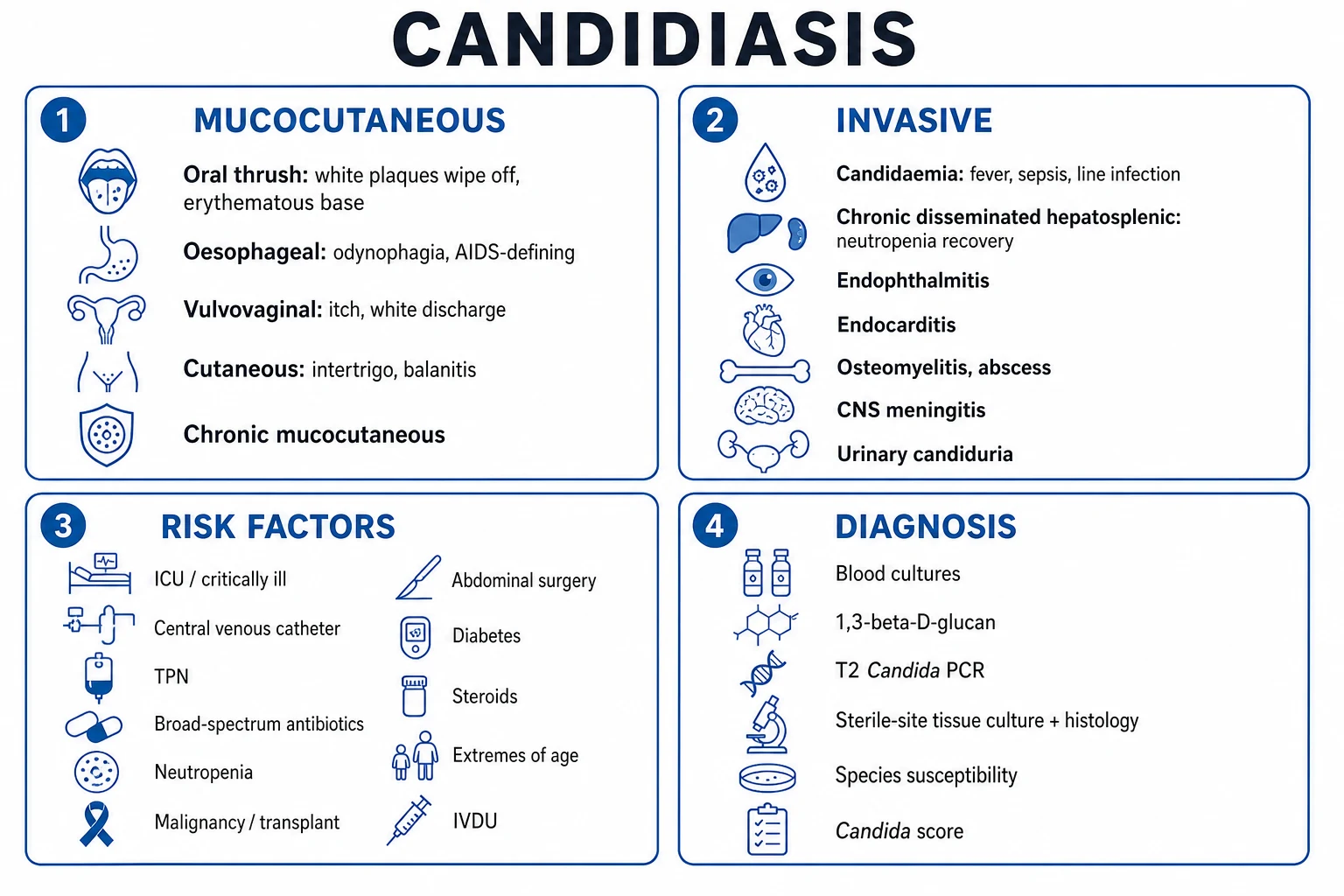
Candida species — epidemiology, resistance, first-line therapy
| Species | Setting | Fluconazole | Echinocandin | Amphotericin B | Exam hook |
|---|---|---|---|---|---|
| C. albicans | ~50% of candidemia | Susceptible | Susceptible | Susceptible | Germ-tube positive; classic mucocutaneous disease |
| C. glabrata | Elderly, malignancy, prior fluconazole | S-DD / resistant ↑ | Susceptible (resistance emerging) | Susceptible | Higher fluconazole MICs — verify susceptibility before step-down |
| C. parapsilosis | CVC, TPN, neonates, hand-borne outbreaks | Susceptible | REDUCED susceptibility (biofilm) | Susceptible | Heavy catheter biofilm — some guidelines prefer fluconazole |
| C. krusei | Haematology, fluconazole prophylaxis | INTRINSICALLY RESISTANT | Susceptible | Susceptible | Never use fluconazole — echinocandin or amphotericin |
| C. tropicalis | Asia, neutropenia, gut translocation | Susceptible | Susceptible | Susceptible | Metastatic cutaneous lesions; high mortality in neutropenia |
| C. auris | ICU / long-term-care outbreaks | Often MULTI-resistant | Variable (rising) | Variable | Misidentified by conventional platforms; infection-control emergency; persists on surfaces |
| C. lusitaniae | rare | Susceptible | Susceptible | INTRINSICALLY RESISTANT | The species that is amphotericin-B-resistant |
[7] }
Risk factors and the Candida score (León)
The Candida score stratifies non-neutropenic ICU patients with Candida colonisation; score ≥3 identifies a group at 3-7× higher risk of invasive candidiasis in whom empiric antifungal therapy is justified.[14] }[15] }
| Component | Points |
|---|---|
| Severe sepsis / septic shock | 2 |
| Total parenteral nutrition (TPN) | 1 |
| Recent surgery (intra-abdominal) | 1 |
| Multifocal Candida colonisation (≥2 non-concurrent sites) | 1 |
Additional IDSA-recognised risk factors[7] }:
- Broad-spectrum antibacterial exposure (≥4 days)
- Central venous catheter (especially multi-lumen, haemodialysis)
- Acute / necrotising pancreatitis, intra-abdominal collection
- Immunosuppression: neutropenia, corticosteroids, chemotherapy, transplant, biologics
- Severe burns (over 30% TBSA)
- Prolonged ICU stay (over 7 days), mechanical ventilation
- Diabetes mellitus, malignancy, haemodialysis
- Extremes of age (neonate, elderly)
- Candida colonisation at multiple sites (the colonisation index)
Diagnosis of invasive candidiasis
| Test | What it detects | Performance / pitfalls |
|---|---|---|
| Blood cultures (2 sets; lysis-centrifugation if available) | Viable Candida in blood; species + susceptibility | Sensitivity only ~50-70% (transient, low-grade fungaemia); positivity 1-4 days. Still the gold standard and required for speciation/susceptibility. |
| Beta-D-glucan (BDG, Fungitell) | (1→3)-β-D-glucan in fungal cell walls | Positive in Candida, Aspergillus, Pneumocystis — NOT Mucorales or Cryptococcus. High negative predictive value. False-positives: IVIG, albumin, cellulose haemodialysis membranes, surgical gauze. Two consecutive positives in a high-risk patient supports probable invasive candidiasis. |
| Mannan / anti-mannan (Platelia Candida) | Candida mannan antigen + antibody | Better sensitivity when combined; species-specific (albicans, glabrata, krusei, tropicalis, parapsilosis). Useful for chronic/hepatosplenic disease. Limited availability. |
| T2Candida (T2 magnetic resonance) | Candida DNA in whole blood | Mean time-to-detection ~3 hours; high NPV; detects albicans, glabrata, parapsilosis, krusei, tropicalis. A negative result helps stop empiric therapy. |
| PCR | Candida DNA | Combined with BDG improves diagnosis; not standardised |
| Histology/culture of sterile tissue | Invasive disease in tissue | Definitive for deep candidiasis (biopsy, drain fluid); confirms tissue invasion rather than colonisation |
Management of suspected invasive candidiasis / candidemia
- Recognise — ICU patient with sepsis and risk factors (Candida score ≥3, CVC, TPN, broad-spectrum antibiotics, pancreatitis, immunosuppression, neutropenia) and no other source; new unexplained fever; metastatic skin nodules.
- Investigate — (a) Two sets of blood cultures (peripheral + from each lumen of CVC — differential time-to-positivity over 120 min suggests line source). (b) Beta-D-glucan (screening, high NPV). (c) Cultures of any drains, urine, wounds, respiratory secretions. (d) Ophthalmology review for endophthalmitis (within first week). (e) Echocardiography if persistent candidemia (endocarditis). (f) Imaging for hepatosplenic disease (neutropenic recovery), abscess.
- Start empiric echinocandin — micafungin 100 mg daily, caspofungin 70 mg load then 50 mg daily, or anidulafungin 200 mg load then 100 mg daily. Echinocandin preferred in: haemodynamic instability, prior azole exposure, C. glabrata or C. krusei, neutropenia, critically ill.[7] }
- Source control — remove the central venous catheter if any doubt (especially C. parapsilosis, non-tunneled catheter, persistent fungaemia over 72 h). Drain abscesses, debride infected tissue.[18] }
- Step-down to fluconazole once: (i) clinical response, (ii) blood cultures negative, (iii) isolate is C. albicans / C. parapsilosis / C. tropicalis AND fluconazole-susceptible. Dose 400-800 mg/day IV then oral. Do NOT step-down C. glabrata without susceptibility or C. krusei at all.[7] }
- Duration — 14 days from the FIRST negative blood culture (covers occult retinal/endocardial foci). Longer for: endophthalmitis (4-6 weeks), endocarditis (at least 6 weeks + surgical valve replacement), septic thrombophlebitis, hepatosplenic candidiasis (until resolution), osteomyelitis.
- Follow-up — repeat blood cultures every 24-48 h until clear. Persistent candidemia over 5 days → echocardiography, search for deep focus, consider resistant organism / switch antifungal class.
- Daily ophthalmology until endophthalmitis excluded; if present → intravitreal amphotericin B ± voriconazole + extended systemic therapy.
- Infection control — C. auris suspected/confirmed → single room, contact precautions, dedicated equipment, environmental deep cleaning, alert laboratory (avoid misidentification).
Antifungal classes in ICU — azoles, echinocandins, polyenes
| Class | Drugs | Mechanism | Spectrum | Key toxicities | Notes |
|---|---|---|---|---|---|
| Azoles (triazoles) | Fluconazole, voriconazole, posaconazole, isavuconazole, itraconazole | Inhibit lanosterol 14α-demethylase (ergosterol synthesis) | Candida (variable), Aspergillus (voriconazole, posaconazole, isavuconazole), Mucorales (posaconazole, isavuconazole — NOT voriconazole/fluconazole) | Hepatitis, QT prolongation (except isavuconazole → QT SHORTENING), drug interactions (CYP3A4/2C9), visual disturbances (voriconazole) | Voriconazole needs TDM (1-5.5 mg/L); fluconazole poor mould cover |
| Echinocandins | Caspofungin, micafungin, anidulafungin, rezafungin | Inhibit β-1,3-glucan synthase (cell wall) | Candida (including azole-resistant) — first-line for candidemia; modest Aspergillus activity (salvage only); NO Mucorales | Generally well tolerated; rare hepatitis, histamine-release with rapid infusion | Low urinary/CNS penetration — not for pyelonephritis/meningitis |
| Polyenes | Amphotericin B deoxycholate, liposomal amphotericin B, lipid complex | Binds ergosterol → membrane pore → cell death | Broadest: Candida, Aspergillus, Mucorales, Cryptococcus, Histoplasma | Infusion reactions, nephrotoxicity (K⁺/Mg²⁺ wasting, AKI), anaemia; less with liposomal | Liposomal preferred in ICU (less nephrotoxic); high dose (5-10 mg/kg) for Mucorales |
| Flucytosine (5-FC) | Flucytosine | Converts to 5-FU → inhibits DNA synthesis | Cryptococcus, some Candida | Bone marrow, hepatitis, colitis | Only in combination (rapid resistance monotherapy); monitor levels |
Empiric vs pre-emptive vs prophylactic antifungal therapy
| Strategy | Who | Drug | Evidence |
|---|---|---|---|
| Primary prophylaxis | High-risk neutropenia (AML induction, HSCT), selected prolonged ICU immunosuppression (controversial) | Posaconazole (AML/MDS), fluconazole (HSCT, low-risk), micafungin | Reduces invasive fungal infection in selected haematology; routine ICU prophylaxis NOT recommended |
| Empiric (suspected, no proof) | Neutropenic fever over 4 days refractory to antibiotics; ICU septic shock + Candida score ≥3 | Echinocandin (ICU) or liposomal amphotericin B (haematology) | Standard in neutropenic-fever; EMPIRICUS supports ICU use in colonised septic shock[16] } |
| Pre-emptive / driven | Positive biomarker (BDG, galactomannan) or CT in at-risk patient | Tailored to suspected organism | Reduces overtreatment; biomarker-dependent |
| Targeted / definitive | Culture/histology confirmed | Guided by species + susceptibility + focus | IDSA / ESCMID-driven |
Aspergillus — extending the picture (prophylaxis, CAPA/IAPA)
Primary vs secondary prophylaxis for invasive aspergillosis
| Setting | Primary prophylaxis | Rationale |
|---|---|---|
| AML/MDS induction (prolonged neutropenia) | Posaconazole 200 mg TDS (or delayed-release BD) | Reduces invasive aspergillosis and improves overall survival vs fluconazole/itraconazole (Cornely 2007 RCT) |
| Allogeneic HSCT, GVHD | Posaconazole (or voriconazole/micafungin) | High risk during GVHD; posaconazole superior to fluconazole |
| Lung transplant | Universal nebulised amphotericin ± systemic voriconazole/itraconazole | Airway anastomosis at high risk; lifelong in some centres |
| ICU non-neutropenic (severe influenza/COVID, cirrhosis, COPD on high-dose steroids) | NOT routine; screen BAL galactomannan in ventilated influenza/COVID | No survival benefit shown for blanket prophylaxis; high risk of azole resistance and drug interactions |
| Secondary prophylaxis (after treated invasive aspergillosis, future immunosuppression) | Voriconazole or posaconazole (mould-active) | Prevents relapse during subsequent chemotherapy/transplant; continue throughout the immunosuppression window |
Classical IPA vs influenza-associated (IAPA) vs COVID-associated (CAPA) pulmonary aspergillosis
| Feature | Classical IPA | IAPA | CAPA |
|---|---|---|---|
| Host | Neutropenia, transplant, prolonged steroids | Severe influenza (ventilated, ~19% incidence) | Severe COVID-19 (ventilated, steroids/immunomodulators) |
| Onset | During neutropenia | Within days of ICU admission | Mid-late ICU course |
| Angioinvasion | Prominent | Less angioinvasive | Less angioinvasive |
| Galactomannan | BAL over 1.0, serum over 0.5 (high yield) | BAL over 1.0 (serum often negative) | BAL over 1.0 (serum often negative) |
| CT | Halo, air-crescent | Bilateral infiltrates overlapping flu ARDS | Ground-glass (COVID) overlap — difficult |
| Diagnosis | EORTC/MSGERC criteria | Modified IAPA consensus criteria | CAPA consensus criteria |
| Treatment | Voriconazole / isavuconazole | Voriconazole / isavuconazole | Voriconazole / isavuconazole |
| Mortality | 30-50% | 40-60% | 40-60% |
[4] }
Mucorales — pathophysiology: iron, acidosis, deferoxamine
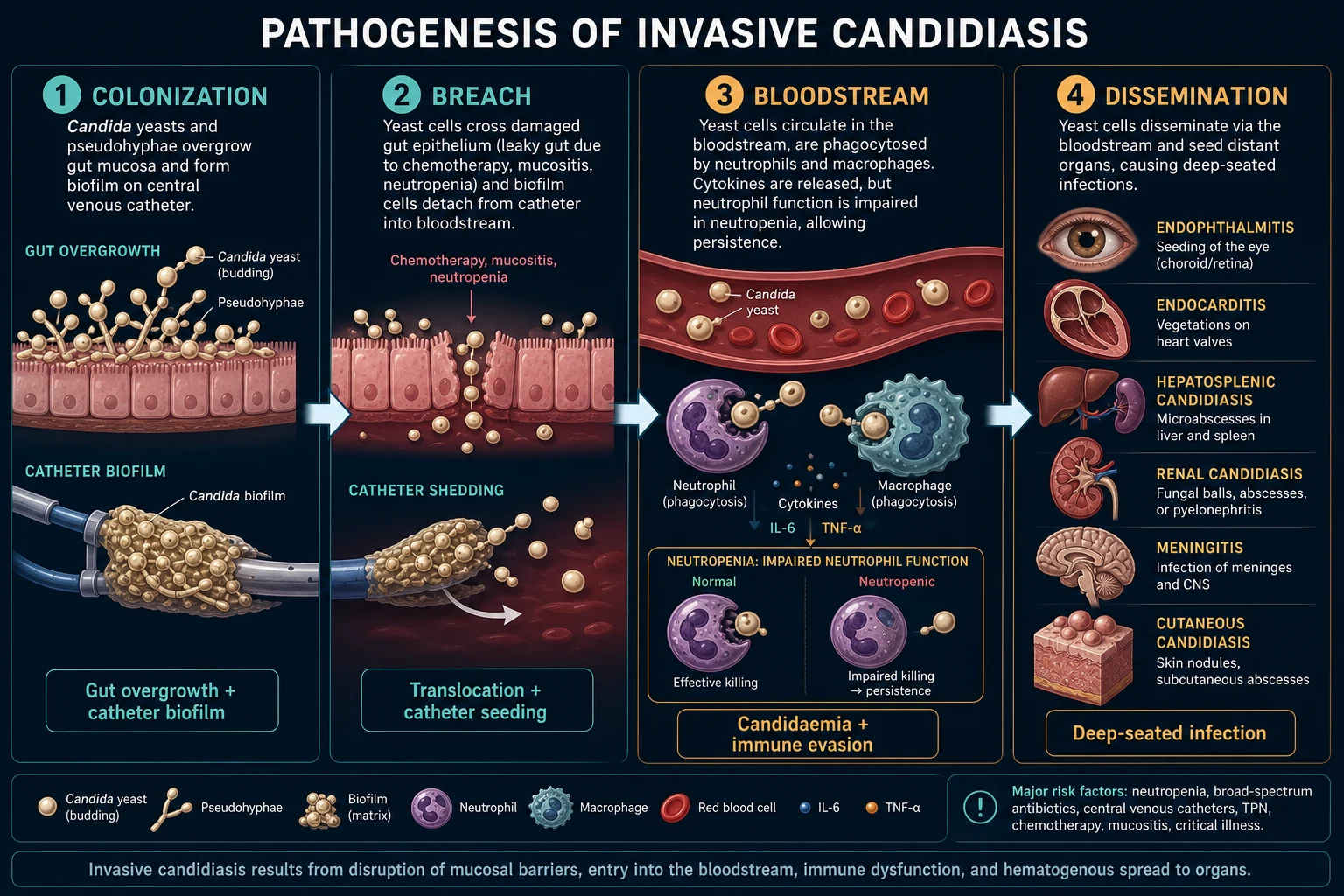
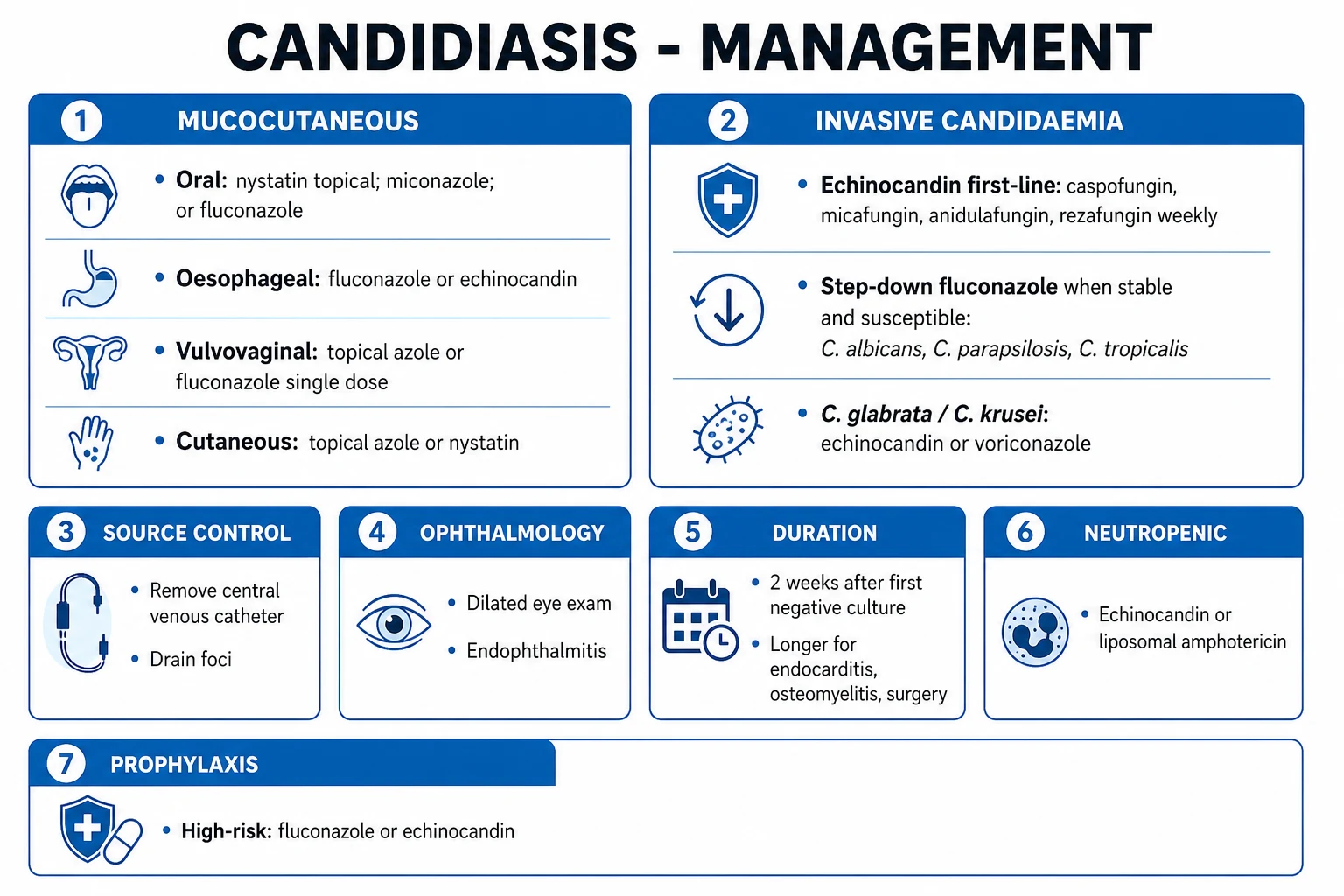
Why Mucorales thrive in DKA and deferoxamine therapy — and how to reverse it
- Pathophysiology — Mucorales (Rhizopus arrhizus most common) lack a cell-wall ergosterol target for azoles and cannot synthesise their own siderophores; they rely on free iron. They express rhizoferrin (their own siderophore) and — critically — can utilise ferrioxamine (the iron complex of deferoxamine) as a xenosiderophore to scavenge iron.[20] }
- Acidosis unbinds iron — in DKA/lactic acidosis, low pH displaces iron from transferrin → free iron rises → Mucorales proliferate and angioinvade. Hyperglycaemia also impairs neutrophil chemotaxis and oxidative killing.[19] }
- Deferoxamine is a co-factor, not a treatment — deferoxamine (used for iron/aluminium overload) forms ferrioxamine, which Mucorales strip of iron. Deferoxamine therapy is a major risk factor for mucormycosis — STOP it and switch to deferasirox (which does NOT act as a xenosiderophore for Mucorales).
- Historical note: deferasirox was TRIED as adjunctive therapy but the DEFEAT Mucor trial (Spellberg 2012) showed harm — do NOT use deferasirox as adjunct.
- Reverse the predisposition (curative intent) — (a) correct DKA / acidosis (insulin, fluids, electrolytes) — raises pH, rebinds iron, restores neutrophil function; (b) stop deferoxamine; (c) reduce immunosuppression (taper steroids, hold anti-TNF, G-CSF for neutropenia); (d) normoglycaemia.
- Debridement removes the nidus — necrotic tissue is avascular → antifungals cannot penetrate → surgical removal of ALL necrotic tissue (sinus, palate, orbit, lung, skin) is as important as drug therapy and is repeated until margins are viable.
- Antifungal at high dose — liposomal amphotericin B 5-10 mg/kg/day (higher than for any other fungus; liposomal formulation preferred to allow high dosing with acceptable nephrotoxicity). Step-down to posaconazole or isavuconazole (oral, therapeutic drug monitoring) once stabilised.
- Iron chelation strategy — deferasirox NOT recommended routinely (DEFEAT Mucor harm). Hyperbaric oxygen sometimes used adjunctively (limited evidence).
Clinical pearls — Candida, antifungal pharmacology, prophylaxis
Red flags — added (Candida and antifungal)
Prognosis and key trials — added
EMPIRICUS (Timsit 2016, JAMA) — empiric micafungin in ICU septic shock
Multicentre RCT, 260 adult ICU patients with septic shock + Candida colonisation at ≥1 site + ≥1 organ failure, no antifungal in the prior 7 days. Micafungin 100 mg/day for 14 days vs placebo.
- Primary endpoint — successful treatment at day 28 (fungus-free survival, no empiric antifungal): micafungin 68% vs placebo 60% (Δ +7.8%, p=0.18 overall); significant in the C. albicans-colonised subgroup (≈85% vs 63%, p=0.015).
- No excess mortality, superinfection or resistance.
- CONCLUSION: Pre-emptive micafungin is a reasonable strategy in the highest-risk ICU group (septic shock + multifocal colonisation).[16] }
Antifungal RCTs you must know for ICU exams
- Herbrecht 2002 (NEJM) — voriconazole vs amphotericin B for primary invasive aspergillosis (n=277): better response (53% vs 32%) and survival (71% vs 58%); established voriconazole as first-line.[5] }
- Mora-Duarte 2002 (NEJM) — caspofungin vs amphotericin B for invasive candidiasis: caspofungin non-inferior, better tolerability, less nephrotoxicity; established the echinocandin class.[9] }
- Kuse 2007 (Lancet) — micafungin vs liposomal amphotericin B for candidemia (n=576): micafungin non-inferior (treatment success ≈89% vs 90%), better tolerability; no loading dose needed.[10] }
- Reboli 2007 (NEJM) — anidulafungin vs fluconazole for candidemia: anidulafungin superior response (75% vs 60%) with no renal/hepatic adjustment needed.[11] }
- SECURE (Maertens 2016, Lancet) — isavuconazole vs voriconazole for invasive mould disease (n=516): isavuconazole non-inferior, fewer hepatotoxic/visual/skin adverse events; convenient no-loading dosing; the trial that established isavuconazole.[12] }
- VITAL (Marty 2016, Lancet ID) — isavuconazole for mucormycosis (single-arm, n=37; case-control): all-cause day-42 mortality 33% vs 41% in matched amphotericin controls; alternative option when amphotericin unsuitable.[13] }
- Cornely 2019 global mucormycosis guideline (Lancet ID) — 65 recommendations; liposomal amphotericin B 5-10 mg/kg/day + surgery + reverse immunosuppression as backbone; posaconazole/isavuconazole as salvage/step-down.[2] }
- Pappas 2016 IDSA candidiasis guideline (Clin Infect Dis) — echinocandin empiric for the critically ill and for candidemia; 14-day duration from first negative culture; ophthalmology mandatory; remove CVC when line-source suspected.[7] }
Three-way summary — Candida vs Aspergillus vs Mucorales at a glance
| Feature | Invasive candidiasis | Invasive aspergillosis | Mucormycosis |
|---|---|---|---|
| Organism | Candida spp. (yeast) | Aspergillus fumigatus (septate mould) | Mucorales (non-septate mould) |
| Classic host | ICU sepsis, CVC, TPN, neutropenia, broad-spectrum antibiotics | Neutropenia, transplant, steroids, severe influenza/COVID | DKA, deferoxamine, neutropenia, transplant |
| Portal | Gut translocation, CVC biofilm | Inhaled conidia → airway/lung | Inhaled spores → sinus/lung; trauma → skin |
| Hallmark clinical | Candidemia, endophthalmitis, skin nodules | Necrotising pneumonia, halo sign, air-crescent | Rhinocerebral eschar, palatal necrosis, angioinvasion |
| Key biomarker | Blood culture, beta-D-glucan, mannan | Galactomannan (BAL >1.0, serum >0.5) | None specific — tissue biopsy (histology) |
| Beta-D-glucan | POSITIVE | POSITIVE | NEGATIVE |
| Galactomannan | Negative | POSITIVE | Negative |
| First-line therapy | Echinocandin → step-down fluconazole | Voriconazole (isavuconazole non-inferior) | Liposomal amphotericin B 5-10 mg/kg/day + surgery |
| Source control | Remove CVC, drain abscess | Reverse immunosuppression | Urgent surgical debridement (life-saving) |
| Duration | 14 days from first negative culture | Weeks to months | Weeks to months |
| Mortality | 25-40% (candidemia) | 30-50% | 40-70% |
References
- [1]Ullmann AJ, Aguado JM, Arikan-Akdagli S, et al. Diagnosis and management of Aspergillus diseases: executive summary of the 2017 ESCMID-ECMM-ERS guideline Clin Microbiol Infect, 2018.PMID 29544767
- [2]Cornely OA, Alastruey-Izquierdo A, Arenz D, et al. Global guideline for the diagnosis and management of mucormycosis: an initiative of the European Confederation of Medical Mycology in cooperation with the Mycoses Study Group Education and Research Consortium Lancet Infect Dis, 2019.PMID 31699664
- [3]Lamoth F, Cruciani M, Mengoli C, et al. Galactomannan and 1,3-β-d-Glucan Testing for the Diagnosis of Invasive Aspergillosis J Fungi (Basel), 2016.PMID 29376937
- [4]Arastehfar A, Carvalho A, van de Veerdonk FL, et al. COVID-19 Associated Pulmonary Aspergillosis (CAPA)-From Immunology to Treatment J Fungi (Basel), 2020.PMID 32599813
- [5]Herbrecht R, Denning DW, Patterson TF, et al. Voriconazole versus amphotericin B for primary therapy of invasive aspergillosis N Engl J Med, 2002.PMID 12167683
- [6]Jeong W, Keighley C, Wolfe R, et al. Contemporary management and clinical outcomes of mucormycosis: A systematic review and meta-analysis of case reports Int J Antimicrob Agents, 2019.PMID 30639526
- [7]Pappas PG, Kauffman CA, Andes DR, et al. Clinical Practice Guideline for the Management of Candidiasis: 2016 Update by the Infectious Diseases Society of America Clin Infect Dis, 2016.PMID 26679628
- [8]Patterson TF, Thompson GR 3rd, Denning DW, et al. Executive Summary: Practice Guidelines for the Diagnosis and Management of Aspergillosis: 2016 Update by the Infectious Diseases Society of America Clin Infect Dis, 2016.PMID 27481947
- [9]Mora-Duarte J, Betts R, Rotstein C, et al. Comparison of caspofungin and amphotericin B for invasive candidiasis N Engl J Med, 2002.PMID 12490683
- [10]Kuse ER, Chetchotisakd P, da Cunha CA, et al. Micafungin versus liposomal amphotericin B for candidaemia and invasive candidosis: a phase III randomised double-blind trial Lancet, 2007.PMID 17482982
- [11]Reboli AC, Rotstein C, Pappas PG, et al. Anidulafungin versus fluconazole for invasive candidiasis N Engl J Med, 2007.PMID 17568028
- [12]Maertens JA, Raad II, Marr KA, et al. Isavuconazole versus voriconazole for primary treatment of invasive mould disease caused by Aspergillus and other filamentous fungi (SECURE): a phase 3, randomised-controlled, non-inferiority trial Lancet, 2016.PMID 26684607
- [13]Marty FM, Ostrosky-Zeichner L, Cornely OA, et al. Isavuconazole treatment for mucormycosis: a single-arm open-label trial and case-control analysis Lancet Infect Dis, 2016.PMID 26969258
- [14]Leon C, Ruiz-Santana S, Saavedra P, et al. A bedside scoring system (Candida score) for early antifungal treatment in nonneutropenic critically ill patients with Candida colonization Crit Care Med, 2006.PMID 16505659
- [15]Leon C, Ruiz-Santana S, Saavedra P, et al. Usefulness of the Candida score for discriminating between Candida colonization and invasive candidiasis in non-neutropenic critically ill patients: a prospective multicenter study Crit Care Med, 2009.PMID 19325481
- [16]Timsit JF, Azoulay E, Schwebel C, et al. Empirical Micafungin Treatment and Survival Without Invasive Fungal Infection in Adults With ICU-Acquired Sepsis, Candida Colonization, and Multiple Organ Failure: The EMPIRICUS Randomized Clinical Trial JAMA, 2016.PMID 27706483
- [17]Lortholary O, Petrikkos G, Anttila VJ, et al. ESCMID* guideline for the diagnosis and management of Candida diseases 2012: patients with HIV infection or AIDS Clin Microbiol Infect, 2012.PMID 23137138
- [18]Nucci M, Colombo AL, da Cruz JB, et al. Time of catheter removal in candidemia and mortality Braz J Infect Dis, 2018.PMID 30468708
- [19]Boelaert JR, de Locht M, Van Cutsem J, et al. Mucormycosis (zygomycosis): is there news for the clinician? J Infect, 1994.PMID 8077686
- [20]de Locht M, Verbruggen F, Boelaert JR, et al. Iron uptake from ferrioxamine and from ferrirhizoferrin by germinating spores of Rhizopus microsporus Biochem Pharmacol, 1994.PMID 8204101