ICU · Obs/Gynae
Acute severe community-acquired pneumonia: special populations — pregnancy
Also known as CAP in pregnancy · Pneumonia in pregnant ICU patients · Maternal critical care · Varicella pneumonia in pregnancy · Influenza pneumonia in pregnancy · Pneumonia in pregnancy
CAP in pregnancy has higher morbidity and mortality than non-pregnant CAP — it is the 1 non-obstetric infection requiring ICU admission in pregnancy. Three converging mechanisms transform a 'standard' pneumonia into a time-critical maternal illness: (1) IMMUNOSUPPRESSION — pregnancy suppresses cell-mediated (Th1) immunity, increasing susceptibility to viral (influenza, varicella, CMV), intracellular (Legionella, Mycoplasma), and fungal (Coccidioides, Pneumocystis) pathogens; (2) RESPIRATORY PHYSIOLOGY — the gravid uterus elevates the diaphragm, reducing functional residual capacity (FRC) by ~20% while oxygen consumption rises 20-30%, so the apnoeic/fasted pregnant patient desaturates in seconds; (3) CARDIOVASCULAR PHYSIOLOGY — cardiac output and oxygen demand are already near-maximal (little reserve), and aortocaval compression in the supine position collapses preload and placental perfusion. Organisms: S. pneumoniae (1, ~two-thirds of bacterial CAP), H. influenzae, atypicals (Mycoplasma, Legionella); viral pathogens are disproportionately severe — pandemic H1N1 influenza (7x higher mortality in pregnancy; the third trimester is deadliest), varicella pneumonia (10-25x higher mortality — the classic exam killer), and SARS-CoV-2. Management: LOWER threshold for ICU; oxygen target SpO2 95% (fetal oxygenation is entirely dependent on maternal PaO2); LEFT LATERAL TILT from 20 weeks; MG-SAFE antibiotics (beta-lactams + macrolides safe; AVOID tetracyclines/aminoglycosides/quinolones); oseltamivir SAFE and given EARLY (within 48h) for influenza; aciclovir IV for varicella; continuous fetal monitoring (CTG) if viable; deliver the deteriorating mother.
On this page & tools
Your progress
Saved locally on this device.
Target exams
Red flags
Overview & epidemiology
Pneumonia is the most common non-obstetric infection requiring admission to a critical care unit during pregnancy, and it remains a leading cause of indirect maternal mortality worldwide.[2][3] The intensivist must grasp one central principle: pregnancy does not change which organisms cause CAP, but it changes how severely those organisms behave and how the host tolerates respiratory failure. Streptococcus pneumoniae is still the dominant bacterial pathogen, but the viral pneumonias — influenza, varicella, and SARS-CoV-2 — are transformed from unpleasant self-limiting illnesses into potentially fatal maternal events by the immunological and physiological adaptations of pregnancy.[2][3]
The historical lesson, repeated in every respiratory pandemic of the last century (1918, 1957, 2009, 2020), is unambiguous: pregnant women die disproportionately from viral pneumonia. In the 2009 H1N1 pandemic, pregnant women were ~5% of deaths despite being ~1% of the population, and the third trimester carried the highest risk — a finding that drove the global policy of universal influenza vaccination in pregnancy and empiric oseltamivir for any pregnant woman with influenza-like illness.[4][5]
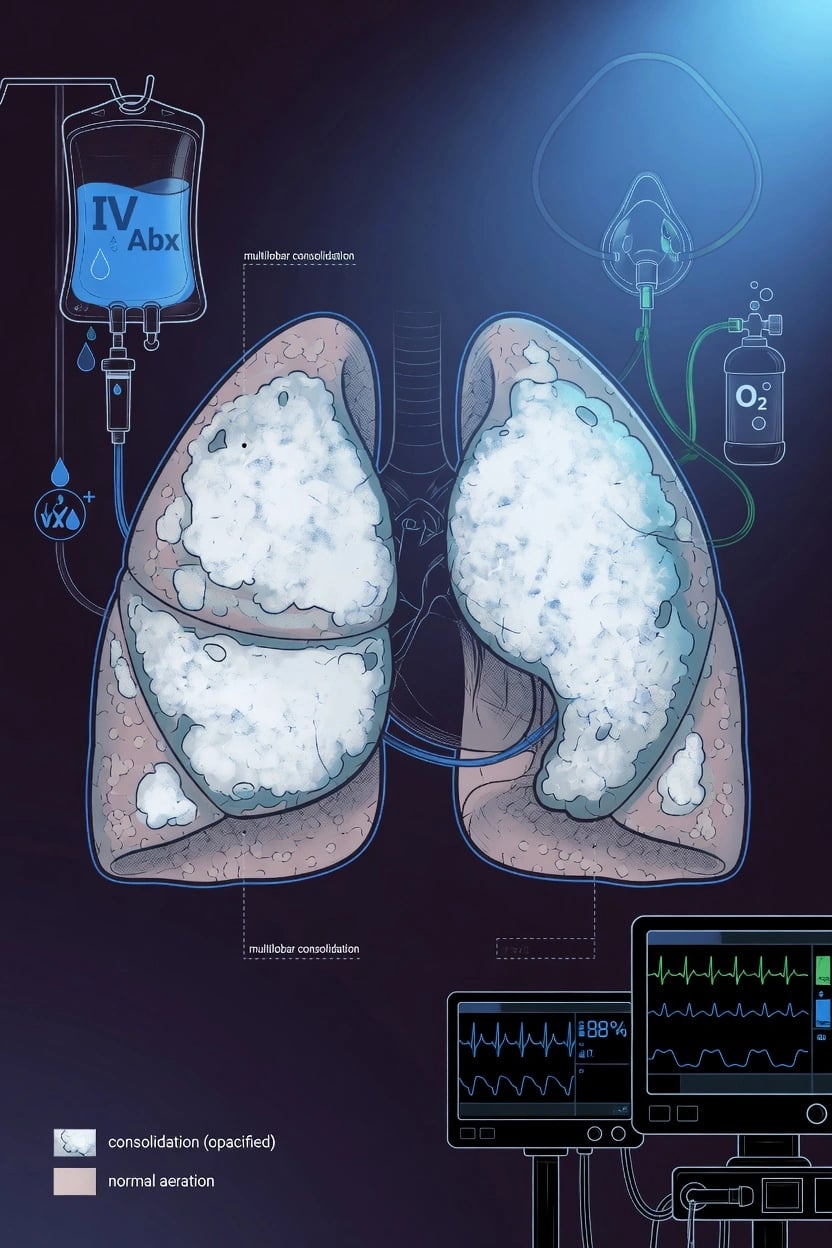
Pathophysiology
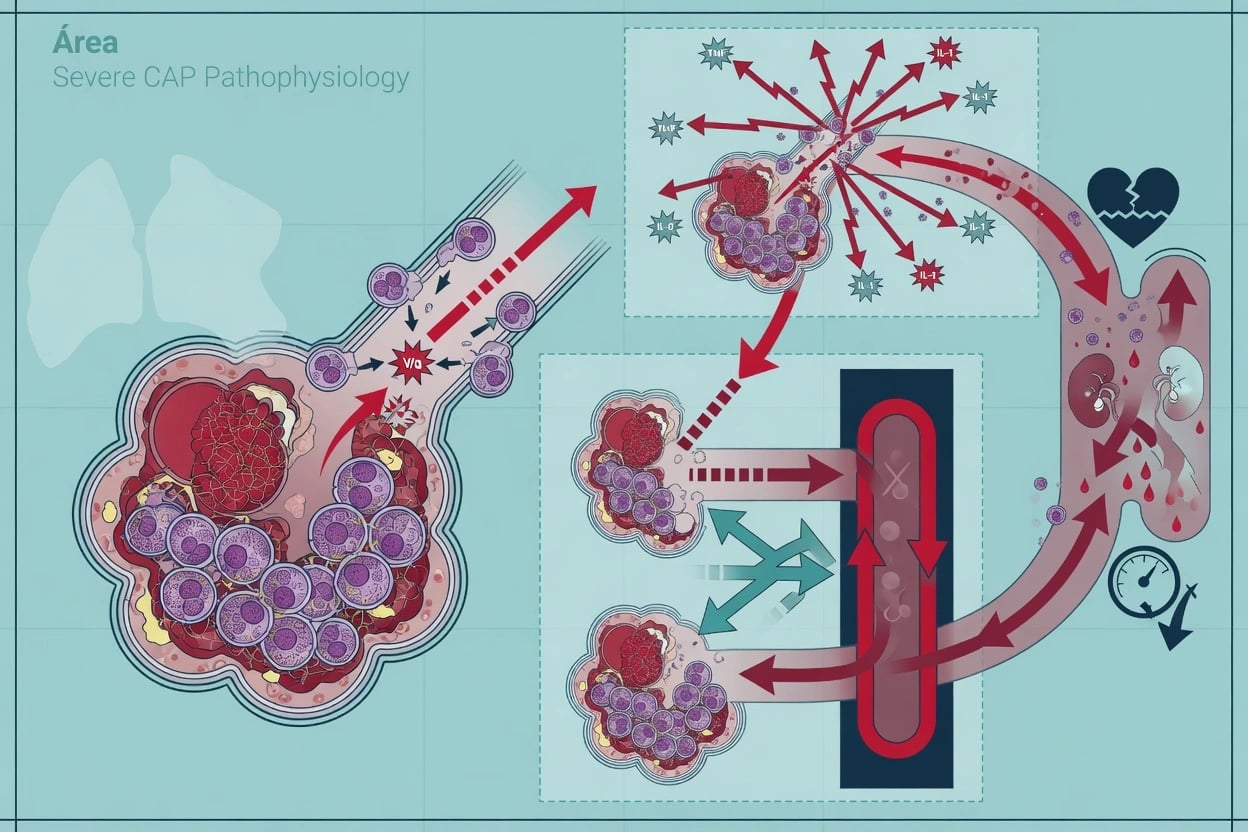
— why pregnancy transforms CAP into a critical illness [1]
Three converging mechanisms make CAP in pregnancy fundamentally different from CAP in a non-pregnant adult. The fellowship candidate must be able to articulate each, because every management decision (oxygen target, position, drug choice, delivery timing) flows from them.[2][3]
1. The immunological shift — a controlled "Th1-to-Th2" switch
Pregnancy is, immunologically, a semi-allogeneic graft (the fetus). To tolerate paternal antigens, the maternal immune system tilts away from cell-mediated (Th1) immunity and toward humoral (Th2) immunity. The consequence for infection is a relative state of cell-mediated immunosuppression: T-cell/macrophage defences against intracellular organisms are blunted. This is why pregnant women are preferentially susceptible to, and more severely affected by, viruses (influenza, varicella, CMV, measles, SARS-CoV-2), intracellular bacteria (Legionella, Mycoplasma, Listeria, Salmonella), fungi (Coccidioides, Pneumocystis jirovecii), and parasites (malaria, toxoplasma).[2][3] Neutrophil function is also mildly impaired and there is a physiological leucocytosis that can mask infection. This is the mechanism, not "immunosuppression" in the transplant sense — but it is enough to convert a survivable viral pneumonia into a lethal one.
2. The respiratory physiological vulnerability — a desaturation time-bomb
By the third trimester the gravid uterus elevates the diaphragm (especially when supine) and functional residual capacity (FRC) falls by ~18-25%, mostly at the expense of expiratory reserve volume, while closing capacity is unchanged — so airway closure occurs during tidal breathing in the supine pregnant patient.[2][3] At the same time oxygen consumption rises 20-30% (fetoplacental unit + increased cardiac/respiratory muscle work) and carbon dioxide production rises proportionally. The FRC is the body's oxygen reservoir; shrinking it while demand rises means the pregnant patient desaturates within seconds of apnoea — far faster than a non-pregnant adult. This single fact dictates the entire airway strategy: meticulous pre-oxygenation, prepared for rapid desaturation, and a low threshold to intubate early before exhaustion.
3. The cardiovascular physiological vulnerability — no reserve, and a fragile preload
Cardiac output rises 30-50% by the late second trimester (to ~6-7 L/min) and heart rate, stroke volume, and blood volume are all near their ceilings — there is little capacity to augment output further when sepsis or hypoxia strikes. Worse, from ~20 weeks the gravid uterus mechanically compresses the inferior vena cava and aorta in the supine position, collapsing venous return and preload (aortocaval compression syndrome): cardiac output can fall 10-30% simply from lying flat, and placental perfusion — entirely dependent on maternal MAP — collapses with it.[2] Combined with a now-favourable infections, the supine septic pregnant patient is in a physiological trap: reduced reserve, reduced preload, reduced oxygen reservoir.
The three pathophysiological mechanisms by which pregnancy worsens CAP — and the management consequence
| Mechanism | The physiology | Magnitude / timing | Direct management consequence |
|---|---|---|---|
| Cell-mediated immunosuppression | Th1-to-Th2 shift to tolerate the fetal allograft; blunted T-cell/macrophage defence | From early 2nd trimester; maximal 3rd | Suspect & cover viral/intracellular pathogens (send influenza/COVID PCR; add oseltamivir); vaccinate |
| Reduced FRC (oxygen reservoir) | Diaphragm elevated by gravid uterus; expiratory reserve <FRC; closing volume within tidal range | FRC −18 to −25% by term (worse supine) | Pre-oxygenate 3-5 min; intubate early before exhaustion; SpO2 target >95% |
| Increased O2 demand | Fetoplacental unit + ↑cardiac + ↑resp muscle work | VO2 +20 to −30%; VCO2 proportional | Higher minute ventilation needed to clear CO2; faster desaturation; aggressive O2 |
| Cardiac output near-maximal | CO +30-50%, HR/stroke/volume all peaked | Little reserve to augment in shock | Aggressive resuscitation; vasopressors early; watch for pre-existing cardiac disease (PPCM) |
| Aortocaval compression | Gravid uterus compresses IVC + aorta when supine | From ~20 weeks; maximal term | LEFT lateral tilt 15-30° or manual uterine displacement for ALL resus/ventilation/intubation/transfer |
| Aspiration risk | Relaxed lower oesophageal sphincter (progesterone) + delayed gastric emptying + full stomach + raised intra-abdominal pressure | Throughout, worst in labour | Treat as full stomach — rapid sequence intubation; consider H2-blocker/sodium citrate |
| Placental oxygen dependence | Fetal O2 supply is diffusion-limited across placenta — entirely dependent on maternal PaO2 | Throughout | Maternal hypoxaemia = fetal hypoxia within minutes — maintain maternal PaO2 >70 mmHg |
Microbiology — the pregnancy-specific organism profile
The spectrum of CAP pathogens in pregnancy mirrors the non-pregnant population, but with two critical modifications: (1) the viral and atypical pathogens are over-represented and far more severe because of cell-mediated immunosuppression; and (2) aspiration (related to the relaxed lower oesophageal sphincter and delayed gastric emptying of pregnancy, and to seizure/eclampsia) is a disproportionate contributor in the peripartum period.[2][3]
CAP pathogens in pregnancy — frequency, pregnancy relevance, and drug of choice
| Organism | Frequency / role | Pregnancy relevance | Drug of choice in pregnancy |
|---|---|---|---|
| Streptococcus pneumoniae | #1 overall (~two-thirds of bacterial CAP; commonest bacteraemic pathogen) | No change in incidence, but septic shock + ARDS less tolerated | Ceftriaxone (or benzylpenicillin) — both safe |
| Haemophilus influenzae | Common, esp. in COPD/smokers | Worse in smokers; consider underlying lung disease | Ceftriaxone; doxycycline AVOID — use azithromycin |
| Mycoplasma pneumoniae (atypical) | Common in young women | Mild usually; can precipitate asthma/asthma-like illness | Azithromycin (macrolide — safe) |
| Legionella pneumophila | Less common, severe | Susceptible due to cell-mediated suppression; high mortality | Azithromycin (or clarithromycin); FQ avoid |
| Chlamydia pneumoniae | Atypical | As per non-pregnant | Azithromycin |
| Influenza A/B (esp. H1N1) | Seasonal + pandemic — a major cause of viral CAP needing ICU | 7x higher mortality; 3rd trimester deadliest; post-viral S. aureus superinfection common | Oseltamivir EARLY + beta-lactam + cover S. aureus (flucloxacillin/vancomycin) |
| Varicella-zoster (VZV) | Rare but classic exam killer | 10-25x higher mortality; pneumonia in ~10-14% of maternal chickenpox (vs ~1-2% non-pregnant adults) | IV aciclovir immediately (10 mg/kg tds); isolate (airborne) |
| SARS-CoV-2 (COVID-19) | Now a leading viral CAP | Higher ICU/MV risk in 3rd trimester; high VTE risk; dexamethasone if O2 | Dexamethasone (fetal-safe) + remdesivir if early; LMWH prophylaxis |
| Pneumocystis jirovecii (PJP) | Rare unless HIV/immunosuppressed | Cell-mediated suppression worsens it; suspect if hypoxic + HIV | Trimethoprim-sulfamethoxazole (folate antagonist 1st trimester — weigh risk/benefit; add folate) |
| Coccidioides immitis (valley fever) | Endemic SW USA/Mexico/ANZ-outback | Pregnancy is a major risk factor for disseminated disease | Amphotericin B (liposomal); azoles are teratogenic 1st trimester |
| Aspiration flora | Peripartum, post-seizure, emergency anaesthesia | Relaxed LOS + full stomach + ↑intra-abdominal pressure | Ceftriaxone + metronidazole (or piperacillin-tazobactam); clindamycin alt |
| Staphylococcus aureus (post-influenza) | Necrotising, rapidly fatal | Follows influenza; cavitation, bacteraemia, endocarditis | Flucloxacillin (MSSA) / vancomycin (MRSA); add if post-viral |
Why the three viral pneumonias are disproportionately lethal in pregnancy — the exam viva
| Virus | Non-pregnant severity | Pregnancy severity | Magnitude | The specific action |
|---|---|---|---|---|
| Influenza (H1N1) | Usually self-limiting; <0.1% mortality | Severe viral pneumonia + ARDS; leading indirect cause of maternal death in pandemics | ~7x higher mortality; 3rd trimester worst; ~5% of all H1N1 deaths were pregnant women despite ~1% of population | Vaccinate ALL pregnant women; give oseltamivir within 48h (within 2d of symptom onset cut ICU admission 6-fold per Siston) |
| Varicella (VZV) | Pneumonia in ~1-2% of adults; low mortality | Pneumonia in ~10-14% of maternal chickenpox; mortality historically 35-45% (now ~3-14% with aciclovir) | 10-25x higher mortality | IV aciclovir 10 mg/kg tds for 7 d the moment varicella pneumonia is suspected; isolate (airborne); counsel re congenital varicella (low absolute risk) |
| SARS-CoV-2 | ~2-5% of infected adults hospitalised | Higher ICU/MV risk in 3rd trimester; ~2x pre-eclampsia; high VTE; vertical transmission rare | ~2-3x higher ICU admission vs non-pregnant | Dexamethasone (fetal-safe) if O2; remdesivir if early; therapeutic LMWH; deliver if worsening (maternal benefit) |
Risk stratification — why standard CAP scores fail in pregnancy
A recurrent fellowship trap is applying CURB-65, PSI, or IDSA-ATS minor criteria to a pregnant woman as if she were a 65-year-old smoker. The scores were never validated in pregnancy, they omit the two most important variables (oxygenation reserve and fetal viability), and CURB-65/PSI are weighted by age — so a 28-year-old in the third trimester with bacteraemic pneumococcal CAP, RR 30, SpO2 88% will score CURB-65 of 1 ("discharge") yet be in real trouble.[2][3] The correct posture is a lowered threshold for escalation: any pregnant CAP patient with RR >25, SpO2 <95% on room air, any organ dysfunction, coexisting asthma/anaemia/immunosuppression, or a viral/atypical pathogen should be admitted to HDU/ICU rather than the ward.
CAP severity scores in pregnancy — what works, what fails
| Score | Validated in pregnancy? | What it captures | Pregnancy-specific failure mode | Use in pregnancy |
|---|---|---|---|---|
| CURB-65 | NO | Confusion, Urea, RR, BP, age ≥65 | Age-weighted → underestimates severity in young women; omits SpO2 | Clinical over-ride: admit/escalate at a LOWER score than non-pregnant |
| PSI (PORT) | NO | Demographics + comorbidity + exam + labs + imaging | Even more age-weighted; complex; underestimates in pregnancy | Do not rely on it; use as a ceiling, not a floor |
| IDSA-ATS minor criteria | PARTIALLY | Includes PaO2/FiO2, RR, multilobar, etc. | Better (captures oxygenation) but still not pregnancy-specific | Reasonable, but apply a lower threshold + add fetal viability |
| MEOWS / MEOWS-PE | YES (obstetric) | HR, BP, RR, SpO2, temp, neuro, lochia, fetal heart | Designed for obstetric deterioration; does not predict CAP microbiology | Use MEOWS as the bedside trigger in the obstetric ICU/maternity ward |
| Clinical judgement + SpO2 + fetal CTG | — | The non-scoreable reality | — | The gold standard: if you are worried, escalate, regardless of the score |
Management
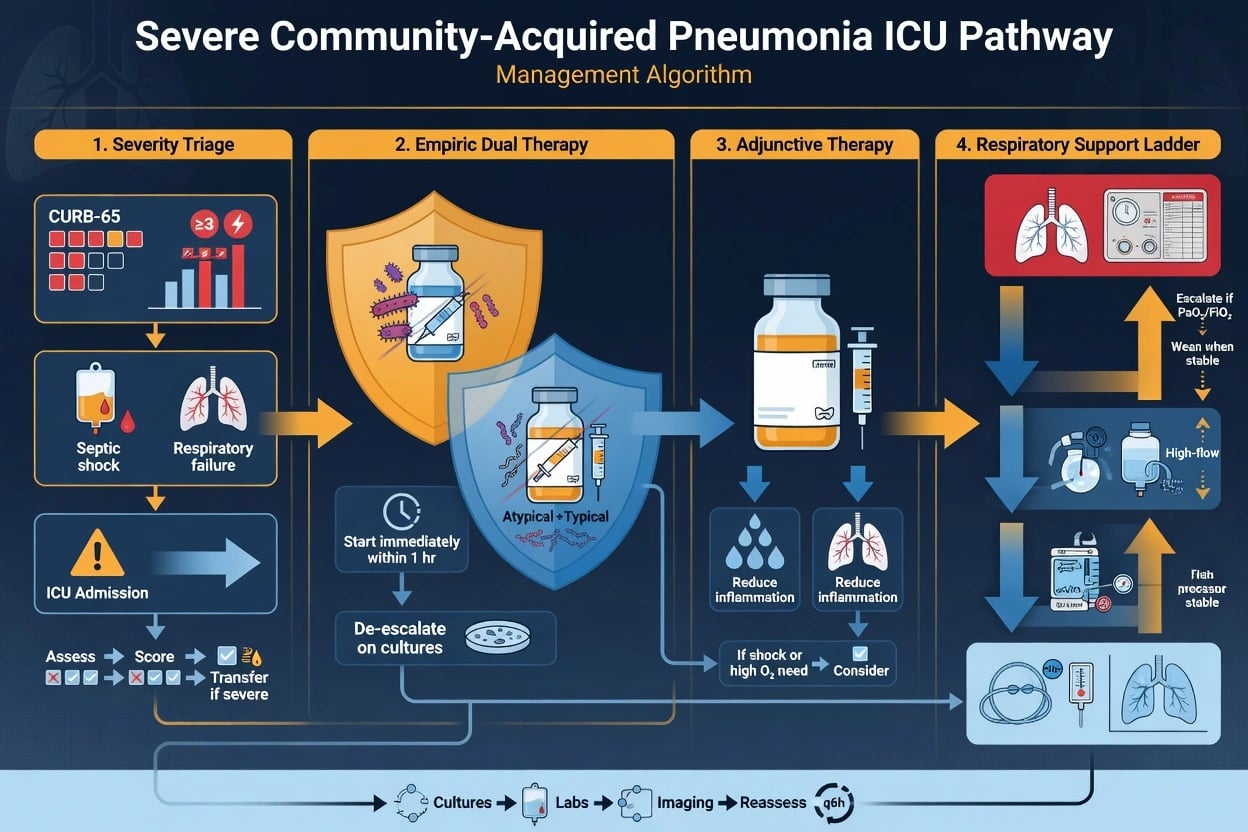
considerations [1]
CAP management in pregnancy
Lower threshold for ICU admission
Pregnant CAP patients should be admitted to ICU at a LOWER threshold than non-pregnant. Physiological changes (reduced FRC, increased O2 consumption, immunosuppression) → faster deterioration, less reserve. Any pregnant CAP patient with: RR >25, SpO2 <95% on room air, CURB-65 >=2, or ANY organ dysfunction → ICU/HDU admission.
Oxygen target: SpO2 >95%
Higher oxygen target than non-pregnant (92-96%). Rationale: fetal oxygenation is entirely dependent on maternal PaO2 (placental transfer is diffusion-limited). Maternal hypoxaemia rapidly causes fetal hypoxia → distress, loss. Maintain SpO2 >95% (PaO2 >70 mmHg). Use high-flow oxygen if needed. Do NOT restrict oxygen.
Position: left lateral tilt
In second and third trimester: gravid uterus compresses IVC and aorta when supine → reduced venous return → reduced cardiac output → hypotension → reduced placental perfusion. ALWAYS position pregnant patient in LEFT LATERAL tilt (15-30 degrees) or use manual uterine displacement (shift uterus to the left). This is CRITICAL for any pregnant ICU patient.
Antibiotic selection
Choose MG-SAFE antibiotics: Ceftriaxone (safe — first-line). Azithromycin (safe — covers atypicals). Avoid: tetracyclines (tooth discolouration, bone effects), fluoroquinolones (cartilage effects — avoid if possible), aminoglycosides (fetal ototoxicity — avoid if possible, use only if no alternative). If MRSA: vancomycin (safe). Duration: standard (5-7 days).
Fetal monitoring
Continuous CTG (cardiotocography) if >24 weeks gestation. Consult obstetrics. Monitor for: fetal distress (decelerations, reduced variability), preterm labour (contractions, cervical change). If maternal condition severe: consider early delivery (cervical ripening + induction or caesarean section) — delivery improves maternal condition (increases FRC, reduces O2 consumption, improves ventilation). Timing: multidisciplinary decision (ICU + obstetrics + neonatology).
Airway and intubation in the pregnant CAP patient — the obstetric difficult-airway bundle
Anticipate a difficult airway
Pregnancy = oedematous airway (mucosal engorgement, friability), large breasts, full stomach, rapid desaturation. FAILED INTUBATION is ~8x more common in the obstetric population. Have a senior airway operator, videolaryngoscope, and a named rescue plan (supraglottic airway → front-of-neck airway) BEFORE the first laryngoscopy.
Position: ramped + head-up + left tilt
Position for intubation: RAMPED (ear aligned with sternum), HEAD-UP 25-30° (reduces aspiration, improves pre-oxygenation), with LEFT LATERAL TILT or manual uterine displacement maintained throughout (do NOT lay her flat to intubate — aortocaval compression persists).
Pre-oxygenate aggressively — 3 minutes of 100% O2
Reduced FRC + increased O2 demand → desaturation within 60-90 s of apnoea. Pre-oxygenate with 100% O2 for 3-5 min (or 8 vital-capacity breaths). Do NOT rely on a single 30-s mask — the pregnant patient has no reservoir. Apply nasal cannulae at 15 L/min during the attempt for apnoeic oxygenation.
Rapid sequence induction (full stomach)
Treat as a FULL STOMACH: pre-oxygenate → pre-calculated drugs → 30 s of cricoid pressure (debated but standard) → cuffed ETT. Drugs (all safe): propofol or thiopentone + suxamethonium (or rocuronium 1.2 mg/kg if sugammadex available). Have a smaller ETT (6.0-6.5 mm) ready for the oedematous airway. Consider sodium citrate / H2-blocker if time.
Lung-protective ventilation
Once intubated: lung-protective ventilation (VT 6 mL/kg PBW, plateau <30 cmH2O, permissive hypercapnia tolerable to pH 7.20-7.25 BUT fetal oxyhaemoglobin is pH-sensitive — keep maternal pH >7.30 if possible). Apply PEEP cautiously (5-10 start; titrate); watch for aortocaval compression even when ventilated. Continue left lateral tilt. Target SpO2 >95%, PaO2 >70 mmHg. Maintain left tilt during transfer and prone positioning if used.
Drug safety in pregnancy — the SAFE/CAUTION/AVOID framework
The cardinal rule: the fetus is a passenger, not the patient — treat the mother aggressively with the drugs she needs, choosing pregnancy-safe alternatives where they exist, but never withholding a life-saving drug (e.g. oseltamivir, aciclovir, vancomycin, meropenem) out of unfounded teratogenic anxiety. Most antibiotics are safe in pregnancy; only a handful are genuinely contraindicated.[2][3]
Antibiotic and antiviral safety in pregnancy — SAFE / CAUTION / AVOID
| Drug / class | Status in pregnancy | Rationale | Use in CAP |
|---|---|---|---|
| Penicillins (benzylpenicillin, ampicillin, amoxicillin, piperacillin-tazobactam) | SAFE | Extensive safe-use data; no teratogenicity; crosses placenta but fetal levels subtherapeutic | First-line for pneumococcus; piptazo for broad/aspiration |
| Cephalosporins (ceftriaxone, cefuroxime, cefepime) | SAFE | Widely used; ceftriaxone first-line CAP drug; safe in all trimesters | Ceftriaxone = backbone of CAP in pregnancy |
| Macrolides (azithromycin, clarithromycin, erythromycin) | SAFE | Azithromycin preferred (best safety data); covers atypicals (Mycoplasma, Legionella, Chlamydia) | Partner drug to ceftriaxone in CAP |
| Vancomycin, linezolid | SAFE | Poor placental transfer; no teratogenicity. Linezolid: thrombocytopenia/serotonin syndrome if prolonged/serotonergic | MRSA cover; post-influenza S. aureus |
| Carbapenems (meropenem, imipenem) | SAFE (considered) | Reserve for ESBL/severe; seizure risk (imipenem) at high dose | Severe/healthcare-associated; ESBL |
| Clindamycin, metronidazole | SAFE | Single dose metronidazole historically avoided 1st trimester but not contraindicated for treatment courses | Aspiration; anaerobic cover |
| Oseltamivir (neuraminidase inhibitor) | SAFE | Large safety database; no excess birth defects/miscarriage; transplacental transfer minimal | Influenza — give EARLY (within 48h); never withhold |
| Aciclovir (IV) | SAFE | Decades of use in pregnancy (HSV, VZV); no excess malformations in registries | Varicella pneumonia — give immediately |
| Dexamethasone / hydrocortisone | SAFE (short course) | Betamethasone/dexamethasone cross placenta (used for fetal lung maturation); no teratogenicity | COVID with O2; severe CAP refractory shock (hydrocortisone) |
| Tetracyclines (doxycycline, tetracycline, tigecycline) | AVOID | Chelate calcium → tooth discolouration + enamel hypoplasia; bone growth inhibition | Do NOT use — substitute macrolide for atypicals |
| Fluoroquinolones (ciprofloxacin, levofloxacin, moxifloxacin) | AVOID (generally) | Cartilage damage in animal studies; arthropathy concern; aortic dissection association | Avoid in CAP; substitute macrolide |
| Aminoglycosides (gentamicin, tobramycin, amikacin) | AVOID if possible | Fetal VIIIth-nerve ototoxicity (irreversible deafness); nephrotoxicity | Use only if no alternative; single daily dose + TDM if unavoidable |
| Trimethoprim (alone or in co-trimoxazole) | AVOID 1st trimester | Folate antagonist → neural-tube defects 1st trimester; theoretical kernicterus near term | PJP only; add folate; 2nd/3rd trimester acceptable |
| Sulfonamides (co-trimoxazole component) | CAUTION near term | Theoretical bilirubin displacement → kernicterus; haemolysis G6PD | PJP: weigh risk/benefit; folate |
| Nitrofurantoin | SAFE (avoid near term / G6PD) | Avoid at term (haemolysis G6PD) | Not used for CAP (UTI only) |
Empiric antibiotic regimens for CAP in pregnancy — by severity
| Setting | Regimen (pregnancy-safe) | Covers | Add if… |
|---|---|---|---|
| Ward CAP (mild) | Oral amoxicillin + azithromycin (or clarithromycin) | Pneumococcus, H. influenzae, atypicals | Influenza season → add oseltamivir until PCR negative |
| Severe CAP / ICU (no MRSA risk) | Ceftriaxone 2 g IV OD + azithromycin 500 mg IV OD | Pneumococcus, H. influenzae, atypicals, Legionella | Post-influenza → add flucloxacillin (MSSA) or vancomycin (MRSA) |
| Severe CAP + MRSA risk (post-influenza, IVDU, healthcare, known colonisation, cavitating/necrotising) | Ceftriaxone + azithromycin + vancomycin (or linezolid) | Above + MRSA / post-viral S. aureus | Stop vanco/linezolid if cultures negative 48-72h (stewardship) |
| Aspiration / peripartum | Ceftriaxone + metronidazole (or piperacillin-tazobactam alone) | Oropharyngeal flora incl. anaerobes | Add anaerobic cover if lung abscess/empyema |
| Suspected/confirmed influenza | Standard bacterial cover + oseltamivir 75 mg BD (treat within 48h; do not wait for PCR) | Influenza A/B + secondary bacteria | Dose-adjust oseltamivir if renal; continue 5 d (longer if immunocompromised) |
| Varicella pneumonia | IV aciclovir 10 mg/kg tds (7 d) + isolate (airborne); add ceftriaxone if bacterial co-infection | VZV | ICU if SpO2 <95% or multilobar — high mortality |
| Pneumocystis (HIV/immunosuppressed) | Co-trimoxazole (add folate; acceptable 2nd/3rd trimester) + steroids if hypoxic | PJP | Steroid (prednisolone) if PaO2 <70 mmHg |
Influenza pneumonia in pregnancy — the killer viral CAP
Influenza is the prototypical pregnancy-amplified pneumonia and the most examinable viral CAP. The mechanism of its lethality is the convergence of cell-mediated immunosuppression (influenza is an intracellular virus) with the already-reduced respiratory reserve of the third trimester. During the 2009 H1N1 pandemic, pregnant women accounted for ~5% of all influenza deaths while representing ~1% of the population; the third trimester carried by far the highest mortality, and delayed antiviral therapy (>4 days from symptom onset) increased ICU admission 6-fold compared with treatment within 2 days.[4][5]
The two non-negotiable policy consequences are: (1) universal influenza vaccination of ALL pregnant women, in any trimester (inactivated vaccine — safe; the live intranasal vaccine is contraindicated); and (2) empiric oseltamivir for any pregnant woman with influenza-like illness during flu season, started within 48h and not delayed pending PCR.[4][6][1] Post-influenza Staphylococcus aureus pneumonia (often MRSA, necrotising, with cavitation) is a feared complication — add staphylococcal cover empirically during flu season.
Antiviral agents for influenza in pregnancy — what to use
| Agent | Pregnancy status | Dose | When to give | Notes |
|---|---|---|---|---|
| Oseltamivir (oral) | SAFE — PREFERRED | 75 mg PO BD × 5 d (treatment); 75 mg OD (prophylaxis) | Within 48h of symptom onset (max benefit); do NOT wait for PCR | Large safety database (Donner 2010); minimal transplacental transfer; reduce dose if eGFR <60 |
| Zanamivir (inhaled) | SAFE (alternative) | 10 mg (2 inhalations) BD × 5 d | Same; preferred if oseltamivir-resistant or severe renal disease | Inhaled → low systemic levels; can trigger bronchospasm in asthma — avoid in ventilated/severe |
| Baloxavir | CAUTION (limited data) | Single dose weight-based | Not first-line in pregnancy (limited human data; animal concerns) | Avoid in pregnancy until more data |
| Peramivir (IV) | Limited data | Single IV infusion | Reserve for critical illness where enteral not feasible | Only neuraminidase inhibitor available IV in some regions |
Siston et al, JAMA 2010 — Pandemic 2009 H1N1 in pregnant women in the USA (PMID 20407061)
Design
National surveillance cohort — 788 (later updated to 953) pregnant women with 2009 H1N1 reported to the CDC, April–December 2009
Key findings
30 deaths in the initial cohort (5% of all reported H1N1 deaths); 22.6% of hospitalised pregnant women needed ICU. Updated: 280 ICU admissions, 56 deaths. Third trimester = 64% of deaths.
Antiviral timing
Treatment >4 days after symptom onset: ICU admission 56.9% vs 9.4% if treated within 2 days (RR 6.0, 95% CI 3.5–10.6). Only 1 death occurred in a woman treated within 2 days.
Bottom line
Pregnant women are disproportionately killed by H1N1; the third trimester is deadliest; and EARLY oseltamivir (within 48h) cuts ICU admission sixfold. Foundations of the universal-vaccination and empiric-antiviral policy.
Jamieson et al, Lancet 2009 — H1N1 in pregnancy in the USA (the early sentinel report, PMID 19643469)
Design
CDC enhanced surveillance of the first 34 confirmed/probable H1N1 cases in pregnant women, April–May 2009
Key finding
11/34 (32%) were admitted to hospital — a rate ~4x higher than the general population. All 6 deaths reported in the first 2 months developed pneumonia + ARDS requiring ventilation.
Significance
The earliest signal that pregnancy was a major risk factor for severe pandemic influenza — triggered the global CDC/WHO recommendation to treat pregnant women with influenza promptly with antivirals and to prioritise vaccination.
Donner et al, Drug Safety 2010 — Safety of oseltamivir in pregnancy (PMID 20635821)
Design
Roche safety database review (232 maternal oseltamivir exposures, outcomes known in 115) + published literature including 79 first-trimester exposures
Key findings
Spontaneous abortion 6.1%, therapeutic abortion 11.3%, preterm 2.1% — all at or below background rates. No excess birth defects attributable to oseltamivir; ex-vivo placenta model shows minimal transplacental transfer at therapeutic doses.
Bottom line
Oseltamivir is SAFE in pregnancy and should NOT be withheld — the risk of untreated influenza (maternal ARDS, fetal loss) far exceeds any theoretical drug risk. Give empirically during flu season; do not wait for PCR confirmation.
Varicella pneumonia in pregnancy — the classic exam killer
Primary varicella (chickenpox) complicates ~2-3 per 1000 pregnancies. While the rash is usually benign, pneumonia develops in ~10-14% of pregnant women with primary varicella (vs ~1-2% of non-pregnant adults) and carries a mortality 10-25x higher than in non-pregnant adults — historically 35-45%, now ~3-14% with prompt IV aciclovir and ICU support.[3][1] The mechanism is the same cell-mediated immunosuppression that amplifies influenza. Smokers and those with >100 skin lesions are at highest risk of pneumonitis.
The management is IV aciclovir 10 mg/kg tds for 7 days, started the moment varicella pneumonia is suspected (clinical: typical vesicular rash + fever + cough + hypoxia + diffuse nodular/infiltrative CXR). Isolate the patient (airborne + contact precautions — varicella is highly contagious and catastrophic for other pregnant/immmunosuppressed patients). Escalate to ICU early. Counsel, but do not delay treatment for, the fetal risks: congenital varicella syndrome (limb hypoplasia, cutaneous scarring, eye/cortical abnormalities) is rare (~0.4-2% if maternal primary infection in 1st/2nd trimester), and severe neonatal varicella if maternal rash onset is 5 days before to 2 days after delivery.[1]
Varicella pneumonia in pregnancy — recognition and management
| Domain | Detail |
|---|---|
| Incidence | Primary varicella in ~2-3 / 1000 pregnancies; pneumonia in ~10-14% of those (vs ~1-2% non-pregnant) |
| Mortality | Historically 35-45%; now ~3-14% with IV aciclovir + ICU. 10-25x higher than non-pregnant. |
| Highest risk | Smoker; >100 skin lesions; 3rd trimester; immunosuppression |
| Clinical | Typical vesicular rash (crops) + fever + dry cough + dyspnoea + hypoxia; CXR diffuse nodular/reticulonodular infiltrates |
| Treatment | IV aciclovir 10 mg/kg tds × 7 d — start immediately (do not await PCR); isolate (airborne + contact); ICU for hypoxia/multilobar |
| Fetal risk | Congenital varicella syndrome ~0.4-2% (limb hypoplasia, scarring, eye/CNS) if primary maternal infection 1st-2nd trimester; severe neonatal varicella if rash 5 d before → 2 d after delivery (give neonate VZIG + aciclovir) |
| Prevention | Check varicella IgG antenatally in non-immune women; vaccinate (live vaccine) BEFORE pregnancy or postpartum; post-exposure VZIG within 10 d for non-immune pregnant contacts |
Delivery decisions in the ventilated pregnant CAP patient
One of the most consequential decisions in maternal critical care is whether and when to deliver a pregnant woman in respiratory failure. The principle is clear: delivery is for the MOTHER, not the fetus, when the maternal condition is deteriorating — emptying the uterus increases FRC (the diaphragm can descend), reduces oxygen consumption by up to 20-30% (removing the fetoplacental metabolic demand), reduces aortocaval compression, and dramatically improves ventilation. In severe maternal respiratory failure (especially ARDS), delivery can be the single most effective "treatment".[2]
The decision is multidisciplinary (ICU + obstetrics + neonatology + anaesthetics) and balances: (1) maternal benefit from delivery vs the risk of delivery (surgery/anaesthesia/bleeding) in a critically ill patient; (2) fetal gestational age and viability; (3) fetal condition on CTG. There is no fixed gestational age or oxygen threshold — but a useful rule is: if the mother is failing maximal therapy (refractory hypoxaemia, rising ventilator pressures, escalating vasopressors) and the fetus is viable (generally ≥24 weeks), deliver.[2]
Delivery decision matrix — when to deliver in maternal CAP/respiratory failure
| Scenario | Deliver? | Mode / timing | Rationale |
|---|---|---|---|
| Maternal condition improving | NO (continue pregnancy) | Conservative; treat CAP | No maternal benefit to delivery; avoid prematurity |
| Maternal condition static, fetus well | NO (continue) | Monitor; usual obstetric indications | Delivery adds surgical/anaesthetic risk |
| Maternal deterioration despite maximal Rx (refractory hypoxaemia, rising Pplat, escalating vasopressors) + fetus viable (≥24 wk) | YES | Caesarean (if urgent) or induction (if time permits) — multidisciplinary | Delivery ↑FRC, ↓O2 demand, removes aortocaval compression — can be the single best intervention |
| Fetal distress on CTG (persistent decelerations, absent variability) | YES (if viable) | Per obstetric indication | Fetal salvage; usually via caesarean |
| Maternal cardiac arrest | YES — perimortem caesarean | At 4 minutes into resuscitation if ≥20 weeks (fundus at umbilicus) | Improves maternal venous return (relieves aortocaval compression) + saves fetus; "dual purpose" |
| Extreme prematurity (<24 wk) | Usually NO | Conservative; treat mother; aim to gain gestational time | Fetal non-viability; delivery offers no maternal benefit if uterus small |
Fetal monitoring throughout
Every pregnant CAP patient ≥20-24 weeks requires continuous fetal monitoring (cardiotocography, CTG) as part of routine ICU care, in conjunction with an obstetric team. Fetal oxygenation is entirely dependent on maternal PaO2 — maternal hypoxaemia, hypotension, acidosis, and the drugs of critical care (vasopressors, sedatives, magnesium) all reach and affect the fetus. The CTG is a real-time window on placental perfusion.[2]
Fetal monitoring and the CTG in the maternal ICU patient
| Parameter | Normal | Concerning (act) | What it means / action |
|---|---|---|---|
| Baseline FHR | 110-160 bpm | Tachycardia >160 (maternal fever/sepsis, chorioamnionitis, drugs); bradycardia <110 (hypoxia, magnesium) | Treat the maternal cause; obstetric review |
| Variability | 5-25 bpm (moderate) | Reduced (<5) / absent — fetal hypoxia/acidosis; or magnesium effect | Correlate with maternal PaO2/pH; consider delivery if persistent |
| Decelerations | None / occasional | Recurrent variable or late decelerations — cord compression / uteroplacental insufficiency | Reposition, treat hypotension, oxytocin off, obstetric review; deliver if persistent |
| Sinusoidal pattern | Absent | True sinusoidal — severe fetal anaemia/hypoxia | Obstetric emergency; deliver if viable |
| Gestational age threshold | — | Monitor from viability (~23-24 wk); earlier = ultrasound only | Below ~23-24 wk, CTG not actionable |
Mechanical ventilation in the pregnant CAP patient
Ventilation of the pregnant patient with severe CAP/ARDS demands the same lung-protective principles as any ARDS, with three pregnancy-specific modifications:[2]
- Maintain maternal oxygenation (SpO2 >95%, PaO2 >70 mmHg) — fetal O2 is downstream of maternal PaO2. Use higher FiO2 and PEEP than you might in a non-pregnant patient to achieve this; the old fear of "oxygen toxicity to the fetus" is unfounded — maternal hypoxia is the real danger.
- Permissive hypercapnia is tolerated but with a floor — fetal oxyhaemoglobin dissociation is pH-sensitive (maternal acidosis shifts the curve and reduces fetal O2 uptake). Keep maternal pH >7.30 if possible (i.e. do not push hypercapnia as far as in non-pregnant ARDS).
- Left lateral tilt / manual uterine displacement throughout ventilation — aortocaval compression does not disappear once intubated; the supine ventilated pregnant patient still loses preload to the gravid uterus. Prone positioning is feasible and beneficial in severe maternal ARDS (place bolsters to free the gravid abdomen); maintain left tilt during turning.
- Watch for aspiration — pregnancy is a full-stomach state; ensure cuff seal, consider early enteral feeding, head-up 30°. [1]
Exam practice
SAQ — Severe influenza CAP in the third trimester
10 minutes · 10 marks
A 30-year-old woman at 34 weeks gestation presents in mid-winter with a 3-day influenza-like illness (fever, myalgia, dry cough). She is now dyspnoeic at rest. RR 32, SpO2 88% on room air, BP 95/60, HR 128, temp 38.9 C. CXR shows bilateral multilobar infiltrates. Lactate 3.2. Influenza A PCR is pending. CTG shows baseline fetal heart rate 170 with reduced variability.
SAQ — Refractory ARDS in pregnancy and the delivery decision
10 minutes · 10 marks
A 28-year-old woman at 30 weeks gestation with confirmed influenza A pneumonia is intubated and ventilated on day 3. Despite lung-protective ventilation (VT 6 mL/kg PBW, PEEP 14, FiO2 0.9), she has PaO2 62 mmHg (P/F ratio 110), plateau pressure 32 cmH2O, and requires norepinephrine 0.4 mcg/kg/min for MAP 68. CTG shows reduced variability with recurrent late decelerations.
Clinical pearls
SAFF-MUM — the pregnancy-safe antimicrobial backbone for CAP
O-B-S-T-A-C-L-E — why pregnancy makes CAP worse (the pathophysiology mnemonic)
Red flags
Goodnight & Soper, Crit Care Med 2005 — Pneumonia in pregnancy (the classic review, PMID 16215363)
Type
Comprehensive narrative review of pneumonia in pregnancy (the foundational modern reference)
Key data
CAP is the most common form of pneumonia in pregnancy; S. pneumoniae, H. influenzae, and M. pneumoniae account for most identified bacterial organisms. Beta-lactam and macrolide antibiotics are SAFE and effective. Coexisting asthma and anaemia increase risk; neonatal effects include low birth weight and preterm birth.
Bottom line
Established the modern framework: beta-lactams + macrolides are the safe backbone; viral pneumonias (varicella, influenza) carry disproportionate maternal risk and need antivirals; prompt ICU management of respiratory failure has reduced maternal mortality.
ACOG / ACIP — Influenza vaccination in pregnancy (Committee Opinion 732)
Type
Specialty society guideline + national immunisation recommendation (American College of Obstetricians and Gynecologists; CDC Advisory Committee on Immunization Practices)
Recommendation
ALL pregnant women should receive the **inactivated influenza vaccine** in ANY trimester during flu season. The live attenuated intranasal vaccine is CONTRAINDICATED in pregnancy.
Rationale
Pregnant women are at markedly increased risk of severe influenza (Siston/Jamieson data); vaccination protects the mother AND passively immunises the neonate for the first 6 months (when the infant is too young to be vaccinated effectively).
Bottom line
Universal influenza vaccination of pregnant women is the single most effective prevention strategy for influenza CAP in pregnancy — offer at every antenatal contact during flu season.
RCOG Green-top Guideline No. 13 — Chickenpox in pregnancy (2015)
Type
UK Royal College of Obstetricians and Gynaecologists clinical guideline
Scope
Diagnosis, maternal and fetal risks, and management of primary varicella infection and pneumonia in pregnancy, including post-exposure prophylaxis
Key recommendations
Non-immune pregnant women with significant varicella exposure should receive VZIG within 10 days; confirmed maternal chickenpox — oral aciclovir if ≥20 weeks and onset within 24h; **IV aciclovir if any features of pneumonia or severe disease**, or if <20 weeks and severe. Isolate (airborne + contact). Monitor for pneumonia (the principal cause of maternal death).
Bottom line
Varicella pneumonia in pregnancy is a medical emergency — IV aciclovir + ICU early; consider the fetal risks (congenital varicella syndrome, neonatal varicella) but do not delay maternal treatment.
Exam-style integration — how the fellowship examiner expects you to answer
The CICM/FFICM/EDIC examiner will not ask for a list of facts; they will give you a scenario (e.g. "A 32-year-old woman at 32 weeks' gestation presents in mid-winter with a 3-day influenza-like illness, now RR 32, SpO2 88% on room air, bilateral infiltrates, BP 95/60, lactate 3.2") and expect a single coherent narrative that integrates physiology, microbiology, drug safety, airway, ventilation, fetal monitoring, and delivery. The framework below is the structure to deliver:[2]
- Recognise the emergency and the physiology — "This is severe CAP in a third-trimester pregnant woman. Pregnancy has reduced her FRC by ~20%, raised her O2 demand ~20-30%, suppressed her cell-mediated immunity, and her fetus is entirely dependent on her PaO2. She has minimal reserve and will deteriorate fast."
- Resuscitate in position — "Left lateral tilt / manual uterine displacement immediately. High-flow oxygen to SpO2 >95%. IV access. Bloods including lactate, blood cultures before antibiotics, flu/COVID PCR, VBG."
- Antibiotics + antivirals within the hour — "Ceftriaxone + azithromycin (both safe), PLUS empiric oseltamivir within 48h (it's flu season and her PCR is pending — don't wait). If post-influenza or cavitating, add flucloxacillin/vancomycin for staph."
- Escalate early — "HDU/ICU admission at a lower threshold than a non-pregnant patient; CURB-65/PSI under-estimate severity here."
- Airway, if needed, with the obstetric bundle — "Senior operator, videolaryngoscope, ramped + head-up + left tilt, 3-5 min pre-oxygenation, RSI, smaller ETT, named rescue plan."
- Ventilate lung-protectively with pregnancy modifications — "VT 6 mL/kg PBW, Pplat <30, PEEP titrated, SpO2 >95%, keep pH >7.30 (fetal curve is pH-sensitive), maintain left tilt, prone is feasible if needed."
- Fetal monitoring — "Continuous CTG from 24 weeks; obstetric team involved from the start."
- Delivery decision — "Multidisciplinary; if she fails maximal therapy (refractory hypoxaemia, rising pressures, escalating vasopressors) and the fetus is viable, deliver — it raises FRC, cuts O2 demand, removes aortocaval compression."
- Prevent the next one — "Influenza vaccination (this patient and future pregnancies), smoking cessation, varicella status check postpartum, VTE prophylaxis (pregnancy is prothrombotic and immobilisation in ICU adds risk)." [1]
The mark of a pass-with-distinction answer is that the examiner can hear the physiology driving every decision — the left tilt comes from aortocaval compression, the high SpO2 target from placental diffusion dependence, the oseltamivir from cell-mediated immunosuppression, and the early-delivery option from the respiratory mechanics of the gravid abdomen.[2][3]
References
- [1]Martin-Loeches I, Torres A. Severe community-acquired pneumonia Eur Respir Rev, 2022.PMID 36517046
- [2]Lim V, et al. Notum palmitoleoyl-protein carboxylesterase regulates Fas cell surface death receptor-mediated apoptosis via the Wnt signaling pathway in colon adenocarcinoma Bioengineered, 2021.PMID 34402722
- [3]Goodnight WH, Soper DE. Pneumonia in pregnancy Crit Care Med, 2005.PMID 16215363
- [4]Siston AM, Rasmussen SA, Honein MA, et al. Pandemic 2009 influenza A(H1N1) virus illness among pregnant women in the United States JAMA, 2010.PMID 20407061
- [5]Jamieson DJ, Honein MA, Rasmussen SA, et al. H1N1 2009 influenza virus infection during pregnancy in the USA Lancet, 2009.PMID 19643469
- [6]Donner B, Niranjan V, Hoffmann G. Safety of oseltamivir in pregnancy: a review of preclinical and clinical data Drug Saf, 2010.PMID 20635821