ICU · Obstetric critical care
Pre-eclampsia, Eclampsia & HELLP Syndrome
Also known as Pre-eclampsia · Eclampsia · HELLP syndrome · Magnesium sulfate · Calcium gluconate antidote · Postpartum pre-eclampsia
The hypertensive the spectrum of the pregnancy — the pre-eclampsia (the new the hypertension + the proteinuria / the end-organ after the 20 weeks), the eclampsia (+ the seizures), the HELLP (the haemolysis, the elevated the liver, the low the platelets). The abnormal the placentation → the endothelial the dysfunction. The magnesium the sulfate (the anticonvulsant; the calcium the gluconate the antidote), the BP the control (the labetalol, the hydralazine, the nifedipine), the delivery (the definitive).
On this page & tools
Your progress
Saved locally on this device.
Target exams
Overview & definition
The hypertensive the spectrum of the pregnancy: the pre-eclampsia (the new the hypertension above the 140/90 + the proteinuria / the end-organ the dysfunction after the 20 weeks), the eclampsia (+ the seizures), the HELLP (the haemolysis, the elevated the liver the enzymes, the low the platelets). The mortality the high (the cerebral the haemorrhage, the hepatic the rupture, the pulmonary the oedema, the multi-organ). The delivery the definitive.[1][1]

The pathophysiology
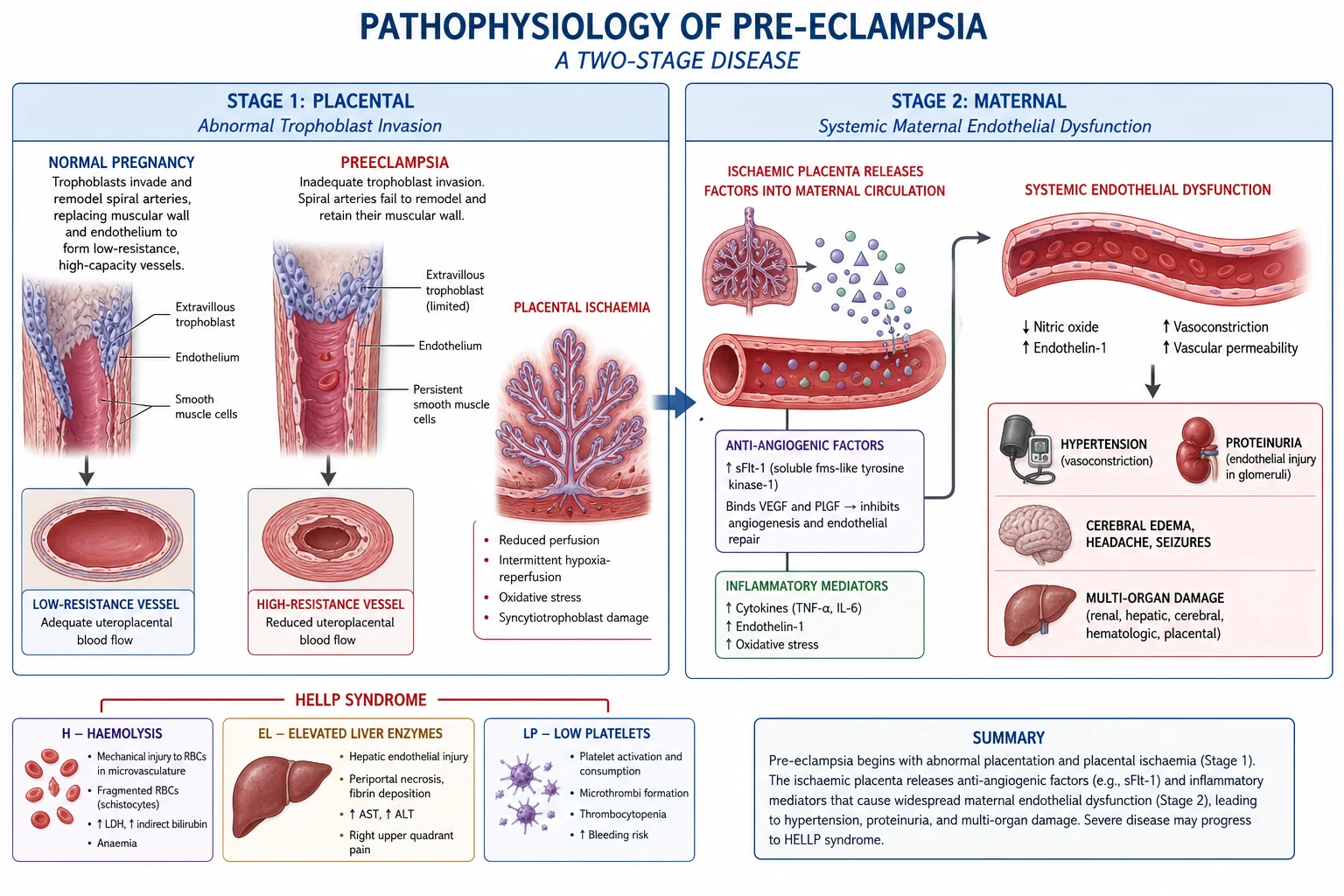
The the abnormal the placentation (the shallow the trophoblast the invasion → the inadequate the spiral the artery the remodelling) → the placental the ischaemia → the angiogenic the imbalance (the soluble the fms-like the tyrosine the kinase / the sFlt-1 the up; the placental the growth the factor / the PIGF the down) → the endothelial the dysfunction → the vasospasm, the increased the vascular the permeability, the thrombosis, the multi-organ.[1][3][1]
The clinical spectrum
The pre-eclampsia (the 20 weeks):[1][1]
- The hypertension (the 140/90 — the 2 the readings the 4 the hours; the severe the 160/110).
- The proteinuria (the 300 mg the 24 h; OR the protein-creatinine the ratio the 30; OR the dipstick the 1+).
- The end-organ: the headache, the visual the disturbance (the scotomata, the photophobia), the epigastric / the RUQ the pain, the hyperreflexia, the oliguria, the pulmonary the oedema, the thrombocytopenia, the abnormal the LFTs.
The eclampsia (the + the seizures):[2] The generalised the tonic-clonic; the may the precede the pre-eclampsia the undiagnosed. The cerebral the oedema / the haemorrhage.[2]
The HELLP: the Haemolysis (the LDH the up, the bilirubin the up, the smear), the Elevated the Liver the enzymes (the AST / the ALT the up), the Low the Platelets (the below the 100). The severe; the disseminated the intravascular the coagulation the common; the hepatic the rupture (the subcapsular the haematoma — the sudden the collapse).[3][1]
The postpartum pre-eclampsia / eclampsia: the may the develop / the worsen the after the delivery (the up to the 6 weeks); the at the high the risk the of the late the eclampsia. The monitor the postpartum.[1]
The treatment
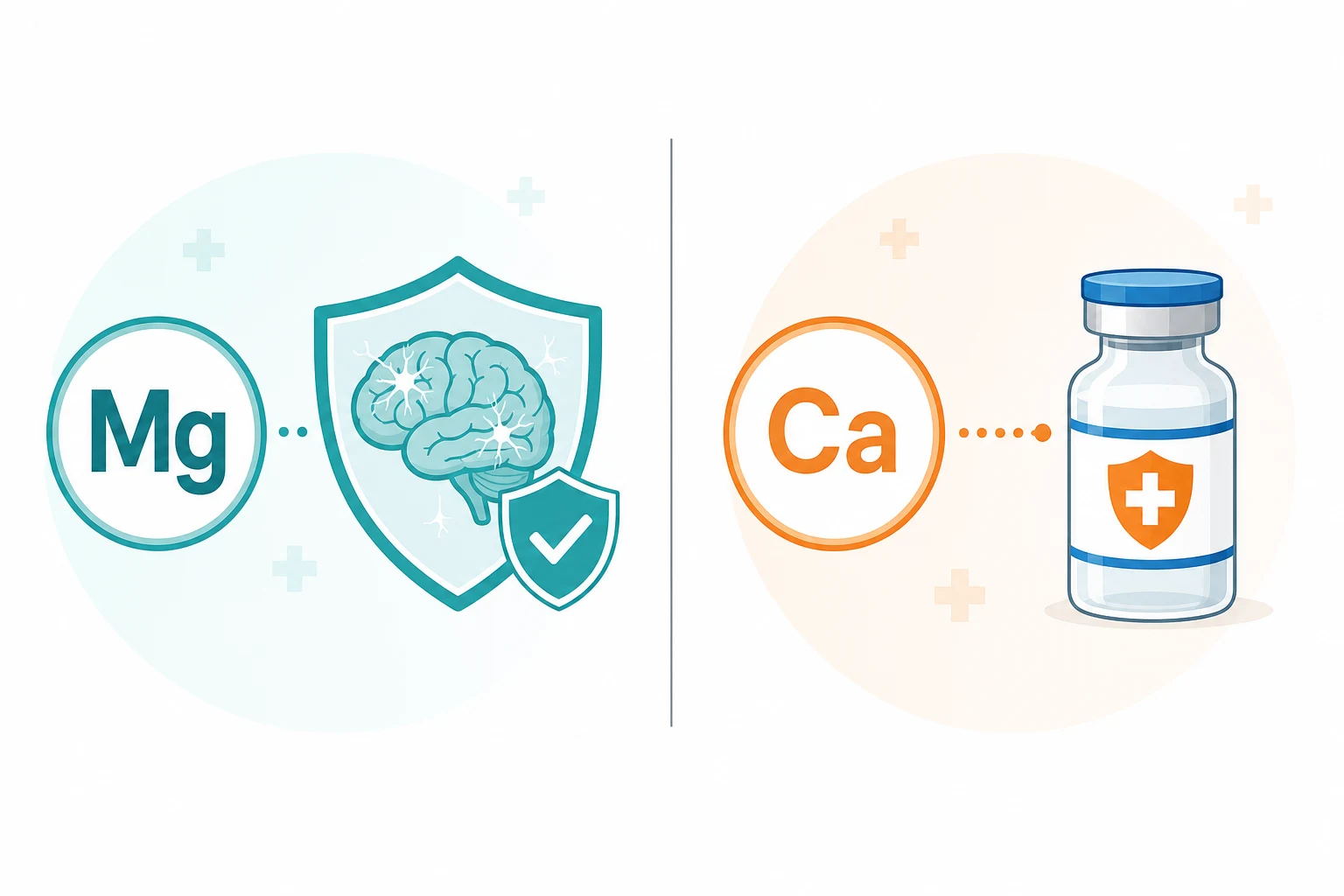
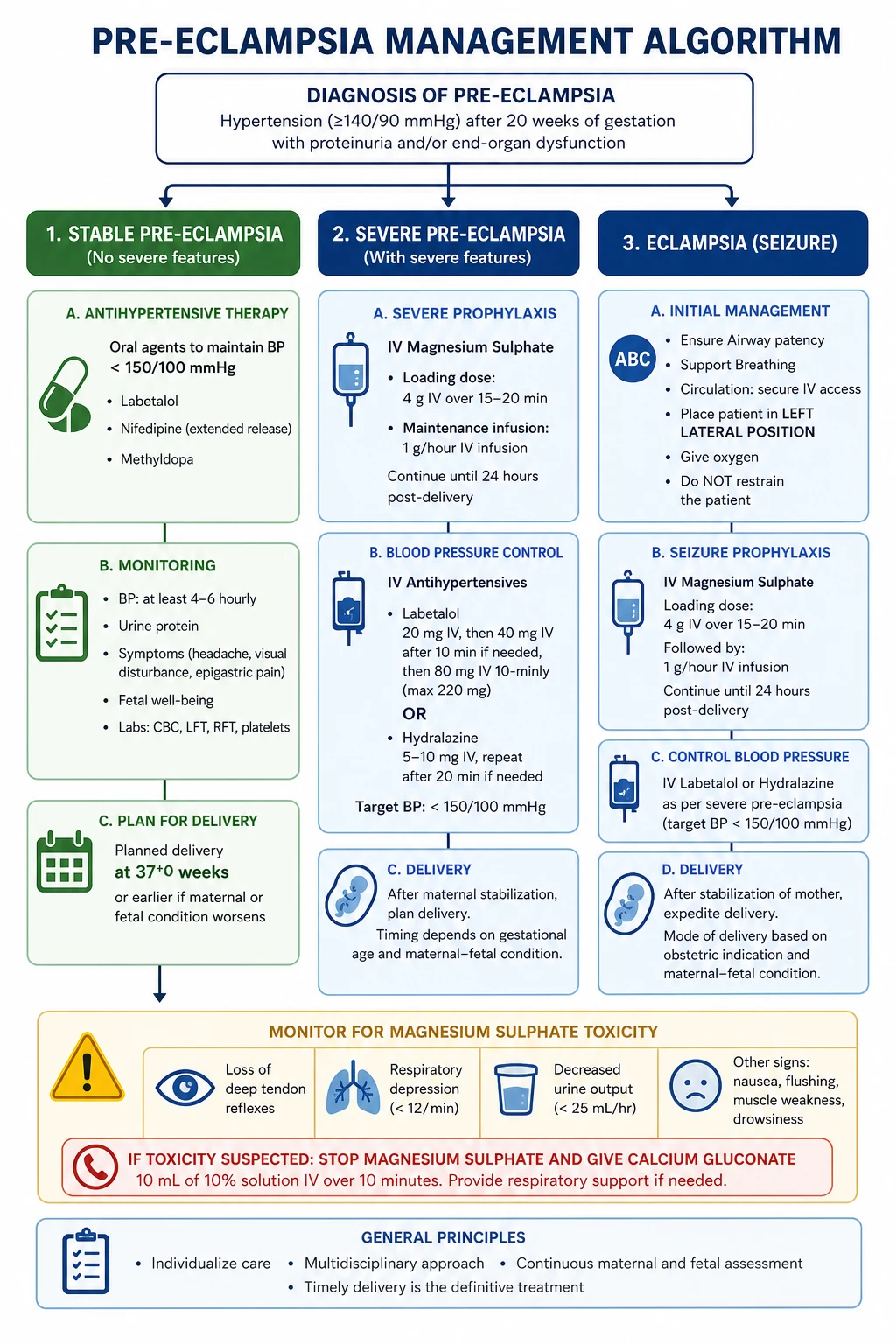
1. The magnesium the sulfate — the anticonvulsant (the prophylaxis + the treatment).[1][2][1]
- The loading the 4 to the 6 g the IV the over the 15 to the 20 min; the then the infusion the 1 to the 2 g/h (the 24 h the postpartum / the post-seizure).
- The monitor the reflexes (the loss — the toxicity the first the sign), the respiratory the rate (the depression), the urine the output, the serum the level (the therapeutic the 2 to the 4 mmol/L; the toxic the above the 5).
- The calcium the gluconate the 1 g the IV the antidote (the magnesium the toxicity — the respiratory the depression, the cardiac the arrest).[1][1]
- The labetalol (the IV the 20 to the 40 mg the bolus; the infusion), the hydralazine (the IV the 5 mg the bolus), the nifedipine (the oral the 10 mg).
- The target the 140 to the 160 / the 90 to the 105 (the AVOID the over-the-reduction → the uteroplacental the hypoperfusion, the foetal the distress).
- The AVOID the ACE the inhibitors, the ARBs, the direct the renin the inhibitors (the teratogenic; the foetal the renal the failure).[1]
3. The fluid the management.[1]
- The CAUTIOUS (the increased the vascular the permeability + the low the oncotic → the pulmonary the oedema). The avoid the fluid the overload; the colloid / the crystalloid the judicious.
4. The delivery — the definitive.[1][1]
- The only the cure. The timing (the severe → the deliver; the term → the deliver; the preterm → the corticosteroids for the foetal the lung the maturity the then the deliver the 48 h).
- The induction / the Caesarean; the anaesthesia (the avoid the Ergometrine — the hypertension; the cautious the regional — the platelet the count).[1]
5. The corticosteroids (the foetal the lung the maturity the if the preterm the and the not the yet the delivered).[1]
Prognosis
The pre-eclampsia the resolves the postpartum (the within the days to the weeks). The mortality the driven by the eclampsia (the cerebral the haemorrhage), the HELLP (the hepatic the rupture, the DIC), the pulmonary the oedema, the AKI. The long-term the risk (the cardiovascular, the recurrence).[1][3][1]
Red flags
Pathophysiology — the full mechanistic cascade
Pre-eclampsia is a two-stage disorder of pregnancy. Stage one is subclinical — abnormal placentation — and stage two is the clinical maternal syndrome of generalised endothelial dysfunction.[6][9]
Stage 1 — Abnormal placentation. In normal pregnancy, extravillous trophoblasts invade the maternal decidua and remodel the spiral arteries from high-resistance muscular vessels into low-resistance, high-capacity conduits, converting them into a uteroplacental circulation able to meet the metabolic demand of the growing foetus. In pre-eclampsia this remodelling is incomplete — trophoblastic invasion is shallow, the spiral arteries retain their muscular wall and vasoreactivity, and the result is placental underperfusion and ischaemia.[1][9]
Stage 2 — Placental release of anti-angiogenic factors. The ischaemic placenta becomes a factory of injurious mediators. The pivotal imbalance is between pro-angiogenic and anti-angiogenic factors: [1]
- sFlt-1 (soluble fms-like tyrosine kinase-1) is markedly up-regulated. sFlt-1 is a splice variant of the VEGF receptor that lacks the transmembrane and cytoplasmic domains; it acts as a decoy receptor, binding and neutralising circulating VEGF and PlGF (placental growth factor). The free circulating PlGF falls and the sFlt-1:PlGF ratio rises — this ratio is now a clinically validated biomarker for diagnosis and short-term rule-out of pre-eclampsia.[5][6]
- Soluble endoglin (sEng) — a co-receptor for TGF-β1 — is also released and augments endothelial activation and the pro-thrombotic state.
- The relative deficiency of bioavailable VEGF/PlGF is toxic to the maternal endothelium (which depends on VEGF for the maintenance of vascular integrity) and to the glomerular podocytes (which express VEGF and are damaged by its withdrawal, producing the characteristic glomerular endotheliosis and proteinuria of pre-eclampsia).[6]
Stage 3 — Generalised endothelial dysfunction and the clinical phenotype. Endothelial injury produces a final common pathway that explains every clinical feature:[1][1]
- Vasoconstriction (loss of nitric-oxide-mediated vasodilatation, increased endothelin-1, enhanced pressor responsiveness to angiotensin II) → hypertension.
- Increased vascular permeability (intercellular gap formation) → oedema, reduced intravascular volume, haemoconcentration.
- Activation of coagulation (loss of endothelial thrombomodulin, platelet activation, microthrombus formation) → thrombocytopenia, microangiopathic haemolysis, and a pro-thrombotic state.
- End-organ hypoperfusion from the combination of vasospasm, microthrombi and oedema → the cerebral (headache, visual disturbance, eclampsia, stroke), hepatic (epigastric pain, subcapsular haematoma, HELLP), renal (proteinuria, oliguria, AKI), pulmonary (pulmonary oedema) and placental (intrauterine growth restriction, abruption) manifestations.
The crucial consequence for the intensivist is that the maternal circulation is vasoconstricted and volume-contracted despite the appearance of oedema, while the endothelium is leaky — so aggressive fluid loading precipitates pulmonary oedema and rapid vasodilation precipitates uteroplacental and cerebral hypoperfusion. [1]
Severe features — recognition criteria
Recognition of severe features (ACOG / ISSHP terminology) is the trigger for inpatient admission, intravenous antihypertensive therapy, magnesium sulfate for seizure prophylaxis, and expedited delivery. Severe pre-eclampsia is defined not by the degree of hypertension alone but by the presence of any one of the following end-organ markers.[1][9]
Severe features of pre-eclampsia — any one feature is sufficient
| Domain | Severe feature | Threshold / detail |
|---|---|---|
| Blood pressure | Severe hypertension | SBP ≥ 160 mmHg or DBP ≥ 110 mmHg on two occasions at least 4 h apart (on bed rest) |
| Platelets | Thrombocytopenia | Platelet count less than 100 × 10⁹/L |
| Liver | Impaired hepatic function | AST/ALT more than 2× the upper limit of normal, or severe persistent RUQ/epigastric pain unresponsive to analgesia |
| Kidney | Renal insufficiency | Serum creatinine above 1.1 mg/dL (≈ 97 µmol/L), or a doubling of baseline creatinine |
| Lungs | Pulmonary oedema | New-onset, clinically or radiographically |
| Brain | Neurological symptoms | New-onset headache unresponsive to analgesia and not accounted for by an alternative diagnosis, or visual disturbance (scotomata, photophobia, blindness) |
A patient may have severe pre-eclampsia without proteinuria (proteinuria is no longer required for diagnosis once end-organ features are present) and may have HELLP without hypertension — the absence of a high BP never excludes the diagnosis. [1]
The MAGPIE trial — magnesium sulfate for seizure prophylaxis
MAGPIE Trial (Altman et al., 2002) — magnesium sulfate for pre-eclampsia
- Design: International, multicentre, randomised placebo-controlled trial — n = 10 141 women with pre-eclampsia across 175 hospitals in 33 countries.[4]
- Intervention: Magnesium sulfate (4 g IV loading + 1 g/h infusion for 24 h, with an IM regimen alternative) vs placebo.
- Primary outcome — eclampsia: Magnesium reduced the risk of eclampsia by 58 % (placebo 1.9 % → MgSO₄ 0.8 %; RR 0.42, 95 % CI 0.29–0.60). Number-needed-to-treat 63 to prevent one eclamptic seizure.
- Mortality: A non-significant 45 % relative reduction in maternal death (RR 0.55, 95 % CI 0.26–1.14).
- Foetal/infant: No clear reduction in perinatal or infant death; a small excess of admissions to the special-care baby unit.
- Safety: No serious maternal adverse effects at the studied doses; the drug is cheap and globally available.
- Bottom line: Magnesium sulfate is the drug of choice for the prevention and treatment of eclamptic seizures, supported by the largest trial in the field and confirmed by the Cochrane meta-analysis.[4][8]
Collaborative Eclampsia Trial (1995) — MgSO₄ beats diazepam and phenytoin
- Design: International multicentre RCT comparing magnesium sulfate vs diazepam and vs phenytoin in women who had already had an eclamptic seizure (n = 1687).[10]
- Result: Magnesium sulfate reduced recurrent seizures by about 52 % vs diazepam (RR 0.48) and by about 67 % vs phenytoin (RR 0.33), and reduced maternal death vs phenytoin.
- Significance: Established magnesium sulfate as superior to diazepam and phenytoin for both prophylaxis and treatment of eclampsia — the foundation of current practice.[10]
Magnesium sulfate — dosing, monitoring and toxicity
Magnesium sulfate protocol for eclampsia prophylaxis and treatment
- Confirm indication — severe pre-eclampsia (prophylaxis) or eclamptic seizure (treatment). Establish IV access and record baseline BP, patellar reflexes, respiratory rate, urine output and serum creatinine.
- Loading dose — Magnesium sulfate 4 g IV over 15–20 min (e.g. 4 g in 100 mL normal saline). In active eclampsia give the load immediately while protecting the airway and preventing injury.[1][1]
- Maintenance infusion — 1 g/h IV (range 1–2 g/h), continued for 24 h postpartum or 24 h after the last seizure. Use a dedicated infusion pump — never run magnesium on a free-flow line.
- Monitor hourly — the four checks — reflexes (patellar/biceps present), respiratory rate (at least 12–16/min), renal (urine output at least 25–30 mL/h), and serum magnesium level (therapeutic 2–4 mmol/L). Loss of the patellar reflex is the earliest sign of toxicity.
- Renal dose adjustment — magnesium is renally excreted; halve the maintenance rate or extend the dosing interval if oliguric or creatinine elevated, and check levels every 6–12 h.
- Recurrent seizure — give an additional 2 g IV bolus over 5 min (up to a total additional 4 g). Refractory seizures → diazepam and anaesthetic/ICU support.
- Continue for 24 h postpartum, then stop — magnesium does not need tapering.
Magnesium sulfate — serum level and clinical effect
| Serum Mg (mmol/L) | Clinical effect |
|---|---|
| 0.7–1.1 | Normal physiological range (non-pregnant) |
| 2.0–4.0 | Therapeutic — seizure protection |
| 5.0–7.5 | ECG changes (prolonged PR, widened QRS), loss of deep tendon reflexes |
| Above 7.5 | Respiratory depression / respiratory arrest |
| Above 12.5 | Cardiac arrest |
Antidote — calcium gluconate. For symptomatic toxicity (respiratory depression, loss of reflexes with a falling respiratory rate, cardiac conduction disturbance): stop the infusion, secure the airway, and give calcium gluconate 1 g IV (10 mL of 10 % solution) slowly over 5–10 min. Calcium directly antagonises magnesium at the neuromuscular junction and myocardium; reassess and the dose may be repeated.[1][1]
Antihypertensive therapy for severe hypertension in pregnancy
Treating severe hypertension (SBP ≥ 160 or DBP ≥ 110) reduces the risk of maternal intracerebral haemorrhage — still the leading cause of pre-eclampsia-related death. The BP target is modest, 140–160 / 90–105 mmHg, with deliberate avoidance of over-reduction to prevent uteroplacental and cerebral hypoperfusion.[1][1]
IV and oral antihypertensives in severe pre-eclampsia
| Drug | Dose | Onset | Mechanism | Cautions |
|---|---|---|---|---|
| Labetalol | 20 mg IV, then 40 mg q10min up to 80 mg, max 300 mg; infusion 1–2 mg/min; oral 200 mg start | 5–10 min | Combined α-/β-blocker | Avoid in asthma, heart block, severe LV failure; first-line for most |
| Hydralazine | 5 mg IV slow, repeat q20min up to max 20 mg; infusion 0.5–10 mg/h | 10–20 min (can lag, then overshoot) | Direct arteriolar vasodilator | Reflex tachycardia, overshoot hypotension, headache; may worsen maternal/foetal distress |
| Nifedipine | 10 mg PO, repeat q20min up to max 30 mg | 10–20 min | L-type calcium channel blocker (arteriolar) | Never sublingual (unpredictable, dangerous); may potentiate magnesium-induced hypotension |
| Sodium nitroprusside | 0.25–5 µg/kg/min IV infusion | Seconds | NO donor, mixed arteriovenous | Reserved for refractory hypertensive emergency; theoretical cyanide/thiocyanate toxicity with prolonged use; last resort |
Drugs to avoid: ACE inhibitors, angiotensin receptor blockers and direct renin inhibitors (teratogenic — foetal renal agenesis, oligohydramnios, neonatal renal failure, skull hypoplasia), and diuretics unless there is pulmonary oedema (the patient is already intravascularly volume-contracted).[1]
HELLP syndrome — deep dive
HELLP (Haemolysis, Elevated Liver enzymes, Low Platelets) is a variant of severe pre-eclampsia with a particularly aggressive course and a worse prognosis than pre-eclampsia alone, largely because it is frequently misdiagnosed (mimicking gastritis, cholecystitis, hepatitis or a viral illness). Up to 15 % of cases present without hypertension or proteinuria.[3][7]
Tennessee classification (Sibai). Complete HELLP requires all of: (1) microangiopathic haemolytic anaemia — abnormal peripheral smear, LDH above 600 U/L, total bilirubin at least 1.2 mg/dL; (2) AST at least 70 U/L; (3) platelets less than 100 × 10⁹/L. Partial HELLP meets one or two criteria, carries an intermediate prognosis, and may progress to complete HELLP.[7]
HELLP vs severe pre-eclampsia vs TTP-HUS vs acute fatty liver of pregnancy (AFLP)
| Feature | HELLP | Severe pre-eclampsia | TTP / HUS | AFLP |
|---|---|---|---|---|
| Haemolysis | Yes (MAHA) | Variable | Severe (MAHA) | Mild–moderate |
| Platelets | Less than 100 | Often low | Often very low (less than 30) | Low–normal |
| AST/ALT | More than 2× ULN | Variable | Normal–mild | Moderate; bilirubin high |
| Hypertension | Variable (15 % none) | Yes | Usually absent | Variable (~45 %) |
| Creatinine | Variable | Often raised | Raised (HUS) | Raised |
| Glucose | Normal | Normal | Normal | Hypoglycaemia hallmark |
| Coagulation | DIC common | Variable | Normal | DIC + hypoglycaemia hallmark |
| Hallmark lab | ↑LDH, low Plt, ↑AST | HTN + proteinuria | Low ADAMTS13 | Hypoglycaemia + hepatic failure |
| Definitive treatment | Delivery | Delivery | Plasma exchange | Delivery + glucose/support |
Complications of HELLP. DIC in ~20 %, placental abruption, hepatic haematoma and rupture (catastrophic, mortality up to 50 %), acute kidney injury, pulmonary oedema, retinal detachment, eclampsia and maternal death. The triad of sudden severe RUQ/shoulder pain, hypotension and a falling haematocrit in a HELLP patient heralds hepatic rupture — confirm with CT/ultrasound, and manage with aggressive volume and blood resuscitation, correction of coagulopathy, immediate delivery, and surgical or interventional-radiology haemostasis (perihepatic packing, hepatic artery embolisation).[3][7]
Corticosteroids in HELLP. High-dose dexamethasone to "accelerate recovery" was historically advocated (Mississippi protocol) but randomised trials have not shown a survival or recovery benefit — corticosteroids are given only for the standard foetal lung maturity indication if preterm and not yet delivered.[7]
Laboratory and imaging workup
- CBC, blood smear, LDH, bilirubin, haptoglobin — to characterise haemolysis and follow the platelet trend.
- AST, ALT, INR, fibrinogen, D-dimer — hepatic function and a DIC screen.
- U&E, creatinine, urinary protein:creatinine ratio (more than 30 mg/mmol suggests significant proteinuria).
- sFlt-1:PlGF ratio — a ratio below 38 rules out pre-eclampsia within 1 week (very high negative predictive value); a high ratio (above 85 near term; above 110 before 34 weeks) supports the diagnosis.[5]
- Uric acid — often elevated, supportive but non-specific.
- Focused cardiac and lung ultrasound (POCUS) — for pulmonary oedema, LV function and IVC to guide fluid; hepatic ultrasound if HELLP or RUQ pain to seek a subcapsular haematoma.
- CT brain after an atypical seizure — focal deficit, prolonged coma or seizure beyond the peripartum window — to exclude cerebral infarction or haemorrhage. Eclampsia typically produces the posterior reversible encephalopathy syndrome (PRES).
Exam practice — SAQs
SAQ — Severe pre-eclampsia with eclamptic seizure in the ED
10 minutes · 10 marks
A 29-year-old primigravida at 38 weeks gestation is brought to the emergency department by her partner after a 2-minute generalised tonic-clonic seizure at home. She is now post-ictal, drowsy and confused. On examination: HR 112, BP 172/114, RR 24, SpO2 94 percent on room air, gross peripheral and facial oedema, brisk reflexes with 6 beats of clonus. A 24-hour urine collection (returned from the antenatal clinic) shows proteinuria 4.2 g/day. Urine output is 20 mL/h. Platelets 88 × 10⁹/L, AST 165 U/L, ALT 142 U/L, LDH 720 U/L, haemoglobin 96 g/L with schistocytes on the blood smear, creatinine 124 micromol/L (baseline 70), INR 1.3. The obstetric registrar is 15 minutes away.
SAQ — HELLP syndrome with postpartum deterioration and hepatic subcapsular haematoma
10 minutes · 10 marks
A 36-year-old woman (gravida 2 para 1) delivered by emergency Caesarean section 36 hours ago for severe pre-eclampsia at 33 weeks gestation. She was on magnesium sulfate for 24 hours postpartum, which was weaned 12 hours ago. She now complains of sudden, severe right-upper-quadrant pain radiating to the right shoulder, nausea and dizziness. On examination she is pale, diaphoretic and peripherally shut down: HR 134, BP 84/52, RR 28, SpO2 95 percent on room air, capillary refill 5 seconds. Hb has fallen from 105 to 64 g/L over 6 hours; platelets 62 × 10⁹/L (from 78), AST 210 U/L, INR 1.8, fibrinogen 1.4 g/L. Abdomen is rigid in the right upper quadrant. She is in the obstetric HDU.
Clinical pearls
[1] [1] [1] [1] [1] [1] [1] [1] [1] [1] [1] [1] [1] [1] [1] [1] [1]Additional red flags
[1]References
- [1]Too GT, Buhimschi IA, Buhimschi CS. Postpartum preeclampsia or eclampsia: defining its place and management among the hypertensive disorders of pregnancy Am J Obstet Gynecol, 2022.PMID 35177218
- [2]Fogleman CD, et al. Eclampsia in the 21st century Am J Obstet Gynecol, 2022.PMID 32980358
- [3]Mattson P, et al. HELLP Syndrome Crit Care Nurs Clin North Am, 2022.PMID 36049847
- [4]Altman D, Carroli G, Duley L, Farrell B, Moodley J, Neilson J, Smith D; MAGPIE Trial Collaboration Group. Cloning and inactivation of a branched-chain-amino-acid aminotransferase gene from Staphylococcus carnosus and characterization of the enzyme Appl Environ Microbiol, 2002.PMID 12147502
- [5]Levine RJ, Maynard SE, Qian C, Lim KH, England LJ, Yu KF, Schisterman EF, Thadhani R, Sachs BP, Epstein FH, Sibai BM, Sukhatme VP, Karumanchi SA. A versatile rapid-mixing and flow device for X-ray absorption spectroscopy J Synchrotron Radiat, 2004.PMID 14960787
- [6]Maynard SE, Min JY, Merchan J, Lim KH, Li J, Mondal S, Libermann TA, Morgan JP, Sellke FW, Stillman IE, Epstein FH, Sukhatme VP, Karumanchi SA. Evaluation of a protocol for examining nephrectomy specimens with renal cell carcinoma J Clin Pathol, 2003.PMID 12719459
- [7]Sibai BM. Perinatal outcome among singleton infants conceived through assisted reproductive technology in the United States Obstet Gynecol, 2004.PMID 15172846
- [8]Duley L, Gulmezoglu AM, Henderson-Smart DJ, Chou D. Ribavirin plus interferon versus interferon for chronic hepatitis C Cochrane Database Syst Rev, 2010.PMID 20091577
- [9]Brown MA, Magee LA, Kenny LC, Karumanchi SA, McCarthy FP, Saito S, Shah DM, Lowe SA; International Society for the Study of Hypertension in Pregnancy (ISSHP). Intravitreal Bevacizumab with or without Triamcinolone for Wet Age-related Macular Degeneration: Twelve-month Results of a Prospective, Randomized Investigation Middle East Afr J Ophthalmol, 2018.PMID 29899643
- [10]The Eclampsia Trial Collaborative Group. Interleukin 1 beta up-regulates the expression of sulfoglucuronosyl paragloboside, a ligand for L-selectin, in brain microvascular endothelial cells Proc Natl Acad Sci U S A, 1995.PMID 7544008