ICU · Obstetric critical care
Sepsis in Pregnancy
Also known as Maternal sepsis · Puerperal sepsis · Chorioamnionitis · Maternal early warning score · MEOWS
The sepsis in the pregnancy — the leading the cause of the maternal the mortality. The under-the-recognised (the physiological the changes of the pregnancy the mask the signs). The sources (the pyelonephritis, the chorioamnionitis, the puerperal, the retained, the mastitis, the pneumonia). The MEOWS scoring. The Surviving the Sepsis the bundle the adapted (the antibiotics the within the 1 h; the fluid the cautious — the pulmonary the oedema; the source the control — the delivery). The Group B the Strep, the E. the coli.
On this page & tools
Your progress
Saved locally on this device.
Target exams
Overview & definition
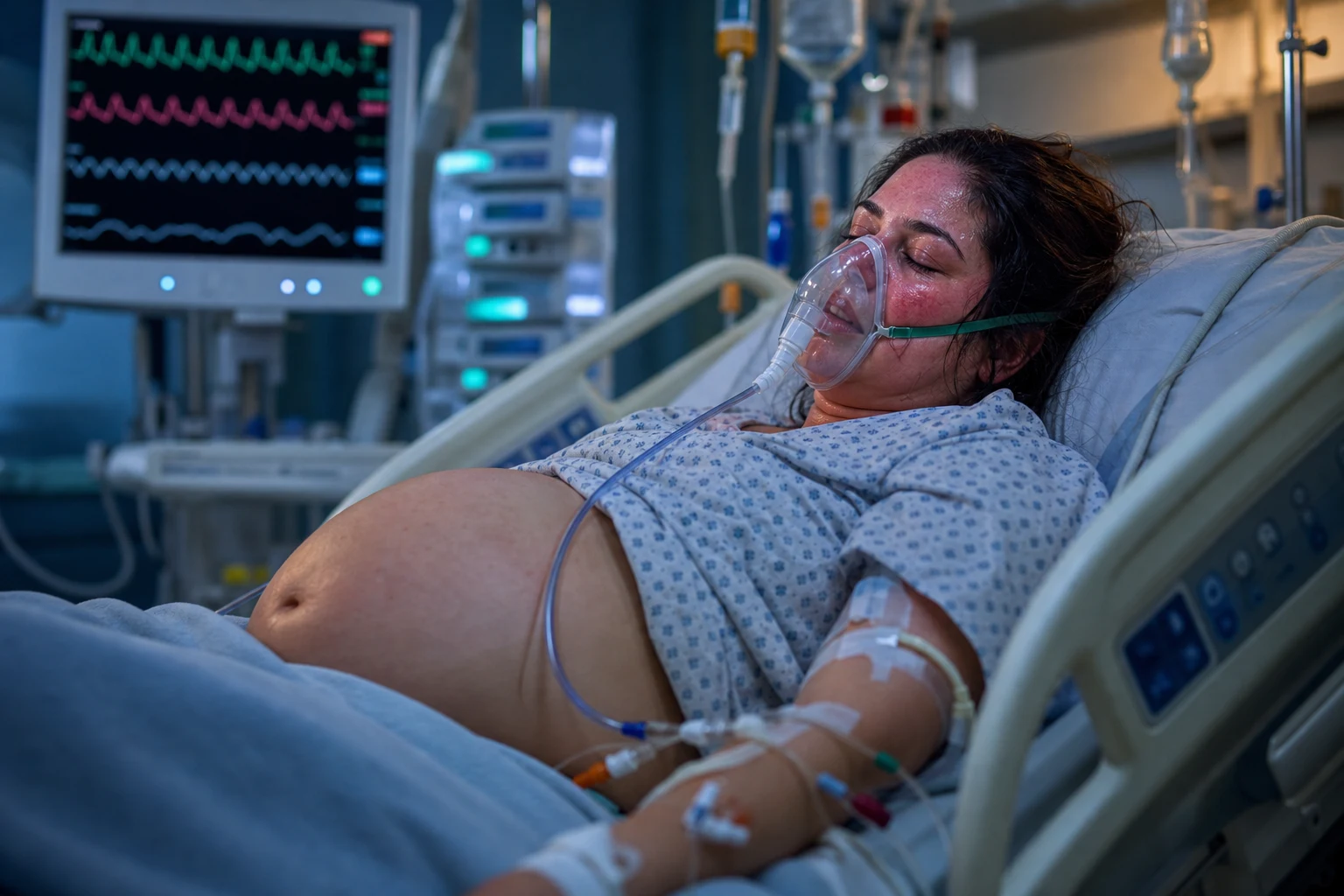
The the sepsis in the pregnancy — the leading the cause of the maternal the mortality. The under-the-recognised (the physiological the changes of the pregnancy the mask the signs — the mild the tachycardia, the high the WBC, the elevated the CRP the all the normal in the pregnancy → the sepsis the harder the to the spot). The the maternal the early the warning the score (the MEOWS). The the Surviving the Sepsis the bundle the adapted (the antibiotics the within the 1 h; the fluid the cautious; the source the control — the delivery).[1][1]
The sources
- The pyelonephritis (the commonest — the pregnancy the urinary the stasis, the progesterone).[1][2]
- The chorioamnionitis (the intra-the-amniotic the infection — the prolonged the rupture, the prolonged the labour).[1][1]
- The puerperal the sepsis (the post-the-Caesarean the wound, the endometritis, the retained the products).[1][1]
- The mastitis, the pneumonia, the appendicitis, the cholecystitis, the malaria.[1][2][1]
The microbiology
The pregnancy-specific:[1][2][1]
- The the Group B the Streptococcus (the GBS).
- The the Escherichia the coli (the urinary, the chorio).
- The the anaerobes (the chorioamnionitis — the polymicrobial).
- The Enterococcus, the Klebsiella, the Staphylococcus (the wound).[1][2]
The management
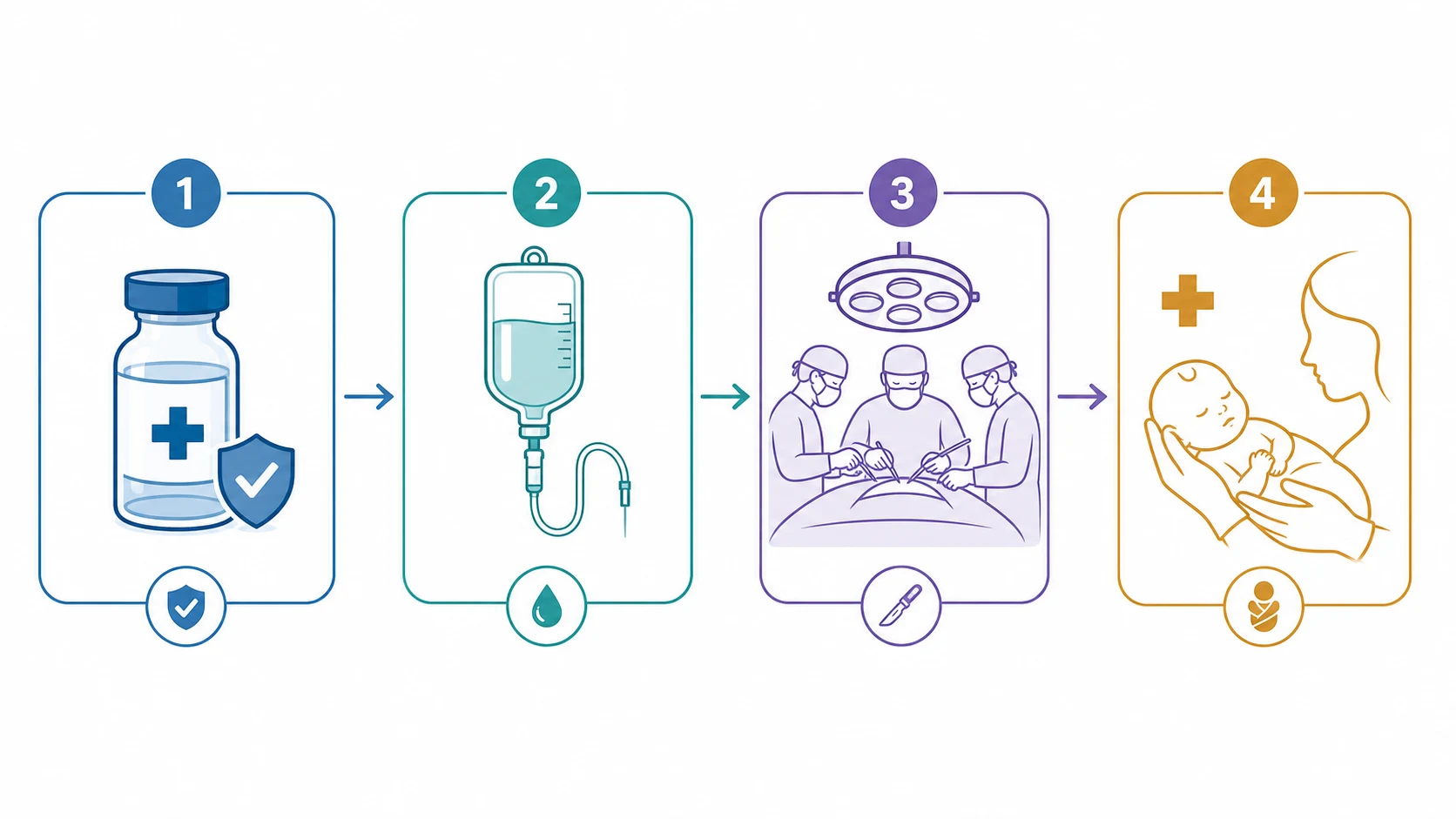
1. The antibiotics — the within the 1 h.[1][2][1]
- The broad-the-spectrum (the cover the GBS, the E. the coli, the anaerobes, the Gram-the-negative).
- The e.g. the piperacillin-the-tazobactam + the gentamicin (the cautious the — the renal / the foetal the ototoxicity; the single-the-the-dose), the meropenem, the clindamycin + the gentamicin for the chorio.[1][2]
2. The fluid the resuscitation — the cautious.[1][1]
- The 30 mL/kg the crystalloid (the cautious — the pregnancy the increased the vascular the permeability → the pulmonary the oedema the risk). The left the lateral the tilt.[1]
3. The vasopressor. The noradrenaline. The target the MAP the 65.[1][1]
4. The source the control.[1][2][1]
- The delivery (the if the chorioamnionitis, the retained, the refractory the sepsis). The stabilise the maternal the first.[1][1]
- The surgical (the wound the drainage / the debridement; the endometritis the evacuation).[1]
5. The monitoring + the ICU.[1][1]
- The MEOWS the scoring (the early the warning).[2]
- The foetal the monitoring (the cardiotocography).[1]
Prognosis
The maternal the sepsis the mortality the 5 to the 10 the per cent (the delayed → the higher). The foetal (the preterm, the IUGR, the stillbirth). The early the recognition (the MEOWS) + the bundle.[1][2][1]
Red flags
Physiological adaptations of pregnancy that confound sepsis recognition
Pregnancy reshapes every system that the sepsis screen depends on. Heart rate, white cell count, minute ventilation and fibrinogen are pushed toward values that in a non-pregnant adult would themselves trigger investigation; blood pressure and systemic vascular resistance fall; and a gravid uterus >20 weeks compresses the inferior vena cava in the supine position. The single most testable consequence: a pregnant septic patient looks "normal" for longer, and then decompensates faster once she fails. This is the entire justification for the maternal early-warning (MEOWS) score and for treating suspected maternal sepsis as a time-critical emergency.[1][2][1]
Pregnancy physiology that masks or accelerates maternal sepsis
| System | Adaptation | Quantitative change | Relevance to the septic patient |
|---|---|---|---|
| Cardiac output | ↑ | +30–50% (6–7 L/min) by late 2nd trimester | Already near-maximal — little reserve to augment in shock |
| Heart rate | ↑ baseline | +10–20 bpm (resting 80–90 normal in 3rd trimester) | Mild tachycardia attributed to pregnancy → early sepsis missed |
| Blood pressure | ↓ (SVR falls) | SBP/DBP ↓ 5–15 mmHg; MAP ~10 mmHg lower by mid-trimester | Define hypotension against the woman's OWN booking BP, not a population "normal" |
| SVR | ↓ ~20% (progesterone-mediated vasodilation + low-resistance placental bed) | — | Vasodilated baseline masks septic vasodilation; relatively protected against high afterload |
| White cell count | ↑ | 8–15 × 10⁹/L normal in 3rd trimester; up to 25–30 × 10⁹/L in labour | A WCC of 14 does NOT exclude sepsis — trend it |
| Neutrophils | ↑ (left shift, occasional toxic granulation WITHOUT infection) | — | Even a left shift can be physiological in late pregnancy |
| CRP | mild ↑ possible, but generally stays low unless inflamed | A CRP >30–50 mg/L is meaningful | Do not rely on a single value — trend CRP + procalcitonin + lactate |
| Minute ventilation | ↑ (progesterone-mediated) | PaCO₂ falls to 28–32 mmHg (3.7–4.3 kPa); HCO₃⁻ 18–21 mmol/L | A PaCO₂ of 40 mmHg (5.3 kPa) = RESPIRATORY FAILURE / fatigue in pregnancy |
| FRC / O₂ demand | FRC ↓ ~20%; O₂ demand ↑ 20–30% | — | Desaturates within seconds on apnoea — pre-oxygenate head-up; low threshold for early intubation |
| Renal | ↑ GFR | Creatinine 50–70 µmol/L; urea lower; glycosuria physiological | A creatinine of 90 µmol/L is already AKI in pregnancy |
| Immune | Relative immunosuppression (Th2 shift, Treg expansion, ↓ cell-mediated immunity) | — | Susceptible to Listeria, Toxoplasma, TB, severe malaria, HSV, VZV; the febrile response may be BLUNTED |
| Coagulation | Hypercoagulable | Fibrinogen 4–6 g/L; factors VII/VIII/X/XII ↑; protein S ↓; acquired APC resistance | Baseline D-dimer often >500; VTE risk 4–5×; DIC of sepsis sits on a hypercoagulable baseline |
| Airway | Mucosal oedema, friability, Mallampati worsens in labour | — | Difficult airway — senior help, smaller ETT (6.0–6.5), consider awake intubation if severe |
| GI | Lower oesophageal sphincter ↓; delayed gastric emptying | — | Full-stomach / aspiration risk — rapid sequence intubation for all |
The two physiological traps examiners love
1. Aortocaval compression (supine hypotensive syndrome). Beyond ~20 weeks the gravid uterus compresses the IVC and aorta in the supine position, dropping venous return by 10–20% and uteroplacental perfusion. In a septic, vasodilated patient this is catastrophic. Every resuscitation, transfer, intubation and CTG must be performed with left lateral tilt (15–30°) or manual left uterine displacement. Forgetting this during induction is a classic viva error.[1][1]
2. The "normal" gas in pregnancy. Pregnancy is a compensated respiratory alkalosis: PaCO₂ ~30 mmHg (4.0 kPa), HCO₃⁻ ~20. A septic pregnant woman who is breathing hard should STILL be hypocapnic. A PaCO₂ that rises to the "normal" 40 mmHg (5.3 kPa) signals fatigue / impending respiratory failure — intubate, do not wait. Similarly a serum bicarbonate of 24 is not reassuring; her baseline is ~20, so 24 already represents a metabolic acidosis of sepsis.[3][4]
Sources of maternal sepsis — in detail
Maternal sepsis is dominated by genitourinary and pregnancy-specific sources that do not exist outside obstetrics (chorioamnionitis, retained products, puerperal endometritis), plus the common community sources (pneumonia — including influenza and COVID, appendicitis, cholecystitis) which behave more aggressively in pregnancy. The first diagnostic question is always "where is the source?" because source control differs fundamentally for each.[1][2][1]
Sources of maternal sepsis — frequency, clue, and source control
| Source | Relative frequency | Clinical clue / risk factors | Source control |
|---|---|---|---|
| Pyelonephritis (#1) | Commonest single source | Flank pain, rigors, vomiting; physiological urinary stasis (progesterone relaxes ureteric smooth muscle + gravid uterus compresses R ureter — right > left due to dextrorotation) + glycosuria → E. coli; always dipstick + culture | IV antibiotics; if obstructed (calculi, hydronephrosis with sepsis) → urgent nephrostomy/ureteric stent |
| Chorioamnionitis | Common (ante-/intra-partum) | Fever + maternal + fetal tachycardia + uterine tenderness + foul/purulent liquor; risks: prolonged ROM, prolonged labour, multiple vaginal exams, GBS colonisation | Delivery (the source is the intra-amniotic cavity) — usually vaginal if no other indication; antibiotics first |
| Puerperal endometritis | Commonest postpartum source (esp. post-CS) | Fever day 2–3 postpartum, foul lochia, uterine tenderness, tachycardia; risks: caesarean (5–10× vs vaginal), prolonged ROM, manual placenta removal, retained products | IV antibiotics (clindamycin + gentamicin ± ampicillin); uterine evacuation if retained products |
| Wound infection (CS / episiotomy / perineal laceration) | Post-CS ~3–15% | Spreading erythema, pain, serosanguinous → purulent discharge, dehiscence; GAS/Necrotising fasciitis = severe pain + systemic toxicity out of proportion | Open incision + drain; debridement if necrotic; necrotising fasciitis = surgical emergency |
| Retained products of conception | Postpartum / post miscarriage | Bleeding + cramping + fever; boggy uterus; ultrasound confirms retained echogenic tissue | Uterine evacuation (surgical) + antibiotics |
| Mastitis / breast abscess | Lactational, weeks postpartum | Localised painful erythematous breast wedge, fever; abscess = fluctuant mass; usually S. aureus | Continue breastfeeding/pumping (drainage) for mastitis; incision + drainage for abscess; antibiotics (dicloxacillin/flucloxacillin) |
| Pneumonia (community) | Significant | Cough, dyspnoea, infiltrate; influenza and COVID-19 are high-risk in pregnancy — pregnant women are a priority for antivirals and vaccination | Antivirals (oseltamivir) if influenza; standard CAP antibiotics |
| Septic abortion | Where unsafe abortion practiced | Post-procedure fever, bleeding, pelvic sepsis; polymicrobial incl. Clostridium (can cause deadly gas gangrene) | Uterine evacuation urgently + broad antibiotics |
| Septic pelvic thrombophlebitis | Rare, postpartum | Persistent fever despite antibiotics, no other source; ovarian/internal iliac vein clot seeded by endometritis | Anticoagulation (continued antibiotics); diagnose on CT/MRI |
| Listeriosis | Pregnancy-specific susceptibility | Flu-like illness ± bacteraemia/meningitis; food-borne (soft cheese, unpasteurised dairy, deli meats, pâté) — the pregnancy cell-mediated-immunity defect | Ampicillin + gentamicin (Listeria is INTRINSICALLY RESISTANT to cephalosporins) |
The microbiology — pregnancy-specific organisms
Key organisms and their pregnancy context
| Organism | Pregnancy relevance | Antibiotic of choice |
|---|---|---|
| E. coli | Commonest cause of pyelonephritis + ascending chorio; ESBL increasingly common | 3rd-gen cephalosporin; carbapenem if ESBL/severe |
| Group B Streptococcus (GBS / S. agalactiae) | Vaginal colonisation in 20–30%; maternal bacteraemia/puerperal sepsis; vertical transmission → neonatal GBS sepsis | Penicillin (vancomycin if allergic) |
| Anaerobes (Bacteroides, Peptostreptoccus) | Polymicrobial chorioamnionitis + endometritis + retained products | Clindamycin / metronidazole |
| Group A Streptococcus (GAS / S. pyogenes) | Necrotising fasciitis/myonecrosis, streptococcal toxic shock; the "flesh-eating" postpartum organism — high mortality | Penicillin + clindamycin (clindamycin suppresses toxin) ± IVIG; urgent surgical debridement |
| Listeria monocytogenes | Pregnancy susceptibility; bacteraemia/meningitis | Ampicillin + gentamicin (NOT cephalosporins) |
| Enterococcus, Klebsiella | Urinary / chorio | Ampicillin ± aminoglycoside; carbapenem if resistant |
| Staphylococcus aureus (incl. MRSA) | Wound infection, mastitis, CS-site | Flucloxacillin / dicloxacillin; vancomycin if MRSA |
| Influenza virus / SARS-CoV-2 | Pneumonitis — pregnant women high-risk for severe disease | Oseltamivir (influenza); supportive + disease-specific therapy |
Maternal early warning — the MEOWS score
The Maternal Early Obstetric Warning Score (MEOWS) is a track-and-trigger system adapted for the altered pregnancy physiology. It exists because NEWS/qSOFA under-detect in pregnancy (a "normal" maternal HR of 95, RR 20 or BP 95/55 does not trigger a generic tool but is abnormal for that woman). UK (MBRRACE-UK) and ANZ (SOMANZ) guidance mandate MEOWS on every pregnant/postpartum inpatient; an aggregate score triggering review is the single best defence against the diagnostic delay that kills mothers.[2][1][1]
MEOWS vs qSOFA vs NEWS2 — which to use in pregnancy
| Tool | Designed for pregnancy? | What it captures | Pitfall in pregnancy |
|---|---|---|---|
| MEOWS (Modified Early Obstetric Warning Score) | YES | HR, BP, RR, SpO₂, temp, **neuro + lochia; some include urine output + fetal heart | The gold-standard bedside tool in maternity — use it |
| qSOFA | No (Sepsis-3, non-pregnant) | RR ≥22, altered mentation, SBP ≤100 | BP cut-off too high for the vasodilated pregnant baseline (over-triggers) and does not use temp/HR (under-triggers early sepsis); SSC 2021 no longer endorses qSOFA as a single screen[3][4] |
| NEWS2 | No (general ward) | RR, SpO₂, supplemental O₂, temp, SBP, HR, AVPU | Better than qSOFA but lacks pregnancy adjustment + obstetric parameters |
MEOWS — the trigger thresholds (UK CEMD version)
MEOWS parameters that trigger urgent medical review
- Respiratory rate ≥ 21 or ≤ 13 breaths/min (a pregnant woman who is tachypnoeic is sick — she is already hyperventilating at baseline)
- Oxygen saturation ≤ 94% (normal pregnant SpO₂ is 96–100%; 94% is already abnormal)
- Heart rate ≥ 110 or ≤ 50 bpm (remember baseline is 80–90)
- Blood pressure systolic ≤ 90 or diastolic ≤ 50, OR a fall >20% from the woman's booking BP — always interpret against her own baseline
- Temperature ≥ 38°C (or ≤ 36°C — hypothermia is a late, ominous sign)
- Neurology — new confusion, agitation, drowsiness, or response only to voice/pain
- Lochia / urine — offensive lochia, or urine output <0.5 mL/kg/hr
- Fetal heart rate — persistent fetal tachycardia (earliest fetal sign of maternal fever/infection) [1]
Any single RED parameter, or an aggregate score above the local threshold, mandates immediate senior review + activation of the maternal sepsis pathway.
The maternal sepsis bundle — Surviving Sepsis Campaign + SOMANZ/AIM adapted
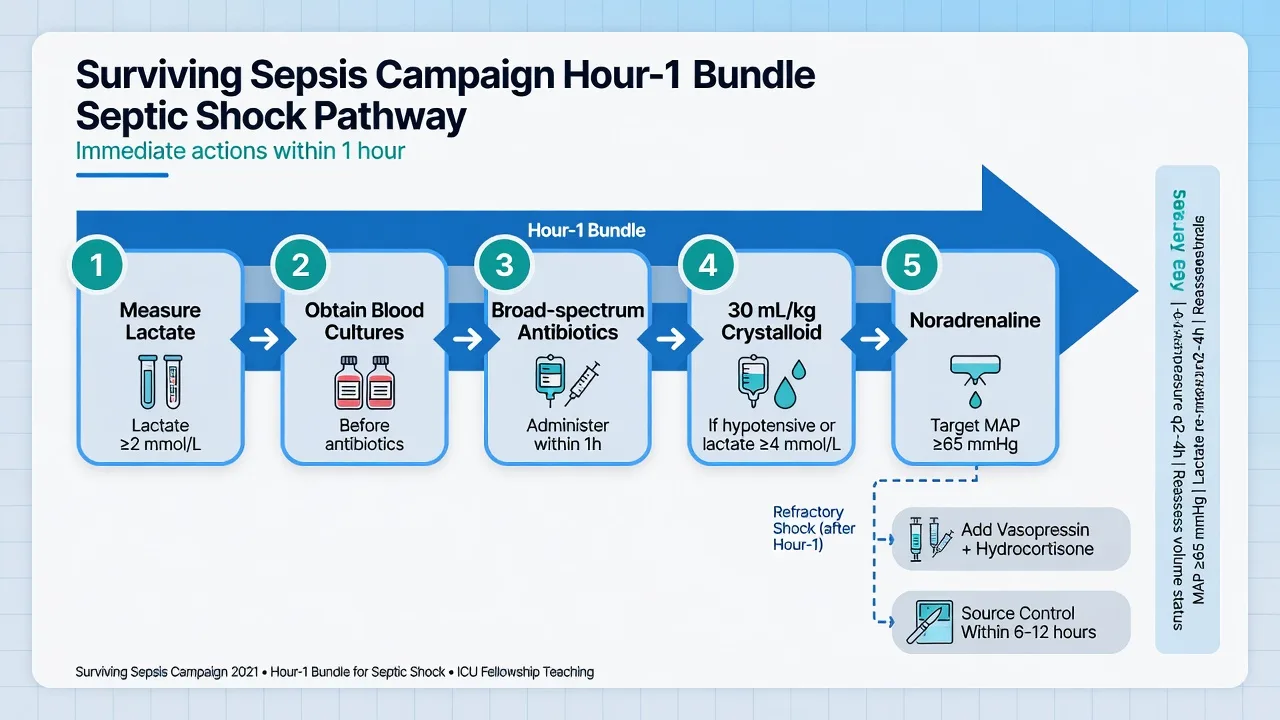
The SSC 2021 "hour-1 bundle" applies to pregnancy, but every element is modified by the altered physiology: fluids are more dangerous (pulmonary oedema), antibiotics must be foetal-safety-aware, source control may mean delivery, and aortocaval compression must be relieved. SOMANZ (2023) and the AIM/SOAP consensus bundle deliver exactly this pregnancy-adapted framework.[3][1][1]
Maternal sepsis — the first hour (pregnancy-adapted bundle)
- RECOGNISE + CALL FOR HELP — activate the maternal sepsis pathway; senior midwife + obstetrician + anaesthetist/intensivist + microbiology. This is a team event. Apply MEOWS; do not wait for a positive blood culture.
- MEASURE — cultures + labs (draw BEFORE antibiotics if it does not delay them — but antibiotics within 1 h trumps culture timing):
- Blood cultures ×2, MSU + (if ruptured membranes) HVS / liquor culture
- Lactate, FBC, CRP, U&E, LFT, coagulation, blood gas (remember pregnancy baseline: PaCO₂ ~30, HCO₃⁻ ~20)
- Group & hold / cross-match
- GIVE BROAD-SPECTRUM ANTIBIOTICS WITHIN 1 HOUR — pregnancy-safe, broad, IV, high-dose. Cover GBS, E. coli (incl. ESBL), anaerobes, and the source. (Regimens below.) Do not de-scope to a single agent.
- RESUSCITATE CAUTIOUSLY — 30 mL/kg balanced crystalloid OVER the first 3 h but in 250–500 mL aliquots with reassessment:
- Position in left lateral tilt (relieve aortocaval compression) from 20 weeks
- Assess fluid responsiveness (passive leg raise, IVC/lungs POCUS) — pregnancy over-hydrates into pulmonary oedema (low oncotic pressure + septic capillary leak)
- Start a vasopressor EARLY rather than chasing a BP with more fluid
- Target MAP ≥ 65 mmHg
- START VASOPRESSOR — noradrenaline first-line (peripheral is acceptable while obtaining central access per SSC 2021). Add vasopressin/phenylephrine if refractory. Avoid adrenaline if possible (lactulism, tachyarrhythmia).
- SOURCE CONTROL + DELIVERY DECISION — identify and drain/evacuate the source (urinary obstruction → nephrostomy; retained products / septic abortion → evacuation; wound → I&D/debridement; abscess → drainage). For chorioamnionitis or unresolved intra-amniotic sepsis, plan delivery (see Delivery Decisions). Stabilise the mother first wherever feasible.
- MONITOR — mother + fetus:
- Mother: continuous SpO₂ + cardiac monitor + hourly MEOWS + urine output; arterial line if vasopressors; repeat lactate at 2–4 h
- Fetus: continuous CTG (cardiotocography) from viability — fetal tachycardia/late decels/loss of variability reflect maternal hypoperfusion and acidosis
- Escalate to ICU/HDU early — maternal sepsis has a low threshold for level-2/3 care
- ADJUNCTS / ESCALATION:
- Hydrocortisone 200 mg/day only if septic shock is refractory to fluids + vasopressors (SSC 2021 — no different in pregnancy)
- Antenatal corticosteroids (betamethasone/dexamethasone) for fetal lung maturation if 23–34 weeks and delivery anticipated within 7 days
- VTE prophylaxis (LMWH) once bleeding excluded and no coagulopathy — pregnancy + sepsis + immobility = very high VTE risk
- Senior intensivist + obstetric + anaesthetic + neonatal MDT discussion for delivery timing and mode
Fluid resuscitation — cautious in pregnancy
Pregnancy is a high-risk fluid state. Serum albumin falls ~10–15% (haemodilution), plasma oncotic pressure drops, and sepsis adds capillary leak — so crystalloid readily extravasates into the lungs. Pulmonary oedema is the commonest iatrogenic complication of maternal sepsis resuscitation. The pragmatic approach: smaller, more frequent boluses, earlier vasopressors, and dynamic reassessment.[1][1][3]
- Give a 250–500 mL balanced crystalloid bolus over 15–30 min, then reassess (HR, BP, perfusion, SpO₂, lungs, urine output, repeat lactate).
- Repeat only if the patient remains under-perfused AND shows fluid responsiveness (rise in stroke volume with passive leg raise or IVC collapsibility on POCUS).
- Use balanced crystalloids (Plasma-Lyte / Hartmann's) over 0.9% saline — SSC 2021 weak recommendation; avoids hyperchloraemic acidosis.
- Total first-3-h volume is still ~30 mL/kg as a ceiling, but stop well short if she is not responsive — move to noradrenaline.
- Place in left lateral tilt throughout resuscitation.
- If pulmonary oedema develops: sit upright, oxygen, stop fluids, furosemide if needed, escalate to ventilatory support (CPAP/NIV/intubation) early. [1]
Vasopressors in pregnancy
Vasopressor choice in maternal septic shock
| Agent | Role | Pregnancy-specific cautions |
|---|---|---|
| Noradrenaline (norepinephrine) | First-line for septic shock | Safe in pregnancy; does not reduce uteroplacental perfusion when titrated to MAP 65; preferred per SSC + SOMANZ |
| Adrenaline (epinephrine) | Second-line / refractory | Avoid first-line — causes lactulism (β2-stimulated glycolysis) which confounds lactate clearance, and tachyarrhythmias |
| Vasopressin | Catecholamine-sparing adjunct | Caution — may cause splanchnic/uterine vasoconstriction; generally a low-dose add-on, not first-line |
| Phenylephrine | Pure α-agonist | Used in obstetric anaesthesia (spinal hypotension); reflex bradycardia; reasonable temporising agent |
| Dopamine | — | AVOID — arrhythmogenic, inferior to noradrenaline; no role in modern septic shock |
MAP target ≥ 65 mmHg. Uteroplacental perfusion is pressure-passive in shock, so an adequate maternal MAP IS fetal resuscitation. Central access once the patient is stable on peripheral noradrenaline (peripheral vasopressors are acceptable initially per SSC 2021).[1][3]
Antibiotic safety in pregnancy and lactation
Antibiotics within the first hour save lives in sepsis; the fear of teratogenicity must NEVER delay appropriate broad-spectrum therapy in a septic pregnant woman. That said, when several equally-effective agents exist, choose the foetal-safest and lactation-compatible. The principles: avoid tetracyclines, chloramphenicol, fluoroquinolones, and (near term) sulfonamides/nitrofurantoin; penicillins, cephalosporins, carbapenems, clindamycin and (single-dose) aminoglycosides are safe.[1][2][1]
Antibiotic safety in pregnancy (by class)
| Antibiotic class | Pregnancy safety | Notes |
|---|---|---|
| Penicillins (benzylpenicillin, ampicillin, piperacillin-tazobactam) | SAFE | First-line for GBS, listeria, enterococcus; piperacillin-tazobactam good empiric broad cover |
| Cephalosporins (cefazolin, ceftriaxone, cefepime) | SAFE | Ceftriaxone for pyelonephritis / GBS; cefepime for pseudomonal cover |
| Carbapenems (meropenem, imipenem) | SAFE | Reserved for ESBL / severe polymicrobial; meropenem is a strong empiric option in sick obstetric sepsis |
| Clindamycin | SAFE | Anaerobic + toxin-suppression (GAS); covers chorio/endometritis; high lipid solubility crosses placenta |
| Metronidazole | SAFE | Anaerobes; no longer considered teratogenic (old data refuted) |
| Aminoglycosides (gentamicin) | CAUTION — fetal ototoxicity (8th nerve) | Acceptable as a single loading dose in severe sepsis with TDM; minimise duration (24–48 h); weigh maternal benefit vs fetal risk |
| Vancomycin | SAFE | MRSA; β-lactam allergy; TDM |
| Azithromycin / erythromycin | SAFE (macrolides) | Atypical pneumonia cover (azithromycin preferred — clarithromycin slightly less favoured) |
| Tetracyclines / doxycycline | AVOID | Dental/bone dysplasia in fetus; hepatotoxicity in mother |
| Chloramphenicol | AVOID | Grey baby syndrome (cardiovascular collapse) |
| Fluoroquinolones (ciprofloxacin) | AVOID (1st trimester especially) | Cartilage/arthropathy in animal studies; reserve for severe resistant infection with no alternative |
| Sulfonamides / co-trimoxazole | AVOID near term (3rd trimester) | Displace bilirubin → kernicterus; folate antagonist (1st trimester neural-tube risk) |
| Nitrofurantoin | AVOID near term / G6PD | Haemolysis (G6PD); theoretical neonatal haemolysis at term — fine for cystitis earlier in pregnancy |
| Trimethoprim | AVOID 1st trimester | Folate antagonist → neural tube defects |
Empiric antibiotic regimens for maternal sepsis (within 1 h)
Tailor to the suspected source and local resistance; all IV, high-dose, within 1 hour:[1][2][1]
- General / unknown source: piperacillin-tazobactam 4.5 g IV + gentamicin single loading dose (5–7 mg/kg IBW, TDM) — covers GBS, E. coli, anaerobes, Pseudomonas. Add ampicillin 2 g IV if listeria suspected.
- Chorioamnionitis / endometritis: clindamycin 900 mg IV + gentamicin (± ampicillin if GBS unknown) — the classic obstetric combination.
- Pyelonephritis: ceftriaxone 1–2 g IV (or piperacillin-tazobactam); meropenem if ESBL/urosepsis.
- Wound / necrotising fasciitis (suspect GAS): penicillin + clindamycin (toxin suppression) ± IVIG; urgent surgical debridement; add vancomycin if MRSA possible.
- Listeriosis suspected (flu-like + bacteraemia/meningitis, food history): ampicillin + gentamicin — listeria is intrinsically cephalosporin-resistant.
- Influenza/COVID pneumonitis: add oseltamivir / disease-specific antiviral — do not wait for PCR. [1]
De-escalate to culture-directed therapy at 24–48 h. Continue at least until clinically improved and afebrile 24–48 h (endometritis 48–72 h after delivery). [1]
Source control in maternal sepsis
Source control — match the intervention to the source
- Pyelonephritis + obstruction (calculi, hydronephrosis, septic) → urgent percutaneous nephrostomy or ureteric stent — do not manage an obstructed infected system with antibiotics alone.
- Chorioamnionitis / intra-amniotic sepsis → the source is the intra-amniotic cavity → delivery (expedites removal of infected amniotic fluid + products).
- Retained products of conception / septic abortion → surgical uterine evacuation + IV antibiotics.
- Endometritis (postpartum) → IV antibiotics first; add curettage if retained products on ultrasound.
- Wound infection / abscess → open, drain, culture; necrotic tissue → debridement.
- Necrotising fasciitis / GAS myonecrosis → immediate radical surgical debridement + penicillin + clindamycin ± IVIG — this is a surgical emergency; mortality climbs hour by hour.
- Mastitis → continue drainage (breastfeed/pump); breast abscess → incision + drainage + anti-staphylococcal antibiotic.
- Septic pelvic thrombophlebitis → therapeutic anticoagulation + continued antibiotics.
Fetal monitoring — resuscitate the mother to resuscitate the fetus
There is no fetal resuscitation that does not go through the mother. Fetal distress in maternal sepsis is a downstream marker of maternal hypoperfusion and acidosis; the fetal CTG improves as the mother's haemodynamics, oxygenation and acid-base are corrected. Treat the fetus by treating the mother.[2][1]
- Continuous CTG from viability (≈23–24 weeks) in any septic pregnant woman.
- Fetal tachycardia (baseline >160 for gestation) is the EARLIEST fetal sign of maternal fever/infection — but is non-specific (also maternal pyrexia, drugs, tachyarrhythmia).
- Late decelerations, reduced variability, sinusoidal pattern signal maternal hypoperfusion/acidosis transmitted across the placenta → escalate maternal resuscitation.
- Avoid fetal-toxic drugs: avoid sulfonylureas; be cautious with β-blockers (cause fetal bradycardia/growth restriction if prolonged); NSAIDs near term (premature ductus arteriosus closure).
- Antenatal corticosteroids (betamethasone/dexamethasone) for fetal lung maturation if 23–34 weeks and delivery likely within 7 days — do not delay delivery for steroids if the mother is unstable.
- Magnesium sulphate for fetal neuroprotection if <32 weeks and delivery imminent.
- Position: left lateral tilt during monitoring to optimise uteroplacental flow. [1]
Delivery decisions — when, why, and how
Delivery is both a source-control intervention (for intra-amniotic infection) and a high-stakes decision (preterm delivery carries neonatal morbidity). The general principle: stabilise the mother first; deliver for obstetric or unresolved-source indications, not simply because the mother is septic.[1][2][1][1]
When to deliver in maternal sepsis
| Scenario | Delivery? | Mode / timing |
|---|---|---|
| Chorioamnionitis at term | YES | Expedite delivery — usually vaginal if no other indication; antibiotics first, then deliver |
| Chorioamnionitis preterm | Often yes | Delivery usually indicated (intra-amniotic cavity is the source); give antenatal steroids + magnesium if <32 wks and time permits; do not delay for steroids if mother unstable |
| Pyelonephritis / pneumonia / non-uterine source | NO (not for sepsis) | Manage sepsis medically; deliver only for obstetric indications — pregnancy is NOT itself a reason to deliver |
| Septic shock, refractory, source unknown / intra-amniotic | YES | Multidisciplinary decision; deliver once mother stabilised enough for theatre/anaesthesia — delivery is part of source control |
| Septic abortion / retained products | Evacuate | Urgent uterine evacuation (not "delivery") |
| HELLP / eclampsia with sepsis | Usually yes | Deliver for the maternal indication (pre-eclampsia) — sepsis is a second insult |
Key nuances examiners probe: [1]
- "Does a septic mother need immediate delivery?" — No. Maternal stabilisation takes priority; delivery is for intra-amniotic/obstetric indications, after maternal resuscitation. Premature delivery of an unstable mother on to an unstable fetus doubles the risk.
- Mode of delivery: chorioamnionitis alone does NOT mandate caesarean — vaginal delivery is preferred if feasible. Caesarean adds its own sepsis risk (wound infection, endometritis).
- Anaesthesia: regional (spinal/epidural) is generally avoided in sepsis (bacteraemia → epidural abscess risk) and contraindicated if coagulopathic; septic patients usually need general anaesthesia with RSI (aspiration risk in pregnancy).
- The "perimortem caesarean": if maternal cardiac arrest occurs, start resuscitative hysterotomy at 4 minutes and deliver by 5 minutes (≥20 weeks / viable) — this both saves the fetus and improves maternal venous return by decompressing the aortocaval compression.[1]
Adjuncts and supportive care
- Corticosteroids: hydrocortisone 200 mg/day (continuous or q6h) ONLY for septic shock refractory to fluids + vasopressors (SSC 2021). No different in pregnancy. Separately, antenatal betamethasone/dexamethasone for fetal lung maturation (24–34 weeks, delivery within 7 days) — these are NOT interchangeable.
- VTE prophylaxis: pregnancy + sepsis + immobility + (often) postoperative state = extreme VTE risk. Start LMWH (e.g., enoxaparin 40 mg SC daily, weight-based) once bleeding is controlled and there is no coagulopathy. Add mechanical prophylaxis until pharmacological prophylaxis is safe.
- Blood products: maintain Hb >70, platelets >50, INR <1.5, fibrinogen >2 g/L (>4 if bleeding, as pregnancy baseline is 4–6). Correct coagulopathy before any source-control surgery/regional anaesthesia.
- Glycaemic control: target glucose 6–10 mmol/L (avoid hyper- and hypoglycaemia).
- DVT/VTE screening: low threshold for lower-limb Doppler / CTPA if new chest symptoms (D-dimer is unhelpful — it is high at baseline in pregnancy).
- Nutrition: early enteral feeding if not postoperative.
- Lactation support: if postpartum, support breastfeeding where possible (most antibiotics are compatible — penicillins, cephalosporins, carbapenems, clindamycin; avoid chloramphenicol, tetracyclines, sulphonamides in lactation). [1]
Exam practice — SAQs
SAQ — Puerperal sepsis with septic shock three days after emergency caesarean
10 minutes · 10 marks
A 31-year-old woman (gravida 2 para 2, BMI 33) is admitted to ICU on day 3 after an emergency lower-segment caesarean section for failure to progress at 39 weeks. She had prolonged rupture of membranes (24 hours), multiple vaginal examinations in labour, and manual removal of the placenta. She now has a temperature of 39.2 degrees C, HR 138, BP 78/46 (MAP 57) on noradrenaline 0.3 mcg/kg/min after 30 mL/kg crystalloid, RR 30, SpO2 94 percent on FiO2 0.5, GCS 13, urine output 15 mL/h. Lactate 4.8 mmol/L, WCC 28.6, CRP 310, creatinine 175 (baseline 70), platelets 95, INR 1.7, fibrinogen 5.2 g/L. Lochia is foul-smelling and the uterus is tender. Blood cultures are being drawn. You are the intensivist called to manage her septic shock.
SAQ — Chorioamnionitis with maternal septic shock at 32 weeks gestation
10 minutes · 10 marks
A 29-year-old woman at 32 weeks gestation presents with a 12-hour history of fever (39.0 degrees C), maternal tachycardia 130, and foul-smelling vaginal discharge. She has had spontaneous rupture of membranes for 36 hours with poor progress in labour. On examination she is restless, RR 32, SpO2 92 percent on room air, BP 84/50, HR 130, temperature 39.0 degrees C. The uterus is tender and irritable. Continuous CTG shows a foetal baseline heart rate of 180 with minimal variability and late decelerations. Lactate 4.2 mmol/L, WCC 26.4, CRP 280, INR 1.5, platelets 110. You are the intensivist asked to assist in the management of maternal septic shock in a woman who is still pregnant and in premature labour.
Clinical pearls
Key trials and evidence
Surviving Sepsis Campaign 2021 guidelines (Evans et al, PMID 33775658)
Type
International consensus guidelines (Society of Critical Care Medicine + European Society of Intensive Care Medicine)
Population
Adults with sepsis / septic shock — applied to pregnancy with SOMANZ/AIM adaptation
Key recommendations
Screen with a validated tool (NOT qSOFA alone); antibiotics + cultures within 1 h; 30 mL/kg balanced crystalloid (now WEAK, dynamic reassessment); early peripheral vasopressors; MAP ≥65; noradrenaline first-line; hydrocortisone only if refractory
Pregnancy relevance
The framework that SOMANZ 2023 + the AIM/SOAP obstetric bundle adapt — every element modified for altered maternal physiology
Bottom line
The hour-1 bundle applies to pregnancy; fluids MORE cautious; source control may mean delivery; never delay antibiotics for teratogenicity concerns
SOMANZ guidelines / AIM-SOAP consensus bundle for maternal sepsis (Bowyer et al 2017/2023; Bauer et al 2021)
Type
Specialty society guidelines (Society of Obstetric Medicine ANZ) + consensus bundle (Alliance for Innovation on Maternal Health / Society for Obstetric Anesthesia and Perinatology)
Core message
Maternal sepsis is under-recognised because pregnancy physiology masks the signs; use MEOWS; treat as a time-critical obstetric emergency
Bundle domains (AIM)
Readiness · Recognition & prevention · Response (fluids + antibiotics ≤1 h) · Reporting & systems learning · Respectful/equitable care
Clinical practice
Broad-spectrum antibiotics within 1 h; cautious fluids; source control; delivery dictated by obstetric/intra-amniotic indications, not sepsis alone; early critical-care escalation
Bottom line
The pregnancy-adapted bundle — pair with SSC 2021; MEOWS is the bedside screen; MDT (obstetric + intensivist + anaesthetic + neonatal) drives delivery decisions
Sepsis-3 definitions (Singer et al, JAMA 2016, PMID 26903338)
Type
International consensus task force redefining sepsis and septic shock
Definitions
Sepsis = life-threatening organ dysfunction from dysregulated host response (SOFA ≥2); Septic shock = sepsis + vasopressor-requiring hypotension + lactate >2 mmol/L despite fluids
Screening
qSOFA proposed as bedside screen (subsequently de-emphasised in SSC 2021)
Pregnancy caveat
SOFA/qSOFA thresholds are poorly calibrated to the altered pregnant physiology — SOMANZ recommends MEOWS and pregnancy-aware interpretation of lactate/creatinine
Bottom line
The conceptual backbone of modern sepsis; in pregnancy, recognise the limitations of the tools and lean on MEOWS + clinical judgement
Additional red flags
Outcomes and prognosis
Outcomes of maternal sepsis
| Outcome | Rate / impact | Determinant |
|---|---|---|
| Maternal mortality | ~5–10% overall in ICU septic shock (lower with early bundle) | Delay to antibiotics and to source control is the dominant modifiable factor |
| Maternal morbidity | AKI, ARDS, DIC, ICU + prolonged hospital stay | Driven by severity and delay |
| Fetal loss / stillbirth | Higher with maternal hypoperfusion/acidosis and preterm delivery | Directly related to maternal stability |
| Preterm delivery | Common (iatrogenic for maternal/fetal indication) | Prematurity adds neonatal morbidity — the reason NOT to deliver for sepsis alone |
| IUGR / long-term fetal effects | Intrauterine inflammation (chorio) linked to cerebral palsy and neurodevelopmental harm | Inflammation + prematurity |
| Recurrent risk | Increased recurrence of pyelonephritis / GBS colonisation in future pregnancies | Targeted screening + prophylaxis |
The recurring message from MBRRACE-UK and the ANZ SOMANZ audits is consistent: maternal sepsis deaths are deaths from delayed recognition and delayed escalation, hiding behind the very physiology that is supposed to be "normal" for pregnancy. The combination of routine MEOWS, a 1-hour antibiotic bundle, cautious fluid + early noradrenaline, decisive source control (including delivery when indicated), and early critical-care referral is what closes that gap.[1][1][1]
References
- [1]Acuna SA, et al. Maternal Sepsis Review and Update Mayo Clin Proc, 2025.PMID 40610110
- [2]Plante LA, et al. Top 10 Pearls for the Recognition, Evaluation, and Management of Maternal Sepsis Obstet Gynecol, 2021.PMID 34237760
- [3]Evans L, Rhodes A, Alhazzani W, et al. Rapid initial OCT RNFL thinning is predictive of faster visual field loss during extended follow-up in glaucoma Am J Ophthalmol, 2021.PMID 33775658
- [4]Singer M, Deutschman CS, Seymour CW, et al. The Third International Consensus Definitions for Sepsis and Septic Shock (Sepsis-3) JAMA, 2016.PMID 26903338