ICU · Pharmacology
Malignant hyperthermia
Also known as Malignant hyperthermia (MH) · MH crisis · Dantrolene · Ryanodine receptor mutation
Malignant hyperthermia is a pharmacogenetic emergency triggered by volatile anaesthetic agents (sevoflurane, isoflurane, desflurane, halothane) or suxamethonium (succinylcholine). Mutated ryanodine receptor (RYR1) causes uncontrolled calcium release from skeletal muscle sarcoplasmic reticulum → sustained muscle contraction → massive heat production, rhabdomyolysis, hyperkalaemia, acidosis. Presents during or after anaesthesia: rapid rise in end-tidal CO2 (unexplained), tachycardia, masseter spasm, hyperthermia (late sign), rigidity, dark urine (myoglobinuria). Treatment: STOP TRIGGER, hyperventilate with 100% O2, DANTROLENE 2.5 mg/kg IV (repeat to 10 mg/kg), cooling, treat hyperkalaemia/acidosis. Mortality <5% with prompt dantrolene (was 70% before dantrolene).
On this page & tools
Your progress
Saved locally on this device.
Target exams
Red flags
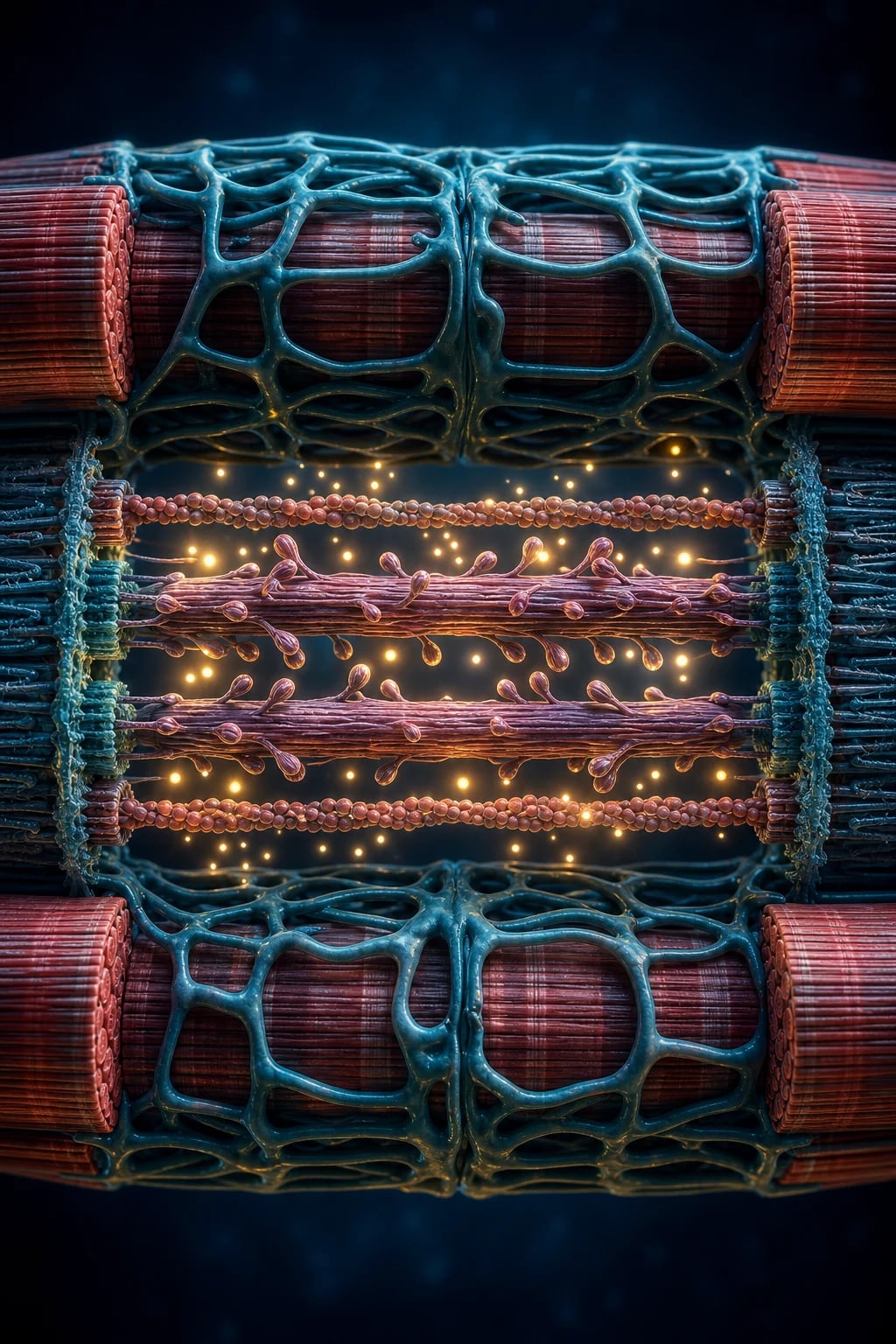
Management
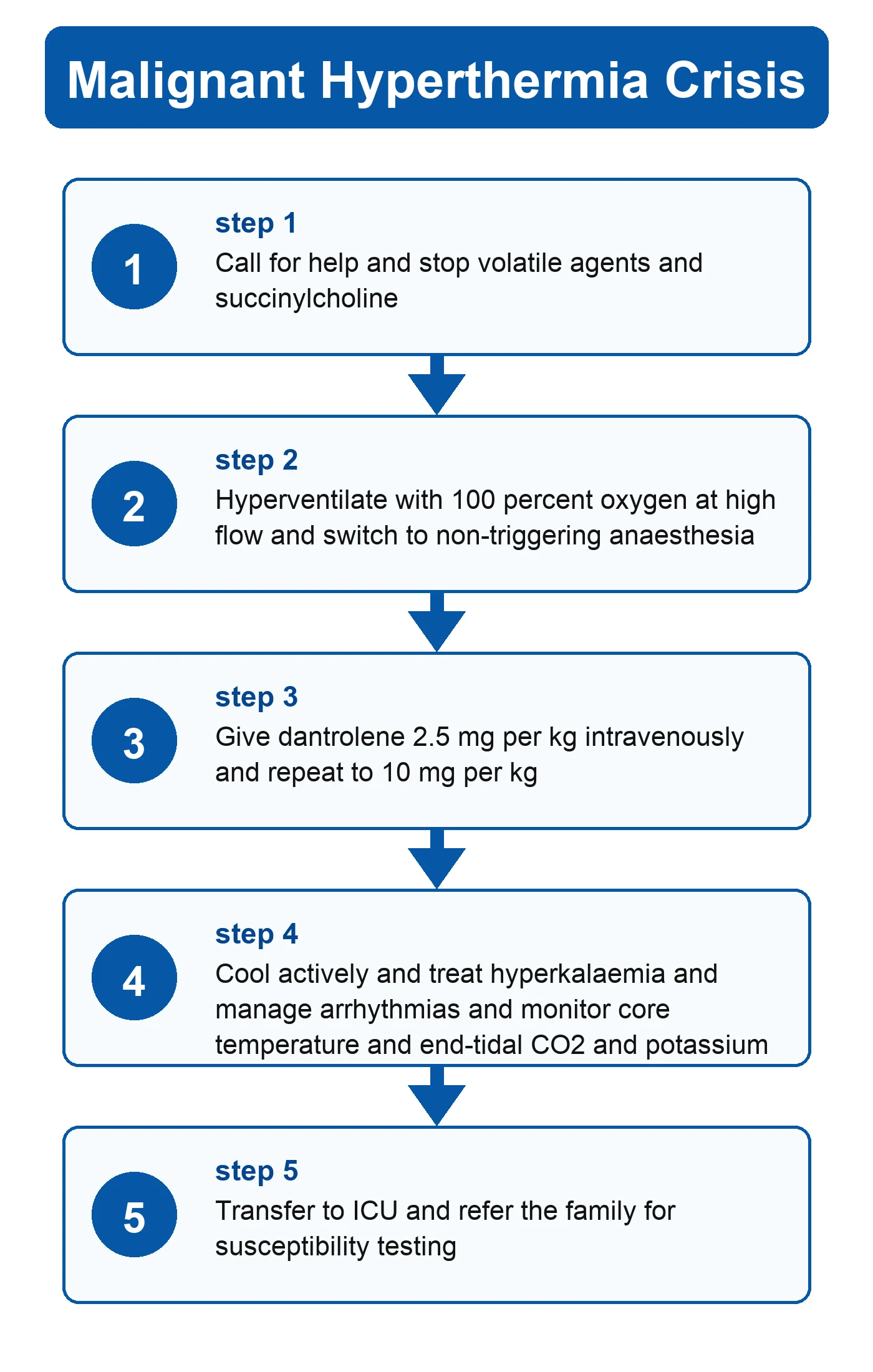
MH crisis protocol (MHAUS)
STOP TRIGGER immediately
STOP all volatile anaesthetic agents (sevoflurane, isoflurane, desflurane). STOP suxamethonium. Flush anaesthetic circuit with high-flow oxygen (use new circuit if possible — charcoal filter on inspiratory limb removes residual volatile).
Hyperventilate with 100% oxygen
Switch to 100% O2 at high flow rate (10+ L/min). Hyperventilate to blow off CO2 (target normo-to-hypocapnia). The massive CO2 production from sustained muscle contraction drives severe acidosis.
Give DANTROLENE 2.5 mg/kg IV IMMEDIATELY
Dantrolene 2.5 mg/kg IV bolus. Repeat every 5 minutes up to 10 mg/kg total (or until symptoms resolve). Dantrolene blocks ryanodine receptor → stops calcium release from sarcoplasmic reticulum → stops muscle contraction. New formulation (Ryanodex) reconstitutes in 1 min (vs 20 vials of old Dantrium taking 20 min to reconstitute).
Cool the patient
Active cooling: cooling blankets, ice packs (groin, axillae, neck), cold IV fluids, gastric/bladder lavage with cold saline. Target temperature <38.5C. Stop cooling when temperature reaches 38.5C (avoid hypothermia). Monitor core temperature continuously.
Treat hyperkalaemia and acidosis
Hyperkalaemia: insulin-dextrose, calcium gluconate (if ECG changes), salbutamol. Do NOT give calcium chloride (may worsen muscle contraction in MH). Acidosis: sodium bicarbonate (target pH >7.2). Monitor arterial blood gas every 15-30 min.
Monitor and manage complications
Rhabdomyolysis: check CK, urine myoglobin, renal function. IV fluids to maintain urine output 1-2 mL/kg/h. DIC: check coagulation. Arrhythmias: treat per protocol (avoid calcium channel blockers — dangerous with dantrolene). Monitor: end-tidal CO2 (should fall with treatment), temperature, CK, K+, ABG, urine output.
Post-crisis management
Continue dantrolene 1 mg/kg Q4-6H or 0.25 mg/kg/h infusion for 24-48h (prevent recurrence — recrudescence rate ~25%). ICU admission. Investigate: refer to MH investigation unit for muscle biopsy (caffeine-halothane contracture test) and genetic testing (RYR1). Counsel family (autosomal dominant — 50% of first-degree relatives affected). MedicAlert bracelet.
Exam practice
SAQ — Intraoperative malignant hyperthermia crisis
10 minutes · 10 marks
A 35-year-old man undergoes elective inguinal hernia repair under general anaesthesia with sevoflurane and suxamethonium. Ten minutes after induction his end-tidal CO2 rises to 65 mmHg despite increasing minute ventilation, heart rate climbs to 132, he develops masseter rigidity and core temperature 39.4°C. Arterial blood gas: pH 7.18, PaCO2 78 mmHg, base excess −8, K+ 6.8 mmol/L.
SAQ — Differentiating the drug-induced hyperthermia syndromes
10 minutes · 10 marks
An ICU patient on day 3 of treatment develops core temperature 40.1°C, generalised rigidity, tremor, autonomic instability (HR 128, BP fluctuating) and a rising creatine kinase (4 800 U/L). The team considers malignant hyperthermia, neuroleptic malignant syndrome, and serotonin syndrome. He is ventilated and has received no anaesthetic in the preceding 24 h.
Clinical pearls
Red flags
Pathophysiology & molecular genetics
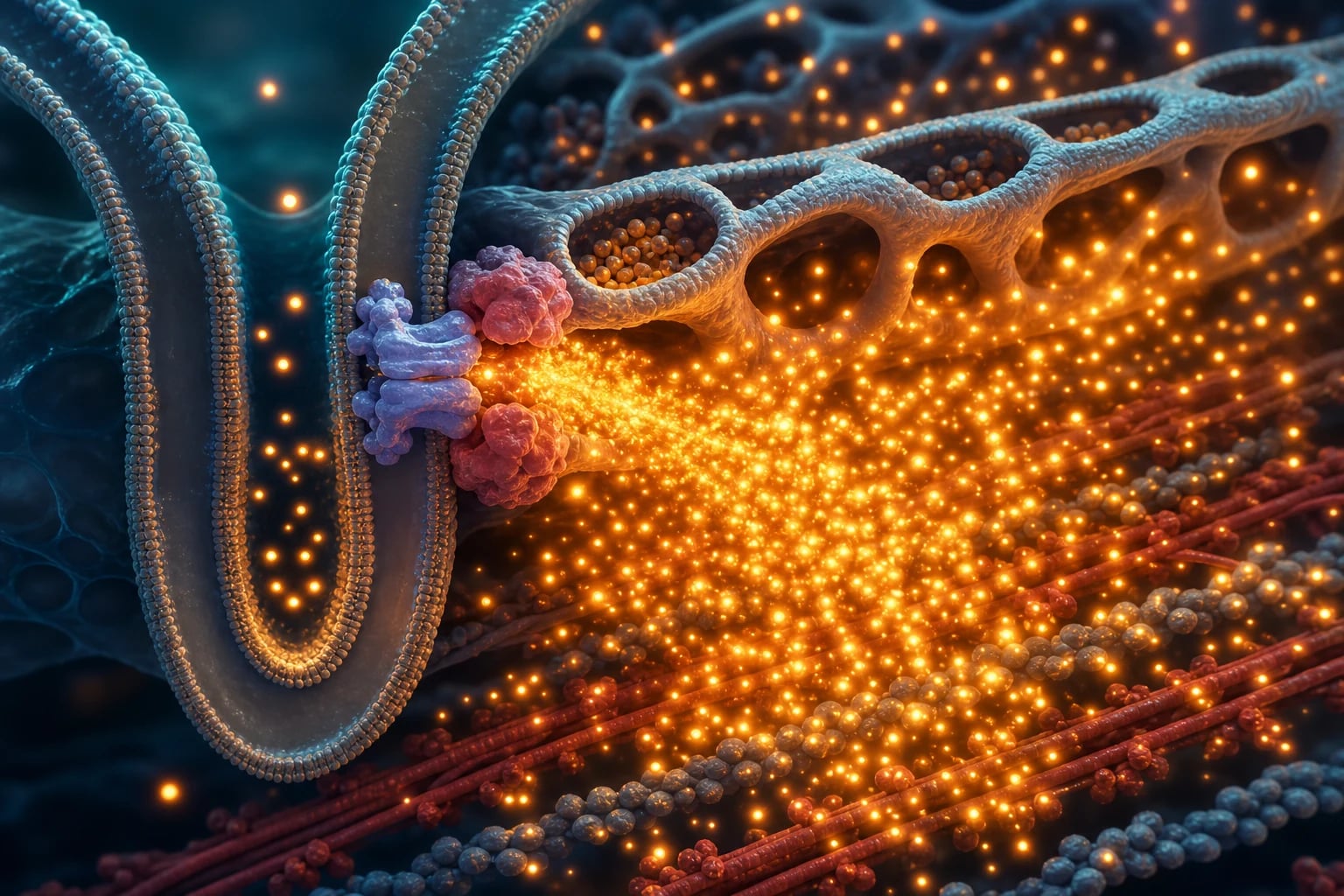
Malignant hyperthermia (MH) is a pharmacogenetic disorder of skeletal-muscle calcium handling. The ryanodine receptor type 1 (RyR1) is the large homotetrameric calcium-release channel of the sarcoplasmic reticulum (SR) of skeletal muscle. In normal excitation-contraction coupling, depolarisation travels down the T-tubule to the dihydropyridine receptor (DHPR) — a voltage-sensitive L-type calcium channel encoded by CACNA1S — which mechanically couples to RyR1 and opens it for a brief, tightly regulated burst of Ca²⁺ release into the cytosol. The Ca²⁺ is then pumped back into the SR by SERCA (SR Ca²⁺-ATPase), and the muscle relaxes.[1]
In MH, mutations render RyR1 abnormally sensitive and slow to close. Volatile anaesthetics and succinylcholine cause the mutant channel to open and stay open, producing uncontrolled, sustained efflux of Ca²⁺ from the SR into the cytoplasm. The consequences of this calcium flood cascade through every membrane system of the muscle cell:[1][2]
- Sustained contracture — actin-myosin cross-bridges cannot detach because ATP-dependent relaxation fails. The muscle is locked in rigor → the classic generalised rigidity and masseter spasm (jaw rigidity after suxamethonium).
- Massive heat production — SERCA and the myosin ATPases burn ATP furiously trying to re-sequester calcium and cycle cross-bridges that cannot release. Oxidative phosphorylation runs at maximum → core temperature can rise 1-2°C every 5 minutes in fulminant crisis.
- ATP depletion — the cell exhausts its ATP and membrane pumps fail. This is the single event that converts a reversible crisis into irreversible cell death.
- Refractory hypercapnia (rising ETCO₂) — the CO₂ generated by runaway metabolism vastly exceeds what alveolar ventilation can clear → respiratory acidosis that is refractory to increased minute volume. This is the earliest and most sensitive sign.
- Metabolic (lactic) acidosis — once oxygen delivery cannot meet the enormous metabolic demand, anaerobic glycolysis dominates → lactate floods the circulation → high anion-gap metabolic acidosis. The combined respiratory + metabolic acidosis drives pH to <7.0 in fulminant cases.
- Hyperkalaemia — sustained depolarisation and membrane leak release intracellular K⁺; later, frank rhabdomyolysis lyses cells and dumps potassium. Severe hyperkalaemia drives the ventricular arrhythmias and cardiac arrest that kill.
- Rhabdomyolysis — catastrophic muscle-cell breakdown releases myoglobin, creatine kinase (CK often >20,000 U/L), potassium and phosphate → pigment-cast (myoglobinuric) AKI and disseminated intravascular coagulation (DIC). Dark "cola" urine is myoglobinuria.
- Sympathetic surge — tachycardia, initial hypertension then hypotension, arrhythmias, mottling. [1]
The genetics — RYR1 and the minor locus
- Major gene — RYR1 (ryanodine receptor 1), located on the long arm of chromosome 19 at 19q13.1-q13.2, encodes the skeletal-muscle RyR1 channel. Pathogenic variants in RYR1 account for ~70-80% of confirmed MH families.[6][7]
- Inheritance — autosomal dominant with incomplete and variable penetrance. An affected heterozygote has a 50% chance of passing the variant to each child. De novo mutations also occur.[7][8]
- Penetrance is variable — not every variant carrier experiences a crisis on exposure, and the same variant can produce a fulminant reaction in one relative and nothing in another. Factors influencing penetrance and severity include the specific RYR1 variant, the dose and combination of triggering agents (suxamethonium + a volatile is the most potent combination), age (penetrance appears higher in children), sex, and concurrent illness/exertion. A "safe" previous anaesthetic history does not exclude susceptibility.[8]
- Three RYR1 hotspot regions cluster most causal variants: the N-terminal (codons 35-614), the central (codons 2163-2458), and the C-terminal transmembrane (codons 4637-5246) regions. Over 400 RYR1 variants have been described; only ~50 are accepted as pathogenic/causative by the EMHG (European Malignant Hyperthermia Group) because functional confirmation (by IVCT or recombinant channel studies) is required before a variant is deemed diagnostic.[6]
- Minor locus — CACNA1S (chromosome 1q32, encoding the α₁ subunit of the skeletal DHPR) accounts for ~1% of MH families. The DHPR is the voltage sensor that gates RyR1, so a CACNA1S variant can produce an identical clinical syndrome. Screening is considered when RYR1 is negative in a strongly suggestive family.[6]
- STAC3 (Native American myopathy) and rare RYR3 variants are very uncommon contributors.
Associated myopathies that raise MH risk
- Central core disease (CCD) — the prototypic RYR1 myopathy (autosomal dominant, characteristic "cores" lacking oxidative enzymes on muscle biopsy). Markedly increased MH risk; managed as MH-susceptible.[6]
- Multiminicore disease, centronuclear myopathy, congenital fibre-type disproportion — RYR1-related congenital myopathies; MH-susceptible precautions apply.
- King-Denborough syndrome — rare RYR1-related congenital myopathy with dysmorphic features; high MH risk.
- Statistically increased but mechanistically uncertain — Duchenne and Becker muscular dystrophy and myotonic dystrophy carry an increased risk of anaesthesia-induced rhabdomyolysis and hyperkalaemia (especially after suxamethonium) that is clinically indistinguishable from MH and managed identically; these are not classical RYR1-MH but demand the same caution.[1]
Triggers — STOP versus SAFE
The single most important clinical act is to identify and stop the trigger, then never re-expose a susceptible patient. Memorise both columns.[1][2]
MH triggers versus safe agents — know both columns cold
| Category | TRIGGERS (avoid in MH-susceptible) | SAFE (may use) |
|---|---|---|
| Inhalational (volatile) anaesthetics | ALL volatiles — sevoflurane, isoflurane, desflurane, halothane, enflurane (also the "inert" xenon, argon; not triggers per se but no benefit). Even trace amounts from an un-flushed circuit/vaporiser can trigger. | Total intravenous anaesthesia (TIVA) — propofol (the workhorse), thiopentone, ketamine, etomidate, benzodiazepines. Nitrous oxide is safe. |
| Neuromuscular blockers | Succinylcholine (suxamethonium) — the depolarising NMBA; a potent trigger, especially combined with a volatile. | All non-depolarising NMBAs — rocuronium, vecuronium, atracurium, cisatracurium, mivacurium, pancuronium. Sugammadex reversal is safe. |
| Local anaesthetics | None | All (lidocaine, bupivacaine, ropivacaine) — safe |
| Opioids / analgesics | None | All (fentanyl, morphine, remifentanil) — safe |
| Reversal agents | None | Neostigmine, sugammadex — safe |
| Vasoactive / other | None | Adrenaline, noradrenaline, vasopressin, beta-blockers — safe |
Clinical features — the evolving metabolic storm
MH almost always presents intra-operatively or in the immediate recovery period (within 1 hour of anaesthesia). Very rarely it appears hours later. Recognition depends on continuous capnography and core-temperature monitoring — the absence of which is itself a documented cause of MH death.[4][9]
MH crisis — the timeline from first sign to catastrophe (click each)
Fulminant crisis
Core temperature rising 1-2°C per 5 min (may exceed 43-44°C), severe combined metabolic + respiratory acidosis (pH <7.0), profound hyperkalaemia, ventricular arrhythmias / cardiac arrest, generalised rigidity (or paradoxical flaccidity late), dark cola urine (myoglobinuria), DIC, CK >20,000.
Clinical features ranked by sensitivity and timing
| Sign | Timing | Mechanism | Pearls |
|---|---|---|---|
| ↑↑ ETCO₂ refractory to ventilation | Earliest (within minutes) | Runaway CO₂ production | Most sensitive sign; unexplained rise = act now. Check ETCO₂ on every anaesthetic. |
| Tachycardia, tachypnoea | Early | Sympathetic + metabolic drive | Non-specific but universal; do not blame light anaesthesia alone. |
| Masseter spasm / rigidity | Early (after suxamethonium) | Sustained contracture | Isolated masseter spasm after sux = MH until proven otherwise; ~30% proceed to fulminant MH. |
| Generalised rigidity | Early-mid | Actin-myosin locked | "Stiff as a board". Absence does NOT exclude MH (up to 25% have no rigidity). |
| Core temperature rise | Mid-late | Massive heat from ATPases | LATE sign — waiting for fever = waiting too long. May rise 1-2°C per 5 min. |
| Metabolic + respiratory acidosis | Early-mid | CO₂ + lactate | Mixed acidosis, pH may be <7.0; base deficit >8. Check blood gas early. |
| Hyperkalaemia | Mid | K⁺ leak + rhabdomyolysis | Drives ventricular arrhythmias; treat aggressively (insulin-dextrose, calcium). |
| Arrhythmias (VT, VF, PEA) | Mid-late | Hyperkalaemia + acidosis + catecholamines | Often the terminal event; defibrillate + treat K⁺. |
| Myoglobinuria / dark urine | Late | Rhabdomyolysis | CK often >20,000; pigment-cast AKI. |
| DIC, mottling, hypotension | Late | Endothelial injury, consumption | DIC strongly predicts cardiac arrest/death (OR ~50). |
Differential diagnosis — what else raises ETCO₂ and temperature
Several emergencies share features (hyperthermia, rigidity, hyperkalaemia, acidosis). Differentiating them changes treatment — dantrolene only works for MH.[1]
MH versus the look-alike hypermetabolic crises
| Feature | Malignant hyperthermia | Neuroleptic malignant syndrome (NMS) | Serotonin syndrome | Heat stroke / exertional |
|---|---|---|---|---|
| Trigger | Volatiles, suxamethonium | Dopamine antagonists (antipsychotics, metoclopramide) — days-weeks | Serotonergic agents (SSRIs, MAOIs, tramadol, linezolid) - hours | Heat exposure, exertion |
| Onset | Minutes-hour | Days-weeks | Hours | During/after exposure |
| Core sign | ETCO₂ rising refractory to ventilation | Lead-pipe rigidity, bradyreflexia | Clonus (esp. lower limbs), hyperreflexia, myoclonus | Hot/dry skin (classic) or sweaty |
| Temperature | Late; can exceed 43°C | 38-42°C | Usually <41°C | Often >40°C |
| ETCO₂ | Markedly ↑ (refractory) | Normal/mild ↑ | Normal | Normal/mild ↑ |
| Treatment | Dantrolene + stop trigger | Dantrolene (often), bromocriptine, cooling, supportive | Cyproheptadine, benzodiazepines, cooling, supportive | Rapid external + IV cooling; dantrolene unproven |
| Mortality | <5% (treated) | 5-20% | Low if mild; higher if severe | Up to 50% (exertional) |
Other causes of intra-operative rising ETCO₂ to exclude before/at the same time as treating MH
| Cause | Distinguishing feature |
|---|---|
| Light anaesthesia / pain | Slows/normalises with deepening anaesthesia/analgesia; no acidosis, no temperature rise |
| CO₂ absorbent exhaustion | Inspired CO₂ also rises; change absorbent |
| Malignant hyperthermia | Refractory to ventilation + metabolic acidosis + hyperkalaemia + temperature rise |
| Rebreathing / circuit fault | Inspired CO₂ high; check valves/circuit |
| Laparoscopic CO₂ insufflation absorption | Slower rise; surgical context; stops on deflation |
| Sepsis / thyrotoxic crisis | Pre-existing signs; no rigidity; broader picture |
| Anaphylaxis | Hypotension, bronchospasm, rash (not rising ETCO₂ as dominant feature) |
Dantrolene pharmacology — the specific antidote
Dantrolene is the only specific treatment for MH. It is a direct skeletal-muscle relaxant that binds the RyR1 channel and blocks Ca²⁺ release from the SR, thereby breaking the self-sustaining contracture at its source. It has no effect on cardiac or smooth muscle (different ryanodine receptor isoforms) and does not reverse the trigger, so the trigger must ALSO be stopped.[1][2]
Dosing
- Initial: 2.5 mg/kg IV bolus (push). Higher initial doses are used for fulminant crises.
- Repeat 2.5 mg/kg IV every 5 minutes until signs resolve (falling ETCO₂, falling temperature, reduced rigidity).
- Cumulative maximum ~10 mg/kg in the acute phase (MHAUS); further doses may be given if the crisis persists — there is no absolute ceiling when a life is at stake, but doses above 10 mg/kg carry increasing risk of respiratory-muscle weakness and hepatotoxicity.
- Maintenance post-crisis: 1 mg/kg IV Q4-6H OR 0.25 mg/kg/hr infusion for 24-48 h to prevent recrudescence (recrudescence rate ~20-25%).[1]
Dantrolene formulations — the reconstitution battle that costs lives
| Formulation | Vial size | Diluent per vial | Reconstitution time | Total volume for 70 kg (2.5 mg/kg = 175 mg) | Mannitol load | Notes |
|---|---|---|---|---|---|---|
| Dantrium / generic (old) | 20 mg | 60 mL sterile water | ~3 min/vial; 9 vials ≈ 20 min of hard shaking | ~540 mL | 3 g mannitol per vial (27 g for 9 vials) | Difficult to dissolve; large volume; high mannitol → osmotic diuresis; the original cause of fatal delay |
| Ryanodex (azumolene-like) | 250 mg | 5 mL sterile water | ~1 min | ~3.5 mL | 125 mg per vial | Reconstitutes in ~1 minute; tiny volume; far less mannitol. The current standard for rapid delivery. |
| Proprietary powder / pre-mix | varies | varies | varies | varies | varies | Newer presentations; follow product label |
Adverse effects of dantrolene
- Muscle weakness — predictable (it is a muscle relaxant); respiratory-muscle weakness mandates continued ventilatory support; reassure it is not paralysis of the diaphragm alone.
- Phlebitis at the infusion site — give via a large central/peripheral vein.
- Hepatotoxicity — rare with single acute doses; classically associated with chronic high-dose oral dantrolene; check LFTs.
- Drowsiness, dizziness, blurred vision, nausea — common, mild.
- High mannitol load (old formulation) — osmotic diuresis; can cause volume depletion; place a urinary catheter; the mannitol is helpful initially to protect against myoglobinuric AKI but monitor volume. [1]
Diagnostic confirmation & family screening
MH is a clinical diagnosis treated empirically — never wait for confirmatory testing to give dantrolene. Confirmation and family screening happen afterwards.[2][3]
The Larach Clinical Grading Scale (CGS)
The Clinical Grading Scale (Larach 1994) retrospectively scores the likelihood that an adverse anaesthetic event was truly MH, using weighted clinical and laboratory findings. It does NOT diagnose susceptibility in advance but standardises case definition for registry and counselling purposes.[3]
Larach Clinical Grading Scale — components (maximum points)
| Domain (highest-scoring finding used) | Max points |
|---|---|
| Respiratory acidosis (ETCO₂ >55 or PaCO₂ >60 mmHg, on controlled ventilation) | 15 |
| Rapid rise in ETCO₂ during stable ventilation | 15 |
| Arterial PaCO₂ >65 mmHg | 15 |
| Muscle rigidity (generalised or severe masseter) | 15 |
| Muscle breakdown (CK >20,000, myoglobinuria, K⁺ >6) | 15 |
| Temperature increase (>38.8°C) | 15 |
| Family history consistent with AD inheritance OR personal history of adverse event | 15 |
| Metabolic acidosis (base deficit >8, pH <7.25) | 10 |
| Elevated resting serum CK (interictal) | 10 |
| Rapid reversal of signs with dantrolene | 5 |
| Unexplained tachycardia / arrhythmia | 3 |
Total score maps to a qualitative MH rank: "almost never" → "very unlikely" → "unlikely" → "somewhat less likely than not" → "somewhat greater than more likely than not" → "very likely" → "almost certain". A rank of "very likely / almost certain" triggers formal investigation.[3]
In-vitro contracture test (IVCT) — the diagnostic gold standard
- Caffeine-halothane contracture test (CHCT) — the gold standard for confirming MH susceptibility. Performed on a freshly excised live muscle biopsy (usually vastus medialis or rectus abdominis) sent to a specialist MH investigation unit and tested within hours.
- Two protocols: the EMHG European protocol (separate caffeine and halothane tests; MHS if both positive, MHE if one positive) and the North American CHCT (caffeine + halothane). Sensitivity ~99%, specificity ~80-94%.[2]
- Indication: any patient with a "very likely / almost certain" CGS rank, or any first-degree relative of a confirmed case who has not been excluded genetically.
- Performed when the patient has fully recovered (≥3-6 months post-crisis) and is old enough (usually >10 years).
Genetic testing (RYR1 / CACNA1S)
- Targeted sequencing of RYR1 (and CACNA1S if RYR1 negative) is increasingly the first-line family-screening tool when a pathogenic variant is known in the proband (index case).
- A positive (pathogenic) variant in an at-risk relative confirms susceptibility and avoids the need for muscle biopsy.
- A negative result does not exclude MH (only ~50-70% of cases have an identifiable causal variant), so a negative genetic screen in a relative of a proband with an unknown variant still mandates IVCT or treatment-as-susceptible.[6][8]
Resting serum creatine kinase (CK)
- A persistently elevated interictal CK (e.g. >2× normal in the absence of other causes) suggests an underlying myopathy and is a weak but cheap screening marker for MH susceptibility in at-risk families. Not diagnostic alone.[2]
Post-crisis diagnostic pathway — confirming MH and protecting the family
- Stabilise and treat first — never delay dantrolene for testing; MH is a clinical diagnosis treated empirically
- Document the event fully — agents used, doses, timing of each sign, ETCO₂/temperature/ABG/CK values, dantrolene doses and response; this feeds the Clinical Grading Scale
- Send interictal bloods at 12-24 h — CK (peak ~12-24 h), myoglobin, K⁺, ABG, coagulation, LFTs; baseline for the CGS and complications
- Calculate the Larach Clinical Grading Scale once all data are in — a "very likely / almost certain" rank mandates formal investigation
- Send RYR1 / CACNA1S genetic testing on the proband (index case) — blood sample; identify a pathogenic variant if present
- Refer to a specialist MH investigation unit — for counselling, IVCT scheduling, and family cascade screening
- Counsel the family — autosomal dominant; each first-degree relative has a 50% chance; screen relatives genetically if the proband has a known variant, otherwise by IVCT
- Register the patient — with the regional/national MH registry (NAMHR in North America, equivalent units in ANZ/UK/Europe); ensures future anaesthetic safety alerts
- MedicAlert / medical ID — the patient must carry an MH-susceptible alert card and wear a bracelet; document prominently in the electronic record
- Pre-anaesthetic planning for life — every future anaesthetic must be trigger-free (TIVA, clean machine, non-depolarising NMBA only); pre-list the patient at theatre scheduling
Anaesthetic management of the known MH-susceptible patient
Prevention is far easier than crisis management. Every anaesthetic for a known or suspected MH-susceptible patient follows a trigger-free protocol.[1][2]
Trigger-free anaesthetic for the MH-susceptible patient
- Identify and flag every MH-susceptible patient at pre-admission; display the alert prominently on the theatre list and at the bedside
- Prepare a clean machine — remove vaporisers; flush per manufacturer spec; new circuit + CO₂ absorbent; activated-charcoal filters on both limbs (change hourly); or use a dedicated MH-free machine
- Choose Total Intravenous Anaesthesia (TIVA) — propofol ± opioid (remifentanil/fentanyl) ± benzodiazepine; TIVA is the cornerstone of safe MH anaesthesia. Nitrous oxide is acceptable as an adjunct
- Use non-depolarising NMBA only — rocuronium, vecuronium, atracurium, cisatracurium; reverse with neostigmine or sugammadex. NEVER succinylcholine
- Avoid ALL volatiles — sevoflurane, isoflurane, desflurane, halothane are absolute contraindications
- Mandatory monitoring — continuous capnography (the early-warning system), continuous core temperature (oesophageal/nasopharyngeal/bladder), ECG, SpO₂, blood pressure; consider arterial line for major cases
- Have dantrolene immediately available — stocked and visible in theatre; MH crisis protocol and hotline number posted
- Post-anaesthesia observation — monitor in recovery/PACU for ≥3 h (or per local policy) for recrudescence; myoglobinuria/CK if any sign
- For the ICU patient needing sedation — propofol, midazolam, opioid infusions, dexmedetomidine, ketamine are all safe; avoid no volatile is ever used in ICU ventilators, but be aware some older ICU ventilators can deliver inhaled agents
Post-crisis ICU management
Once the acute crisis is controlled, the patient is admitted to ICU for at least 24-48 hours to manage recrudescence and multi-organ complications.[1][4]
Post-crisis ICU management — the 24-48 h rule
- Continue dantrolene — 1 mg/kg IV Q4-6H or 0.25 mg/kg/h infusion for 24-48 h (recrudescence ~20-25%); taper as ETCO₂, temperature, CK and acid-base normalise
- Airway/ventilation — ongoing mechanical ventilation (respiratory-muscle weakness from dantrolene + residual crisis); use a non-triggering sedation regime (propofol/opioid)
- Hyperkalaemia — insulin-dextrose infusion, salbutamol, calcium gluconate if ECG changes; avoid calcium-channel blockers (verapamil/diltiazem with dantrolene → dangerous hyperkalaemia/cardiovascular collapse)
- Acidosis — sodium bicarbonate to keep pH >7.2; correct the underlying storm
- Temperature control — active cooling until core <38.5°C then STOP (avoid overshoot hypothermia); continuous core-temperature monitoring
- Rhabdomyolysis & AKI — aggressive IV crystalloid to maintain urine output ≥1-2 mL/kg/h (mannitol from old dantrolene helps; forced alkaline diuresis if severe); check CK, myoglobin, creatinine q6-12h; consider renal replacement therapy for refractory hyperkalaemia/acidosis/volume overload
- DIC / coagulopathy — check PT/INR, aPTT, fibrinogen, platelets q6-12h; blood-product support per massive-transfusion principles; DIC predicts cardiac arrest/death
- Compartment syndrome — swollen, ischaemic muscle can raise compartment pressures; monitor limbs and bladder pressure; fasciotomy if documented compartment syndrome
- Neuroprotection — if cardiac arrest/hyperthermia occurred, consider targeted temperature management per post-arrest protocol; exclude intracranial injury
- Watch for recrudescence — any new ETCO₂ rise, rigidity, fever, hyperkalaemia = re-bolus dantrolene 2.5 mg/kg and restart the protocol
Key trials and registry evidence
Larach 1994 — Clinical Grading Scale (PMID 8024130)
Study design
Multicentre, retrospective case-control development study, 4 referral centres
Population
Anaesthetic events evaluated for possible MH; derivation of a weighted scoring system
Output
Clinical Grading Scale (CGS) with weighted domains (ETCO₂, PaCO₂, rigidity, muscle breakdown, temperature, family history, acidosis, CK, response to dantrolene, arrhythmia)
Key finding
Total score maps to a qualitative MH rank from 'almost never' to 'almost certain'; the standardised case definition used worldwide
Clinical bottom line
The CGS is the accepted retrospective tool for grading the likelihood that an event was MH and for triaging patients to formal IVCT/genetic testing — it does not diagnose susceptibility prospectively
Larach 2008 — Cardiac arrests & deaths, NAMHR 1987-2006 (PMID 18362591)
Study design
Retrospective registry analysis — North American Malignant Hyperthermia Registry, 291 'very likely/almost certain' MH events over 20 years
Population
Confirmed MH reactions in USA/Canada 1987-2006
Primary outcome
Rates and risk factors for cardiac arrest and death
Key findings
8 cardiac arrests (2.7%) and 4 deaths (1.4%). Muscular build (OR 18.7) and DIC (OR 49.7) were strongly associated with arrest/death; longer induction-to-peak-ETCO₂ time also increased risk
Clinical bottom line
With modern monitoring (capnography) and prompt dantrolene, MH mortality is <5%; DIC and a muscular habitus identify the highest-risk patients. Early recognition of the ETCO₂ rise is the key to survival
Larach 2014 — Deaths & inadequate temperature monitoring, NAMHR 2007-2012 (PMID 25268394)
Study design
Retrospective registry analysis — NAMHR, MH events 2007-2012
Population
Confirmed MH events with full monitoring data
Key finding
MH deaths in this era were associated with INADEQUATE core temperature monitoring and delayed recognition/treatment — i.e. preventable process failures, not failure of dantrolene efficacy
Clinical bottom line
Continuous capnography AND continuous core temperature monitoring are non-negotiable for every anaesthetic; most contemporary MH deaths are attributable to delayed dantrolene or missed monitoring
Robinson 2006 — RYR1 mutations in MH & central core disease (PMID 16917943)
Study design
Comprehensive review of the molecular genetics of RYR1
Key findings
RYR1 (chromosome 19q13.1-q13.2) is the major gene; >400 variants described, with ~50 accepted as causative after functional confirmation; autosomal dominant with incomplete penetrance; three mutational hotspots (N-terminal, central, C-terminal)
Clinical bottom line
MH and central core disease are allelic RYR1 disorders; genetic testing is increasingly first-line for family screening when the proband variant is known
Brandom 2006 — Genetics of malignant hyperthermia (PMID 17195870)
Study design
Review of inheritance patterns and genetic counselling in MH
Key findings
Autosomal dominant inheritance; 50% risk to first-degree relatives; variable penetrance means a previously uneventful anaesthetic does not exclude susceptibility
Clinical bottom line
Counsel and screen the entire family after a confirmed case — a 'safe' past anaesthetic is not reassuring in a carrier
Carpenter 2009 — Genetic variation in RYR1 and MH phenotypes (PMID 19648156)
Study design
Genotype-phenotype study of RYR1 variation
Key findings
Different RYR1 variants produce variable IVCT and clinical severity; many sequence variants are of uncertain significance and require functional testing — a negative genetic screen does not exclude MH susceptibility
Clinical bottom line
Genetic testing is powerful when a known pathogenic variant is tracked through a family, but a negative screen still mandates IVCT or treatment-as-susceptible
Prognosis
Outcomes — what determines survival in MH
| Factor | Effect on outcome | Evidence |
|---|---|---|
| Prompt dantrolene (within minutes of ETCO₂ rise) | Mortality <5% (was 70-80% before dantrolene, 1979) | NAMHR; Rosenberg 2021 |
| Continuous capnography + core temperature monitoring | Earlier recognition → survival | Larach 2014 |
| Delay to first dantrolene dose | Each minute of delay increases morbidity/mortality | NAMHR |
| DIC | Strong predictor of cardiac arrest/death (OR ~50) | Larach 2008 |
| Muscular build | Independent risk factor for arrest/death (OR ~19) | Larach 2008 |
| Recrudescence (~20-25%) | Preventable with 24-48 h maintenance dantrolene | MHAUS; registry |
| Pre-existing myopathy (CCD, muscular dystrophy) | Higher severity; greater rhabdomyolysis | Robinson 2006 |
| Ryanodex vs old Dantrium | Faster reconstitution → faster effective dose | Product data |
Long-term complications in survivors of fulminant MH
| Complication | Mechanism | Management |
|---|---|---|
| Acute kidney injury (pigment nephropathy) | Myoglobin cast injury | IV fluids, forced alkaline diuresis, RRT if refractory |
| DIC / coagulopathy | Endothelial injury, consumption | Blood products, treat underlying crisis |
| Compartment syndrome | Swollen ischaemic muscle | Monitor pressures, fasciotomy |
| Critical-illness myopathy / weakness | Combined crisis + NMBA + ICU | Rehabilitation |
| Neurological injury | Hyperthermia/cardiac arrest | Targeted temperature management, rehab |
| Hepatic dysfunction | Shock, hyperthermia, dantrolene | Supportive, monitor LFTs |
| Psychological / medico-legal | Major event | Debrief, counselling, incident reporting |
Additional high-yield pearls (extending the core list)
Additional red flags
Management summary (rapid recap)
| Step | Action |
|---|---|
| 1. Recognise | Unexplained ETCO₂ rise refractory to ventilation + tachycardia after a volatile/sux |
| 2. STOP trigger | Off volatiles, off sux; hyperventilate 100% O₂ at 10 L/min; flush/charcoal-filter circuit |
| 3. DANTROLENE | 2.5 mg/kg IV, repeat q5 min to 10 mg/kg until signs resolve |
| 4. Cool | Active cooling to core <38.5°C; then stop |
| 5. Fix chemistry | Insulin-dextrose for K⁺; NaHCO₃ for acidosis (pH >7.2); NO calcium-channel blockers |
| 6. Support | IV fluids/urine output 1-2 mL/kg/h; treat DIC; monitor compartment pressures |
| 7. Post-crisis | Dantrolene 1 mg/kg Q4-6H or 0.25 mg/kg/h × 24-48 h; ICU admission |
| 8. Investigate | Larach CGS → IVCT + RYR1 genetic testing; counsel & screen family (AD, 50%) |
| 9. For life | Trigger-free anaesthetics; MedicAlert; registry; MHAUS hotline 1-800-986-4287 |
References
- [1]Hopkins PM. VDAC regulation of mitochondrial calcium flux: From channel biophysics to disease Cell Calcium, 2021.PMID 33529977
- [2]Rosenberg H, et al. Notum palmitoleoyl-protein carboxylesterase regulates Fas cell surface death receptor-mediated apoptosis via the Wnt signaling pathway in colon adenocarcinoma Bioengineered, 2021.PMID 34402722
- [3]Larach MG, Localio AR, Allen GC, et al. A clinical grading scale to predict malignant hyperthermia susceptibility Anesthesiology, 1994.PMID 8024130
- [4]Larach MG, Brandom BW, Allen GC, Gronert GA, Lehman EB. Cardiac arrests and deaths associated with malignant hyperthermia in north america from 1987 to 2006: a report from the north american malignant hyperthermia registry of the malignant hyperthermia association of the United States Anesthesiology, 2008.PMID 18362591
- [5]Larach MG, Allen GC, Brandom BW, Lehman EB. Clinical presentation, treatment, and complications of malignant hyperthermia in North America from 1987 to 2006 Anesth Analg, 2010.PMID 20081135
- [6]Robinson R, Carpenter D, Shaw MA, Halsall J, Hopkins P. Mutations in RYR1 in malignant hyperthermia and central core disease Hum Mutat, 2006.PMID 16917943
- [7]Brandom BW. Genetics of malignant hyperthermia ScientificWorldJournal, 2006.PMID 17195870
- [8]Carpenter D, Robinson RL, Quinnell RJ, et al. Genetic variation in RYR1 and malignant hyperthermia phenotypes Br J Anaesth, 2009.PMID 19648156
- [9]Larach MG, Brandom BW, Allen GC, et al. Malignant hyperthermia deaths related to inadequate temperature monitoring, 2007-2012: a report from the North American malignant hyperthermia registry of the malignant hyperthermia association of the United States Anesth Analg, 2014.PMID 25268394