ICU · Pharmacology
Medication safety in ICU: prescribing errors, high-alert drugs, prevention, and drug interactions
Also known as Medication safety in ICU · Drug interactions in critical care · Pharmacovigilance in the ICU · Prescribing errors · High-alert medications · Therapeutic drug monitoring · Medication reconciliation · Computerised physician order entry · Barcode medication administration
Medication errors in ICU are common (1-2 per patient per day; 5-10% of prescriptions) and potentially harmful. Critically ill patients are uniquely vulnerable: 10-20+ concurrent drugs, altered pharmacokinetics (renal/hepatic dysfunction, augmented clearance, changed volume of distribution), organ support (ventilator, vasopressors, RRT), and restricted ability to report symptoms. Key interaction families: macrolides + statins (rhabdomyolysis), fluoroquinolones + QT-prolonging drugs (Torsades), warfarin + antibiotics (INR elevation/bleeding), linezolid + serotonergic drugs (serotonin syndrome), azoles + calcineurin inhibitors (CYP3A4 toxicity). High-alert medications (insulin, anticoagulants, opioids, sedatives, neuromuscular blockers, concentrated electrolytes, vasoactives) cause disproportionate harm when misused. Prevention is layered: computerised physician order entry (CPOE) with clinical decision support, barcode medication administration (BCMA), smart infusion pumps with drug libraries, standardised order sets and concentrations, tall man lettering, independent double-checks of high-alert drugs, pharmacist-led review and medication reconciliation, and therapeutic drug monitoring (vancomycin AUC-guided, aminoglycoside extended-interval, digoxin, antiepileptics).
On this page & tools
Your progress
Saved locally on this device.
Target exams
Red flags
Short answer questions
SAQ — Prescribing error: dopamine instead of dobutamine in septic shock
10 minutes · 10 marks
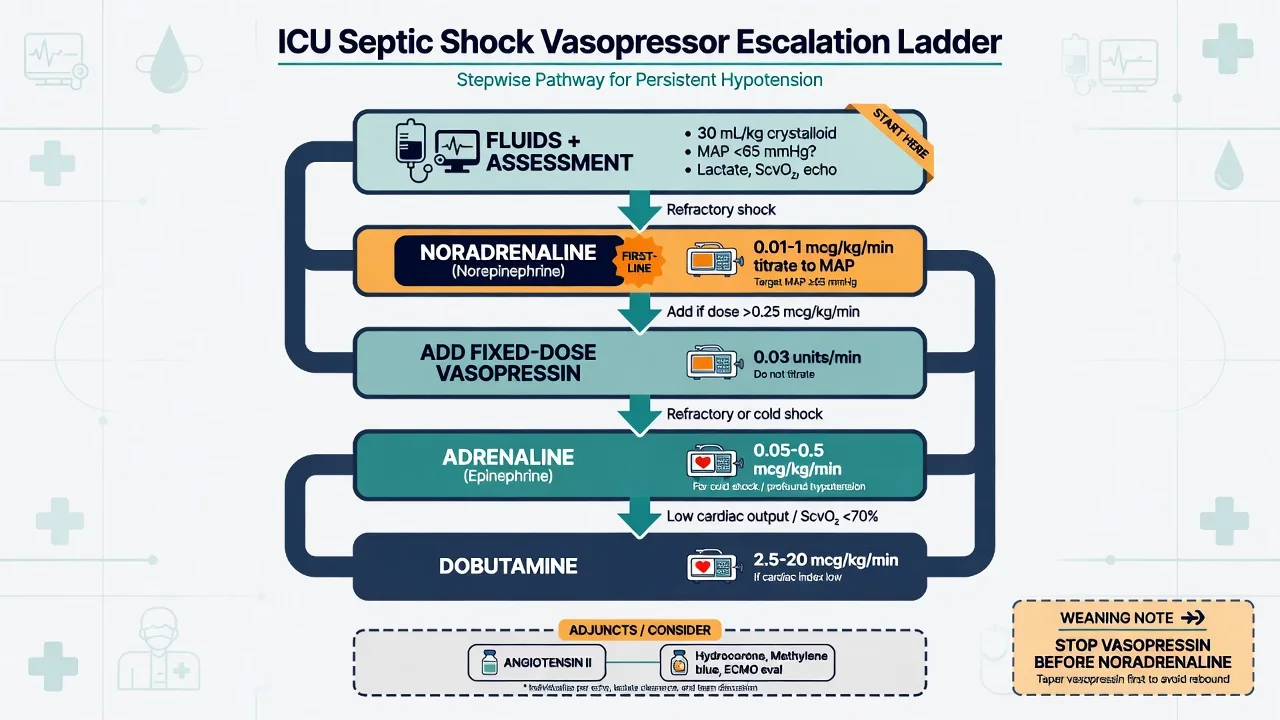
A 68-year-old man with septic shock from pyelonephritis and acute kidney injury (creatinine 280 micromol/L, eGFR 22 mL/min) is on noradrenaline 0.3 mcg/kg/min. Overnight the team prescribed DOBUTamine 5 mcg/kg/min for a low cardiac output state, but the documented intent was dopamine. A vancomycin order has also been written.
SAQ — High-alert medications: insulin, heparin and potassium on one patient
10 minutes · 10 marks
A 72-year-old ventilated patient in diabetic ketoacidosis is on an insulin infusion (50 units/50 mL, 1 unit/mL) and a weight-based unfractionated heparin infusion for new atrial fibrillation. The bedside nurse is asked to administer a 20 mmol potassium replacement.
Clinical pearls
Red flags
Scope: why ICU is the highest-risk medication environment
Critically ill patients receive more drugs than any other inpatient group — typically 10-20 concurrent medications, often infused simultaneously through a central line. Three overlapping features make the ICU the highest-risk environment for medication harm: [1]
- Patient vulnerability — renal and hepatic dysfunction (altered clearance), raised or augmented volume of distribution (sepsis, oedema, pregnancy), hypoalbuminaemia (changes free fraction of highly bound drugs such as phenytoin and tacrolimus), and a sedated/ventilated patient who cannot report early adverse symptoms (e.g. tinnitus, paraesthesia, itching).
- System complexity — rapid cycle of prescribing -> pharmacy -> preparation -> administration -> monitoring under time pressure; shift handovers; multiple prescribers; drug shortages forcing substitutions; copy-forward orders.
- Drug hazard density — a high proportion of ICU drugs are on the ISMP high-alert list (insulin, heparin, opioids, sedatives, neuromuscular blockers, concentrated electrolytes, vasoactives) where a single error can be rapidly fatal. [1]
The error rate is correspondingly high: roughly 1-2 errors per patient per day, with 5-10% of all prescriptions containing an error and 30-50% of adverse drug events (ADEs) judged preventable.[1][2]
Classification of ICU medication errors
Medication errors are best analysed by the stage of the medication-use process (prescribing -> transcribing -> dispensing -> administration -> monitoring), because each stage has distinct failure modes and distinct countermeasures. [1]
Medication errors by stage of the medication-use process
| Stage | Common failure modes | Typical example | Consequence | Stage-specific defence |
|---|---|---|---|---|
| Prescribing | Wrong drug (LASA confusion); wrong dose; wrong route; wrong frequency; duplicate therapy; allergy not checked; renal/hepatic dose not adjusted | DOPamine ordered instead of DOBUTamine; vancomycin not adjusted in AKI | Hypotension / hypotension; nephrotoxicity | CPOE with CDS, standard order sets, pharmacist review |
| Transcribing | Misreading handwriting; decimal-point error (10x); abbreviation error (U vs units) | "Insulin 10U" read as 100 units | Severe hypoglycaemia | CPOE (eliminates handwriting); forbid error-prone abbreviations |
| Dispensing / preparation | Wrong concentration mixed; wrong diluent; selection of look-alike bag | KCl bag selected instead of NaCl | Cardiac arrest | Standard concentrations; pharmacy-prepared infusions; tall man lettering |
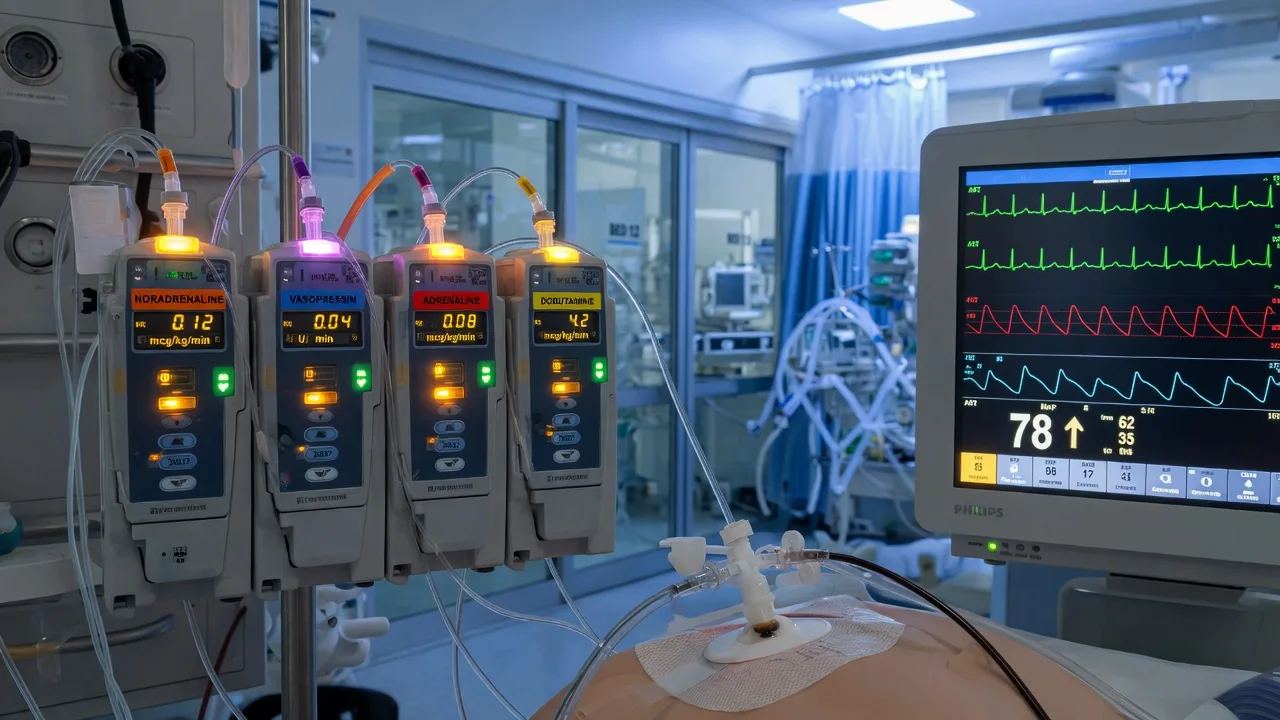
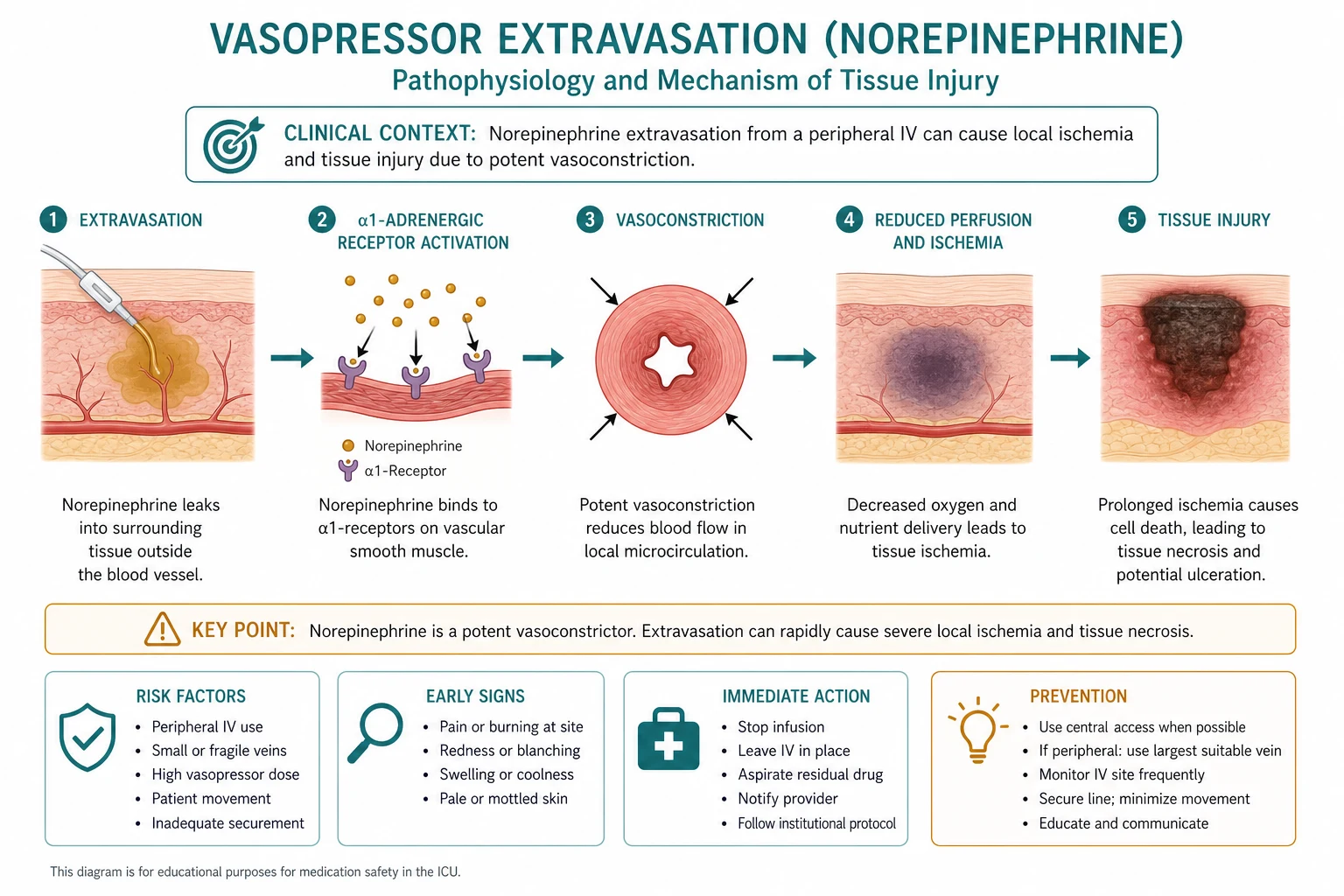
| Administration | Wrong patient; wrong rate; wrong time; wrong line (arterial vs central); omitted dose; IV push instead of infusion | Noradrenaline via peripheral line; KCl given as IV push | Extravasation / limb loss; cardiac arrest | BCMA; smart pump drug library; independent double-check |
| Monitoring | Missed drug level (vancomycin, aminoglycoside); missed reaction; QT not checked; INR not checked; glucose not checked | Vancomycin trough never drawn | Subtherapeutic / toxic; Torsades; bleeding | Protocol-driven TDM; automated reminders; pharmacist dashboard |
Prescribing errors in detail
Prescribing errors: types, examples and prevention
| Error type | Mechanism / example | Detection | Prevention |
|---|---|---|---|
| Wrong drug (LASA) | DOPamine vs DOBUTamine; hydrALAZINE vs hydrOXYzine; NIFEdipine vs niCARdipine; ceFAZolin vs cefEPime | Tall man lettering on screen; pharmacist check | Tall man lettering; forcing function in CPOE; shelf separation in pharmacy |
| Wrong dose (decimal) | 10x overdose (extra zero) or 1/10 dose (leading zero omitted) — "morphine .5 mg" read as 5 mg | Hard limits in CPOE; pharmacist check | Always use leading zero (0.5 mg, never .5); never trailing zero (5 mg, never 5.0 mg) |
| Wrong dose (organ function) | Vancomycin, beta-lactam, gabapentin, digoxin, enoxaparin not adjusted for AKI | Daily creatinine review; TDM | Renal-dosing alerts in CPOE; pharmacist daily review |
| Wrong route | IV potassium ordered as "IV push"; intrathecal vincristine | Double-check; route forcing function | Standardised routes in CPOE; concentrated KCl never stored on wards |
| Wrong frequency | Beta-lactam ordered once daily instead of q6h (time-dependent killing); aminoglycoside q8h instead of once daily | Pharmacist review | Standard order sets; dosing nomograms |
| Duplicate therapy | Two PPIs; antiplatelet + anticoagulant + NSAID stacked | Medication reconciliation | Duplicate-therapy alert in CPOE |
| Allergy not checked | Penicillin given to penicillin-allergic patient | Allergy alert in CPOE | Mandatory allergy field before order signs; pharmacist verification |
Administration errors
Administration is the most common error point by volume because every dose is an opportunity. The landmark failure modes are wrong patient, wrong rate, wrong time, wrong route/line, and omissions. The two system-level countermeasures with the strongest evidence are barcode medication administration (BCMA) — scanning the patient wristband, the drug, and the nurse ID at the bedside — and smart infusion pumps with a drug library that enforces soft and hard dose limits.[8][2]
Monitoring errors
Monitoring failures are easily overlooked because nothing "wrong" is given — a needed level is simply not drawn, or a warning sign is missed. They include: missed vancomycin/aminoglycoside/tacrolimus/phenytoin/digoxin levels, missed QTc checks when combining QT-prolonging drugs, missed INR on warfarin + antibiotics, missed glucose on an insulin infusion, and missed early signs of adverse reaction (serotonin syndrome, NMS, anaphylaxis, infusion reaction). The defence is protocol-driven therapeutic drug monitoring with automated reminders and a pharmacist-run levels dashboard. [1]
High-alert medications
The Institute for Safe Medication Practices (ISMP) List of High-Alert Medications identifies drugs that bear a heightened risk of causing significant harm when used in error. The defining feature is not that they are error-prone (all drugs are), but that the consequences of an error are catastrophic. ICU high-alert drugs fall into several clusters. [1]
High-alert medications in ICU (ISMP) — clusters, hazard and specific defence
| Cluster | Representative drugs | Principal hazard | ICU-specific defence |
|---|---|---|---|
| Insulins | All insulins (subcutaneous + infusion) | Hypoglycaemia -> seizures/brain injury/death | Independent double-check; "units" never "U"; standard 1 unit/mL infusion; hourly glucose check |
| Anticoagulants | Heparin (UFH infusion), LMWH, warfarin, DOACs, argatroban, bivalirudin | Major bleeding (or thrombosis if under-dosed) | Independent double-check; heparin protocol with aPTT/anti-Xa; weigh-based nomogram |
| Opioids / sedatives | Morphine, fentanyl, midazolam, propofol, dexmedetomidine | Respiratory depression; over-sedation; prolonged ventilation | Sedation analgesia protocol; daily awakening; RASS/RASS-CAM monitoring |
| Neuromuscular blockers | Rocuronium, vecuronium, cisatracurium, suxamethonium | Prolonged paralysis; fatal if given to non-ventilated patient | Independent double-check; "PARALYSED" label; never on an open ward |
| Concentrated electrolytes | KCl, hypertonic saline (3% / 23.4%), magnesium sulfate, calcium gluconate/chloride | Cardiac arrest if undiluted bolus; central-line only for 23.4% | NEVER ward stock of concentrated KCl; dilute; smart pump; central access for hypertonic saline |
| Vasoactives | Noradrenaline, adrenaline, vasopressin, dobutamine, dopamine | Extreme BP changes; tissue necrosis on extravasation | Standard concentrations; central line; smart pump; double-check |
| Chemotherapy / immunosuppressants | Vincristine (fatal if intrathecal), tacrolimus, ciclosporin | Fatal if wrong route/compounding; organ toxicity | Intrathecal vincristine NEVER (dispense in mini-bag, not syringe); TDM |
| Sedative withdrawal | Propofol infusion syndrome at high dose/long duration | PRIS ( metabolic acidosis, rhabdomyolysis, cardiac failure) | Dose <4 mg/kg/h; review >48 h; triglyceride monitoring |
Concentrated electrolytes — the classic preventable catastrophe
Undiluted potassium chloride given as an IV push causes rapid cardiac arrest and is the textbook example of a high-alert concentrated electrolyte. The international safety response is systems-based, not individual-based: concentrated KCl must not be stored on wards; it is removed from floor stock, kept only in pharmacy-prepared dilute infusions, and administered via smart pump. Hypertonic saline (3% and especially 23.4%) is similarly restricted: 3% requires central or large-bore peripheral access with a smart pump and rate limit; 23.4% is central-line only and never a bolus. The principle — force the hazard out of the ward environment so the error cannot physically occur — is a "forcing function," the strongest type of error-prevention control. [1]
Error-prevention strategies (the layered defence)
No single intervention eliminates medication errors; safety comes from layered, redundant defences (the "Swiss cheese" model) so that a hole in one layer is caught by the next. The evidence-based layers are summarised below. [1]
Error-prevention tools: mechanism, evidence strength and residual failure modes
| Tool | Mechanism | Evidence | Main residual failure / limitation |
|---|---|---|---|
| CPOE with CDS | Electronic ordering; legible; forces dose/route/allergy/interaction checks; standard sets | Reduces serious prescribing errors ~55%[2] | Alert fatigue (clinicians override 50-90% of alerts); wrong-patient-from-dropdown; copy-forward |
| Standard order sets / protocols | Pre-built, peer-reviewed bundles (sepsis, intubation, DKA, heparin, insulin) remove per-order calculation | Reduces variability and omissions | Becomes stale; encourages "tick-box" without thought |
| Standardised infusion concentrations | One concentration per drug unit-wide (e.g. noradrenaline 4 mg/250 mL; insulin 50 U/50 mL) | Eliminates at-the-cavity dilution errors | Requires pharmacy compounding capacity; drug shortages force deviation |
| Smart infusion pumps (DERS) | Drug library with soft/hard dose limits; infuses only within library range | Reduces infusion errors ~50-60% | Staff bypass library ("basic" mode) -> no protection; doesn't catch wrong drug |
| Barcode medication administration (BCMA) | Scan wristband + drug + nurse ID at bedside; closes the loop | Reduces administration errors ~50%[8] | Workarounds (scan after giving; scanned spare wristband); scan failure |
| Tall man lettering | Mixed case to distinguish LASA pairs (DOPamine vs DOBUTamine, hydrALAZINE vs hydrOXYzine) | Modest benefit; helps nurses on visual search[4] | Only helps for known pairs; does not help sound-alike verbal orders |
| Independent double-check (IDC) | Second qualified person, independently and separately, verifies drug/dose/route/patient for high-alert meds | Targets the highest-hazard drugs[7] | Becomes tokenistic ("tick together"); interrupts workflow; false security |
| Pharmacist in ICU | Daily review of every order: indication, dose, interactions, duplicates, omissions, TDM, organ-function adjustment | Reduces ADEs up to 66% (Leape 1999 ICU rounds)[1] | Needs 24/7 cover; depends on prescriber accepting advice |
| Medication reconciliation | Best-possible medication history at admission; reconcile at every transition; reconcile at discharge | Reduces discrepancies up to 70-80%[1][10] | Relies on a good history (collateral from family/pharmacy/GP) |
Forcing functions vs warnings
A key exam concept: forcing functions (physically preventing the error — e.g. removing concentrated KCl from wards, air-entraining connectors that cannot connect to IV lines) are far more powerful than warnings/alerts (which rely on the human reading and heeding them). The hierarchy of error control, strongest first: (1) forcing functions / constraints > (2) automation / computerisation > (3) standardisation / protocols > (4) reminders / checklists / double-checks > (5) rules / policies > (6) education / information. Designing to the top of this hierarchy is the essence of safe medication systems. [1]
Therapeutic drug monitoring (TDM)
TDM converts a guess into a measured concentration so that dose can be matched to the individual's clearance, which in ICU is highly variable (augmented renal clearance in sepsis; AKI; RRT; altered protein binding). The four classic ICU TDM targets are vancomycin, aminoglycosides, digoxin, and the anti-epileptics. [1]
Therapeutic drug monitoring targets in ICU
| Drug | Parameter / target | Why monitored | Sampling | Pitfall |
|---|---|---|---|---|
| Vancomycin | AUC/MIC 400-600 (trough ~15-20 mg/L as a proxy) | Narrow therapeutic window; nephrotoxicity if high; treatment failure/resistance if low | Bayesian AUC (2 levels) or trough just before 4th dose | Old "trough-only" dosing overexposes; combine with pip-tazo raises AKI[5] |
| Aminoglycosides (gentamicin, tobramycin, amikacin) | Peak/MIC; extended-interval (once-daily) -> high peak, low trough | Nephrotoxicity + ototoxicity; concentration-dependent killing + PAE | Random level 6-14 h post-dose -> nomogram; trough before next dose | Avoid with loop diuretics; reduce frequency in AKI[9] |
| Digoxin | Serum 0.5-0.9 ng/mL (HFrEF / AF); toxicity >2 ng/mL | Narrow window; toxicity precipitated by hypokalaemia, hypomagnesaemia, AKI, amiodarone, verapamil, macrolides | At least 6 h post-dose | Symptoms of toxicity non-specific (nausea, visual disturbance, arrhythmia); treat with Fab fragments |
| Anti-epileptics | Phenytoin 10-20 mg/L (free 1-2); valproate 50-100 mg/L; levetiracetam 12-46 mg/L; carbamazepine 4-12 mg/L | Prevent seizure recurrence; toxicity | Trough before dose | Hypoalbuminaemia falsely lowers total phenytoin -> correct (Sheiner-Tozer) or measure free level |
| Calcineurin inhibitors (tacrolimus, ciclosporin) | Tacrolimus trough 5-15 ng/mL (context-dependent) | Nephrotoxicity; rejection risk | Trough before dose | CYP3A4 interactions (azoles, macrolides) double levels[2] |
Vancomycin — the AUC paradigm shift
The 2020 consensus guideline replaced trough-only targeting with AUC/MIC-guided dosing (target AUC/MIC 400-600, i.e. AUC~24 400-600 mg*h/L for an MIC of 1 mg/L).[3] Rationale: trough is an imperfect proxy and maintaining trough 15-20 mg/L systematically overexposes patients, increasing nephrotoxicity without improving efficacy. Practical implementation uses Bayesian dosing with one or two levels fed back into a pharmacokinetic model, or two-level first-order PK. The guideline explicitly recommends avoiding routine piperacillin-tazobactam when vancomycin is needed, in favour of cefepime, to reduce vanco-piptazo AKI.[3][5]
Aminoglycosides — once-daily extended-interval dosing
Aminoglycosides exhibit concentration-dependent killing and a substantial post-antibiotic effect (PAE), and their toxicity (nephro/ototoxicity) is driven by cumulative exposure and sustained trough levels rather than the peak. These pharmacodynamic properties justify extended-interval (once-daily) dosing: a single large dose gives a high peak (better kill) and allows the trough to fall low (less toxicity). Monitoring uses a single random level drawn 6-14 h post-dose interpreted on a Hartford (or similar) nomogram to decide the next interval. Once-daily dosing is at least as effective and less nephrotoxic than divided dosing.[9] Contraindications to once-daily dosing include endocarditis (poor aminoglycoside penetration, synergy dosing preferred), burns (altered PK), and significant renal dysfunction.
Drug-drug interactions in ICU
Polypharmacy is unavoidable in ICU, and interactions are the rule rather than the exception. Three interaction mechanisms dominate exam questions: pharmacodynamic additive toxicity (most dangerously QT prolongation), pharmacokinetic interactions via cytochrome P450, and protein-binding displacement (relevant for phenytoin, warfarin, valproate in hypoalbuminaemia). [1]
QT prolongation — cumulative risk
The single most important concept: QT prolongation is additive across drugs. There is rarely one "QT-prolonging drug" to avoid — there is a cumulative QT burden across antibiotics (azithromycin, clarithromycin, fluoroquinolones, fluconazole, pentamidine, TMP-SMX), antiarrhythmics (amiodarone, sotalol, procainamide, quinidine), antipsychotics (haloperidol, droperidol, quetiapine, olanzapine), antiemetics (ondansetron, droperidol), opioids (methadone), and electrolyte disturbances (hypokalaemia, hypomagnesaemia, hypocalcaemia — which themselves prolong QT and are ubiquitous in ICU). Risk of Torsades de Pointes rises sharply when QTc exceeds 500 ms, and haloperidol in particular is a frequent ICU precipitant.[6] Management: obtain a baseline ECG; sum the QT-prolonging burden; correct K+/Mg2+/Ca2+; avoid stacking three or more QT-prolonging drugs; recheck QTc after each new addition; if QTc >500 ms, review and de-prescribe.
Cytochrome P450 interactions
Cytochrome P450 interactions in ICU
| Effect | Examples (drug) | Effect on substrate | Consequence |
|---|---|---|---|
| CYP3A4 inhibitors | Clarithromycin, erythromycin (NOT azithromycin), fluconazole, voriconazole, itraconazole, ritonavir, grapefruit | Raise levels of tacrolimus, ciclosporin, warfarin, statins, midazolam, fentanyl, corticosteroids | Tacrolimus nephrotoxicity; rhabdomyolysis; over-sedation; Cushingoid steroid toxicity |
| CYP3A4 inducers | Rifampicin, phenytoin, carbamazepine, efavirenz, St John's wort | Lower levels of the same substrates | Rejection (low tacrolimus); contraceptive failure; subtherapeutic DOAC/warfarin |
| CYP2C9 | Warfarin (substrate); fluconazole, amiodarone, TMP-SMX (inhibitors); carbamazepine, phenytoin, rifampicin (inducers) | Warfarin effect up or down | Bleeding or thrombosis |
| P-glycoprotein | Inhibitors (clarithromycin, verapamil, amiodarone, azoles) raise digoxin, DOAC, tacrolimus | Raised substrate levels | Digoxin toxicity; DOAC bleeding |
The high-yield exam interaction clusters: azoles + tacrolimus/warfarin/statins; macrolides + statins (rhabdomyolysis); warfarin + any antibiotic (INR up); SSRIs + linezolid/tramadol/methylene blue (serotonin syndrome); co-trimoxazole + ACEi/ARB/amiloride/spironolactone (hyperkalaemia); vancomycin + piperacillin-tazobactam (AKI).[2][5]
Medication reconciliation
Medication reconciliation is the formal process of creating the best-possible medication history (BPMH) and comparing it against active orders at every transition: admission, every transfer (ICU to ward and vice versa), and discharge.[1][10] Each transition has characteristic failure modes and fixes.
Medication reconciliation at each transition
- ADMISSION — build the BPMH — Use at least two sources (patient/family + community pharmacy + GP + old discharge summary). Capture OTC, herbal, recreational, and PRN drugs (especially St John's wort, NSAIDs, antiplatelets, anticoagulants, PPIs, inhalers, eye drops, contraceptives, methotrexate, steroids). For each, decide continue / hold / modify and document the rationale
- DURING ICU STAY — daily reconciliation — Pharmacist-led daily review: indication still present? dose right for today's renal/hepatic function? new interaction? duplicate class? home medication omitted (beta-blocker, anticonvulsant, immunosuppressant)? duration due to stop (antibiotics, steroids)?
- TRANSFER (ICU -> ward) — Reconcile ICU orders against ward orders: STOP ICU-only drugs (sedatives, vasopressors, NMBAs) explicitly; RESTART held home drugs where appropriate; flag drugs started in ICU that must continue (anticoagulation, PPI, new antiepileptic)
- DISCHARGE — Build an accurate, reconciled discharge list; communicate changes to the GP, community pharmacy and patient; counsel on high-alert new drugs (warfarin, DOAC, insulin); reconcile against the pre-admission list so nothing is accidentally dropped or duplicated
- DOCUMENT the reconciliation — Record discrepancies found and the resolution; reconciliation at all transitions reduces medication discrepancies by up to 70-80%
Worked flows
Independent double-check of a high-alert drug (e.g. IV heparin infusion)
- First nurse — independently prepares and calculates: confirms the indication (PE/DVT/ACS), the order (weight-based, e.g. 18 units/kg/h), the patient weight, the concentration (25,000 units/250 mL), the rate and the baseline aPTT/anti-Xa
- Second qualified person — WITHOUT being told the first nurse's answer, independently checks drug, concentration, rate, pump setting, line, and patient identity (barcode)
- Compare — the two checks must agree; any discrepancy -> stop, re-derive, escalate to pharmacist/medical
- Sign both — both names recorded; the check is "independent" (separate reasoning) not "together" (rubber-stamping)
- Monitor — aPTT/anti-Xa per protocol; bleed assessment; the double-check is repeated at any rate change that crosses a hard limit
Vancomycin AUC-guided monitoring workflow
- Load — 20-30 mg/kg actual body weight (use adjusted if >120% IBW) over 60-90 min; check baseline creatinine
- First maintenance dose — per renal function and population PK (or Bayesian software)
- Draw levels — two levels (peak + trough, or 2-point) within the first 24-48 h, OR a single level fed into a Bayesian model; never wait for a "steady-state trough" alone
- Compute AUC~24 — target 400-600 mg*h/L; adjust interval and dose to hit target[3]
- Recheck — every 2-3 days, and within 24 h of any significant change (RRT start/stop, vasopressor escalation, AKI) — ICU PK changes rapidly
- Avoid nephrotoxic stacking — prefer cefepime over pip-tazo for Pseudomonas cover; ensure adequate hydration; review other nephrotoxins (aminoglycosides, contrast, NSAIDs)[5]
Cumulative QT-risk management in ICU
- Baseline — 12-lead ECG; note QTc and any pre-existing prolongation, structural heart disease, electrolyte disorders, family history of LQTS
- Inventory — list EVERY QT-prolonging drug on the chart; quantify the cumulative burden
- Correct substrate — keep K+ > 4.0, Mg2+ > 0.8, Ca2+ normal — hypokalaemia/hypomagnesaemia are both QT-prolonging and ubiquitous in ICU
- Limit stacking — avoid combining 3+ QT-prolonging drugs where possible; prefer azithromycin over clarithromycin/moxifloxacin if an antibiotic is needed
- Recheck — repeat ECG after each new QT drug and after electrolyte correction; if QTc >500 ms -> review and de-prescribe[6]
- Watch for Torsades — polymorphic VT with twisting axis, long-short RR sequence, often pause-dependent -> IV magnesium sulfate 2 g, correct electrolytes, overdrive pacing or isoprenaline if bradycardia-dependent
Additional clinical pearls
Prognosis and landmark evidence
Landmark medication-safety evidence in critical care
Leape et al. 1999 (JAMA) — pharmacist on ICU rounds.[1] A pharmacist joined physician rounds in one ICU vs control. Preventable ADEs fell 66% (10.7 to 3.7 per 1000 patient-days). Established the ICU pharmacist as a core safety intervention, not an optional extra. PMID 10422996.
Computerised physician order entry (CPOE)
Bates et al. 1998 (JAMA) — CPOE + team intervention.[2] CPOE with decision support reduced serious medication errors by 55% at a tertiary hospital. The foundational evidence for electronic prescribing. Caveat that has held up over 25 years: alert fatigue and wrong-patient selection erode the benefit if alerts are not tuned. PMID 9794308.
Vancomycin AUC-guided dosing consensus
Rybak et al. 2020 (Clin Infect Dis) — revised vancomycin consensus.[3] Recommended AUC/MIC 400-600 over trough-only dosing, citing that trough targets of 15-20 mg/L overexpose patients and increase nephrotoxicity. Explicitly recommended avoiding routine piperacillin-tazobactam with vancomycin. PMID 32658968.
Vancomycin + piperacillin-tazobactam nephrotoxicity
Magagnoli et al. 2026 (Int J Antimicrob Agents).[5] Patients receiving vancomycin + piperacillin-tazobactam had higher rates of AKI, dialysis and mortality than those receiving vancomycin + cefepime. Supports cefepime as the preferred beta-lactam partner when MRSA cover is needed. PMID 42362071.
Adverse drug event outcomes in ICU
Burden of ADEs. ICU patients who experience an ADE have 2-3 extra ICU days, approximately double the mortality risk (partly marker of severity), and $5,000-10,000 additional cost per event. Roughly 30-50% of ADEs are preventable. The preventable fraction is the target of CPOE, pharmacist review, BCMA, smart pumps and reconciliation.
Exam technique
When asked "how do you reduce medication errors in your ICU": do not answer with a single intervention. Structure the answer as a layered defence (Swiss cheese): (1) CPOE with decision support and standard order sets; (2) standardised infusion concentrations; (3) smart pumps with a drug library; (4) barcode medication administration; (5) tall man lettering; (6) independent double-checks for high-alert drugs; (7) ICU pharmacist daily review; (8) medication reconciliation at every transition; (9) TDM; (10) a just culture that encourages reporting and root-cause analysis. Name the hierarchy of controls and emphasise that forcing functions > warnings. [1]
When given a drug-interaction vignette: classify the mechanism — pharmacodynamic additive (QT, serotonin, bleeding, hyperkalaemia) vs pharmacokinetic (CYP3A4/2C9 inhibition/induction, P-gp). State the clinical consequence, the monitoring (ECG, INR, level, K+), and the management (avoid, reduce dose, substitute — e.g. azithromycin for clarithromycin, cefepime for pip-tazo). [1]
When asked about high-alert drugs: define the concept (catastrophic consequence of error, not high error rate), give examples across clusters (insulin, anticoagulants, opioids, sedatives, NMBAs, concentrated electrolytes, vasoactives), and explain why the independent double-check and the forcing function (remove concentrated KCl from wards) are the key controls. [1]
When asked about TDM: give the target and the rationale (narrow window, variable ICU PK), name the sampling (vancomycin AUC 2-point/Bayesian; aminoglycoside Hartford nomogram random level; digoxin >6 h post-dose; phenytoin free level in hypoalbuminaemia), and the pitfalls (trough-only overexposure; vanco-piptazo AKI; digoxin toxicity precipitants; total-vs-free phenytoin). [1]
Summary
Medication safety in ICU is a systems problem, not an individual-virtue problem. Critically ill patients are exposed to the highest drug density in the hospital, a large fraction of those drugs are on the ISMP high-alert list, and the patient cannot report early adverse effects. The defences are layered — CPOE with decision support, standard order sets and concentrations, smart pumps with drug libraries, barcode medication administration, tall man lettering, independent double-checks of high-alert drugs, an embedded ICU pharmacist, medication reconciliation at every transition, and protocol-driven therapeutic drug monitoring. The single highest-yield interventions are the ICU pharmacist (mortality signal, ~66% reduction in preventable ADEs) and forcing functions that physically prevent the error (removing concentrated electrolytes from ward stock). A just culture underpins all of it: report without blame, analyse with root-cause methods, and design the error out of the system. [1]
References
- [1]Leape LL, Cullen DJ, Clapp MD, et al. Pharmacist participation on physician rounds and adverse drug events in the intensive care unit JAMA, 1999.PMID 10422996
- [2]Bates DW, Leape LL, Cullen DJ, et al. Effect of computerized physician order entry and a team intervention on prevention of serious medication errors JAMA, 1998.PMID 9794308
- [3]Rybak MJ, Le J, Lodise TP, et al. Therapeutic Monitoring of Vancomycin for Serious Methicillin-resistant Staphylococcus aureus Infections: A Revised Consensus Guideline and Review by the American Society of Health-system Pharmacists, the Infectious Diseases Society of America, the Pediatric Infectious Diseases Society, and the Society of Infectious Diseases Pharmacists Clin Infect Dis, 2020.PMID 32658968
- [4]Lohmeyer Q, Marque P, Bellier C, et al. Effects of tall man lettering on the visual behaviour of critical care nurses while identifying syringe drug labels: a randomised in situ simulation BMJ Qual Saf, 2023.PMID 35260415
- [5]Magagnoli J, Kumar A, Chatterjee S, et al. Kidney Injury, Dialysis, and Mortality with Vancomycin Plus Piperacillin-Tazobactam or Cefepime Int J Antimicrob Agents, 2026.PMID 42362071
- [6]Burbuqe I, Maitre AM, Drouin M, et al. QTc prolongation after haloperidol administration in critically ill patients post cardiovascular surgery: A cohort study and review of the literature Palliat Support Care, 2020.PMID 32345400
- [7]Zhao J, Wang Y, Huang X, et al. Nurses' Adherence to Double-Checking: A Systematic Review of Influencing Factors, Improvement Strategies, and Their Effectiveness Int Nurs Rev, 2026.PMID 41987356
- [8]Tan W, Liu Y, Chen M, et al. The impact of barcode-assisted medication administration on medication administration errors in non-unit-dose settings: A systematic review Contemp Nurse, 2026.PMID 41308039
- [9]Smyth AR, Bhatt J, Ratjen F, et al. Once-daily versus multiple-daily dosing with intravenous aminoglycosides for cystic fibrosis Cochrane Database Syst Rev, 2017.PMID 28349527
- [10]Ribed A, Gimenez-Manzoro A, Romero-Jimenez RM, et al. Improving medication safety in the perioperative setting: development of a medication use process Br J Anaesth, 2025.PMID 40461347