ICU · Resuscitation
Fluid therapy and resuscitation fluids in ICU
Also known as Crystalloid vs colloid · Balanced vs saline · SMART trial · SALT-ED trial · SPLIT trial · SAFE trial · Hyperchloraemic metabolic acidosis · Stewart strong ion difference · Albumin indications · Hydroxyethyl starch · CHEST trial · 6S trial · Damage control resuscitation · ROSE fluid model · Fluid overload · De-resuscitation · CLASSIC trial · CLOVERS trial
Fluid therapy is the commonest ICU intervention and one of the few that is genuinely a drug — with a pharmacokinetic volume of distribution, a narrow therapeutic window, and a measurable toxicity profile. Two questions dominate: WHICH fluid and HOW MUCH. WHICH: balanced crystalloids (Hartmann, Plasma-Lyte 148, Ringer acetate) are preferred first-line — the SMART (NEJM 2018) and SALT-ED (NEJM 2018) trials showed less acute kidney injury and a mortality signal in favour of balanced solutions over 0.9% saline; saline causes hyperchloraemic metabolic acidosis via a fall in the strong ion difference (Stewart), renal afferent vasoconstriction and coagulopathy. Colloids: albumin is equivalent to saline (SAFE, NEJM 2004) and may help severe sepsis subgroups (ALBIOS); hydroxyethyl starch (HES) is harmful — increased AKI and mortality (CHEST and 6S, NEJM 2012) and is now restricted/banned. HOW MUCH: fluid responsiveness is assessed dynamically (passive leg raise, PPV/SPV/SVV, IVC variability, end-expiratory occlusion) — only about half of ICU patients respond to a bolus. The four-phase ROSE model (Rescue, Optimisation, Stabilisation, De-escalation) frames therapy; cumulative positive fluid balance is an independent predictor of AKI, ARDS and death. The CLASSIC (NEJM 2022), CLOVERS (NEJM 2023) and FACTT (NEJM 2006) trials mandate a restrictive strategy once shock resolves. Damage control resuscitation in trauma uses permissive hypotension, haemostatic (1:1:1) transfusion and early haemorrhage control.
On this page & tools
Your progress
Saved locally on this device.
Target exams
Red flags

Why fluid therapy matters — the framing
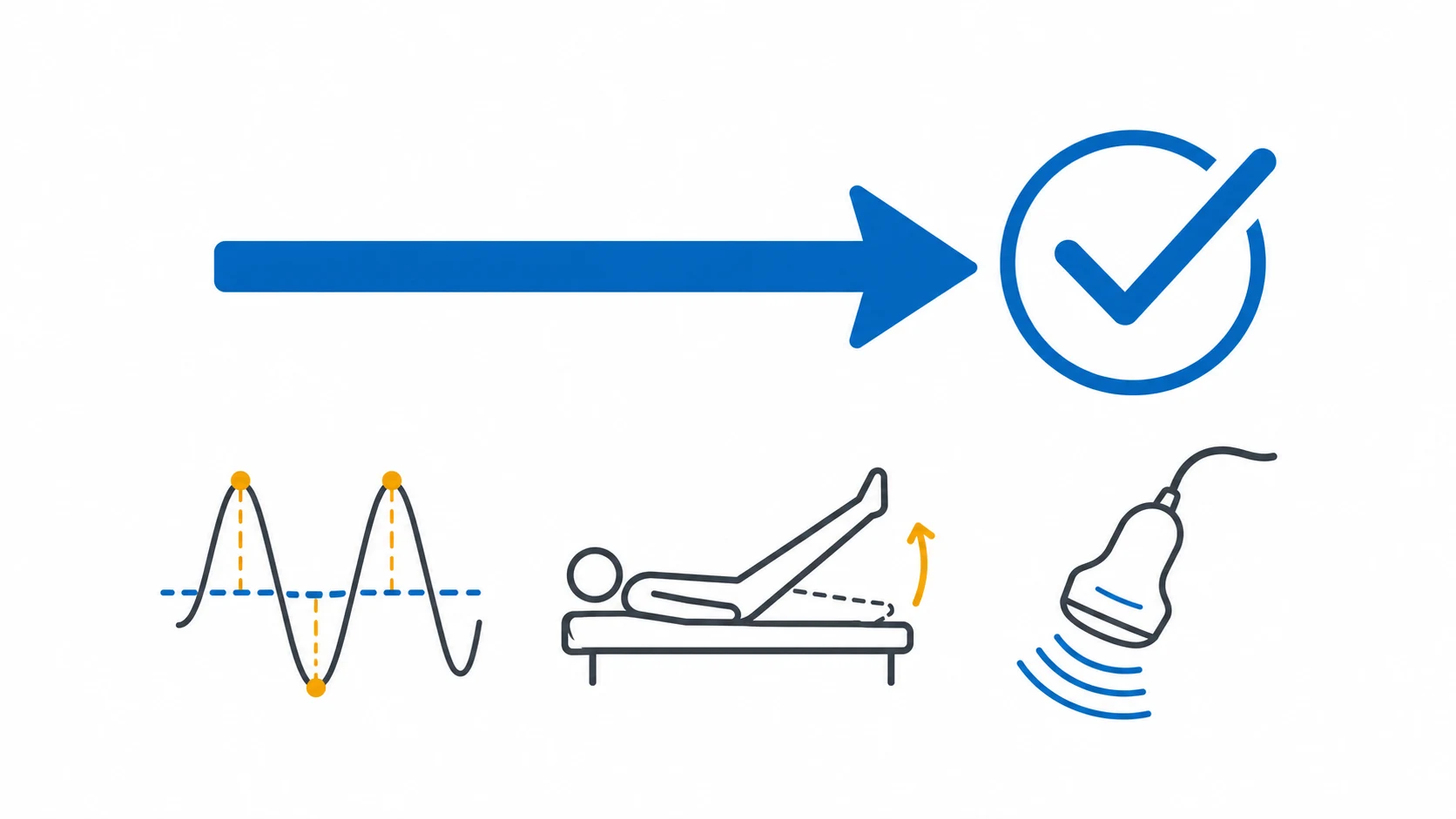
Intravenous fluid is the most frequently prescribed drug in intensive care, yet for decades it was treated as inert — "just give a litre." The modern view is the opposite: fluid is a drug with a volume of distribution, a dose-response curve, a narrow therapeutic window and a toxicity profile.[1][7] Two clinical questions frame every prescription:
- Which fluid? Crystalloid vs colloid; balanced vs saline; the choice is no longer neutral — it changes kidney outcomes and possibly mortality.[1][3]
- How much? Only about half of ICU patients are fluid responsive at any given moment; cumulative positive balance is an independent predictor of AKI, ARDS, prolonged ventilation and death.[7][8][9]
The exam-ready synthesis: balanced crystalloid for nearly everything, no starch, albumin for specific indications, dynamic assessment before every bolus, and a restrictive strategy after shock resolves. [1]
Fluid therapy — the numbers that matter
Types of resuscitation fluids — overview
Balanced crystalloids
Preferred first-line
- Hartmann solution (Ringer lactate): Na 131, Cl 111, K 5, Ca 2, lactate 29 mmol/L
- Plasma-Lyte 148: Na 140, Cl 98, K 5, Mg 1.5, acetate 27, gluconate 23 mmol/L
- Ringer acetate: Na 131, Cl 112, K 4, Ca 1.5, Mg 1, acetate 27 mmol/L
- Advantages: electrolyte composition closer to plasma, lower chloride, less acidosis, less AKI
- SMART (NEJM 2018): balanced crystalloids reduced mortality (10.3% vs 11.1%) and MAKE30 (14.3% vs 15.4%) vs saline in ICU
- SALT-ED (NEJM 2018): balanced crystalloids reduced MAKE30 (4.7% vs 5.6%) vs saline in ward patients
- Preferred for: resuscitation, maintenance, most ICU fluid therapy
Normal saline (0.9% NaCl)
Use selectively
- Na 154, Cl 154 mmol/L — supraphysiological chloride (plasma ~100)
- Causes hyperchloraemic metabolic acidosis via reduced strong ion difference (Stewart); NOT via bicarbonate "consumption"
- Acidosis → renal afferent arteriolar vasoconstriction → reduced GFR → AKI; also coagulopathy, impaired gut perfusion, reduced host defence
- Preferred when: hypochloraemia, hyponatraemia, traumatic brain injury (acetate/gluconate metabolised by liver, theoretical concern), TURP syndrome, drug dilution where incompatible with balanced solutions
- Limit use in large-volume resuscitation — SMART/SALT-ED trials
Colloids
Albumin (selective); HES (banned)
- Albumin 4% or 20% (salt-poor): SAFE trial (NEJM 2004) — equivalent to saline for resuscitation. Possible benefit in severe sepsis subgroup (ALBIOS, NEJM 2014). Use: severe sepsis with hypoalbuminaemia, post large-volume paracentesis, hepatorenal syndrome prophylaxis, ARDS with low oncotic pressure. AVOID in traumatic brain injury (SAFE subgroup: trend to harm).
- Hydroxyethyl starch (HES 130/0.4): DO NOT USE. CHEST (NEJM 2012): more RRT; 6S (NEJM 2012): more mortality and RRT in severe sepsis. BANNED/restricted by EMA (2013) and FDA. The "modern" low-molecular-weight HES is no safer.
- Gelatin (Gelofusine, Haemaccel): no outcome benefit; anaphylaxis risk; not recommended.
- Dextrans: impaired platelet function, anaphylaxis, interference with cross-matching; obsolete for resuscitation.
Hypertonic saline (3%, 5%)
Specific indications only
- 3% NaCl (513 mmol/L Na): raised ICP in traumatic brain injury, severe symptomatic hyponatraemia with seizures
- 5% NaCl: severe refractory hyponatraemia
- Not for routine resuscitation — osmotic shift risks (central pontine myelinolysis if Na rises >8-10 mmol/L/24 h)
- Monitor Na closely; correct slowly in chronic hyponatraemia
Dextrose / free water
NOT for resuscitation
- 5% dextrose distributes to total body water (2/3 intracellular); only ~7% remains intravascular — useless for volume expansion
- Use for: free water replacement, hypernatraemia, drug dilution, hypoglycaemia, DKA (as part of protocol once glucose <14)
- 4% dextrose + 0.18% saline: a maintenance fluid (low electrolyte content); largely inappropriate for sick ICU patients
Crystalloid composition — the exam table
Knowing the electrolyte composition of each crystalloid is a high-yield exam fact, because the differences are mechanistically important (chloride load drives hyperchloraemic acidosis).[12]
0.9% saline
Na 154 / Cl 154
- Na 154, Cl 154 mmol/L (no buffer, no K, no Ca, no Mg)
- SID = 0 (only Na and Cl, equal) → dilutes plasma SID → metabolic acidosis
- Osmolality 308 mOsm/kg; pH ~5.5 (acidic)
- Incompatible with some drugs; the default for blood product administration
Hartmann (Ringer lactate)
Na 131 / Cl 111
- Na 131, Cl 111, K 5, Ca 2, lactate 29 mmol/L
- SID ~28 (metabolised lactate is a weak anion) → near-physiological, no acidosis
- Lactate metabolised to bicarbonate in liver (also some kidney) — safe in most patients
- Calcium content: theoretically incompatible with citrated blood products in the same line (clotting risk)
Plasma-Lyte 148
Na 140 / Cl 98
- Na 140, Cl 98, K 5, Mg 1.5, acetate 27, gluconate 23 mmol/L
- SID ~50 — closest to plasma; lowest chloride of any crystalloid
- Buffers (acetate, gluconate) metabolised by muscle and most tissues (less liver-dependent than lactate) — preferred in hepatic failure
- Most expensive balanced solution; the most "physiological"
Ringer acetate
Na 131 / Cl 112
- Na 131, Cl 112, K 4, Ca 1.5, Mg 1, acetate 27 mmol/L
- SID ~29; acetate buffer (less liver-dependent than lactate)
- Common in Europe; the comparator arm of the 6S trial
Dextrose 5%
Free water
- 50 g/L dextrose, no electrolytes; ~200 mmol/L free water once dextrose metabolised
- Distributes across total body water; <10% intravascular
- NOT a resuscitation fluid
| Fluid | Na⁺ | Cl⁻ | K⁺ | Buffer / other | SID |
|---|---|---|---|---|---|
| Plasma | 140 | 100 | 4.5 | HCO₃⁻ 24 | ~40 |
| Plasma-Lyte 148 | 140 | 98 | 5 | Acetate 27, gluconate 23, Mg 1.5 | ~50 |
| Hartmann | 131 | 111 | 5 | Lactate 29, Ca 2 | ~28 |
| Ringer acetate | 131 | 112 | 4 | Acetate 27, Ca 1.5, Mg 1 | ~29 |
| 0.9% saline | 154 | 154 | 0 | None | 0 |
| 5% dextrose | 0 | 0 | 0 | Dextrose 50 g/L | — |
Hyperchloraemic metabolic acidosis — the Stewart mechanism
This is one of the most frequently examined mechanisms in fluid therapy and is almost universally misexplained. The traditional teaching — "saline causes acidosis because chloride 'buffers' or 'consumes' bicarbonate" — is wrong.[12]
Stewart's strong ion difference (SID)
Peter Stewart's 1981 quantitative acid-base approach shows that, in plasma, the independent determinants of pH are: (1) the partial pressure of CO₂, (2) the total weak acid concentration (albumin and phosphate — A_tot), and (3) the strong ion difference (SID) — the difference between fully dissociated cations and anions.[12]
SID = (Na⁺ + K⁺ + Ca²⁺ + Mg²⁺) − (Cl⁻ + lactate⁻ + other strong anions)
Plasma SID ≈ 40 mmol/L
``` <Cite id="1" />
The body defends plasma SID at ~40 mmol/L. Bicarbonate is **not** an independent variable — it is a **dependent** variable that adjusts to maintain electroneutrality given the SID. When chloride is added in excess, the SID **falls**, and to preserve electroneutrality the bicarbonate concentration must also fall. The result is a **hyperchloraemic metabolic acidosis with a normal anion gap.** <Cite id="1" />
### Why saline drives the acidosis
Each litre of 0.9% saline contains 154 mmol/L of both Na⁺ and Cl⁻ — an SID of **zero**. Infusing it dilutes the plasma SID toward zero (each litre drops plasma SID by roughly 5 mmol/L and the base excess by about **−2.3 mmol/L per litre**).<Cite id="12" /> The chloride load is the key: saline delivers **54 mmol/L more chloride than plasma**. Hartmann (Cl 111), Plasma-Lyte (Cl 98) and Ringer acetate (Cl 112) deliver chloride closer to plasma and contain metabolisable buffer anions (lactate, acetate, gluconate) that disappear on metabolism, effectively raising the SID.<Cite id="1" />
### The renal consequence — why hyperchloraemia causes AKI
Hyperchloraemia is not merely an acid–base curiosity. Raised serum chloride: <Cite id="1" />
- Constricts the **renal afferent arteriole** (tubuloglomerular feedback via macula densa chloride sensing), reducing glomerular filtration.<Cite id="1" />
- Reduces **renal cortical perfusion** demonstrable on MRI (the classic Chowdhury study).
- Causes **renal medullary tissue oedema**, raising intra-renal pressure.
- Impairs **coagulation** (calcium chelation effects, reduced fibrin polymerisation).
- Reduces **gut perfusion** and may impair host defence.
The clinical correlate is the SMART and SALT-ED signal: balanced crystalloids (less chloride) caused less AKI than saline.<Cite id="1" /><Cite id="3" />
<KeyFact title="The corrected explanation of saline-induced acidosis">
0.9% saline causes a **normal anion gap metabolic acidosis** because it delivers equal amounts of Na⁺ and Cl⁻ (SID = 0), which **dilutes the plasma strong ion difference**. To preserve electroneutrality at the lower SID, the bicarbonate concentration falls. It is NOT caused by "bicarbonate consumption" or "dilution of bicarbonate" per se. The high chloride load independently causes **renal afferent vasoconstriction** via tubuloglomerular feedback, which is the mechanism linking saline to AKI.
</KeyFact> <Cite id="1" />
## Crystalloid vs colloid — the conceptual debate
The theoretical argument for colloids is that they remain in the intravascular compartment longer (oncotic pressure holds them there), so a smaller volume achieves the same expansion — roughly **1 L colloid ≈ 3-5 L crystalloid** for intravascular volume. The counter-argument is three-fold: (1) in critical illness the endothelial glycocalyx is degraded and capillary leak is universal, so colloid escapes into the interstitium just as readily; (2) no trial has shown a mortality benefit for any colloid over crystalloid; (3) every synthetic colloid has a harmful signal (HES — AKI/death; gelatin — anaphylaxis; dextran — bleeding/anaphylaxis).<Cite id="5" /><Cite id="6" /><Cite id="11" />
The CRISTAL trial (Annane, JAMA 2013) is the only modern trial to suggest a colloid benefit — but it tested a **colloid strategy** (mostly HES and gelatin, then albumin) against a **crystalloid strategy** at a time when colloids were already being abandoned, and showed no difference in 28-day mortality (the primary outcome) but a post-hoc 90-day mortality difference in favour of colloids. It is widely viewed as hypothesis-generating only, and it predates / does not override the CHEST and 6S harms.<Cite id="11" />
The consensus: **crystalloids first-line; colloids (albumin only) for specific indications.** <Cite id="1" />
## Albumin — when to use it, when not to
Albumin is the only colloid with a defensible evidence base. The SAFE trial (Finfer, NEJM 2004) randomised 6997 ICU patients to 4% albumin vs 0.9% saline and found **no difference** in 28-day mortality (20.9% vs 21.1%) or organ failure — establishing that albumin is **not superior** to saline for general resuscitation.<Cite id="2" />
### Specific indications where albumin has a role
<FlowSteps title="When albumin is indicated (and when it is not)" steps={[
{ title: 'Severe sepsis / septic shock', detail: 'The SAFE subgroup suggested a trend to benefit in severe sepsis (RR 0.87). The ALBIOS trial (Caironi, NEJM 2014) gave 20% albumin to keep albumin >30 g/L in severe sepsis — no mortality difference overall, but a post-hoc survival signal in the septic-shock subgroup. Current Surviving Sepsis Campaign: suggest albumin PLUS crystalloid in patients requiring "substantial" amounts of crystalloid. Practical use: 4-5% albumin as the colloid adjunct after 2-3 L of crystalloid in septic shock.' },
{ title: 'Large-volume paracentesis (>5 L)', detail: 'Albumin 6-8 g per litre of ascites removed is the standard of care to prevent post-paracentesis circulatory dysfunction (PPCD) and hepatorenal syndrome. The only indication with robust randomised evidence of benefit.' },
{ title: 'Hepatorenal syndrome (HRS) prophylaxis and treatment', detail: 'Albumin is part of HRS therapy alongside terlipressin (or noradrenaline). Also used with antibiotic therapy in spontaneous bacterial peritonitis to prevent HRS.' },
{ title: 'ARDS with hypoalbuminaemia / low oncotic pressure', detail: 'The FACTT trial fluid-conservative arm used albumin + furosemide; albumin may transiently improve oxygenation when serum albumin is very low, but no mortality benefit.' },
{ title: 'NOT indicated / harmful', detail: 'Traumatic brain injury: SAFE subgroup showed a trend to harm (RR 1.62 for mortality) — AVOID albumin in TBI. General resuscitation where crystalloid suffices. Hypervolaemia / fluid overload.' },
]} /><Cite id="2" /><Cite id="10" /><Cite id="9" />
### Albumin formulations — know the difference
<Compare items={[
{ label: '4% or 5% albumin', sub: 'Iso-oncotic', accent: 'green', points: [
'4% (Australia/UK) or 5% (US) — roughly iso-oncotic with plasma',
'Used for volume expansion / resuscitation (the SAFE trial product)',
'Stays intravascular: ~1 L expands intravascular volume by ~0.8-1 L',
'Cheaper than 20%; the resuscitation formulation',
]},
{ label: '20% albumin', sub: 'Hyperoncotic', accent: 'amber', points: [
'Concentrated (4-5× the oncotic pressure of plasma)',
'Draws fluid from the interstitium INTO the intravascular space — net fluid mobilisation',
'Used for: hypoalbuminaemia with fluid overload, ALBIOS protocol, hepatorenal syndrome, post-paracentesis (>5 L), ARDS with low oncotic pressure',
'Risk of fluid overload if hypervolaemic; the "de-resuscitation" colloid',
]},
]} /> <Cite id="1" />
## Hydroxyethyl starch (HES) — the banned colloid
HES was widely used for two decades on the basis of small volume-expansion advantage. Two landmark trials in 2012 ended its routine use: <Cite id="1" />
- **CHEST** (Myburgh, NEJM 2012): 7000 general ICU patients, HES 130/0.4 vs saline. **No difference in 90-day mortality** (primary), but significantly **more RRT** (7.0% vs 5.8%) and more AKI by RIFLE criteria in the HES arm.<Cite id="5" />
- **6S** (Perner, NEJM 2012): 804 severe sepsis patients, HES 130/0.42 vs Ringer acetate. **Higher 90-day mortality** (51% vs 43%) and **more RRT** (22% vs 16%) with HES.<Cite id="6" />
In 2013 the **European Medicines Agency (EMA)** recommended that HES solutions no longer be used in patients with sepsis, burns or critical illness, and the **FDA** added a boxed warning and restricted use. The Cochrane review (2013, updated) concluded HES increases the need for RRT and probably increases mortality. **The exam answer is unambiguous: do not use HES in critically ill patients.**<Cite id="5" /><Cite id="6" />
## Key trials in fluid therapy
<div className="not-prose my-6 grid gap-4 md:grid-cols-2"> <Cite id="1" />
<TrialCard
title="SMART (Self, NEJM 2018)"
year={2018}
design="Pragmatic cluster-crossover RCT: 15,752 adults in 5 ICUs"
population="All critically ill adults (medical + surgical)"
intervention="Balanced crystalloids (Hartmann or Plasma-Lyte)"
control="Normal saline (0.9% NaCl)"
primary="30-day in-hospital mortality"
result="Balanced crystalloids reduced all-cause in-hospital mortality at 30 days (10.3% vs 11.1%, p=0.02) and MAKE30 (major adverse kidney events — death, new RRT or persistent renal dysfunction: 14.3% vs 15.4%, p=0.04). Benefit larger in sepsis and traumatic brain injury subgroups."
takeaway="Balanced crystalloids preferred over saline for nearly all ICU patients. The absolute mortality difference (~1%) is modest but significant across a large, heterogeneous population — arguably the most important fluid trial of the decade."
/><Cite id="1" />
<TrialCard
title="SALT-ED (Self, NEJM 2018)"
year={2018}
design="Single-centre cluster-randomised multiple-crossover RCT: 13,347 adults in the ED admitted to a non-ICU ward"
population="Non-critically ill adults receiving IV fluids in the emergency department"
intervention="Balanced crystalloids (lactated Ringer's or Plasma-Lyte A)"
control="Normal saline"
primary="Hospital-free days to day 28"
result="No difference in hospital-free days (25 days in both groups). BUT balanced crystalloids reduced MAKE30 (4.7% vs 5.6%, adjusted OR 0.82, p=0.01). The kidney signal seen in SMART extends to ward-level patients."
takeaway="Balanced crystalloids preferred even for non-critically ill ED patients. The kidney-safety signal is consistent with SMART and reinforces chloride avoidance as the mechanism."
/><Cite id="3" />
<TrialCard
title="SPLIT (Young, JAMA 2015)"
year={2015}
design="Multicentre cluster-crossover RCT: 2278 ICU patients in 4 New Zealand ICUs"
population="Mixed ICU patients (elective surgery excluded)"
intervention="Buffered crystalloid (Plasma-Lyte 148)"
control="Normal saline"
primary="Acute kidney injury (RIFLE — risk, injury, failure) within 90 days"
result="No difference in AKI (9.6% vs 9.2%) or RRT. BUT underpowered vs SMART, low baseline AKI rates, less saline exposure (median ~2 L) and shorter follow-up."
takeaway="SPLIT was a smaller, less saline-heavy trial than SMART and missed the kidney signal. SMART overtook it. The two are often contrasted in the exam — know WHY SPLIT was negative (underpowered, low saline exposure)."
/><Cite id="4" />
<TrialCard
title="SAFE (Finfer, NEJM 2004)"
year={2004}
design="Multicentre RCT: 6997 ICU patients (the definitive colloid trial)"
population="Critically ill adults requiring fluid resuscitation"
intervention="4% albumin"
control="Normal saline"
primary="Death from any cause within 28 days"
result="No difference in 28-day mortality (20.9% vs 21.1%) or organ failure. Pre-specified subgroups: trend to benefit in severe sepsis; SIGNIFICANT trend to harm in traumatic brain injury (RR 1.62)."
takeaway="Albumin is equivalent — NOT superior — to saline for general resuscitation. Use albumin selectively (severe sepsis), and AVOID in TBI. Killed the colloids-are-better dogma."
/><Cite id="2" />
<TrialCard
title="ALBIOS (Caironi, NEJM 2014)"
year={2014}
design="Multicentre RCT: 1818 severe sepsis / septic shock patients"
population="Severe sepsis or septic shock with hypoalbuminaemia"
intervention="20% albumin to maintain serum albumin ≥30 g/L plus crystalloid"
control="Crystalloid alone"
primary="28-day mortality"
result="No difference in 28-day or 90-day mortality overall. Post-hoc: a survival signal in the septic-shock subgroup at 90 days. No increase in adverse events."
takeaway="Routine albumin supplementation in severe sepsis does not improve mortality overall, but may help the shocked subset. Supports selective albumin use in septic shock needing large volumes."
/><Cite id="10" />
<TrialCard
title="CHEST (Myburgh, NEJM 2012)"
year={2012}
design="Multicentre RCT: 7000 ICU patients in 32 Australian/NZ ICUs"
population="General (heterogeneous) ICU patients requiring fluid resuscitation"
intervention="6% hydroxyethyl starch (HES 130/0.4)"
control="Normal saline"
primary="90-day mortality"
result="No difference in 90-day mortality (18% vs 17%). BUT HES caused significantly MORE renal-replacement therapy (7.0% vs 5.8%, p=0.04) and more AKI by RIFLE criteria."
takeaway="Even 'modern' low-molecular-weight HES is nephrotoxic. The mortality-neutral primary outcome is misleading — the kidney harm, combined with 6S, drove the EMA/FDA restrictions."
/><Cite id="5" />
<TrialCard
title="6S (Perner, NEJM 2012)"
year={2012}
design="Multicentre RCT: 804 patients in 26 Scandinavian ICUs"
population="Severe sepsis"
intervention="HES 130/0.42"
control="Ringer's acetate"
primary="90-day mortality or end-stage kidney failure"
result="HES caused HIGHER 90-day mortality (51% vs 43%, RR 1.17, p=0.03) and MORE renal-replacement therapy (22% vs 16%, RR 1.35)."
takeaway="The decisive starch trial in sepsis. HES kills septic patients and destroys their kidneys. Together with CHEST this ended HES use in critical illness."
/><Cite id="6" />
<TrialCard
title="CRISTAL (Annane, JAMA 2013)"
year={2013}
design="Multicentre RCT: 2857 hypovolaemic shock patients in 57 ICUs"
population="Hypovolaemic shock (any cause)"
intervention="Colloids (HES, gelatin, albumin, dextran) — clinician choice"
control="Crystalloids (saline, Ringer, Plasma-Lyte) — clinician choice"
primary="28-day mortality"
result="No difference in 28-day mortality (the primary, 27% vs 26%). Post-hoc 90-day mortality favoured colloids (31% vs 34%, p=0.03). Conducted as colloid use was being abandoned, so the colloid arm was heavily albumin."
takeaway="Hypothesis-generating only; a post-hoc signal does not overturn CHEST/6S. Frequently contrasted with SAFE — know the design difference (strategy vs single fluid)."
/><Cite id="11" />
<TrialCard
title="CLASSIC (Meyhoff, NEJM 2022)"
year={2022}
design="Multicentre RCT: 1554 ICU patients with septic shock"
population="Septic shock after initial resuscitation"
intervention="Restrictive IV fluid strategy (minimum volume; bolus only if documented responsiveness)"
control="Liberal IV fluid strategy (standard care)"
primary="Composite of death or severe renal dysfunction at 90 days"
result="No difference in the primary composite (62% vs 61%). The restrictive group received a median of 1.2 L vs 3.0 L after randomisation — NO HARM from less fluid, and a trend to less harm."
takeaway="A restrictive fluid strategy after the initial resuscitation of septic shock is safe. Reinforces that the second phase of sepsis resuscitation does not need ongoing liberal fluids."
/><Cite id="7" />
<TrialCard
title="CLOVERS (Shapiro/PETAL, NEJM 2023)"
year={2023}
design="Multicentre RCT: 1563 patients with sepsis-induced hypotension"
population="Sepsis-induced hypotension (early — within 4 h of presentation)"
intervention="Early restrictive strategy (prioritise vasopressors, minimal fluid, permissive hypotension until MAP ≥65)"
control="Liberal strategy (up to 5 L crystalloid in first 24 h before/with vasopressors)"
primary="90-day mortality (non-inferiority design)"
result="90-day mortality 21.0% (restrictive) vs 21.9% (liberal) — restrictive was NON-INFERIOR. Median fluid in first 24 h: 1.8 L vs 4.0 L. No excess ischaemic or renal harm."
takeaway="Earlier vasopressors with less fluid is an acceptable — arguably preferable — early sepsis strategy. A paradigm shift away from the 'give 30 mL/kg then vasopressors' orthodoxy."
/><Cite id="8" />
<TrialCard
title="FACTT / ARDSNet (Wiedemann, NEJM 2006)"
year={2006}
design="Multicentre RCT: 1000 ALI/ARDS patients"
population="Acute lung injury / ARDS"
intervention="Conservative fluid strategy (target CVP <4, PAOP <8) for 7 days"
control="Liberal fluid strategy (target CVP 10-14, PAOP 14-18)"
primary="Death at 60 days"
result="No difference in 60-day mortality (primary). BUT conservative fluid gave MORE ventilator-free days (14.6 vs 12.1), more ICU-free days, and LOWER cumulative fluid balance (−136 mL vs +6992 mL over 7 days) with NO increase in shock or renal failure."
takeaway="In ARDS, a conservative (de-resuscitative) fluid strategy is the standard — it shortens ventilation without harming kidneys or causing shock. The bedrock evidence for phase-4 (evacuation) fluid management."
/><Cite id="9" />
</div> <Cite id="1" />
## Fluid responsiveness — assess before every bolus
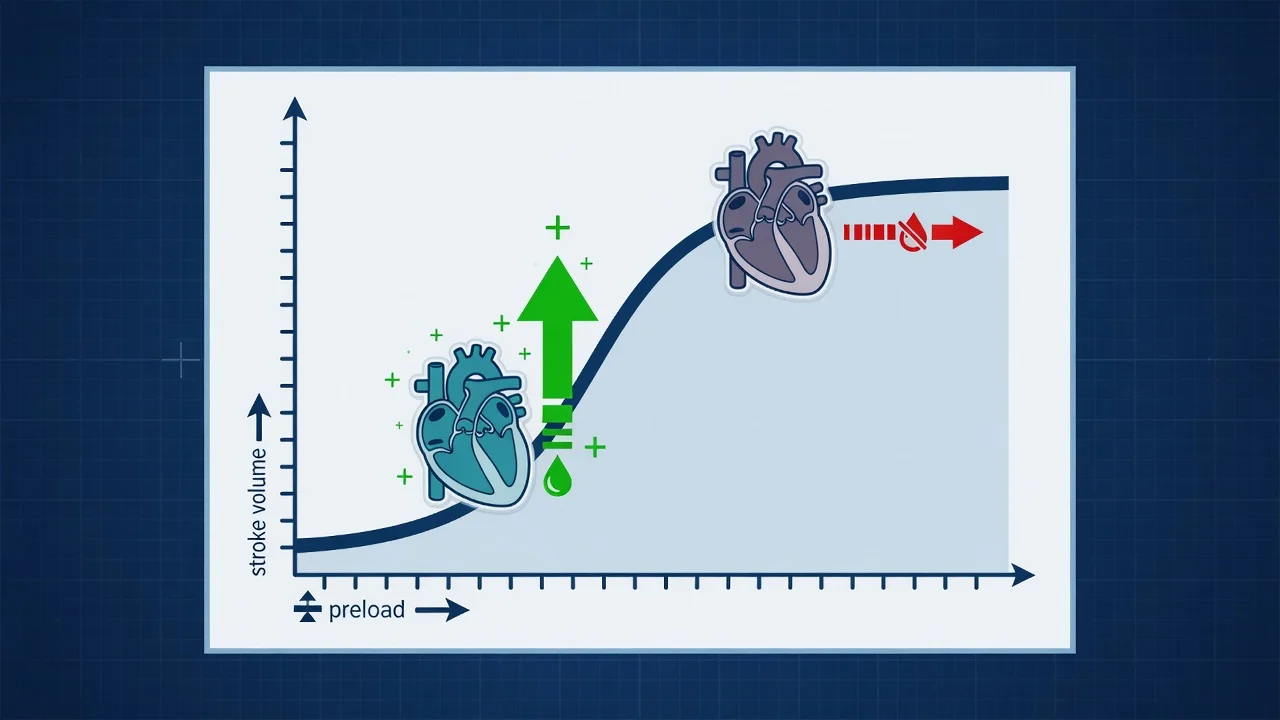
A fluid bolus increases stroke volume **only** if the heart is operating on the steep, preload-dependent portion of the Frank-Starling curve. At any moment in the ICU, only about **half of patients** are on that steep portion — which is why a "blind" bolus helps one patient and harms another.<Cite id="1" /> Static markers (CVP, PAOP) do **not** predict responsiveness (Marik's 2008 meta-analysis of 24 studies: a flat curve, area under the ROC 0.55).<Cite id="2" /> Dynamic markers — which provoke a change in preload and measure the change in output — are predictive. The full methodological detail is in the dedicated fluid-responsiveness topic; the high-yield summary follows.
<StatRow title="Dynamic tests of fluid responsiveness — thresholds" stats={[
{ value: '≥10%', label: 'PLR / VTI rise', hint: 'Rise in CO/SV/LVOT VTI after passive leg raise = responsive' },
{ value: '>13%', label: 'PPV threshold', hint: 'Arterial pulse pressure variation predicts responsiveness' },
{ value: '>12%', label: 'SVV threshold', hint: 'Stroke volume variation predicts responsiveness' },
{ value: '≥5%', label: 'EEOT rise', hint: 'CO rise after 15-s end-expiratory occlusion = responsive' },
]} /> <Cite id="1" />
### Passive leg raise (PLR) — the gold standard
A reversible, endogenous preload challenge: passive elevation of the legs transfers ~300 mL of venous blood into the thorax, exactly mimicking a bolus but without giving fluid.<Cite id="2" />
<FlowSteps title="Passive leg raise — correct technique" steps={[
{ title: 'Start semi-recumbent at 45° (head AND trunk up)', detail: 'The commonest error is starting supine. The 45° start transfers maximal venous volume and correctly tests the Frank-Starling slope.' },
{ title: 'Tilt the bed: trunk flat, legs at 45° for 60-90 seconds', detail: 'A whole-bed tilt is best (keeps the trunk horizontal). The effect peaks within 60-90 s and is gone within minutes.' },
{ title: 'Measure CO, SV or LVOT VTI in real time — BEFORE and DURING the peak', detail: 'Mandatory: you MUST have a real-time cardiac output monitor (echocardiographic LVOT VTI, arterial waveform PiCCO/Vigileo/LiDCO, or oesophageal Doppler). A PLR without a CO measurement is useless.' },
{ title: 'Positive if CO / SV / VTI rises by ≥10%', detail: 'A rise of at least 10% predicts responsiveness to a 500 mL bolus. Then give the bolus (250-500 mL balanced crystalloid) and reassess.' },
{ title: 'Return patient to semi-recumbent; effect is fully reversible', detail: 'Non-invasive, repeatable, gives no fluid. Works in spontaneous breathing and atrial fibrillation (where PPV/SVV cannot be used).' },
]} /> <Cite id="1" />
### Pulse pressure (PPV), systolic pressure (SPV) and stroke volume (SVV) variation
During **controlled mechanical ventilation**, positive-pressure inspiration raises intrathoracic pressure, reducing venous return and altering LV afterload. In a preload-dependent patient this produces a measurable beat-to-beat fall in stroke volume and pulse pressure during inspiration. The indices quantify that variation:<Cite id="1" />
- **PPV** = (PPmax − PPmin) / [(PPmax + PPmin)/2] × 100 — derived from the arterial line. **Threshold >13%** predicts responsiveness.
- **SVV** — from arterial waveform analysis or pulse contour (PiCCO, Vigileo, LiDCO). **Threshold >12%**.
- **SPV (systolic pressure variation)** = the difference between the maximum and minimum systolic pressure over a respiratory cycle. **ΔDown** (the inspiratory fall) >5 mmHg suggests responsiveness. Largely superseded by PPV but still examined. <Cite id="1" />
<KeyFact title="The five prerequisites for PPV / SVV / SPV — ALL must hold">
PPV, SVV and SPV are valid **only when ALL five** are met. Miss one and the index is uninterpretable (the exam answer is then "use the passive leg raise"):
1. **Controlled mechanical ventilation** — no spontaneous breaths (even partial triggering invalidates it).
2. **Tidal volume above 8 mL/kg PBW** — protective low tidal volumes (6 mL/kg in ARDS) dampen the variation → **false negative**.
3. **Regular cardiac rhythm** — atrial fibrillation, frequent ectopics, paced rhythms create beat-to-beat variation from the rhythm, not the ventilation.
4. **Closed chest and closed abdomen** — open chest or abdomen alter intrathoracic pressure dynamics.
5. **No raised right-heart afterload / cor pulmonale** — compressing the pulmonary vasculature produces a false positive.
</KeyFact> <Cite id="1" />
### Inferior vena cava (IVC) variability
The IVC diameter varies with respiration. The **direction** of variation depends on the breathing pattern: <Cite id="1" />
- **Spontaneous breathing — collapsibility index.** Negative intrathoracic pressure draws blood into the thorax; the IVC **collapses** with inspiration. **Collapse >40-50%** suggests low right-sided filling and probable responsiveness. Formula: (Dmax − Dmin)/Dmax × 100.
- **Mechanical ventilation — distensibility index.** Positive-pressure inspiration *increases* intrathoracic pressure, transiently overfilling the right heart; the IVC **distends** with inspiration. **Distensibility >18%** predicts responsiveness. Formula: (Dmax − Dmin)/Dmin × 100. <Cite id="1" />
IVC indices are the **simplest** bedside test (a single subxiphoid echo view) but the **least reliable** — pooled area under the ROC curve lower than the PLR. Unreliable (the exam answer is "use the PLR") in: spontaneous breathing, after abdominal surgery, raised intra-abdominal pressure, high PEEP, right heart failure. <Cite id="1" />
### End-expiratory occlusion test (EEOT)
In a mechanically ventilated patient, holding the ventilator at **end-expiratory hold for 15 seconds** removes the intrathoracic pressure swings of inspiration, transiently increasing venous return — a built-in reversible preload challenge. A rise in cardiac output or pulse pressure of **≥5%** during the occlusion predicts responsiveness. Especially useful where PPV is unreliable (low tidal volume, arrhythmia) provided the patient tolerates the 15-second hold. <Cite id="1" />
<Compare items={[
{ label: 'Advantages of EEOT', sub: 'Where it shines', accent: 'green', points: [
'Works at low tidal volumes (ARDS protective ventilation) where PPV fails',
'Reversible — no fluid given',
'Uses the arterial line you already have (pulse contour or pulse pressure)',
'Does not require a CO monitor if using pulse pressure change (though CO is better)',
]},
{ label: 'Limitations of EEOT', sub: 'When it fails', accent: 'amber', points: [
'Requires the patient to tolerate a 15-second apnoea (deeply sedated/paralysed)',
'Does not work in spontaneous breathing',
'Less validated than PLR (smaller evidence base)',
]},
]} />
### Echocardiography — LVOT VTI
The **left ventricular outflow tract velocity-time integral (LVOT VTI)** from transthoracic echo is a surrogate for stroke volume (SV = LVOT area × VTI). Measuring VTI **before and after** a PLR or a mini-bolus gives a percentage change that predicts responsiveness: a **VTI rise >10-15%** is positive. The advantage — no specialised monitor, any clinician competent in critical-care echo can perform it. <Cite id="1" />
## The four phases of fluid therapy (ROSE / SOSD model)
Fluid needs change over the course of critical illness. Vincent's **ROSE** model (Resuscitation, Optimisation, Stabilisation, Evacuation) — also described as **SOSD** (Salvage, Optimisation, Stabilisation, De-resuscitation) by Malbrain — frames fluid as a therapy with distinct phases, each with its own goal, type of fluid, and endpoint.<Cite id="7" /><Cite id="9" />
<SeverityGauge title="The four phases of fluid therapy (ROSE model) — click each" stages={[
{ label: 'RESCUE', name: 'Salvage (rescue)', mortality: '~high', color: '#dc2626', description: 'Overt shock with life-threatening hypoperfusion. The ONLY phase where blind boluses are justified if dynamic testing is not yet available. Goal: restore a perfusing pressure. Give 250-500 mL balanced crystalloid boluses rapidly; up to 30 mL/kg in septic shock (SSC). Endpoint: MAP >65, lactate falling, mottling resolving, urine output improving.' },
{ label: 'OPT', name: 'Optimisation (titration)', mortality: '~moderate', color: '#f59e0b', description: 'Shock improving but ongoing perfusion deficit. Fluid titrated to DYNAMIC tests of responsiveness (PLR, PPV/SVV, EEOT). Give boluses ONLY while the patient keeps responding. Bring in vasopressors early to reduce fluid needs. This is where most fluid-responsiveness knowledge is applied and where fluid overload is most often iatrogenically created.' },
{ label: 'STAB', name: 'Stabilisation', mortality: '~lower', color: '#22c55e', description: 'Shock resolved, no ongoing losses. Aim for ZERO or NEGATIVE fluid balance. Enteral nutrition provides most fluid needs. Stop unnecessary maintenance fluids (the commonest source of "creeping" overload). The phase where most fluid is given UNNECESSARILY.' },
{ label: 'EVAC', name: 'Evacuation (de-resuscitation)', mortality: '~lower', color: '#3b82f6', description: 'Actively remove accumulated fluid with diuretics (furosemide) or RRT (if AKI with overload). The patient who gained 8 L in resuscitation must lose 8 L to recover lung function and tissue perfusion. Target a negative balance; monitor daily weight, IVC ultrasound, fluid balance.' },
]} /> <Cite id="1" />
<FlowSteps title="ROSE fluid management — practical implementation" steps={[
{ title: 'Resuscitation (early — salvage)', detail: 'Goal: restore perfusion. Give fluid boluses (250-500 mL balanced crystalloid over 15-30 min) to fluid-responsive patients. Maximum 30 mL/kg in first few hours (SSC for septic shock). Continue until no longer responsive. End-point: MAP >65, lactate clearance >10%/h, urine output >0.5 mL/kg/h, ScvO₂ >70%. This is the only phase where boluses without dynamic testing are defensible.' },
{ title: 'Optimisation', detail: 'Goal: maintain perfusion without overload. Goal-directed therapy using dynamic monitoring (PLR, SVV/PPV, EEOT). Give smaller, more frequent boluses (100-250 mL). Use vasopressors EARLY to reduce fluid needs. Consider inotropes if low cardiac output. Transition from bolus to maintenance fluids. Monitor cumulative fluid balance hourly.' },
{ title: 'Stabilisation', detail: 'Goal: achieve zero or negative fluid balance. Reduce and STOP maintenance fluids. Enteral nutrition provides most fluid needs. Monitor daily weights, fluid balance, IVC ultrasound. Aim for euvolaemia. The patient should no longer need boluses. Audit every infusion: is it still needed?' },
{ title: 'Evacuation (de-resuscitation)', detail: 'Goal: remove excess fluid accumulated during resuscitation. Cumulative positive fluid balance is associated with worse outcomes (AKI, ARDS, mortality). Methods: furosemide 20-40 mg IV bolus or infusion; consider albumin 20% + furosemide (FACTT strategy) if hypoalbuminaemic; RRT with net ultrafiltration if AKI with fluid overload. Target: negative fluid balance, return toward admission weight. Monitor with daily weights, IVC ultrasound, B-lines on lung ultrasound.' },
]} /><Cite id="7" /><Cite id="9" />
<KeyFact title="Cumulative fluid balance is an independent predictor of mortality">
Across sepsis, ARDS and post-operative cohorts, a positive cumulative fluid balance — particularly above ~1.7-3 L at 72 hours — is independently associated with increased mortality, AKI, prolonged mechanical ventilation and longer ICU stay. The relationship is dose-dependent: more fluid, worse outcome. This single fact is the rationale for the entire restrictive/de-resuscitative paradigm.
</KeyFact> <Cite id="1" />
## Damage control resuscitation (DCR) — trauma
Damage control resuscitation is the integrated trauma strategy that emerged from the Iraq/Afghanistan conflicts and replaced the "give crystalloid until normotensive" era. It has three pillars, all aimed at preventing the **lethal triad** of acidosis, hypothermia and coagulopathy.<Cite id="9" />
<FlowSteps title="Damage control resuscitation — the three pillars" steps={[
{ title: '1. Permissive hypotension', detail: 'Resuscitate to a LOWER than normal blood pressure until haemorrhage control is achieved — typically MAP 50-65 mmHg (systolic ~80-90). The aim is to avoid "popping the clot": high pressure dislodges fresh haemostatic clots and dilutes clotting factors. AVOID in traumatic brain injury (need CPP, so MAP >80) and in the elderly/coronary disease. Endpoint: mentation, palpable radial pulse, MAP ~65, lactate trend.' },
{ title: '2. Haemostatic (1:1:1) transfusion', detail: 'Give packed red cells, fresh frozen plasma and platelets in a 1:1:1 ratio — mimicking whole blood — early in massive transfusion. The PROPPR trial (Holcomb, JAMA 2015) showed 1:1:1 achieved earlier haemostasis and fewer exsanguination deaths than 1:1:2. Avoid/limit crystalloid — the CRASH-2 trial showed tranexamic acid (1 g IV over 10 min, then 1 g over 8 h) within 3 hours reduces mortality if given early. Cryoprecipitate/fibrinogen for low fibrinogen.' },
{ title: '3. Early definitive haemorrhage control', detail: 'The whole strategy is a bridge to surgery / interventional radiology. Damage control surgery (clamp/pack/leave) before physiological exhaustion. Angio-embolisation for pelvic bleeding. Rotate the tourniquet time. Reverse anticoagulants (prothrombin complex concentrate for warfarin; specific reversal agents for DOACs). Prevent hypothermia (warmed fluids, forced-air warming, raised ambient temperature). Correct acidosis (restore perfusion).' },
]} /> <Cite id="1" />
<Compare items={[
{ label: 'Traditional (legacy) trauma resuscitation', sub: 'Now obsolete', accent: 'red', points: [
'Aggressive crystalloid (2 L bolus then more) to normotension',
'Crystalloid-first, blood-later philosophy',
'Dilutional coagulopathy from crystalloid',
'Hypothermia from cold fluid',
'Worsened acidosis (saline), worse clotting, higher mortality',
]},
{ label: 'Damage control resuscitation', sub: 'Modern standard', accent: 'green', points: [
'Permissive hypotension (MAP ~65) until haemorrhage control',
'Blood-first, crystalloid-minimised philosophy',
'1:1:1 PRBC : FFP : platelets (mimics whole blood)',
'TXA within 3 hours (CRASH-2), warmed fluids, prevent hypothermia',
'Earlier haemostasis, less coagulopathy, lower mortality',
]},
]} />
<KeyFact title="Permissive hypotension — the two absolute contraindications">
Permissive hypotension is **contraindicated in traumatic brain injury** (the injured brain needs a cerebral perfusion pressure, so MAP must be kept ≥80 to maintain CPP given raised ICP) and **relative contraindication in the elderly / known coronary disease** (tolerate hypotension poorly). In these patients resuscitate to a normal MAP while still minimising crystalloid and prioritising blood products.
</KeyFact> <Cite id="1" />
## Special populations — fluid choice and strategy
### Sepsis and septic shock
The Surviving Sepsis Campaign 2021 gives a **weak** recommendation for at least 30 mL/kg crystalloid within the first 3 hours — this figure is contested (it derives from the PROCESS/ARISE/PROMISE-era protocolised care, not from RCT evidence of the volume itself).<Cite id="7" /><Cite id="8" /> The modern, evidence-based approach after the early bolus is **restrictive**: re-assess responsiveness before every subsequent bolus; start noradrenaline early (CLOVERS supports earlier vasopressors with less fluid); add albumin if "substantial" crystalloid is needed; and de-resuscitate aggressively once shock resolves. Balanced crystalloid is the fluid of choice (SMART subgroup signal).<Cite id="1" />
### Acute respiratory distress syndrome (ARDS)
FACTT (NEJM 2006) is definitive: a **conservative** fluid strategy (target CVP <4, PAOP <8) gives more ventilator-free days and more ICU-free days with no renal or shock harm.<Cite id="9" /> In ARDS, the de-resuscitation phase starts early — furosemide once shock has resolved, albumin 20% + furosemide if hypoalbuminaemic, lung-ultrasound B-lines to track extravascular lung water, and prone positioning to improve oedema-related shunt.
### Trauma and haemorrhagic shock
Damage control resuscitation (above). Balanced crystalloid preferred over saline (avoid worsening acidosis and coagulopathy). Minimise crystalloid; blood products first; permissive hypotension except in TBI. <Cite id="1" />
### Diabetic ketoacidosis (DKA)
Aggressive isotonic fluid resuscitation (1-1.5 L in the first hour, typically balanced crystalloid or saline) to restore intravascular volume, then replacement of the free-water and sodium deficit over 24-48 h. Caution: rapid correction of glucose and osmolality; 0.45% saline once corrected Na is normal/high. The fluid choice (saline vs balanced) is debated — saline contributes to acidosis (already present in DKA) and to hyperchloraemic non-anion-gap acidosis that can masquerade as persistent ketoacidosis. <Cite id="1" />
### Burns
The Parkland formula (4 mL × kg × %TBSA, half in first 8 h from the time of burn, half over next 16 h) using Ringer lactate (Hartmann). The Rule of 9s estimates %TBSA. Endpoint: urine output 0.5 mL/kg/h (adults) or 1 mL/kg/h (children). Modern practice is **goal-directed** (titrate to urine output) rather than formula-bound; the Parkland formula is a starting estimate only. Colloid (albumin) may be added after 12-24 h. Avoid hypothermia (warmed fluids). <Cite id="1" />
### Acute heart failure / cardiogenic shock
Fluid overload is the problem, not hypovolaemia. Diurese aggressively (furosemide IV; thiazide add-on if resistant). In cardiogenic shock, carefully assess responsiveness (the failing heart is often on the flat part of Starling); small boluses only with continuous CO monitoring. Albumin is rarely helpful (oncotic pressure already high). Vasopressors/inotropes early. <Cite id="1" />
### Cirrhosis and hepatorenal syndrome
Albumin is first-line for volume: post-paracentesis (>5 L), spontaneous bacterial peritonitis (prevents HRS), and as the colloid adjunct to terlipressin/noradrenaline in HRS treatment. Avoid aggressive crystalloid (worsens ascites). 20% albumin preferred (mobilises interstitial fluid). <Cite id="1" />
### Traumatic brain injury (TBI)
Avoid hypo-osmolar fluids (worsen cerebral oedema) and dextrose (hyperglycaemia worsens secondary brain injury). Use **0.9% saline** or hypertonic saline (3%) for osmotherapy — balanced solutions are theoretically less ideal because acetate/gluconate metabolism may affect osmolality, though evidence is weak. **Avoid albumin** (SAFE TBI subgroup: harm). Maintain MAP ≥80 (CPP target 60-70) with noradrenaline; avoid hypotension at all costs. <Cite id="1" />
### Acute kidney injury (AKI)
Avoid nephrotoxic fluids (HES — absolutely; large-volume saline — relatively). Balanced crystalloids preferred (SMART). Once AKI established with fluid overload, de-resuscitate with diuretics; if refractory, RRT with net ultrafiltration. Do not "force urine" with ongoing fluid in a non-responsive kidney. <Cite id="1" />
## Fluid overload — recognising and managing the harm
Fluid overload is one of the commonest iatrogenic harms in ICU. The harms are mechanistic and multi-system: <Cite id="1" />
- **Pulmonary** — extravascular lung water, worsening oxygenation, longer ventilation (FACTT).<Cite id="9" />
- **Renal** — renal venous congestion, raised intra-abdominal pressure, reduced GFR, perpetuating AKI.<Cite id="7" />
- **Gut** — bowel wall oedema, impaired motility, malabsorption, bacterial translocation, abdominal compartment syndrome.
- **Tissue** — peripheral and interstitial oedema, impaired wound healing, decubitus ulcers, impaired muscle function (ICU-acquired weakness).
- **Cardiac** — raised right-sided pressures, cor pulmonale, reduced coronary perfusion.
<FlowSteps title="De-resuscitation — actively removing excess fluid" steps={[
{ title: 'Recognise the cumulative positive balance', detail: 'Calculate the net fluid balance since admission daily. A cumulative balance above ~3-5 L at 72 h is a red flag. Track daily weight where possible. Lung ultrasound B-lines and IVC distensibility are bedside tools.' },
{ title: 'Stop the input — audit every infusion', detail: 'The commonest cause of ongoing overload is "creeping" maintenance and KVO (keep-vein-open) fluids and drug-dilution fluid. Switch drug infusions to minimal carrier volumes; stop maintenance fluid if the patient is eating.' },
{ title: 'Furosemide — bolus or infusion', detail: 'Furosemide 20-40 mg IV bolus, or a continuous infusion (5-20 mg/h) for a controlled negative balance. Aim for 1-2 L net negative per day (gentler in renal impairment). Monitor electrolytes (K⁺, Mg²⁺). Assess response with urine output and weight.' },
{ title: 'Albumin + furosemide (the FACTT strategy)', detail: 'In hypoalbuminaemic patients, combining 20% albumin with furosemide mobilises interstitial fluid and improves the diuretic response (albumin restores oncotic pressure; furosemide removes the mobilised fluid).' },
{ title: 'RRT with net ultrafiltration', detail: 'If AKI coexists with fluid overload refractory to diuretics, initiate RRT (CVVHDF or intermittent) with a prescribed negative fluid balance. Slow, controlled ultrafiltration avoids haemodynamic instability.' },
{ title: 'Monitor and re-target', detail: 'Track daily weight, fluid balance, B-lines, IVC, lactate and perfusion. Stop de-resuscitation if perfusion deteriorates (over-correction back into hypovolaemia). The goal is euvolaemia, not dehydration.' },
]} /><Cite id="7" /><Cite id="9" />
## Maintenance fluids — a frequent source of harm
Maintenance fluid is the fluid given to meet daily water, electrolyte and (sometimes) glucose requirements when the patient cannot take full enteral intake. The three errors to avoid: <Cite id="1" />
1. **Giving maintenance fluid when the patient is eating** — enteral nutrition and oral intake meet almost all needs; routine maintenance fluid in a fed ICU patient is usually unnecessary.
2. **Choosing 0.9% saline as maintenance** — its high sodium and chloride cause hypernatraemia, hyperchloraemic acidosis and AKI. The "salt and water" approach of the 1998 NICE guidance — 25-30 mL/kg/day water, ~1 mmol/kg/day Na⁺ and K⁺ — is best delivered by a balanced, lower-sodium solution (e.g. Plasma-Lyte + KCl, or Hartmann + 5% dextrose alternating).
3. **"Creeping" maintenance** — small volumes that nobody reviews, accumulating over days into litres of overload. Audit the fluid chart daily. <Cite id="1" />
<KeyFact title="Maintenance fluid — the right prescription">
Daily requirements (NICE CG174, adapted): water 25-30 mL/kg/day, sodium 1-1.5 mmol/kg/day, potassium 1 mmol/kg/day. Default to a **balanced crystalloid** (NOT saline) and add KCl. Give glucose only if needed (e.g. DKA protocol, hypoglycaemia). Review every 24 h; STOP the moment enteral nutrition is tolerated. The single biggest maintenance-fluid error is leaving it running in a patient who is already eating.
</KeyFact> <Cite id="1" />
## Exam practice
<SaqBlock
title="SAQ — Fluid choice in septic shock"
stem="A 72-year-old woman is admitted to the ICU with urosepsis and septic shock. She has received 30 mL/kg of 0.9% saline in the emergency department (total 1.8 L). She remains hypotensive: HR 118, BP 82/48 (MAP 59), warm peripheries, lactate 3.8 mmol/L, urine output 0.2 mL/kg/h. She is intubated and ventilated (volume control, Vt 8 mL/kg PBW, PEEP 8), in sinus rhythm. Her serum chloride is 112 mmol/L (ref 98-106), pH 7.28, base excess −6. Her central venous pressure is 8 mmHg."
duration={10}
totalMarks={10}
parts={[
{ question: 'Critically appraise the choice of 0.9% saline as her resuscitation fluid and explain her acid-base abnormality. What fluid would you use next and why?', marks: 4, answer: 'Her saline resuscitation has caused a hyperchloraemic metabolic acidosis — chloride 112 mmol/L, pH 7.28, base excess −6, with a normal anion gap implied. The mechanism (Stewart) is that saline has a strong ion difference of zero (Na⁺ 154 = Cl⁻ 154); infusing it lowers the plasma SID, and to preserve electroneutrality the bicarbonate concentration falls. This is NOT bicarbonate "consumption." Hyperchloraemia additionally causes renal afferent arteriolar vasoconstriction via tubuloglomerular feedback, worsening her AKI risk. The SMART trial (NEJM 2018) showed balanced crystalloids reduce mortality and MAKE30 vs saline in ICU; SALT-ED extended the kidney signal to ward patients. I would switch to a BALANCED crystalloid (Hartmann or Plasma-Lyte 148) for all further fluid. Plasma-Lyte has the lowest chloride (98 mmol/L) and is the most physiological.' },
{ question: 'She has a CVP of 8 mmHg. Does this guide your next fluid decision? Describe the dynamic test you would use to decide whether to give another bolus, and the threshold for a positive result.', marks: 3, answer: 'CVP does NOT predict fluid responsiveness — Marik’s 2008 meta-analysis of 24 studies showed a flat CVP–response curve (AUC 0.55). A CVP of 8 does not tell me whether she will respond to a bolus. I would use a dynamic test. She is ventilated with Vt 8 mL/kg PBW and in sinus rhythm, so the PREREQUISITES for pulse pressure variation (PPV) are met — a PPV above 13% predicts responsiveness. However, the more robust test is the PASSIVE LEG RAISE: start her semi-recumbent at 45°, measure baseline cardiac output / LVOT VTI, tilt the bed so the trunk is flat and legs at 45° for 60-90 s, and re-measure CO/VTI at the peak. A rise of ≥10% indicates responsiveness. The PLR is reversible, gives no fluid, and is the gold standard. Alternatively an end-expiratory occlusion test (CO rise ≥5% over a 15-s expiratory hold).' },
{ question: 'Six hours later she has received a further 1.5 L of balanced crystalloid (now 3.3 L total) and is on noradrenaline 0.3 mcg/kg/min for MAP 67. Her lactate is 2.6 and urine output has picked up. Outline your fluid strategy over the next 24 hours, citing the relevant trials.', marks: 3, answer: 'She is moving from the resuscitation/optimisation phase into stabilisation in the ROSE model. I would: (1) re-test responsiveness before ANY further bolus (a patient responsive at hour 0 may not be at hour 6); (2) STOP routine maintenance fluid and use minimal carrier volumes for drug infusions; (3) favour a RESTRICTIVE strategy — the CLASSIC trial (NEJM 2022) showed a restrictive strategy (median 1.2 L vs 3.0 L after randomisation) was safe in septic shock with no excess harm, and the CLOVERS trial (NEJM 2023) showed earlier vasopressors with less fluid was non-inferior. (4) Begin DE-RESUSCITATION once shock is fully resolved — furosemide to achieve a net negative balance if she has accumulated excess fluid, as cumulative positive fluid balance is an independent predictor of AKI and mortality (FACTT, NEJM 2006 showed conservative fluid gives more ventilator-free days). (5) Audit fluid balance daily and aim for euvolaemia.' },
]}
/> <Cite id="1" />
<SaqBlock
title="SAQ — Hydroxyethyl starch in a critically ill patient"
stem="A colleague suggests using 6% hydroxyethyl starch (HES 130/0.4) for a patient in septic shock who has required 4 L of crystalloid, arguing it will provide more sustained intravascular volume with less total fluid."
duration={8}
totalMarks={8}
parts={[
{ question: 'What is your response? Cite the pivotal trials and their findings.', marks: 4, answer: 'I would NOT use HES. Two landmark trials established harm: the 6S trial (Perner, NEJM 2012) randomised 804 severe sepsis patients to HES 130/0.42 vs Ringer acetate and found HES caused HIGHER 90-day mortality (51% vs 43%, RR 1.17) and MORE renal replacement therapy (22% vs 16%). The CHEST trial (Myburgh, NEJM 2012) randomised 7000 general ICU patients to HES 130/0.4 vs saline and found no mortality difference (primary) but significantly MORE renal replacement therapy (7.0% vs 5.8%) and more AKI by RIFLE criteria with HES. Following these, the EMA (2013) recommended HES no longer be used in critically ill patients, and the FDA added a boxed warning. The 2013 Cochrane review confirmed increased RRT and probable increased mortality. The theoretical volume-expansion advantage is outweighed by reproducible nephrotoxicity and mortality harm.' },
{ question: 'If the patient genuinely needs a colloid adjunct, what would you use and on what evidence?', marks: 2, answer: 'I would use 4-5% albumin (the resuscitation formulation). The SAFE trial (Finfer, NEJM 2004) showed 4% albumin was EQUIVALENT — not superior — to saline for general ICU resuscitation (28-day mortality 20.9% vs 21.1%), with a subgroup signal toward benefit in severe sepsis and harm in traumatic brain injury. The ALBIOS trial (Caironi, NEJM 2014) found no overall mortality benefit from 20% albumin supplementation in severe sepsis but a post-hoc signal in the septic-shock subgroup. The Surviving Sepsis Campaign suggests albumin in addition to crystalloid when substantial volumes are required. Albumin is the only colloid with a defensible safety profile. I would AVOID albumin if she had a traumatic brain injury.' },
{ question: 'Explain why "modern" low-molecular-weight HES (130/0.4) is not safer than the older preparations.', marks: 2, answer: 'The 130/0.4 preparations were marketed as less tissue accumulation and fewer renal effects than the older high-molecular-weight (200/0.5) starches. The CHEST trial directly tested 130/0.4 and still demonstrated increased RRT and AKI; the 6S trial tested 130/0.42 and showed increased mortality. The mechanism of harm is renal tubular uptake of starch molecules causing osmotic nephrosis-like injury and interstitial inflammation, plus increased bleeding tendency and pruritus from tissue accumulation. Molecular-weight reduction did not abolish the harm — the entire class is restricted.' },
]}
/>
## Clinical pearls
<ClinicalPearl title="High-yield fluid therapy points for the CICM/FFICM/EDIC exam">
1. **Balanced crystalloids preferred** over saline — SMART (ICU) and SALT-ED (ward) trials: less AKI and a mortality signal.<Cite id="1" /><Cite id="3" />
2. **Normal saline causes hyperchloraemic metabolic acidosis** via a FALL IN THE STRONG ION DIFFERENCE (Stewart) — not "bicarbonate consumption." Each litre drops base excess by ~−2.3 mmol/L.<Cite id="12" />
3. **Hyperchloraemia causes renal afferent vasoconstriction** (tubuloglomerular feedback) → reduced GFR → AKI. This is the mechanism linking saline to kidney harm.<Cite id="1" />
4. **Do NOT use hydroxyethyl starch (HES)** — CHEST (more RRT) and 6S (more mortality + RRT in sepsis); EMA/FDA restricted. Even "modern" 130/0.4 is harmful.<Cite id="5" /><Cite id="6" />
5. **Albumin = saline** for resuscitation (SAFE trial). Use selectively: severe sepsis, post large-volume paracentesis, hepatorenal syndrome. **AVOID in traumatic brain injury** (SAFE subgroup harm).<Cite id="2" />
6. **Plasma-Lyte 148** is the most physiological balanced solution — lowest chloride (98), contains Mg, acetate/gluconate buffers metabolised by muscle (not liver).<Cite id="1" />
7. **SPLIT (JAMA 2015) was negative** — know WHY: smaller (2278 vs 15,752), lower saline exposure (~2 L), shorter follow-up, low baseline AKI. SMART overtook it.<Cite id="4" />
8. **ROSE model**: Rescue (salvage bolus) → Optimisation (goal-directed, dynamic tests) → Stabilisation (zero balance) → Evacuation (de-resuscitate). Phase 4 removes what phase 1 gave.<Cite id="7" /><Cite id="9" />
9. **Cumulative positive fluid balance** (esp. >1.7-3 L at 72 h) is an independent predictor of AKI, ARDS, prolonged ventilation and mortality.<Cite id="7" />
10. **Only ~50% of ICU patients are fluid responsive** — never bolus blindly. Dynamic tests: PLR (gold standard, ≥10% CO rise), PPV (>13%), SVV (>12%), EEOT (≥5% CO rise), IVC (collapse >40-50% spontaneous; distensibility >18% ventilated).
11. **PPV/SVV require ALL five prerequisites**: controlled ventilation, Vt >8 mL/kg PBW, regular rhythm, closed chest/abdomen, no cor pulmonale. Miss one → use the PLR.
12. **CLASSIC (2022)**: restrictive fluid strategy (1.2 vs 3.0 L) safe in septic shock. **CLOVERS (2023)**: earlier vasopressors + less fluid non-inferior in early sepsis. **FACTT (2006)**: conservative fluid in ARDS = more ventilator-free days. The restrictive era.<Cite id="7" /><Cite id="8" /><Cite id="9" />
13. **Damage control resuscitation** (trauma): permissive hypotension (MAP ~65, NOT in TBI), 1:1:1 PRBC:FFP:platelets, TXA within 3 h (CRASH-2), early haemorrhage control, prevent the lethal triad (acidosis, hypothermia, coagulopathy).
14. **Albumin 4% vs 20%**: 4% is iso-oncotic (resuscitation, SAFE); 20% is hyperoncotic (draws fluid from interstitium — de-resuscitation, HRS, post-paracentesis, hypoalbuminaemia with overload).<Cite id="2" /><Cite id="10" />
15. **Dextrose 5% is NOT a resuscitation fluid** — distributes to total body water, <10% intravascular. Use for free water, hypernatraemia, hypoglycaemia, drug dilution.<Cite id="12" />
16. **Hypertonic saline (3%)** for raised ICP and severe symptomatic hyponatraemia only; correct Na slowly (≤8-10 mmol/L/24 h) to avoid central pontine myelinolysis.
17. **Maintenance fluid** — balanced crystalloid, NOT saline (NICE CG174: 25-30 mL/kg/day water, 1-1.5 mmol/kg/day Na). STOP when enteral nutrition tolerated. Audit for "creeping" maintenance daily.
18. **Hartmann vs blood products**: calcium in Hartmann can clot citrate-anticoagulated blood in the same line — use saline as the carrier for blood transfusion.
19. **Drug compatibility**: some drugs are incompatible with balanced solutions (e.g. amiodarone, some antibiotics) — check the compatibility chart and run in saline where required.
20. **CRISTAL (JAMA 2013)** — the only modern trial suggesting a colloid benefit, but hypothesis-generating only (strategy trial, post-hoc 90-day signal). Does NOT overturn CHEST/6S.<Cite id="11" />
</ClinicalPearl>
## Red flags
<RedFlag title="Critical fluid therapy pitfalls">
- **Do NOT use hydroxyethyl starch (HES)** — CHEST and 6S (NEJM 2012): increased AKI, RRT and mortality. EMA/FDA restricted. The exam answer is absolute.<Cite id="5" /><Cite id="6" />
- **Balanced crystalloids preferred over saline** — SMART and SALT-ED (NEJM 2018). Reserve saline for hypochloraemia, hyponatraemia, TBI and specific drug compatibilities.<Cite id="1" /><Cite id="3" />
- **Saline-induced hyperchloraemic acidosis is real** — reduced strong ion difference (Stewart), renal afferent vasoconstriction, coagulopathy. Not benign.<Cite id="12" />
- **Albumin is NOT superior to saline** (SAFE) and is **harmful in traumatic brain injury**. Use selectively.<Cite id="2" />
- **Fluid overload causes AKI, ARDS, prolonged ventilation, mortality** — cumulative positive balance is an independent predictor of death. Monitor daily; de-resuscitate.<Cite id="7" />
- **Only ~50% of ICU patients are fluid responsive** — never bolus blindly. CVP and PAOP do NOT predict responsiveness (Marik 2008: flat curve, AUC 0.55).
- **PPV/SVV are invalid** without ALL five prerequisites (controlled ventilation, Vt >8 mL/kg, regular rhythm, closed chest/abdomen, no cor pulmonale) — use the passive leg raise instead.
- **Permissive hypotension is contraindicated in TBI** — the injured brain needs CPP; resuscitate to MAP ≥80 with blood products, avoiding crystalloid excess.
- **De-resuscitate aggressively once shock resolves** — furosemide ± albumin, RRT if needed. The patient who gained 8 L must lose 8 L.
- **Audit maintenance fluid daily** — "creeping" maintenance and KVO fluids are the commonest hidden source of overload in the stabilisation phase.
</RedFlag>
## Prognosis
Fluid strategy is a modifiable determinant of outcome. A responsiveness-guided, balanced-crystalloid, restrictive approach gives **less AKI, less pulmonary oedema, shorter ventilation and equivalent or better survival** than a liberal saline strategy — established by SMART/SALT-ED (balanced crystalloid), FACTT (conservative fluid in ARDS), CLASSIC and CLOVERS (restrictive fluid in sepsis). The prognosis of the underlying condition (sepsis, haemorrhage, cardiogenic shock) dominates; the contribution of the fluid strategy is to avoid iatrogenic harm from overload and nephrotoxic fluid choice. The era of "give a litre" is over — fluid is a drug, prescribed with a dose, an indication, an assessment of response, and a plan for de-escalation.<Cite id="1" /><Cite id="7" /><Cite id="8" /><Cite id="9" />
<StatRow title="Outcomes — the restrictive, balanced-crystalloid evidence base" stats={[
{ value: '10.3 vs 11.1%', label: 'SMART mortality', hint: 'Balanced vs saline ICU mortality' },
{ value: '1.2 vs 3.0 L', label: 'CLASSIC fluid', hint: 'Restrictive vs liberal after enrolment in septic shock' },
{ value: '+2.5 days', label: 'FACTT ventilator-free', hint: 'Conservative fluid benefit in ARDS' },
{ value: 'Non-inferior', label: 'CLOVERS', hint: 'Early restrictive vs liberal in sepsis hypotension' },
]} />
References
- [1]Self WH, Semler MW, Wanderer JP, et al. Proximal Middle Cerebral Artery Aneurysms: Microsurgical Management and Therapeutic Results World Neurosurg, 2019.PMID 30404066
- [2]Finfer S, Bellomo R, Boyce N, French J, Myburgh J, Norton R; SAFE Study Investigators. A comparison of albumin and saline for fluid resuscitation in the intensive care unit N Engl J Med, 2004.PMID 15163774
- [3]Self WH, Semler MW, Wanderer JP, et al. Balanced Crystalloids versus Saline in Noncritically Ill Adults N Engl J Med, 2018.PMID 29485926
- [4]Young P, Bailey M, Beasley R, et al.; SPLIT Investigators; ANZICS CTG. Activity and property landscape modeling is at the interface of chemoinformatics and medicinal chemistry Future Med Chem, 2015.PMID 26132526
- [5]Myburgh JA, Finfer S, Bellomo R, et al.; CHEST Investigators; ANZICS CTG. Hydroxyethyl starch or saline for fluid resuscitation in intensive care N Engl J Med, 2012.PMID 23075127
- [6]Perner A, Haase N, Guttormsen AB, et al.; 6S Trial Group; Scandinavian Critical Care Trials Group. Hydroxyethyl starch 130/0.42 versus Ringer's acetate in severe sepsis N Engl J Med, 2012.PMID 22738085
- [7]Meyhoff TS, Hjortrup PB, Wetterslev J, et al.; CLASSIC Trial Group. Restriction of Intravenous Fluid in ICU Patients with Septic Shock N Engl J Med, 2022.PMID 35709019
- [8]Shapiro NI, Douglas IS, Muschelli J, et al.; National Heart, Lung, and Blood Institute PETAL Network. Early Restrictive or Liberal Fluid Management for Sepsis-Induced Hypotension N Engl J Med, 2023.PMID 36688507
- [9]Wiedemann HP, Wheeler AP, Bernard GR, et al.; National Heart, Lung, and Blood Institute ARDS Clinical Trials Network. Comparison of two fluid-management strategies in acute lung injury N Engl J Med, 2006.PMID 16714767
- [10]Caironi P, Tognoni G, Masson S, et al.; ALBIOS Study Investigators. Lower versus higher hemoglobin threshold for transfusion in septic shock N Engl J Med, 2014.PMID 25270275
- [11]Annane D, Siami S, Jaber S, et al.; CRISTAL Investigators. Effects of fluid resuscitation with colloids vs crystalloids on mortality in critically ill patients presenting with hypovolemic shock: the CRISTAL randomized trial JAMA, 2013.PMID 24108515
- [12]Kellum JA, Lcerle M, Davis DM, et al. Spinal chondrosarcoma: a review Sarcoma, 2011.PMID 21437176