ICU · Resuscitation
Sepsis hour-1 bundle: updated Surviving Sepsis Campaign 2021 practice
Also known as Hour-1 bundle · Sepsis bundle · Surviving Sepsis Campaign · SSC 2021 · Sepsis six · Sepsis resuscitation
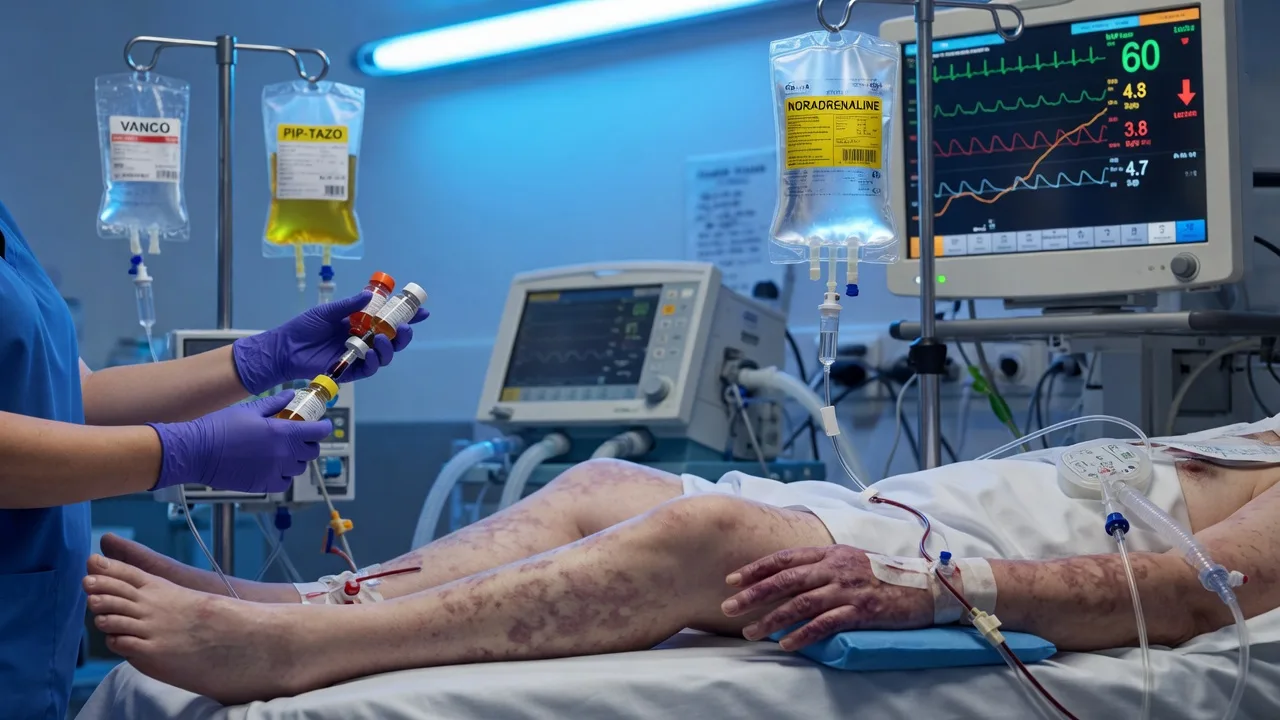
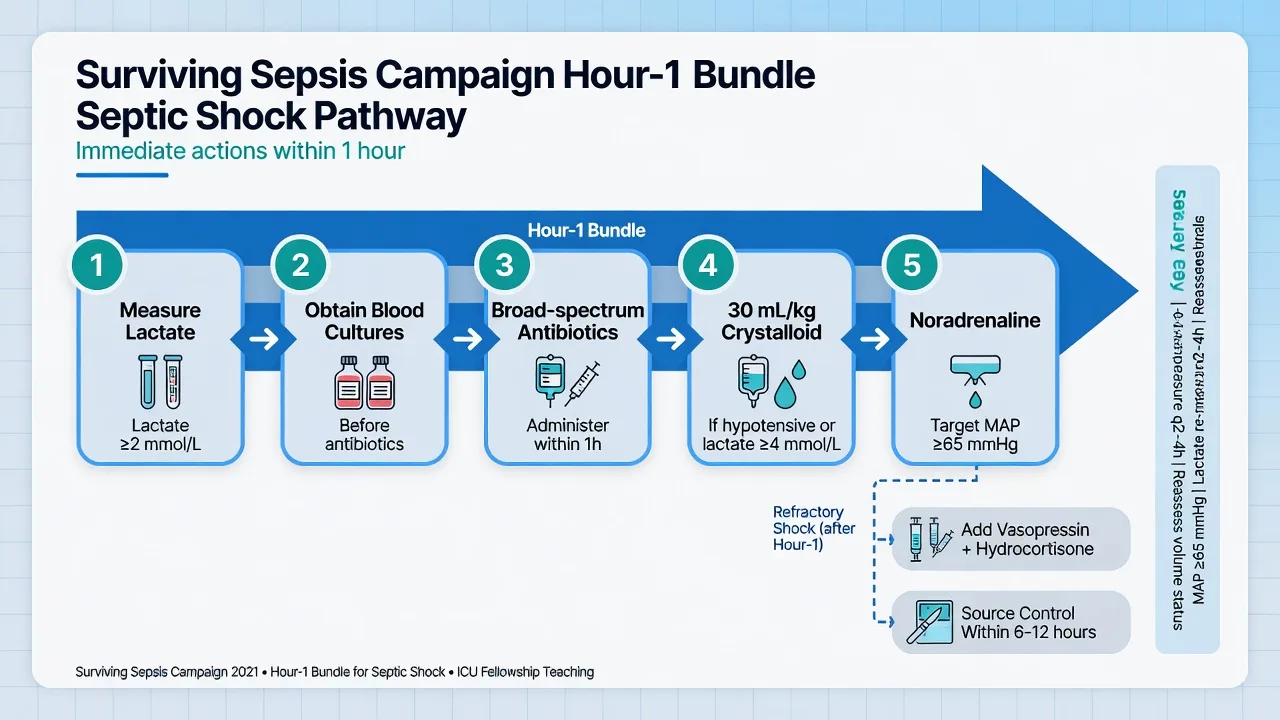
Surviving Sepsis Campaign (SSC) Hour-1 Bundle (2021): ALL elements initiated within 1 hour of sepsis recognition. (1) MEASURE lactate (if 2, remeasure). (2) OBTAIN blood cultures BEFORE antibiotics (if feasible without delaying). (3) ADMINISTER broad-spectrum antibiotics (within 1 hour). (4) BEGIN rapid crystalloid 30 mL/kg (if hypotension OR lactate 4). (5) APPLY vasopressors (noradrenaline) if hypotensive during/after fluids (target MAP ≥65). PROCESSES trial (2023): early antibiotics + fluids in septic shock — EARLY antibiotics (within 1h) improves survival. Fluids: 30 mL/kg debated (PROCESS, ARISE, ProMISe trials: protocolised resuscitation NOT better than usual care). Current: individualise fluids, don't over-resuscitate.
On this page & tools
Your progress
Saved locally on this device.
Target exams
Red flags
SSC 2016 vs 2021 bundle changes
| Element | SSC 2016 (3-hour bundle) | SSC 2021 (Hour-1 bundle) |
|---|---|---|
| Timing | Within 3 hours | Within 1 HOUR |
| Lactate | Measure | Measure (if >2, remeasure) |
| Cultures | Before antibiotics | Before antibiotics (if no delay) |
| Antibiotics | Within 3h | Within 1h |
| Fluids | 30 mL/kg | 30 mL/kg (if hypotension OR lactate ≥4) |
| Vasopressors | If MAP <65 after fluids | If hypotensive DURING/after fluids (target MAP ≥65) |
| Key change | Moved everything to 1h | Emphasises SIMULTANEOUS initiation (not sequential) |
Hour-1 sepsis bundle in practice
- RECOGNISE sepsis — suspected infection + organ dysfunction (SOFA ≥2, or qSOFA ≥2). Lactate >2 with infection = sepsis. Lactate >4 or hypotension = septic shock
- SIMULTANEOUSLY initiate (all within 1 hour):
- Lactate: measure immediately (baseline — guides resuscitation)
- Blood cultures: 2 sets (aerobic + anaerobic) from different sites. BEFORE antibiotics if possible (but DON'T delay antibiotics for cultures)
- Antibiotics: broad-spectrum IV (cover likely source + resistant organisms). Within 1 hour. Don't wait for cultures
- Fluids: 30 mL/kg crystalloid (balanced — Hartmann's/Ringer's). Give over 30 min–3h (rate individualised). If hypotensive or lactate >4
- Vasopressors: noradrenaline if hypotensive (MAP <65) during or after fluids. Start early — don't wait for full 30 mL/kg if shock
- REASSESS at 1-2h: clinical perfusion (skin, urine, mental state), lactate trend (clearing?), MAP (≥65?), urine output (>0.5 mL/kg/h?)
- ONGOING: if not improving — escalate (more fluids if responsive, higher vasopressors, inotropes if cardiogenic, source control). Monitor: lactate every 2h (target clearance >10%/h), organ function, complications of resuscitation
SAQ — The Surviving Sepsis Hour-1 bundle in practice
10 minutes · 10 marks
A 65-year-old man presents to ED with confusion, fever (38.8°C), RR 28, BP 82/50, lactate 4.5 mmol/L, with clinical signs of a urinary source. Outline the Hour-1 Surviving Sepsis Campaign bundle and the evidence supporting each component.
SAQ — Recognition of sepsis and the qSOFA / SOFA scores
10 minutes · 10 marks
A 70-year-old woman is admitted with confusion, RR 28, and a systolic BP of 95. The foundation doctor asks whether she has sepsis and how to recognise it. Outline the diagnostic criteria and the role of scoring systems.
Clinical pearls
Red flags
Prognosis
ProCESS, ARISE, ProMISe trials — protocolised EGDT vs usual care
Three landmark RCTs (2014-2015): tested Rivers' Early Goal-Directed Therapy (EGDT) vs usual care in septic shock.
- ProCESS (NEJM 2014, USA): EGDT vs protocolised standard therapy vs usual care. 90-day mortality: 21% vs 18% vs 18% (NO difference)
- ARISE (NEJM 2014, ANZ/UK): EGDT vs usual care. 90-day mortality: 19% vs 19% (NO difference)
- ProMISe (NEJM 2015, UK): EGDT vs usual care. 90-day mortality: 29% vs 29% (NO difference)
- CONCLUSION: Protocolised EGDT (CVP/ScvO2 targets, mandatory transfusion, rigid protocol) is NOT better than good usual care. What matters: early recognition, early antibiotics, individualised resuscitation. [1]
Seymour (NEJM 2017): each hour delay in antibiotics (from sepsis recognition) → 4% increased mortality. SMART (NEJM 2018): balanced crystalloids vs saline — balanced had LOWER mortality (10.3% vs 11.1%). Sepsis mortality (ANZ): decreased from 35% (2000) to 18% (2012) — attributed to earlier recognition + SSC bundles.
Hour-1 bundle — component-by-component evidence
The SSC 2021 Hour-1 Bundle collapses the previous 3-hour and 6-hour bundles into a single, simultaneous, within-one-hour resuscitation package. The rationale is that septic shock is a time-dependent emergency analogous to STEMI, stroke and trauma — every hour of delay in any component costs lives. The five components are not sequential; they are initiated in parallel as soon as sepsis is recognised. [1]
1. Measure lactate (and remeasure if > 2 mmol/L) [1]
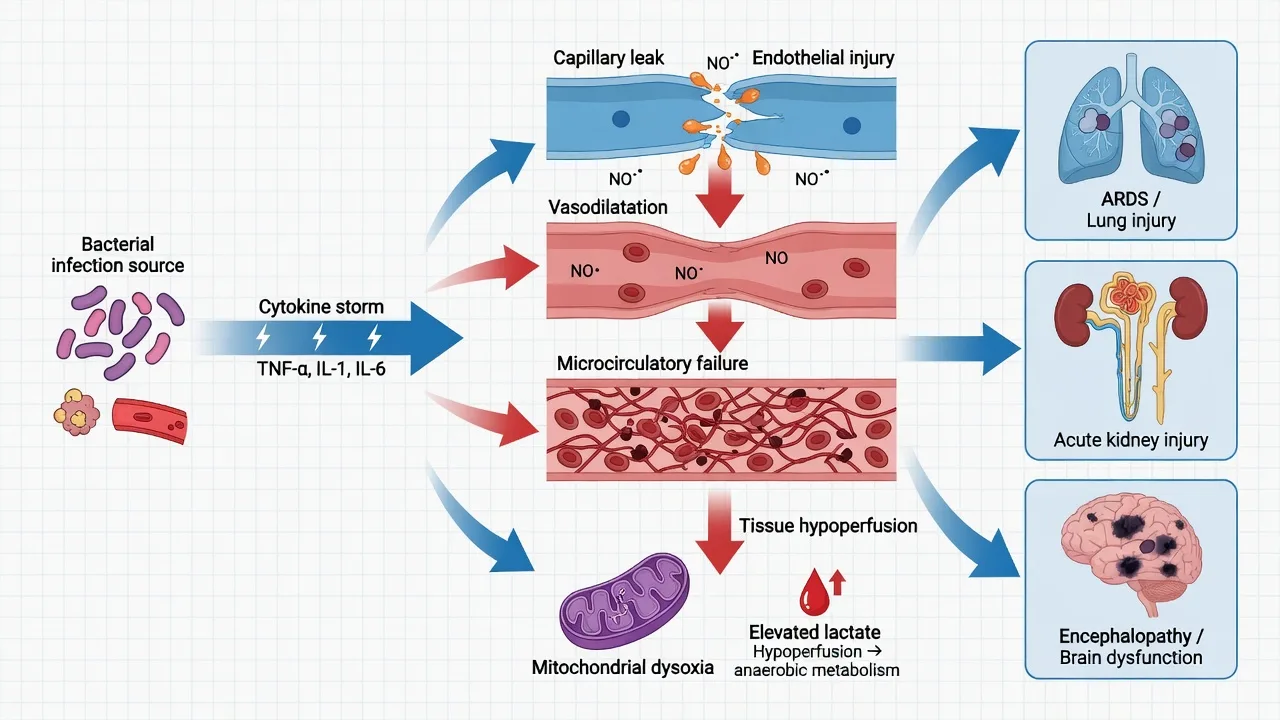
Lactate is the biochemical signature of tissue hypoperfusion in sepsis. It reflects anaerobic glycolysis from cellular hypoxia, catecholamine-driven aerobic glycolysis ("Warburg-like" effect in activated leucocytes), and impaired hepatic clearance. A lactate ≥ 2 mmol/L with infection fulfils the Sepsis-3 sepsis definition; ≥ 4 mmol/L (or hypotension) defines septic shock. [1]
Why it matters: lactate is the single best bedside marker of illness severity and resuscitation adequacy. Jansen 2010 (Am J Med): lactate-guided resuscitation targeting > 20% clearance in 2 hours reduced hospital mortality in patients with lactate ≥ 3.0 mmol/L. Puskarich 2016: failure to achieve > 10% clearance per hour is associated with doubling of mortality. [1]
Practical points:
- Send venous lactate on a fluoride-oxalate (grey-top) tube — venous ≈ arterial for clinical purposes (≤ 0.3 mmol/L difference).
- Arterial sample preferred if an arterial gas is being drawn anyway.
- Always remeasure at 2 hours if the initial lactate is > 2; then every 2–4 hours until normalised.
- Lactate normalisation (≤ 2 mmol/L) is the resuscitation endpoint, not just a single clearance value.
- Beware type B lactic acidoses (metformin, malignancy, mitochondrial toxins) — these are not perfusion-related and do not respond to fluids.
- A rising lactate despite adequate resuscitation suggests ongoing ischaemia (mesenteric, limb), source-control failure, septic cardiomyopathy, or mitochondrial dysfunction (cytopathic dysoxia). [1]
2. Obtain blood cultures BEFORE antibiotics (if feasible without delay)
Rationale: blood-culture yield drops ~50% within minutes of antibiotic administration, and continues to fall rapidly. The diagnostic value of a positive culture (organism identification, sensitivities, de-escalation target) drives the entire downstream antibiotic strategy. [1]
How to do it well:
- Two sets (one set = one aerobic + one anaerobic bottle) from two separate venepuncture sites — not from the same needle.
- Volume is the single most important factor: 20–30 mL per set (10 mL per bottle). Underfilling dramatically reduces yield.
- Skin antisepsis with 2% chlorhexidine in 70% alcohol; allow to dry (≥ 30 seconds). Poor skin prep is the leading cause of contaminant cultures (coagulase-negative staphylococci), which mislead therapy.
- Do not draw routinely through existing central lines unless a paired peripheral sample is also obtained (differential time-to-positivity helps diagnose catheter-related bloodstream infection).
- Consider additional cultures from likely source: urine, sputum, CSF, wound, drain fluid, catheter tips. [1]
The single rule that must not be broken: cultures should NEVER delay antibiotics by more than 45 minutes. Seymour 2017: each hour of antibiotic delay costs ~4% mortality. If access is difficult, draw one set from any IV cannula already in place, give antibiotics, then obtain the second set from a fresh site 30–60 minutes later — the second set will still detect bacteraemia in many cases. [1]
3. Administer broad-spectrum antibiotics within 1 hour
This is the single highest-yield intervention in the bundle. Kumar 2006 (Crit Care Med): in septic shock, each hour of delay in antibiotic administration after the onset of hypotension was associated with a 7.6% absolute decrease in survival. Seymour 2017: each hour from sepsis recognition to antibiotic delivery → ~4% increase in mortality, sustained through the first 6 hours. [1]
Antibiotic principles:
- Empiric, broad-spectrum, IV, high-dose, immediately — do not wait for culture results.
- Cover likely source + resistant organisms (MRSA, Pseudomonas, ESBL) based on local epidemiology, prior cultures, and healthcare exposure.
- Typical community-onset regimen: a beta-lactam/beta-lactamase inhibitor (piperacillin-tazobactam) or carbapenem (meropenem) + a second agent for resistant Gram-negatives if high risk + vancomycin/linezolid if MRSA risk.
- Typical hospital-acquired/late-onset regimen: anti-pseudomonal beta-lactam + second anti-pseudomonal agent (e.g., aminoglycoside or fluoroquinolone) + anti-MRSA agent.
- Dose for the compartment: loading doses, increased frequency or continuous infusion for beta-lactams, and double coverage (e.g., aminoglycoside) for severe Pseudomonas infections.
- Consider augmented renal clearance in younger, hyperdynamic patients — many antibiotics are under-dosed in early septic shock.
- De-escalate within 48–72 hours based on cultures and clinical response (see procalcitonin section below).
- Reassess daily: stop antibiotics if a non-infectious cause is identified. [1]
Two-hour vs one-hour debate: SSC 2021 recommends within 1 hour for septic shock AND high-risk sepsis; for lower-risk sepsis, rapid assessment within ~3 hours is acceptable. The PRONTO study (Hranjec 2012) and multiple before-and-after studies support the 1-hour threshold for shock. [1]
4. Begin rapid crystalloid 30 mL/kg if hypotension OR lactate ≥ 4 mmol/L [1]
The 30 mL/kg figure derives from the Rivers 2001 EGDT trial (mean crystalloid ~5 L in first 6 hours) and from observational data showing improved outcomes with early fluid. However, three landmark RCTs (ProCESS, ARISE, ProMISe) demonstrated that protocolised resuscitation targeting fixed endpoints (CVP, ScvO₂) was no better than usual care. The 30 mL/kg starting dose survived into SSC 2021 as a weak recommendation, low-quality evidence, with an explicit instruction to reassess fluid responsiveness and individualise. [1]
Balanced crystalloids over saline:
- SMART (NEJM 2019, Semler): balanced crystalloids (lactated Ringer's, PlasmaLyte) vs saline in >15,000 ICU patients — balanced had lower mortality (10.3% vs 11.1%), less new RRT, less hyperchloraemia.
- SALT-ED (Brown 2015): balanced reduced the composite of death, RRT, persistent renal dysfunction.
- Mechanism: saline-induced hyperchloraemia → renal vasoconstriction (tubuloglomerular feedback via macula densa), reduced GFR, interstitial oedema; metabolic acidosis (strong ion difference → 0).
- Practical: use Hartmann's, Ringer's lactate or PlasmaLyte as first-line; reserve saline for hyponatraemia, cerebral oedema, or hypochloraemic metabolic alkalosis. [1]
Albumin: SSC 2021 (weak recommendation): suggest albumin for patients who require "substantial amounts of crystalloid." ALBIOS (Caironi 2014): 20% albumin + crystalloid vs crystalloid alone — no overall mortality difference, but a post-hoc subgroup of septic shock showed improved survival. SAFE (Finfer 2004): 4% albumin vs saline — equivalent overall. Use 20% albumin after the first 2–3 L of crystalloid if ongoing fluid need, especially with hypoalbuminaemia. [1]
When to give fluid:
- Hypotension (SBP < 90, MAP < 65) — give rapidly (over 30 min).
- Lactate ≥ 4 without hypotension — give over 30 min–2 hours.
- Use 250–500 mL boluses, reassess after each (pulse, BP, skin, perfusion, urine, IVC, fluid responsiveness).
- Stop when no longer fluid responsive (see over-resuscitation red flag). [1]
5. Apply vasopressors for MAP < 65 (noradrenaline first)
Target MAP ≥ 65 mmHg (or higher — 70–80 — in chronically hypertensive patients where autoregulation is shifted right; consider cerebral perfusion in elderly/vascular). Asfar 2014 (SEPSISPAM, NEJM): MAP 65 vs 80 — no overall mortality difference, but the higher-target group needed more cardiac arrhythmia treatment; chronic hypertensives in the 65-target group had a trend to higher RRT need. [1]
Noradrenaline (norepinephrine) is first-line:
- Potent alpha-1 (vasoconstriction → SVR ↑ → MAP ↑) + modest beta-1 (some inotropy + chronotropy → CO maintained).
- Superior haemodynamics: reliably raises MAP, improves renal and splanchnic perfusion in animal models.
- SOAP II (De Backer 2010, NEJM): noradrenaline vs dopamine for shock — dopamine had significantly more arrhythmias (atrial fibrillation, 25.1% vs 11.7%) and a trend to higher mortality in cardiogenic shock subgroup.
- Practical dosing: start 0.05–0.1 mcg/kg/min, titrate to MAP ≥ 65; usual range 0.05–0.5 mcg/kg/min; refractory shock may need > 1 mcg/kg/min.
- Central access preferred (peripheral extravasation → tissue necrosis — but a meta-analysis by Loubani 2020 supports short-term peripheral use in a large proximal vein with close monitoring if central access is delayed).
- Do not wait for the full 30 mL/kg before starting noradrenaline if the patient is profoundly hypotensive (SBP < 70) — start a low-dose noradrenaline early, in parallel with fluids. [1]
Vasopressin adjunct (second-line):
- Vasopressin (V1 receptor — potent vasoconstrictor independent of catecholamines): fixed dose 0.03 U/min (do not titrate at this dose). VANISH (Gordon 2016, JAMA): no mortality benefit but less noradrenaline, less RRT. VASST (Russell 2008): no overall benefit, but a subgroup with less severe shock (lactate < 1.8) had survival benefit.
- Add when noradrenaline dose rising above ~0.25–0.5 mcg/kg/min; may allow noradrenaline weaning.
- Caution: digital/visceral/mesenteric ischaemia, hyponatraemia (V2 effect at higher doses). [1]
Adrenaline (epinephrine) as a single agent or add-on:
- Potent alpha + beta — raises MAP and CO; lactate rises (beta-2-driven aerobic glycolysis) — confounds lactate-guided resuscitation.
- Myocardi 2015 (Ann Intensive Care): noradrenaline + dobutamine vs adrenaline in septic shock — equivalent mortality, but adrenaline caused more tachyarrhythmias and lactate elevation.
- Use when: refractory shock despite noradrenaline + vasopressin, or when an inotrope is also needed (combined alpha/beta action). [1]
Terlipressin (long-acting vasopressin analogue): used in hepatorenal syndrome; CONFIDENT trial results pending; not routine first-line for septic shock. [1]
Phenylephrine: pure alpha — reduces stroke volume; avoid in septic shock except in tachyarrhythmia-prone patients where beta-1 stimulation is undesirable. [1]
Dopamine: avoid as first-line (SOAP II: more arrhythmia). Reserve for select chronotropic indications (e.g., bradycardia with shock). [1]
Surviving Sepsis Campaign — historical context and 2021 structure
The Surviving Sepsis Campaign (SSC) is a joint initiative of the European Society of Intensive Care Medicine (ESICM) and the Society of Critical Care Medicine (SCCM), launched in 2002. Its mission is to halve sepsis mortality through evidence-based guidelines, bundles, and quality improvement. [1]
Guideline iterations:
- 2004, 2008, 2012, 2016, 2021 — each with progressively more rigorous methodology (GRADE).
- SSC 2016 introduced the 3-hour and 6-hour bundles (the latter following the ProCESS/ARISE/ProMISe "negative" trials).
- SSC 2021 (Evans 2021, Crit Care Med & Intensive Care Med) — the current standard. Over 100 recommendations graded using GRADE. Key features: Hour-1 bundle, individualised fluid strategy, balanced crystalloids, suggested against using qSOFA as a single screening tool, suggested adding vasopressin, suggested stress-dose hydrocortisone for refractory shock, suggested procalcitonin for de-escalation, suggested POC lactate.
- SSC 2023 update (Lat 2023, Intensive Care Med): focused updates on vitamin C (recommend AGAINST high-dose), POCUS for volume assessment, SAP in fluid strategy, and updated review of corticosteroids. [1]
"Bundle" philosophy: bundles are a small set (3–5) of evidence-based interventions that, when delivered together and reliably, improve outcomes disproportionately. The reliability of bundle delivery (not the brilliance of any single component) is what drives the mortality benefit seen in New York State's "Rory Staunton" regulations (Seymour 2019, NEJM — every additional hour to completion → 3% mortality increase). [1]
Criticism of the 1-hour bundle: critics argue that the 1-hour rule encourages over-diagnosis and over-treatment of sepsis, driving antibiotic overuse and resistance. SSC 2021 explicitly recommends a rapid reassessment: if a non-infectious cause is found, stop antibiotics. The "Rory Staunton" experience: completion of all bundle elements within 1 hour — not antibiotics alone — was associated with the survival benefit. [1]
Sources of sepsis — common foci and source-control priorities
The source of sepsis dictates empiric antibiotic choice, the timing and method of source control, and prognosis. Roughly 60% of sepsis in ICU is respiratory, 20% abdominal, 10% genitourinary, 5% skin/soft-tissue, and the rest miscellaneous (catheter-related, CNS, endocarditis). [1]
Pulmonary source (most common)
- Community-acquired pneumonia: S. pneumoniae (most common), H. influenzae, M. pneumoniae, Legionella; in severe/ICU: also S. aureus (including MRSA) and Gram-negatives.
- Aspiration pneumonia: mixed oral flora (anaerobes + aerobes); head position, poor dentition, dysphagia, reduced GCS.
- Hospital-acquired/VAP: Pseudomonas, Acinetobacter, MRSA, ESBL-producers.
- Source control: chest physiotherapy, bronchoscopy for atelectasis, drainage of empyema/parapneumonic effusion. [1]
Abdominal source (high mortality if undrained)
- Perforation: perforated viscus (diverticulum, peptic ulcer, appendix), ischaemic bowel → peritonitis. Source control within 6 hours (laparotomy, washout, stoma/resection). Boermeester 2017: source-control delay > 12 h → mortality doubles.
- Biliary: cholangitis, cholecystitis, emphysematous cholecystitis (diabetics) → ERCP, drainage, cholecystectomy.
- Pancreatitis: infected necrosis → delay intervention ~4 weeks, then minimally invasive (endoscopic/percutaneous) — TPN, antibiotics only if infected.
- Post-operative: anastomotic leak, intra-abdominal abscess → CT-guided drainage first-line. [1]
Genitourinary source
- Pyelonephritis, obstructive uropathy (stones, tumour, BPH, retroperitoneal fibrosis) — urgent decompression: nephrostomy or ureteric stent. Delayed decompression → renal loss.
- Catheter-related UTI: remove/change catheter.
- Puerperal sepsis (post-partum, post-abortion): endometritis — gentle uterine evacuation, broad-spectrum including anaerobic cover. [1]
Skin and soft tissue
- Cellulitis/erysipelas: Streptococcus, Staphylococcus.
- Necrotising fasciitis: polymicrobial (Type I) or monomicrobial (Type II — Group A Strep) or Type IV (Vibrio in seawater exposure) — urgent surgical debridement ("finger test", LRINEC score). Mortality rises ~10% per hour of delay.
- Toxic shock syndrome (Staph or Strep): remove source (tampon, wound packing), IV immunoglobulin, clindamycin (suppresses toxin synthesis).
- Fournier's gangrene: perineal necrotising fasciitis — urgent debridement + diverting colostomy. [1]
Catheter-related bloodstream infection (CRBSI)
- Diagnosis: paired peripheral + catheter cultures, differential time-to-positivity > 120 min.
- Source control: remove the catheter (long-term catheters may be salvageable with antibiotic lock therapy if stable patient and Staph epidermidis — NOT for S. aureus, Pseudomonas, Candida, or in septic shock).
- Common organisms: coagulase-negative Staph (most common, often contaminant), S. aureus (high mortality, search for endocarditis and metastatic foci), Enterococcus, Gram-negative bacilli, Candida. [1]
CNS source
- Meningitis (bacterial): S. pneumoniae, N. meningitidis, L. monocytogenes (elderly/immunocompromised) — dexamethasone before/with first antibiotic dose (pneumococcal), LP for CSF, but don't delay antibiotics for CT/LP if focal neurology / immunocompromise.
- Encephalitis: HSV — start aciclovir empirically.
- Abscess: surgical or stereotactic drainage. [1]
Other
- Endocarditis (native vs prosthetic): echocardiography (TOE more sensitive), blood cultures, surgical referral if heart failure, large vegetations, abscess, fungal or resistant organism.
- Septic arthritis / osteomyelitis: surgical washout/debridement.
- Neutropenic sepsis: any fever in a neutropenic patient (especially post-chemotherapy) is sepsis until proven otherwise — empiric anti-pseudomonal beta-lactam (piperacillin-tazobactam or meropenem) within 1 hour. [1]
Procalcitonin-guided antibiotic de-escalation
Procalcitonin (PCT) is the pro-peptide of calcitonin, produced by extra-thyroidal tissues (liver, kidney, lung, adipose) in response to bacterial infection and inflammatory cytokines (IL-1β, TNF-α, IL-6). It is suppressed by viral infections (interferon-γ attenuates its induction), making it more specific than CRP for bacterial infection. Normal value < 0.1 ng/mL; levels > 10 ng/mL indicate severe bacterial sepsis. [1]
Trial evidence:
- PRORATA trial (Bouadma 2010, Lancet): PCT-guided algorithm (stop antibiotics when PCT < 0.5 ng/mL or > 80% fall from peak) vs standard — reduced antibiotic exposure by ~35% with no increase in mortality.
- SAPS (Schuetz 2019, Lancet Infect Dis): individual-patient meta-analysis of 26 trials, ~6,700 patients — PCT guidance reduced antibiotic duration and length of stay, no safety signal.
- STOP-SEP, ProCUSS and many others confirm reduced duration, lower antibiotic-related adverse events (C. difficile, resistance).
- ADAPT-Sepsis (2023) and SAPS trial in ICU respiratory infections: PCT algorithms non-inferior for mortality and shorter antibiotic duration. [1]
SSC 2021 recommendation (weak, low-quality): suggest using procalcitonin to guide de-escalation/discontinuation of antibiotics. [1]
Practical algorithm (after the initial 48 hours):
- PCT at baseline (with lactate).
- Repeat every 2–3 days.
- Stop antibiotics if: clinically improved AND (PCT < 0.5 ng/mL OR a ≥ 80% reduction from peak).
- Continue if PCT remains high or patient clinically deteriorating.
- Do not use PCT to start antibiotics (low specificity in early phase; many false positives from non-infectious inflammation — pancreatitis, trauma, surgery, cardiogenic shock). [1]
Limitations:
- Renal failure: PCT accumulates → use higher cutoffs (~1.5–2.0 ng/mL) and trend.
- Hepatic failure: false low.
- Early-onset infection (first few hours): PCT may not yet have risen — a single low value early does not exclude bacterial infection.
- Ectopic PCT production: small-cell lung cancer, medullary thyroid carcinoma, neuroendocrine tumours — sustained elevation without infection.
- Does not apply to immunocompromised/neutropenic, post-surgical abdominal sepsis, or where source control is incomplete — use clinical judgement. [1]
Steroid adjunct — stress-dose hydrocortisone for refractory septic shock
Septic shock produces a state of critical-illness-related corticosteroid insufficiency (CIRCI) — relative adrenal insufficiency and tissue glucocorticoid resistance. Corticosteroids restore vascular tone (upregulate alpha-1 receptors), reduce the inflammatory cascade, and modulate the catecholamine–vasopressin axis. [1]
Trial evidence — the steroid story is a saga of conflicting RCTs: [1]
- Annane 2002 (JAMA, 298 patients): low-dose hydrocortisone + fludrocortisone in non-responders to ACTH stimulation test (suggesting adrenal insufficiency) → 34% relative mortality reduction. Practice shifted toward steroids in vasopressor-resistant shock.
- CORTICUS (Sprung 2008, NEJM, 499 patients): hydrocortisone vs placebo in septic shock regardless of ACTH response → no mortality benefit overall; faster shock reversal but more superinfections (new sepsis episodes). Practice shifted back — steroids only for refractory shock.
- ADRENAL (Venkatesh 2018, NEJM, 3,658 patients, ANZ): hydrocortisone 200 mg/day vs placebo in septic shock → no 90-day mortality difference (27.9% vs 28.7%), but faster shock reversal, fewer RRT days, less blood transfusion. No increase in superinfection or ICU-acquired weakness. Reassuring safety data.
- APROCCHSS (Annane 2018, NEJM, 1,241 patients, France): hydrocortisone + fludrocortisone vs placebo in severe septic shock (SOFA ≥ 4, vasopressor-dependent for several hours) → mortality reduction (43% vs 49%, p = 0.03) with fewer vasopressor days. Combination (hydro + fludro) hypothesis: mineralocorticoid effect adds to haemodynamic benefit.
- Cochrane 2023 (Annane): meta-analysis — reduced 28-day and 90-day mortality, faster shock reversal, more hyperglycaemia, more neuromuscular weakness (not significant in ADRENAL). [1]
SSC 2021 recommendation (weak, low-quality): suggest IV hydrocortisone 200 mg/day for adults with septic shock requiring ongoing vasopressors (insufficient fluid + vasopressor response to restore haemodynamic stability). Lower threshold (i.e., earlier in the course) than in earlier guidelines. [1]
Practical approach:
- Indication: septic shock on moderate-to-high noradrenaline (e.g., ≥ 0.25 mcg/kg/min) or not resolving within ~4–6 hours of starting vasopressors, despite adequate fluid + source control.
- Drug: hydrocortisone 200 mg/day — either continuous infusion or 50 mg IV QDS. (Avoid dexamethasone — long-acting, suppresses HPA axis, no mineralocorticoid activity.)
- Consider adding fludrocortisone 50 mcg PO/NG daily (APROCCHSS approach) in the most severe cases.
- Do NOT perform an ACTH stimulation test to decide — SSC and CIRCI guidelines discourage reliance on cortisol levels or ACTH testing.
- Wean hydrocortisone as vasopressors are weaned — typically taper over 4–7 days. Avoid abrupt cessation (relative adrenal insufficiency → rebound hypotension).
- Risks: hyperglycaemia (titrate insulin), ICU-acquired weakness (myopathy — minimise dose and duration), secondary infections (less than seen in CORTICUS, monitor).
- Vitamin C + hydrocortisone + thiamine ("Marik cocktail"): LOVT-2, VICTAS, CITRIS-ALI trials — no benefit. SSC 2021 recommends AGAINST high-dose vitamin C monotherapy for sepsis. [1]
Vasopressor choice — practical hierarchy
| Agent | Receptors | Role | Dose | Key trial/adverse effect |
|---|---|---|---|---|
| Noradrenaline | α1 > β1 | FIRST-LINE — raises SVR and MAP, modest inotropy | 0.05–0.5 mcg/kg/min | SOAP II: superior to dopamine |
| Vasopressin | V1 (α-independent) | SECOND — catecholamine-sparing, add when NA rising | 0.03 U/min fixed | VANISH/VASST: ↓NA dose, ↓RRT; risk: digital/mesenteric ischaemia, hyponatraemia |
| Adrenaline | α1, α2, β1, β2 | THIRD — for refractory shock or combined inotropy need | 0.05–0.5 mcg/kg/min | Myocardi: equivocal; ↑ lactate (β2 glycolysis), ↑ arrhythmia |
| Terlipressin | V1 (long-acting) | Alternative to vasopressin; used in HRS, post-op | 1–2 mg IV bolus Q4–6h | CONFIDENT trial pending; splanchnic/digital ischaemia |
| Phenylephrine | α1 (pure) | Avoid in septic shock (↓ stroke volume) — use only if tachyarrhythmia-prone | 0.5–5 mcg/kg/min | ↓ CO; tissued necrosis if extravasation |
| Dopamine | DA, β1, α1 | Avoid — more arrhythmia (SOAP II) | 5–20 mcg/kg/min | Reserve for select bradycardia-with-shock |
| Dobutamine | β1 > β2 | INOTROPE (not pressor) — for septic cardiomyopathy, low CO with high filling pressures | 2.5–10 mcg/kg/min | Romano 2015: ↑ CO, ↓ SVR (always combine with noradrenaline) |
| Milrinone | PDE-3 inh | Inodilator — for right heart failure / cardiomyopathy | 0.375–0.75 mcg/kg/min | ↓ SVR; renal clearance (reduce in AKI); thrombocytopenia |
Practical decision tree:
- MAP < 65 despite 1–2 L fluid → start noradrenaline (peripheral OK if urgent, switch to central within hours).
- Noradrenaline ≥ 0.25–0.5 mcg/kg/min and MAP still inadequate → add vasopressin 0.03 U/min.
- Still in shock (cold peripheries, mottled skin, lactate rising, cardiac output low) → add dobutamine or use adrenaline as single agent; consider POCUS / PAC / Swan to confirm cardiogenic component (septic cardiomyopathy).
- Refractory → stress-dose hydrocortisone 200 mg/day; reconsider source control; check for adequate sedation (propofol/opioids cause vasodilation); consider methylene blue (rescue NO-mediated vasoplegia) — experimental, case-series only.
- Mortality-predicting noradrenaline dose: doses > 0.5 mcg/kg/min at 6 hours predict ~50% mortality; > 1 mcg/kg/min is "refractory shock." [1]
Vasopressor agents — comparative pharmacology
| Agent | MAP effect | CO effect | Lactate effect | Arrhythmia risk | Typical role |
|---|---|---|---|---|---|
| Noradrenaline | ↑↑ | ↔ / ↑ | ↔ | Low | First-line |
| Vasopressin | ↑↑ | ↔ / ↓ | ↔ | Low | Catecholamine-sparing adjunct |
| Adrenaline | ↑↑ | ↑↑ | ↑↑ (β2 glycolysis) | Moderate–high | Refractory or combined inotropy |
| Phenylephrine | ↑↑ | ↓ | ↔ | Low | Tachyarrhythmia-prone only |
| Dopamine | ↑ | ↑ | ↔ | High | Avoid — reserve for bradycardic shock |
| Dobutamine | ↓ (vasodilation) | ↑↑ | ↓ (if improves perfusion) | Moderate | Septic cardiomyopathy |
| Milrinone | ↓↓ | ↑↑ | ↓ | Moderate | Right heart failure |
Corticosteroid trials in septic shock
| Trial | Year / n | Drug | Population | Mortality outcome | Practice impact |
|---|---|---|---|---|---|
| Annane | 2002 / 298 | Hydro + fludro | Non-responders to ACTH | ↓ mortality (RR 0.66) | Steroids in vasopressor-resistant shock |
| CORTICUS | 2008 / 499 | Hydro | All septic shock | No difference; faster shock reversal, more superinfection | Steroids only if refractory |
| ADRENAL | 2018 / 3,658 | Hydro | Septic shock (vasopressor) | No 90-day mortality difference; faster shock reversal | Reassuring safety; valid adjunct |
| APROCCHSS | 2018 / 1,241 | Hydro + fludro | Severe septic shock (SOFA ≥ 4) | ↓ 90-day mortality (43% vs 49%) | Justifies combination; severe shock subgroup |
| Cochrane 2023 | Meta | Hydro ± fludro | Septic shock | ↓ 28/90-day mortality | Supports use in vasopressor-dependent shock |
Steroid initiation in septic shock — practical sequence
- Confirm septic shock: vasopressor-dependent, fluid-resuscitated, source control planned/underway.
- Trigger threshold: noradrenaline ≥ 0.25 mcg/kg/min (or rising) for ≥ 4 hours without haemodynamic resolution.
- Start hydrocortisone 200 mg/day: 50 mg IV QDS or continuous infusion.
- Consider adding fludrocortisone 50 mcg PO/NG daily in severe shock (APROCCHSS approach).
- Monitor: glucose (titrate insulin), sodium, neuromuscular strength, superinfection.
- Wean as noradrenaline is weaned (typically when NA < 0.1 mcg/kg/min) — taper over 4–7 days; avoid abrupt cessation (HPA-axis suppression → rebound hypotension).
- Reassess daily: continue only as long as vasopressors are required; stop if patient develops severe weakness or recurrent infection.
Prognosis
Vasopressor and corticosteroid trials
- SOAP II (De Backer 2010, NEJM): noradrenaline vs dopamine in shock (n = 1,679). Dopamine had significantly more arrhythmia (24.1% vs 12.4%) and trended to higher mortality in cardiogenic subgroup. Noradrenaline first-line.
- VANISH (Gordon 2016, JAMA): early vasopressin vs noradrenaline in septic shock (n = 409). No mortality difference; vasopressin arm had less RRT use and lower noradrenaline doses.
- VASST (Russell 2008, NEJM): vasopressin vs noradrenaline (n = 778). No overall difference; less severe shock subgroup (lactate < 1.8) had survival benefit with vasopressin.
- ADRENAL (Venkatesh 2018, NEJM): hydrocortisone in septic shock (n = 3,658, ANZ-UK). No 90-day mortality difference (27.9% vs 28.7%); faster shock reversal, fewer RRT and transfusion days. Reassuring safety profile.
- APROCCHSS (Annane 2018, NEJM): hydrocortisone + fludrocortisone in severe septic shock (n = 1,241). 90-day mortality 43% vs 49% (p = 0.03); fewer vasopressor days. Combination approach supported in severe shock.
- CORTICUS (Sprung 2008, NEJM): hydrocortisone vs placebo (n = 499). No mortality benefit; faster shock reversal but more superinfections.
Antibiotic, fluid and diagnostic trials
- Seymour 2017 (NEJM): retrospective analysis of NY State sepsis regulations (n > 49,000). Each additional hour to bundle completion → 3% increased mortality; each hour to antibiotics → 4% increase.
- Kumar 2006 (Crit Care Med): each hour of antibiotic delay after hypotension onset → 7.6% absolute decrease in survival in septic shock.
- ProCESS (NEJM 2014) / ARISE (NEJM 2014) / ProMISe (NEJM 2015): protocolised EGDT vs usual care — no difference. Rivers' protocol superseded; individualised resuscitation endorsed.
- SMART (Semler 2019, NEJM): balanced crystalloids vs saline (n = 15,802) — balanced lower mortality (10.3% vs 11.1%), less new RRT. Balanced crystalloid first-line.
- ALBIOS (Caironi 2014, NEJM): 20% albumin + crystalloid vs crystalloid in severe sepsis (n = 1,818). No overall mortality difference; septic-shock subgroup had improved survival in post-hoc analysis.
- PRORATA (Bouadma 2010, Lancet): procalcitonin-guided antibiotic discontinuation (n = 621) — 35% less antibiotic exposure, no mortality increase.
- SAPS (Schuetz 2019, Lancet Infect Dis): IPD meta-analysis of 26 trials — PCT-guidance reduced antibiotic duration, no safety signal.
- Sepsis-3 (Singer 2016, JAMA): redefined sepsis as life-threatening organ dysfunction (SOFA ≥ 2) from infection; abandoned SIRS as definition (kept as bedside screen).
- Kaukonen 2014 (NEJM): ANZ ICUs — sepsis mortality fell from 35% (2000) to 18% (2012), attributed to SSC bundles, earlier recognition, improved ICU care.
- CLASSIC (Täkel 2022, NEJM): restrictive vs standard fluid strategy in septic shock — restrictive strategy non-inferior and gave less fluid; supports fluid-sparing approach after initial resuscitation.
SEPSISPAM — MAP target trial
- Asfar 2014 (NEJM): MAP 80–85 vs 65–70 in septic shock (n = 776). No overall mortality difference. Chronic hypertensives in low-target group had trend to more RRT. Higher-target group had more atrial fibrillation.
- Practical: target MAP ≥ 65 mmHg for most; consider 70–80 in chronic hypertension, severe atherosclerosis, or ongoing signs of hypoperfusion at 65.
PRONTO and time-to-antibiotic evidence
- PRONTO (Hranjec 2012, J Am Coll Surg): institution of mandatory 1-hour antibiotic target in septic shock → halved mortality.
- Ferrer 2014 (Intensive Care Med): meta-analysis — each hour delay → 8% increase in mortality in septic shock.
- Liu 2017: confirm time-to-antibiotic as modifiable risk factor with linear mortality effect.
- Caveat: SSC 2021 also advises rapid reassessment to avoid antibiotic overuse in non-infectious mimics.
Lactate-clearance trials
- Jansen 2010 (Am J Med): lactate-guided resuscitation (target > 20% clearance in 2 h) reduced hospital mortality in lactate ≥ 3.0.
- Puskarich 2016: failure to achieve > 10% clearance per hour predicted higher mortality.
- ANDROMEDA-SHOCK (Hernandez 2019, JAMA): peripheral perfusion-targeted (capillary refill) vs lactate-targeted resuscitation — perfusion-targeted non-inferior and trended to lower mortality, suggesting lactate is not the only useful target.
- Practical: combine lactate clearance with capillary refill and clinical perfusion for resuscitation endpoints.
Additional clinical pearls
[1]Red flags (additional)
[1] [1]Pitfalls and mimics
Conditions that mimic sepsis and confound the bundle
| Mimic | Why it looks like sepsis | Distinguishing features | Early management difference |
|---|---|---|---|
| Anaphylaxis | Hypotension, tachycardia, rash, bronchospasm, ↑ lactate | Recent trigger (drug, food, contrast, venom), urticaria, angioedema, stridor | IM adrenaline 0.5 mg, fluids, H1/H2 blockers, bronchodilator — NOT antibiotics |
| Massive pulmonary embolism | Hypotension, tachycardia, ↑ lactate, dyspnoea, ↑ troponin | RV strain on echo (D-shape, TAPSE ↓), D-dimer, CTPA | Thrombolysis (alteplase), anticoagulation, mechanical thrombectomy — NOT fluids (preload already limited) |
| Cardiogenic shock (AMI) | Hypotension, ↑ lactate, cool peripheries, oliguria | ECG changes, troponin, regional wall motion abnormality, pulmonary oedema | PCI, inotrope/mechanical support (IABP, Impella, ECMO) — NOT aggressive fluids |
| Adrenal crisis | Hypotension, abdominal pain, hyponatraemia, hyperkalaemia (occasionally) | Steroid use or autoimmune history, ↑ K, ↓ Na, hyperpigmentation | IV hydrocortisone 100 mg before labs return — life-saving |
| Pancreatitis (severe) | Hypotension, ↑ lactate, ↑ inflammatory markers | ↑ Lipase/amylase, CT findings, characteristic pain | Aggressive fluids initially, but no antibiotics unless infected necrosis proven |
| DKA / HHS | Acidosis, ↑ lactate (occasionally), hypotension if volume-depleted | Hyperglycaemia, ketones, low pH, high osmolality | Insulin + fluid + potassium — no antibiotics unless source identified |
| Heat stroke | Hyperthermia, hypotension, ↑ lactate, ↑ LFTs | Exposure history, hot/dry skin (or exertional with sweating), encephalopathy | Rapid cooling (cold-water immersion, evaporative) — antibiotics later |
| Drug overdose (salicylate, TCA) | Acidosis, hypotension, tachycardia, altered mental state | History, ECG (TCA: wide QRS), drug levels | Specific antidote (sodium bicarbonate for TCA, haemodialysis for salicylate) |
| Salicylate poisoning | Tachypnoea, ↑ lactate, mixed acid-base, ↑ PT | Tinnitus, hyperventilation, history | Sodium bicarbonate urine alkalinisation, haemodialysis |
| Thyroid storm | Tachycardia, hyperthermia, ↑ lactate (occasionally), shock | Thyroid history, AF, congestive failure, mental state change | Beta-blocker, PTU, iodine, hydrocortisone — antibiotics later |
| Toxic shock syndrome | Hypotension, erythroderma, multi-organ failure | Diffuse rash, desquamation (later), focus (tampon, wound) | Remove source, clindamycin, IVIG — antibiotics + toxin suppression |
Post-sepsis recovery — beyond the acute episode
Sepsis survivors face a 30–50% 1-year mortality and substantial morbidity. Post-intensive care syndrome (PICS) — new or worsened physical, cognitive and mental-health impairment — affects most survivors. Key components: [1]
- Physical: ICU-acquired weakness (critical illness polyneuropathy/myopathy), dysphagia, deconditioning. Early mobilisation, physiotherapy, nutrition (high protein, 1.5–2.5 g/kg/day).
- Cognitive: 30–70% have impairment at 1 year (memory, executive function, attention). No proven pharmacotherapy; cognitive rehabilitation.
- Psychological: PTSD, depression, anxiety in 20–40%. Family meetings, diaries, follow-up clinics, psychological support.
- Recurrent sepsis: survivors have ~5–10× higher risk of recurrent sepsis (immunoparalysis, comorbidities). Vaccination (pneumococcal, influenza, COVID), aggressive management of source (e.g., recurrent UTI from obstruction), avoid immunosuppression where possible.
- Family: post-ICU syndrome in family members (anxiety, depression, complicated grief). Structured communication, ICU diaries, bereavement follow-up. [1]
ICU follow-up clinics (post-discharge 2–6 weeks, then 3 and 6 months) improve quality of life, identify and treat complications, and provide an opportunity to debrief. SCCM/ESICM and the Global Sepsis Alliance endorse structured follow-up as standard of care. [1]
Summary
The SSC 2021 Hour-1 Bundle remains the cornerstone of early sepsis management. The five elements — measure lactate, obtain blood cultures before antibiotics, give broad-spectrum antibiotics, give 30 mL/kg crystalloid if hypotensive or lactate ≥ 4, give noradrenaline for MAP < 65 — must be initiated simultaneously within one hour of sepsis recognition. The evidence base has matured: early antibiotics and bundle reliability are the modifiable drivers of mortality; protocolised resuscitation (EGDT) has been superseded by individualised strategies guided by lactate clearance, capillary refill, fluid responsiveness and POCUS. Steroids (hydrocortisone ± fludrocortisone) and vasopressin have defined roles in refractory shock. Procalcitonin guides antibiotic de-escalation. Source control is the fifth antibiotic. Over-resuscitation is harmful — de-resuscitate once stable. Sepsis is preventable, treatable, and survivable — but only when the bundle is delivered reliably, early, completely. [1]
References
- [1]Evans L, et al. Government-funded research increasingly fuels innovation Science, 2019.PMID 31221848
- [2]Seymour CW, et al. Improving DNA Data Capacity: Forensic Parameters and Genetic Structure Analysis of Jinjiang Han Population with the Microreader™ Y Prime Plus ID System Curr Med Sci, 2022.PMID 35403953
- [3]Mouncey PR, et al. Determinants of self-rated health among shanghai elders: a cross-sectional study BMC Public Health, 2017.PMID 29029627
- [4]Peake SL, et al. Can sand nourishment material affect dune vegetation through nutrient addition? Sci Total Environ, 2020.PMID 32278174
- [5]Kaukonen KM, et al. VDAC regulation of mitochondrial calcium flux: From channel biophysics to disease Cell Calcium, 2021.PMID 33529977
- [6]Singer M, et al. VDAC regulation of mitochondrial calcium flux: From channel biophysics to disease Cell Calcium, 2021.PMID 33529977