ICU · Toxicology
Toxicology and poisoning in the ICU
Also known as Paracetamol (acetaminophen) overdose · Salicylate (aspirin) poisoning · Tricyclic antidepressant (TCA) overdose · Ethylene glycol and methanol toxicity · Lithium toxicity · Toxidromes
Toxicology in the ICU requires a systematic approach: ABCDE first, then identify the toxin (history, toxidromes, specific levels), decontamination (activated charcoal within 1h), enhanced elimination (urine alkalinisation, haemodialysis), and antidotes. Paracetamol: NAC (N-acetylcysteine) if above treatment nomogram — the most common cause of ALF in the West. Salicylate: urine alkalinisation (sodium bicarbonate to urine pH 7.5), haemodialysis if 6.5 mmol/L or severe acidosis. TCA: sodium bicarbonate for QRS widening (100ms) and arrhythmias — NOT amiodarone/lidocaine. Ethylene glycol/methanol: fomepizole (inhibits alcohol dehydrogenase) + haemodialysis. Lithium: haemodialysis if level 4 mmol/L (acute) or 2.5 (chronic) with symptoms. Always consult toxicology service / poison centre.
On this page & tools
Your progress
Saved locally on this device.
Target exams
Red flags
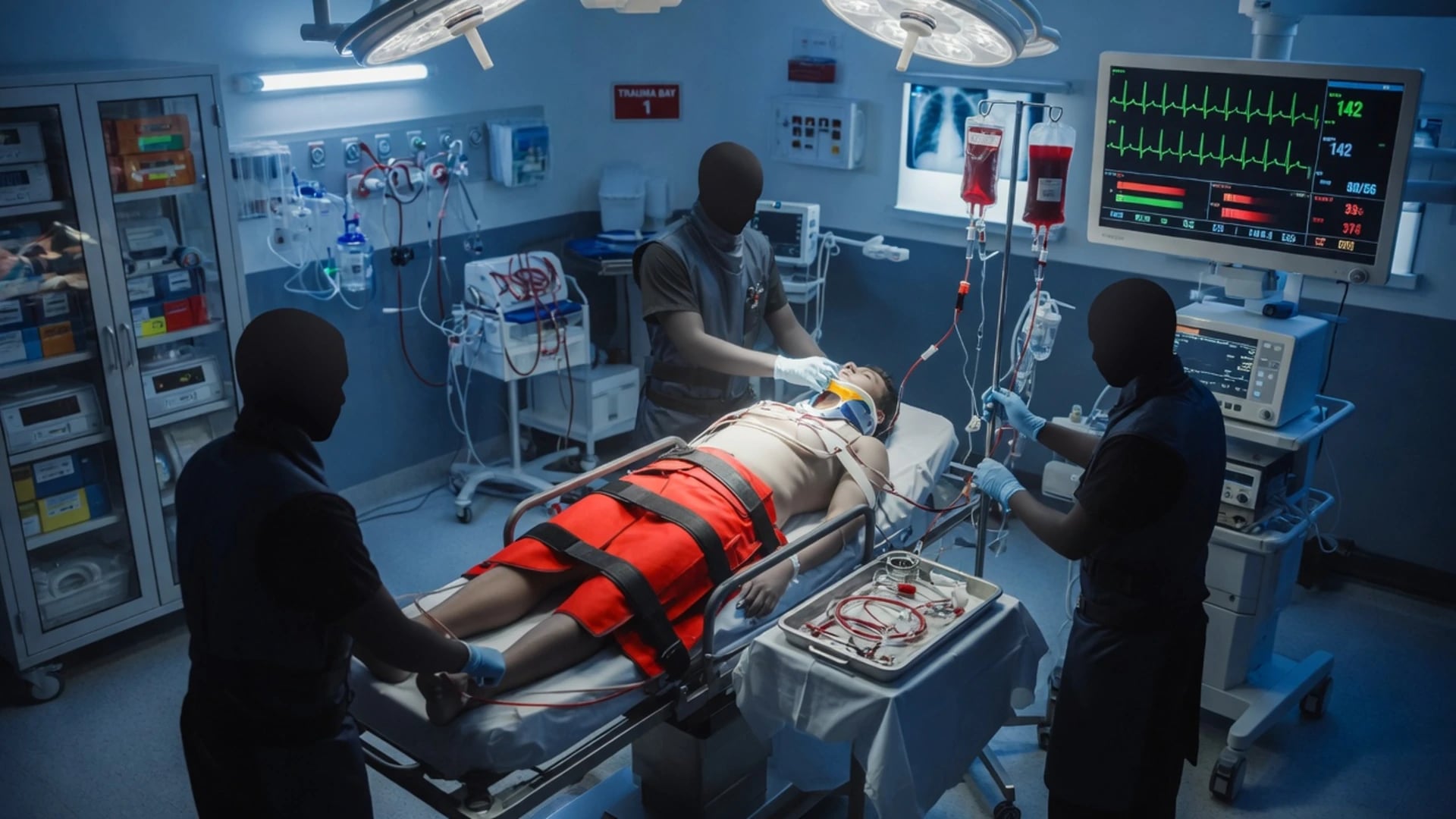
General approach to the poisoned patient
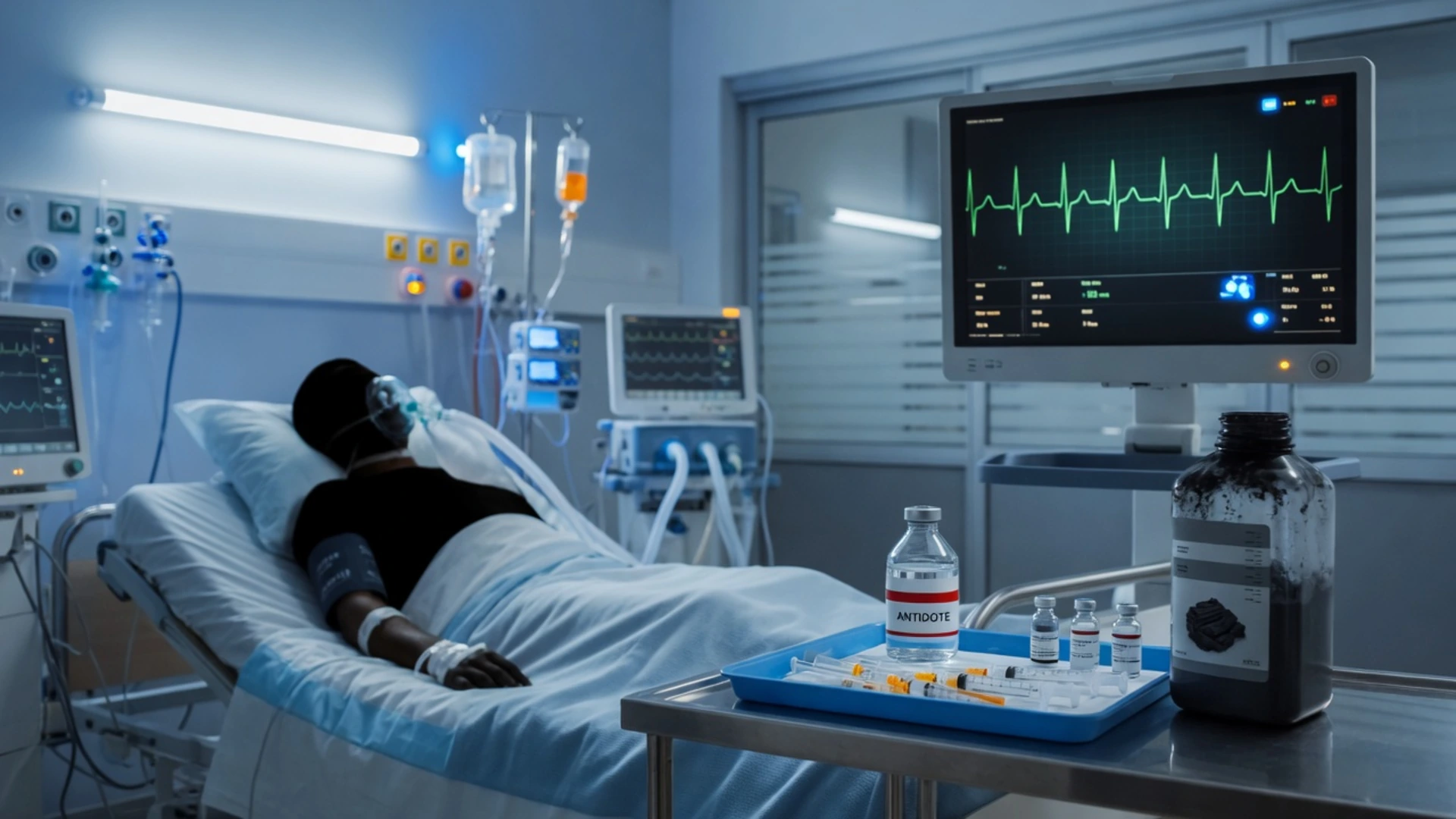
ABCDE approach to poisoning
Airway — protect first
Decreased GCS = aspiration risk. Intubate early if GCS <8 or unable to protect airway. Be especially cautious with salicylate toxicity — intubation causes respiratory acidosis which drives salicylate into the brain (can be fatal). If intubating a salicylate-toxic patient, hyperventilate to maintain alkalaemia.
Breathing — oxygenation and ventilation
Assess for respiratory depression (opioids, benzos) vs hyperventilation (salicylates cause respiratory alkalosis). Give naloxone if opioid suspected (pinpoint pupils, RR <10). Do NOT give flumazenil routinely (may precipitate seizures in chronic benzo users).
Circulation — haemodynamic support
Bradycardia/hypotension: consider beta-blocker, calcium channel blocker, TCA, digoxin. Give IV fluids. Vasopressors if refractory. TCA overdose: use noradrenaline (NOT adrenaline — avoid pure alpha agonists which may worsen arrhythmias).
Disability — GCS, pupils, glucose
Check glucose immediately (hypoglycaemia mimics many toxidromes). Pupils: pinpoint = opioid (naloxone); dilated = sympathomimetic (amphetamines, cocaine), TCA, anticholinergic. Assess for toxidromes (see below).
Exposure and Environment
Temperature: hyperthermia (serotonin syndrome, NMS, anticholinergic, salicylates) vs hypothermia (opioids, sedatives). Remove all clothes, inspect for signs of drug use (needle tracks), check whole body for transdermal patches (fentanyl, clonidine).
Decontamination
Activated charcoal 50 g orally/NG if: ingestion within 1 hour AND patient is protecting airway (GCS >13). Do NOT give if: decreased GCS without airway protection, caustic ingestion, hydrocarbons, or inability to vomit. Multi-dose charcoal for: carbamazepine, dapsone, phenobarbital, quinine, theophylline.
Enhanced elimination and antidotes
Urine alkalinisation (sodium bicarbonate): salicylates, phenobarbital, methotrexate. Haemodialysis: salicylates, lithium, metformin, toxic alcohols, theophylline. Antidotes: NAC (paracetamol), naloxone (opioids), flumazenil (benzos — caution), sodium bicarbonate (TCA), fomepizole/ethanol (toxic alcohols), digoxin Fab (digoxin), atropine/pralidoxime (organophosphates).
Toxidromes
Sympathomimetic
Amphetamine, cocaine, MDMA
- Hypertension, tachycardia, hyperthermia, mydriasis, agitation, diaphoresis
- Treatment: benzodiazepines (first-line for agitation/seizures), active cooling
- Avoid beta-blockers alone in cocaine (unopposed alpha → hypertension)
Anticholinergic
Antihistamines, TCA, atropine
- "Mad as a hatter, blind as a bat, dry as a bone, red as a beet, hot as a hare"
- Mydriasis, dry skin/mucosa, urinary retention, ileus, tachycardia, hyperthermia
- Treatment: benzodiazepines, physostigmine (refractory delirium — CAUTION with TCA due to seizure/arrhythmia risk)
Cholinergic
Organophosphates, nerve agents
- SLUDGE: Salivation, Lacrimation, Urination, Defecation, GI distress, Emesis
- Miosis (pinpoint), bradycardia, bronchorrhoea, fasciculations, seizures
- Treatment: atropine (antimuscarinic) + pralidoxime (reactivate cholinesterase)
Opioid
Heroin, fentanyl, morphine
- Pinpoint pupils, respiratory depression, decreased GCS, hypotension
- Treatment: naloxone 0.4 mg IV (titrate — avoid precipitating acute withdrawal in chronic users)
- Short half-life (30-90 min) — may need infusion for long-acting opioids
Paracetamol (acetaminophen) overdose
Pathophysiology
Paracetamol is metabolised by the liver. At therapeutic doses, ~90% is conjugated (glucuronidation/sulfation) and ~5% is metabolised by CYP2E1 to the toxic metabolite NAPQI, which is detoxified by glutathione. In overdose, conjugation pathways saturate, more NAPQI is produced, glutathione is depleted, and NAPQI causes centrilobular hepatocellular necrosis → acute liver failure. [1]
Treatment — N-acetylcysteine (NAC)
Paracetamol overdose management
Assess timing and risk
When was ingestion? Single ingestion: plot serum paracetamol level on treatment nomogram at 4 hours post-ingestion. If staggered/unknown time: treat empirically with NAC. Risk factors for hepatotoxicity at lower levels: chronic alcohol use, malnutrition, enzyme inducers (rifampicin, phenytoin, carbamazepine), AIDS.
Activated charcoal if within 1 hour
Give 50 g activated charcoal if ingestion within 1 hour. Does not reduce NAC absorption. Do NOT delay NAC for charcoal.
Plot on treatment nomogram
Draw serum paracetamol level at 4h post-ingestion. If level is ABOVE the treatment line (or any detectable level in staggered/unknown timing), give NAC. The nomogram is only valid for single acute ingestions 4-24 hours post-ingestion.
NAC administration
IV regimen (21h): 150 mg/kg over 1h, then 50 mg/kg over 4h, then 100 mg/kg over 16h. Oral regimen (72h): 140 mg/kg loading, then 70 mg/kg every 4h x 17 doses. NAC replenishes glutathione, detoxifying NAPQI. Most effective if given within 8 hours (near 100% hepatoprotection). Give even if presentation is late — can reverse established hepatotoxicity.
Monitor for liver failure
Check INR, ALT, AST, creatinine, lactate, phosphate every 4-6 hours. King College Criteria for transplant assessment if INR rising. If ALT >1000 + INR >2, ALF is developing — continue NAC, refer to liver transplant centre.
Salicylate (aspirin) poisoning
Pathophysiology
Salicylates directly stimulate the respiratory centre → respiratory alkalosis. They also uncouple oxidative phosphorylation → increased CO2 production and metabolic acidosis. The classic picture is mixed respiratory alkalosis + high anion gap metabolic acidosis. [1]
Management
Salicylate poisoning management
Assess severity
Mild (1.4-2.8 mmol/L): tinnitus, hyperventilation. Moderate (2.8-5.6): fever, dehydration, agitation, metabolic acidosis. Severe (>5.6): seizures, coma, pulmonary oedema, arrhythmias. Draw serum salicylate level at 2-4h post-ingestion (repeat at 4h as levels may rise). Check ABG, electrolytes.
Urine alkalinisation (sodium bicarbonate)
Goal: urine pH >7.5 (ideally 8.0). Give 1.26% sodium bicarbonate infusion at 100-250 mL/h (or boluses of 8.4% NaHCO3 1-2 mmol/kg). Mechanism: ion trapping — alkaline urine converts salicylic acid to salicylate ion (charged, cannot be reabsorbed, trapped in urine). Target urine output 1-2 mL/kg/h. Monitor potassium — hypokalaemia prevents alkalinisation (K+ shifts into cells, H+ comes out).
Haemodialysis — indications
Haemodialysis removes salicylates rapidly. Indications: (1) serum level >6.5 mmol/L (acute) or >4.4 (chronic with symptoms). (2) Severe metabolic acidosis (pH <7.2) despite bicarbonate. (3) Renal failure. (4) Pulmonary oedema. (5) CNS depression/seizures/coma. (6) Clinical deterioration despite standard therapy.
CAUTION with intubation
If you must intubate a salicylate-toxic patient, they are relying on hyperventilation to maintain alkalaemia. Intubation → respiratory acidosis → salicylate shifts INTO the brain → CNS toxicity, seizures, death. If intubating: hyperventilate to maintain PaCO2 at pre-intubation level (respiratory alkalosis), give bicarbonate bolus, consider immediate haemodialysis.
Tricyclic antidepressant (TCA) overdose
Pathophysiology
TCAs (amitriptyline, nortriptyline, dosulepin) have three main toxic effects:
- Sodium channel blockade → QRS widening, arrhythmias, hypotension
- Alpha-1 blockade → hypotension
- Anticholinergic effects → tachycardia, dry skin, mydriasis, urinary retention [1]
Management
Toxic alcohols (ethylene glycol and methanol)
Pathophysiology
Both are metabolised by alcohol dehydrogenase to toxic metabolites:
- Ethylene glycol → glycolic acid → oxalic acid (causes AKI by precipitating as calcium oxalate crystals)
- Methanol → formaldehyde → formic acid (causes blindness by destroying optic nerve) [1]
Result: high anion gap metabolic acidosis + osmolar gap (early, before metabolism). [1]
Management
Toxic alcohol management
Recognise the pattern
Anion gap metabolic acidosis + osmolar gap + no other explanation = toxic alcohol. Calculate anion gap: Na - (Cl + HCO3). Calculate osmolar gap: measured osmolality - calculated osmolality (2x Na + glucose + urea + ethanol). Gap >10 = abnormal. History of ingestion (windshield washer, antifreeze, moonshine).
Fomepizole 15 mg/kg IV loading
Fomepizole inhibits alcohol dehydrogenase, preventing metabolism of ethylene glycol/methanol to their toxic metabolites. Then 10 mg/kg every 12h x 4 doses, then 15 mg/kg every 12h until levels <20 mg/dL and acidosis resolved. Alternative: ethanol infusion (maintain blood ethanol 100-150 mg/dL) — cheaper but harder to titrate, CNS depression.
Haemodialysis
Removes parent alcohol AND toxic metabolites. Indications: severe acidosis (pH <7.3), AKI, visual symptoms (methanol), serum level >50 mg/dL. Continue fomepizole during dialysis (dose more frequently — dialysis removes it).
Cofactor therapy
Ethylene glycol: give thiamine 100 mg IV and pyridoxine 50 mg IV (diverts metabolism to non-toxic metabolites). Methanol: give folinic acid (leucovorin) 1 mg/kg IV every 4-6h (enhances formate metabolism to CO2 + water).
Correct acidosis
Give sodium bicarbonate for severe acidosis (pH <7.2). This also enhances renal clearance of toxic metabolites.
Lithium toxicity
Acute overdose
Peak level >4 mmol/L
- GI symptoms (nausea, vomiting) initially, then neurological
- Tremor, hyperreflexia, ataxia, seizures, coma
- Treatment: haemodialysis if level >4 mmol/L or symptomatic
- Lithium is not protein-bound — dialysed well
Chronic toxicity
Level >1.5 mmol/L
- Often from dehydration (lithium is renally excreted; dehydration concentrates lithium)
- Neurological: tremor, confusion, ataxia, fasciculations
- Treatment: stop lithium, aggressive normal saline hydration (promotes renal clearance)
- Haemodialysis if level >2.5 mmol/L with symptoms, or >4 regardless of symptoms
Sedative-hypnotic toxidrome
Sedative-hypnotic
Benzodiazepines, barbiturates, ethanol, gabapentinoids
- CNS depression, ataxia, dysarthria, normal pupils (usually), respiratory depression in overdose
- Distinction from opioid: pupils NOT pinpoint; from anticholinergic: skin/mucosa not dry; no diaphoresis
- Treatment: supportive (airway, ventilation). Naloxone trial if opioid co-ingestion suspected.
- Flumazenil CAUTION: avoid in chronic benzodiazepine users, mixed overdose, or seizure history — can precipitate refractory seizures (especially with concomitant TCA)
Serotonin syndrome vs NMS vs malignant hyperthermia
Serotonin syndrome
SSRIs, SNRIs, MAOIs, tramadol, linezolid
- Triad: neuromuscular hyperactivity (clonus — especially INDUCIBLE and ocular), autonomic instability, altered mental state
- Hyperreflexia (lower limbs > upper), mydriasis, hyperthermia, diaphoresis, diarrhoea
- Onset within 6-24h of new serotonergic agent or interaction (e.g. SSRI + tramadol, MAOI + pethidine, linezolid + sertraline)
- Treatment: STOP serotonergic agents, benzodiazepines (control agitation/rigidity — cytotoxic to muscle), active cooling, cyproheptadine 12 mg PO then 2 mg every 2h (5-HT2A antagonist)
NMS
Antipsychotics (typical/atypical)
- Lead-pipe rigidity, hyporeflexia/bradyreflexia, mutism, fluctuating consciousness
- Hyperthermia (often less pronounced than serotonin syndrome), autonomic instability, rhabdomyolysis (CK markedly elevated)
- Onset days-weeks (slow); contrast serotonin syndrome (hours, hyperreflexia/clonus)
- Treatment: STOP antipsychotic, aggressive cooling, benzodiazepines, dantrolene 1-2.5 mg/kg IV, bromocriptine (D2 agonist)
Malignant hyperthermia
Volatile anaesthetics, succinylcholine
- Triggered by volatile anaesthetic (halothane/sevoflurane/isoflurane) or succinylcholine — ryanodine receptor mutation
- Masseter rigidity, hypercarbia REFRACTORY to ventilation, peaked T waves (hyperkalaemia), rapid temperature rise
- Treatment: DANTROLENE 2.5 mg/kg IV (repeat to 10 mg/kg), stop trigger, active cooling, treat hyperkalaemia
Decontamination
Activated charcoal
Activated charcoal — when and how
Indications
Single acute ingestion of a charcoal-adsorbable toxin within 1 hour of ingestion. Dose: 50-100 g in adults (1 g/kg in children). Most efficacious if given within 1h; minimal benefit beyond 1h UNLESS sustained-release preparation or delayed gastric emptying (opioids, anticholinergics, salicylates). Adsorbs: paracetamol, salicylate, TCA, barbiturates, theophylline, carbamazepine.
Contraindications
(1) Decreased GCS without airway protection (aspiration risk — charcoal pneumonitis has high mortality). (2) Caustic ingestion (acids/alkalis — charcoal obscures endoscopy view and suggests perforation). (3) Hydrocarbons (low systemic toxicity, high aspiration risk). (4) Metals NOT adsorbed: lithium, iron, potassium, magnesium, lead. (5) Alcohols NOT adsorbed: ethanol, ethylene glycol, methanol.
Multi-dose activated charcoal (MDAC)
Enhances elimination by interrupting enterohepatic and enteroenteric recirculation. Dose: 50 g initially, then 25 g every 4h (or 12.5 g/h continuous infusion). Indications — the "5 Ts": carbamazepine, dapsone, phenobarbital, quinine, theophylline. Also salicylate and valproate. Do NOT use with bowel obstruction, ileus, or uncontrolled vomiting.
Whole bowel irrigation, ocular, dermal decontamination
Whole bowel irrigation
Polyethylene glycol (GoLYTELY)
- Indications: IRON, lithium, potassium, sustained-release formulations, body packers/stuffers
- Method: 1-2 L/h via NG (adults), 500 mL/h (children), continued until rectal effluent is clear
- Contraindications: ileus, bowel obstruction, perforation, haemodynamic instability, unprotected airway
Ocular decontamination
Chemical eye burns
- Alkali worse than acid (alkali penetrates deeper — liquefactive necrosis)
- Topical anaesthetic (tetracaine), Morgan lens, 2+ litres normal saline or Hartmanns
- Continue until pH 7.0-7.4 (check with litmus paper, wait 5-10 min after stopping, recheck)
Dermal decontamination
Organophosphates, pesticides, industrial chemicals
- Remove ALL clothing (double-bag — staff contamination risk). Wash with soap and water x 2.
- Staff MUST wear PPE — organophosphates absorb through intact skin, staff toxicity well documented
- Patch decontamination for metallic sodium/potassium/phosphorus (water-reactive — cover with oil/sand)
Enhanced elimination
Urinary alkalinisation
Urinary alkalinisation — principles and toxins
Mechanism
Ion trapping. Weak acids (salicylate, phenobarbital, methotrexate, chlorpropamide, 2,4-D herbicide) are neutral in acidic urine (reabsorbed in PCT) but ionised/charged in alkaline urine (trapped, excreted). Goal: urine pH >7.5 (ideally 8.0).
Method
8.4% sodium bicarbonate 1-2 mmol/kg IV bolus, then infusion (1.26% NaHCO3 100-250 mL/h). Target urine output 1-2 mL/kg/h. Use urinary catheter with pH indicator paper. MUST correct hypokalaemia first — hypokalaemia prevents alkalinisation (K+ shifts into cells, H+ comes out into tubule, urine stays acidic).
Indications
Salicylate (moderate-severe). Phenobarbital. Methotrexate. Chlorpropamide. 2,4-D herbicide. Formate (methanol — adjunct to haemodialysis).
Limitations
Volume overload (caution in heart failure), hypernatraemia, alkalaemia (ionised hypocalcaemia). Not effective for weak bases (bases ionise in acidic urine — urine acidification rarely used due to risk of worsening systemic acidosis).
Haemodialysis — what to dialyse
Highly dialysable
Low Vd, low protein binding, low MW
- SALICYLATE — level >6.5 mmol/L (acute), >4.4 with symptoms (chronic), severe acidosis/CNS toxicity/pulmonary oedema
- LITHIUM — >4 mmol/L (acute), >2.5 with symptoms (chronic). Not protein bound, dialysed well — but post-dialysis rebound means repeat or sustained low-efficiency dialysis (SLED)
- TOXIC ALCOHOLS (ethylene glycol, methanol) — severe acidosis, AKI, visual symptoms, level >50 mg/dL
- METFORMIN — severe lactic acidosis (CVVHDF or VV-ECMO for haemodynamic instability)
- VALPROATE — >850-1000 mg/L or hepatic failure/encephalopathy
- THEOPHYLLINE — >90 mg/L or seizures/arrhythmias
NOT dialysable
High Vd or high protein binding
- Tricyclic antidepressants (large Vd, highly protein bound)
- Benzodiazepines (large Vd, highly protein bound)
- Beta-blockers (most — propranolol partially due to lower Vd)
- Digoxin (large Vd, highly protein bound — use Fab fragments)
- Calcium channel blockers
Antidote reference table
Naloxone
Opioids
- Dose: 0.04-0.4 mg IV titrated (2 mg if apnoeic arrest); IM 0.8 mg if no IV access
- Onset 2 min, duration 30-90 min (shorter than most opioids — infusion 0.4-0.8 mg/h often needed)
- Goal: adequate VENTILATION (not full consciousness) — avoid precipitating acute withdrawal in dependent users
Flumazenil
Benzodiazepines — CAUTION
- Dose: 0.2 mg IV over 15s, then 0.1 mg every 1 min (max 1-2 mg total)
- AVOID in chronic benzo users, mixed overdose, seizure history, TCA co-ingestion — may precipitate REFRACTORY seizures
- Reserve for iatrogenic oversedation (procedural sedation) in benzo-naive patients
N-acetylcysteine (NAC)
Paracetamol
- IV: 150 mg/kg over 1h, then 50 mg/kg over 4h, then 100 mg/kg over 16h (21h total)
- Replenishes glutathione (detoxifies NAPQI). Near-100% hepatoprotection within 8h; give even if late
- Anaphylactoid reactions common in first hour (slow rate, antihistamine; not a true IgE allergy)
Fomepizole
Toxic alcohols (EG, methanol)
- 15 mg/kg IV loading, then 10 mg/kg q12h x 4, then 15 mg/kg q12h until levels <20 mg/dL
- Inhibits alcohol dehydrogenase — prevents EG/methanol conversion to toxic metabolites
- Alternative: ethanol infusion (blood ethanol 100-150 mg/dL) — cheaper but harder to titrate, CNS depression
Atropine + pralidoxime
Organophosphates/nerve agents
- Atropine: 1.2-6 mg IV bolus (double every 5 min) until DRYING of secretions (NOT heart rate target)
- Pralidoxime (2-PAM): 30 mg/kg IV over 15 min, then 8 mg/kg/h infusion — reactivates cholinesterase before "aging"
- Aging varies: soman (minutes), sarin/VX (hours), parathion/malathion variable
Hydroxocobalamin
Cyanide
- Dose: 5 g IV over 15 min (adults); may repeat once if severe
- Preferred over sodium thiosulphate (slower) and dicobalt EDTA (toxic if no cyanide present)
- Side effect: red discolouration of skin/urine (harmless), interference with colourimetric labs
Sodium bicarbonate
TCAs, salicylates
- TCA: 8.4% 1-2 mmol/kg IV bolus for QRS >120ms — sodium load + alkalinises blood (increases TCA protein binding)
- Salicylate: urinary alkalinisation to pH >7.5 (ion trapping). Bolus preferable to infusion in cardiac toxicity
- Also: cocaine (Na channel blockade), hyperkalaemia, severe metabolic acidosis (controversial)
Digoxin Fab (DigiFab)
Digoxin
- Dose: empirical 5-10 vials in cardiac arrest/unknown level; calculated = (serum digoxin x weight kg) / 100
- Indications: life-threatening arrhythmia, K+ >5 mmol/L (acutely), digoxin >10 ng/mL (acute), 6 ng/mL (chronic)
- Fab alters digoxin assay — TOTAL level rises (bound, inactive); use FREE digoxin assay
Glucagon / HIET
Beta-blocker/CCB
- Glucagon: 5-10 mg IV bolus, then 1-5 mg/h — bypasses beta-receptor blockade via glucagon receptor (cAMP)
- Side effects: vomiting (antiemetic ready), hyperglycaemia
- High-dose insulin/euglycaemia (HIET) often MORE effective: insulin 1 U/kg bolus then 0.5-1 U/kg/h with glucose
IV lipid emulsion
Lipophilic drugs
- Indications: cardiac arrest from local anaesthetic (bupivacaine), TCA, beta-blocker, CCB, bupropion
- Mechanism: "lipid sink" — creates a lipid phase in plasma that sequesters lipophilic drugs
- Dose: 1.5 mL/kg 20% bolus, then 0.25 mL/kg/min infusion x 30-60 min
Sugammadex
Rocuronium/vecuronium
- Dose: 2-4 mg/kg IV (4 mg/kg immediate reversal, 16 mg/kg "rescue")
- Encapsulates rocuronium/vecuronium — does NOT reverse succinylcholine or benzylisoquinolines (atracurium, cisatracurium)
- ICU use: rare — occasional reversal of prolonged neuromuscular blockade; bridging therapy in selected neuromuscular blockade toxicity
Beta-blocker and calcium channel blocker overdose
BB/CCB overdose management
Recognise the pattern
Bradycardia, hypotension, AV block, hyperkalaemia (BB only — K+ channel effects), hyperglycaemia (CCB — blocks insulin release). Onset usually within 6 hours (sustained-release formulations delayed — monitor minimum 24h). Verapamil/diltiazem carry highest mortality.
First-line — atropine and fluids
Atropine 0.5-1 mg IV (max 3 mg) for symptomatic bradycardia — often inadequate. IV crystalloid boluses for hypotension (caution — pulmonary oedema in severe toxicity).
Calcium (CCB > BB)
Calcium chloride 10% 10-20 mL (1 g) via CENTRAL line, or calcium gluconate 10% 30-60 mL (3 g) via PERIPHERAL line every 10-20 min (max 3-4 doses). Overcomes CCB blockade of L-type calcium channels. Monitor ionised calcium.
High-dose insulin/euglycaemia (HIET)
EFFECTIVE for both BB and CCB — often first-line specific therapy. Insulin 1 U/kg IV bolus, then 0.5-1 U/kg/h infusion with concurrent glucose to maintain euglycaemia (may need 10-25% dextrose). Mechanism: positive inotropy (shift to carbohydrate metabolism, inotropic effect). Monitor K+, glucose hourly.
Glucagon
5-10 mg IV bolus, then 1-5 mg/h infusion. Bypasses receptor blockade via glucagon receptor (cAMP). Side effects: vomiting (give antiemetic FIRST), hyperglycaemia.
Lipid emulsion / VA-ECMO
Refractory cases: IV lipid emulsion 1.5 mL/kg 20% bolus (especially lipophilic agents: propranolol, verapamil, bupropion). VA-ECMO as rescue for refractory cardiogenic shock — bridge to recovery (mortality benefit demonstrated).
Digoxin toxicity
Digoxin toxicity recognition and treatment
Recognise
Chronic toxicity more common than acute. Symptoms: nausea, vomiting, confusion, visual disturbance (yellow/green halos — xanthopsia, "Van Gogh vision"). ECG: premature ventricular contractions, atrial tachycardia with block, bidirectional VT (PATHOGNOMONIC). Risk factors: hypokalaemia, hypomagnesaemia, renal impairment, hypothyroidism, amiodarone/verapamil interaction, diuretic therapy.
Treat hyperkalaemia
Acute digoxin toxicity causes hyperkalaemia (Na/K-ATPase blockade — K+ extracellular). DO NOT routinely give calcium (theoretical risk of "stone heart" — recent evidence challenges this but tradition persists). The definitive treatment is digoxin Fab — Fab reverses hyperkalaemia.
Digoxin Fab (DigiFab)
Empiric 5-10 vials in cardiac arrest or unknown level; calculated dose = (serum digoxin x weight kg) / 100. Reverses toxicity within 30 min. Serum TOTAL digoxin rises dramatically after Fab (bound, INACTIVE); use FREE digoxin assay for monitoring. Indications: life-threatening arrhythmia, K+ >5 mmol/L acutely, digoxin >10 ng/mL acute / >6 chronic.
Cyanide poisoning
Cyanide — smoke inhalation and industrial exposure
Recognise
History: smoke inhalation (especially with synthetic materials — furniture, carpets, plastics), industrial exposure (electroplating, jewellery, mining, metal refining), prolonged nitroprusside infusion. Signs: soot in mouth/nostrils, altered mental status, seizures, coma. Severe LACTIC ACIDOSIS with normal SaO2 — cyanide blocks cytochrome c oxidase (Complex IV), cells cannot extract O2, venous blood remains oxygenated.
Investigate
Lactate >8 mmol/L in smoke inhalation is highly sensitive for cyanide. ABG: severe metabolic acidosis. Venous O2 sat elevated (cells cannot use O2). Co-oximetry to detect concomitant carbon monoxide (common co-poisoning in fires). Plasma lactate strongly correlates with cyanide level — use as surrogate.
Treat empirically
HYDROXOCOBALAMIN 5 g IV over 15 min (adults) — preferred (does not impair O2-carrying capacity). Alternative: sodium thiosulphate 12.5 g IV (slower but synergistic with hydroxocobalamin). AVOID sodium nitrite in fire victims (induces methaemoglobinaemia — dangerous with concomitant CO poisoning). Treat concomitant CO poisoning with 100% oxygen ± hyperbaric oxygen.
Organophosphate and nerve agent poisoning
Organophosphates — cholinergic crisis
Recognise the cholinergic toxidrome
SLUDGE-BB: Salivation, Lacrimation, Urination, Defecation, GI distress, Emesis, plus Bradycardia and Bronchorrhoea. PLUS miosis (pinpoint pupils), muscle fasciculations, weakness (nicotinic — depolarising block), seizures, coma. DUMBELS alternative mnemonic: Diarrhoea, Urination, Miosis, Bronchorrhoea, Emesis, Lacrimation, Salivation.
Personal protection
REMOVE clothing (double-bag). Staff MUST wear PPE — organophosphates absorb through intact skin, staff toxicity well documented (Healthcare worker casualties reported in mass-casualty nerve agent releases). Dermal decontamination with soap and water; staff should rotate.
Atropine — antimuscarinic
1.2-6 mg IV bolus, double every 5 min until DRYING of secretions (target: chest clear, no bronchorrhoea — NOT heart rate, which may remain low). Massive doses often needed (100s of mg total). Atropine does NOT reverse muscle weakness (nicotinic effects) — for that, pralidoxime.
Pralidoxime (2-PAM)
30 mg/kg IV over 15 min, then 8 mg/kg/h infusion for 24-48h. Reactivates acetylcholinesterase by removing the phosphoryl group — ONLY EFFECTIVE BEFORE "aging" (irreversible enzyme-phosphate bond). Soman ages in minutes; sarin/VX hours; parathion/malathion variable.
Benzodiazepines
Diazepam 10 mg IV for seizures (organophosphate seizures are REFRACTORY to standard AEDs without benzodiazepines). Prophylactic diazepam in severe exposure reduces neurocognitive sequelae.
Exam practice [1]
SAQ — Mixed overdose
10 minutes · 10 marks
A 24-year-old woman is brought to ED 3 hours after taking 30 tablets of paracetamol (500 mg each = 15 g) and 'some tablets from her mother’s medicine cabinet'. GCS 11 (E3V3M5), HR 110, BP 98/65, dilated pupils, dry mouth, QRS 130ms.
SAQ — Toxic alcohol ingestion
10 minutes · 10 marks
A 45-year-old man presents 4 hours after ingesting windshield washer fluid (methanol). GCS 13 (E3V4M6), HR 110, BP 100/60, RR 30, SaO2 98%. ABG: pH 7.10, HCO3 12, PaCO2 28, anion gap 26, osmolar gap 35. Visual blurring reported.
SAQ — Calcium channel blocker overdose
10 minutes · 10 marks
A 60-year-old woman is brought to ED 3 hours after taking 40 tablets of sustained-release verapamil (240 mg each = 9.6 g) in a suicide attempt. HR 38, BP 76/40, GCS 14. ECG: sinus bradycardia with first-degree AV block. Glucose 12 mmol/L.
Clinical pearls
Red flags
References
- [1]Hendrickson RG, Howland MA, Aks SE, et al. Management of Acetaminophen Poisoning in the US and Canada: A Consensus Statement JAMA Netw Open, 2023.PMID 37552484
- [2]Maskell KF, Herring J, Kennedy C, et al. Salicylate Poisoning and Rebound Toxicity Cureus, 2024.PMID 38746490
- [3]Bodenham A, Park GR. Tricyclic antidepressant overdose Pediatr Clin North Am, 1986.PMID 3515300
- [4]Beckmeier CL, LoVecchio F. Ethylene glycol or methanol intoxication: which antidote should be used, fomepizole or ethanol? Neth J Med, 2014.PMID 24659589
- [5]Baird-Gunning J, Lea-Henry T, Hoegberg LCG, et al. Lithium Poisoning J Intensive Care Med, 2017.PMID 27516079