Dermatology · Medicine
Systemic immunosuppressants
Also known as Systemic immunosuppressants · Immunosuppressive drugs · Disease-modifying antirheumatic drugs (DMARDs) in dermatology · Biologics and small molecules
Systemic immunosuppressants in dermatology: corticosteroids (prednisolone 0.5-1 mg/kg/day taper; methylprednisolone 0.5-1 g IV pulses; diabetes, osteoporosis, HTN, cataracts, adrenal suppression), methotrexate (7.5-25 mg WEEKLY + folic acid; LFT/FBC; hepatotoxicity, pneumonitis; folinic acid rescue), azathioprine (1-3 mg/kg/day; check TPMT first; FATAL allopurinol interaction), ciclosporin (2.5-5 mg/kg/day; creatinine +30% = stop; max 2 years), mycophenolate mofetil (1-2 g/day; teratogenic), cyclophosphamide (MESNA for haemorrhagic cystitis), tacrolimus, dapsone (check G6PD; haemolysis, methaemoglobinaemia), hydroxycarbamide, thalidomide (pregnancy prevention), biologics (TNF, IL-17, IL-23, IL-4Ra, IL-13, CD20; TB screening), and JAK inhibitors (tofacitinib, baricitinib, upadacitinib; VTE/MACE warnings).
On this page & tools
Your progress
Saved locally on this device.
Exam tags
Red flags
Overview & Definition
Systemic immunosuppressants are drugs given by the oral, intravenous, subcutaneous, or intramuscular route that dampen one or more limbs of the immune response in order to control inflammatory, autoimmune, and bullous skin disease. In dermatology they are the second line after optimised topical therapy and phototherapy, and they have transformed the prognosis of conditions such as pemphigus vulgaris, severe psoriasis, atopic dermatitis, and the autoimmune connective tissue diseases. Unlike topical agents, which act locally, these drugs reach every organ system — which is precisely why their benefit is matched by a burden of infection, cytopenia, organ toxicity, teratogenicity, and malignancy that the prescriber must manage for as long as the drug continues.[1][6]
The mental model that organises this entire topic is simple: for every agent, know the mechanism, the dose, the one mandatory pre-treatment test, the monitoring schedule, the headline toxicity, and the pregnancy category. The fellowship examiner will probe these six attributes for each drug, and a candidate who can recite them for the full class — not just methotrexate and azathioprine — will pass any viva on this material. [1]
The disease being treated is the same the world over, but the available agents, the funded biologic sequence, and the naming convention (ciclosporin in the UK and Australasia vs cyclosporine in the US; hydroxycarbamide vs hydroxyurea) differ by region. This topic states international nonproprietary names and flags regional dose and sequencing differences where they matter.
Classification
The agents group naturally by mechanism into six families. This classification is worth memorising because it predicts the toxicity profile and the monitoring requirement of any member. [1]
Corticosteroids
Antimetabolites
Calcineurin inhibitors
Alkylating agents
Anti-neutrophil / immunomodulatory
Biologics & small molecules
Mechanisms of Action
Each family interrupts immunity at a distinct point in the inflammatory cascade. Understanding where a drug acts explains both its efficacy in a given disease and its particular toxicity. [1]
Corticosteroids diffuse into the cell, bind the cytosolic glucocorticoid receptor, and the complex translocates to the nucleus where it transrepresses pro-inflammatory transcription factors NF-kappa-B and AP-1. The net effect is reduced transcription of TNF, interleukin-1, interleukin-2, and interleukin-6, reduced prostaglandin and leukotriene synthesis via lipocortin induction, and apoptosis of lymphocytes. This breadth is the source of their power and of their side-effect profile, which touches glucose, bone, vasculature, eye, gut, muscle, and mood.[1]
Methotrexate is a folate analogue that competitively inhibits dihydrofolate reductase (DHFR) and thymidylate synthase, depleting tetrahydrofolate and halting DNA synthesis in rapidly dividing cells. At the low weekly doses used in dermatology, however, the dominant anti-inflammatory effect is mediated through accumulation of adenosine, which signals through the A2 receptor to suppress neutrophil adhesion and cytokine release. This duality — anti-proliferative at high (oncology) doses, anti-inflammatory at low (dermatology) doses — is the single most important pharmacological fact about the drug.[1][6]
Azathioprine is a pro-drug converted in the liver and red cells to 6-mercaptopurine, then by hypoxanthine-guanine phosphoribosyltransferase (HGPRT) to 6-thioguanine nucleotides that incorporate into DNA and arrest lymphocyte proliferation. Two enzymes terminate this pathway: thiopurine methyltransferase (TPMT) methylates 6-MP to inactive metabolites, and xanthine oxidase (XO) converts it to thiouric acid. Inherited deficiency of TPMT (~1 in 300 homozygous, ~10 percent heterozygous) shunts metabolism toward excessive 6-thioguanine accumulation and catastrophic myelosuppression — which is why TPMT is measured before the first dose.[3]
Ciclosporin is a cyclic peptide that binds cyclophilin inside the T cell; the complex inhibits calcineurin, preventing dephosphorylation of the nuclear factor of activated T cells (NFAT). Without dephosphorylation, NFAT cannot enter the nucleus, so interleukin-2 transcription falls and T-cell activation collapses. The same calcineurin pathway operates in the renal vasculature, which is why vasoconstrictive nephrotoxicity shadows efficacy.[1]
Mycophenolate mofetil is hydrolysed to mycophenolic acid, a reversible inhibitor of inosine monophosphate dehydrogenase (IMPDH). Because lymphocytes rely on de novo purine synthesis (they lack the salvage pathway that other cells use), IMPDH blockade selectively cripples B and T lymphocyte proliferation.[9]
Cyclophosphamide is a nitrogen mustard pro-drug hepatically activated to phosphoramide mustard, which cross-links DNA strands, and to acrolein, which is excreted in urine and toxic to bladder urothelium (the cause of haemorrhagic cystitis).[4]
Dapsone is a sulfone whose anti-inflammatory (not antibacterial, at dermatology doses) action comes from inhibition of myeloperoxidase and interference with integrin-mediated neutrophil adhesion, suppressing neutrophil-mediated cytotoxicity at the dermo-epidermal junction. [1]
Thalidomide and its analogues lenalidomide and pomalidomide bind cereblon, altering ubiquitination of transcription factors and down-regulating TNF-alpha; they also inhibit angiogenesis, relevant to their teratogenicity. [1]
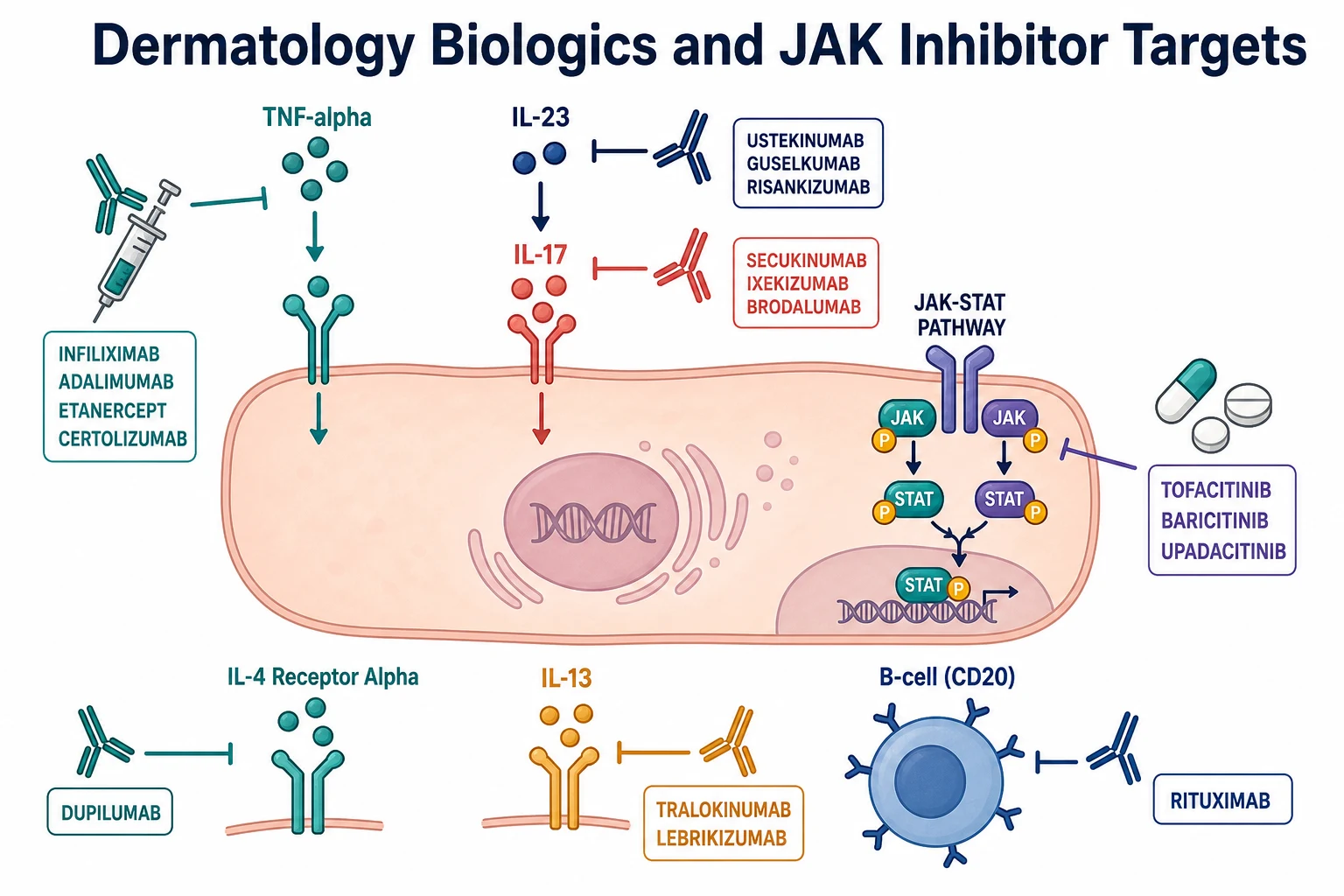
The biologics are monoclonal antibodies (or receptor-Fc fusion proteins) that bind and neutralise a single extracellular cytokine or its receptor. The JAK inhibitors are oral small molecules that block phosphorylation inside the cell: cytokine receptors signal through JAK-STAT, and by occupying the kinase active site these drugs prevent STAT phosphorylation and downstream gene transcription for a broad set of interleukins.[7][10]
Indications & Patient Selection
The choice of agent is governed by the disease, its severity and tempo, the patient's comorbidities, reproductive plans, and the expected duration of treatment. A few pairings are near-mandatory and should be recalled as fixed associations. [1]
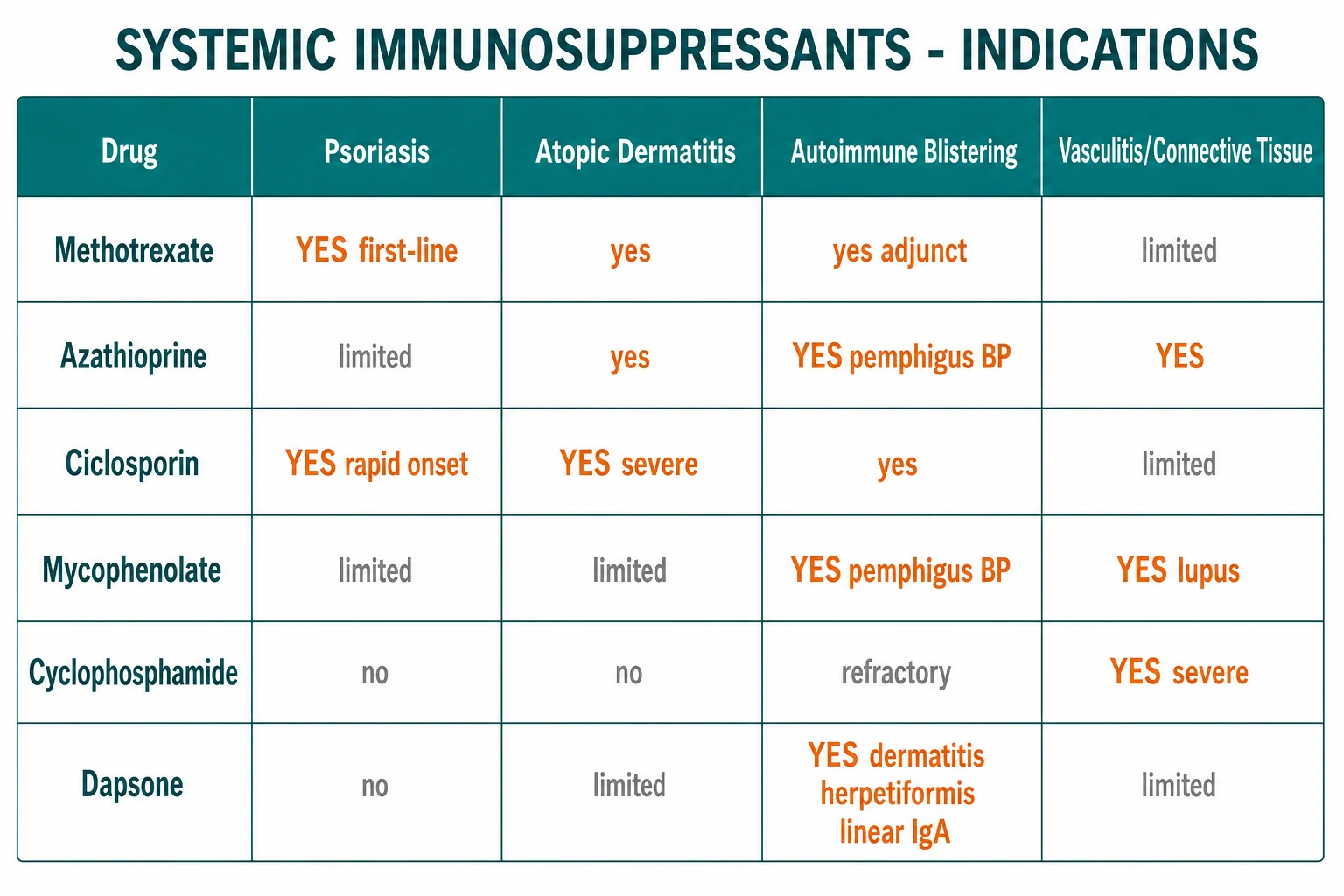
Methotrexate is first-line systemic for moderate-to-severe plaque psoriasis and psoriatic arthritis, and is widely used for atopic dermatitis, bullous pemphigoid, cutaneous T-cell lymphoma, and sarcoidosis.[1][6] Azathioprine is a workhorse for atopic dermatitis, pemphigus vulgaris (as a steroid sparer), bullous pemphigoid, chronic actinic dermatitis, and cutaneous lupus.[3] Ciclosporin is reserved for rapid control of severe, flaring psoriasis or atopic dermatitis and for pyoderma gangrenosum, always as a short bridge.[1] Mycophenolate mofetil suits pemphigus, bullous pemphigoid, and cutaneous lupus where azathioprine is poorly tolerated.[9] Cyclophosphamide is for the severe vasculitides (ANCA-associated, cryoglobulinaemic) and refractory pemphigus.[4] Dapsone is the drug of choice for dermatitis herpetiformis and linear IgA bullous dermatosis, and useful for the neutrophilic dermatoses.[3] Hydroxycarbamide is a third-line option for refractory psoriasis. Thalidomide treats erythema nodosum leprosum, refractory aphthae in Behcet disease, and cutaneous lupus.
Biologics are now first-line for moderate-to-severe psoriasis in many countries and have displaced conventional agents earlier in the algorithm; dupilumab is first-line systemic for moderate-to-severe atopic dermatitis from infancy.[3][8] Several disease-first-line pairings are worth memorising because they appear repeatedly in vivas. For psoriasis, the ladder is methotrexate or acitretin as first conventional agent, ciclosporin for rapid crisis control, then an IL-23 or IL-17 inhibitor for moderate-to-severe or refractory disease. For atopic dermatitis, dupilumab is the first systemic biologic from infancy, with the JAK inhibitors (upadacitinib, abrocitinib, baricitinib) as oral alternatives and methotrexate, azathioprine, and ciclosporin as conventional options. For pemphigus vulgaris, rituximab plus a tapering prednisolone course is the modern standard, with mycophenolate or azathioprine as steroid sparers. For cutaneous lupus, hydroxychloroquine is first-line (5 mg/kg/day), with methotrexate, mycophenolate, or belimumab for refractory disease. For dermatitis herpetiformis, dapsone is pathognomonic, combined with a strict gluten-free diet for the underlying coeliac-type enteropathy.
Choosing Between Agents
When two agents could treat the same disease, the differentiating questions are toxicity, onset, monitoring burden, and pregnancy compatibility. The classic decision points appear in the table below. [1]
Rapid onset needed (psoriasis flare, erythroderma)
Woman of childbearing age
Renal impairment
Hepatic impairment or significant alcohol use
Dermatitis herpetiformis / linear IgA disease
Severe pemphigus vulgaris
Pharmacokinetics & Key Drug Interactions
The way each drug is absorbed, metabolised, and cleared dictates its interactions and its monitoring. Methotrexate is absorbed orally (bioavailability around 60 percent, saturable at higher doses — the reason subcutaneous or intramuscular dosing is preferred above 15 mg), excreted largely unchanged by the kidney via glomerular filtration and active tubular secretion, and displaced from protein-binding and renal tubular secretion by NSAIDs, salicylates, penicillins, probenecid, and proton-pump inhibitors. Trimethoprim and co-trimoxazole are themselves antifolates and compound myelosuppression, a combination that should never be prescribed. Any fall in glomerular filtration — age, dehydration, contrast — converts a safe weekly dose into a toxic one.[6]
Azathioprine has no intrinsic activity; it is a pro-drug whose fate depends on the balance between TPMT (inactivating) and xanthine oxidase (inactivating) on one side and HGPRT (activating) on the other. The clinical consequence is that dose is dictated by TPMT and that xanthine oxidase inhibition by allopurinol (or febuxostat) is catastrophic unless the azathioprine dose is cut by roughly 70 percent. Warfarin resistance and additive myelosuppression with ACE inhibitors round out the interaction profile.[3]
Ciclosporin and tacrolimus are both narrow-therapeutic-index drugs metabolised by CYP3A4 and substrates of P-glycoprotein. Inhibitors of CYP3A4 (macrolides such as erythromycin and clarithromycin, azole antifungals, diltiazem, verapamil, grapefruit juice, HIV protease inhibitors) raise levels and precipitate nephrotoxicity; inducers (rifampicin, rifabutin, phenytoin, carbamazepine, phenobarbitone, St John's wort) lower levels and cause treatment failure. Nephrotoxicity is additive with aminoglycosides, NSAIDs, tenofovir, and iodinated contrast, and statin myopathy and rhabdomyolysis risk rise when ciclosporin is combined with simvastatin or atorvastatin. [1]
Mycophenolate absorption is reduced by antacids, iron, sevelamer, and cholestyramine; tacrolimus and ciclosporin raise mycophenolate levels. Cyclophosphamide is a pro-drug activated by hepatic CYP2C9 and 3A4, so inducers (phenytoin, rifampicin) increase acrolein formation and cystitis risk while inhibitors blunt efficacy. Dapsone levels are raised by cimetidine, probenecid, and trimethoprim, and its oxidative haemolysis is compounded by other oxidants such as primaquine and sulfonamides. [1]
Biologics, by contrast, have few pharmacokinetic interactions because they are proteins degraded to peptides; methotrexate co-therapy actually lowers anti-drug antibody formation against infliximab and adalimumab and is routinely co-prescribed for that reason. The relevant interactions with biologics are pharmacodynamic: live vaccines are contraindicated, and combination of two biologics increases serious infection without improving efficacy.[1]
JAK inhibitors are metabolised hepatically (tofacitinib largely by CYP3A4; baricitinib and upadacitinib partly by CYP2C9) so strong inhibitors (ketoconazole, fluconazole, clarithromycin) raise exposure; strong inducers (rifampicin) reduce it. They raise lipid levels and may potentiate statins and immunosuppressive co-therapy.[7]
Pre-treatment Assessment & Counselling
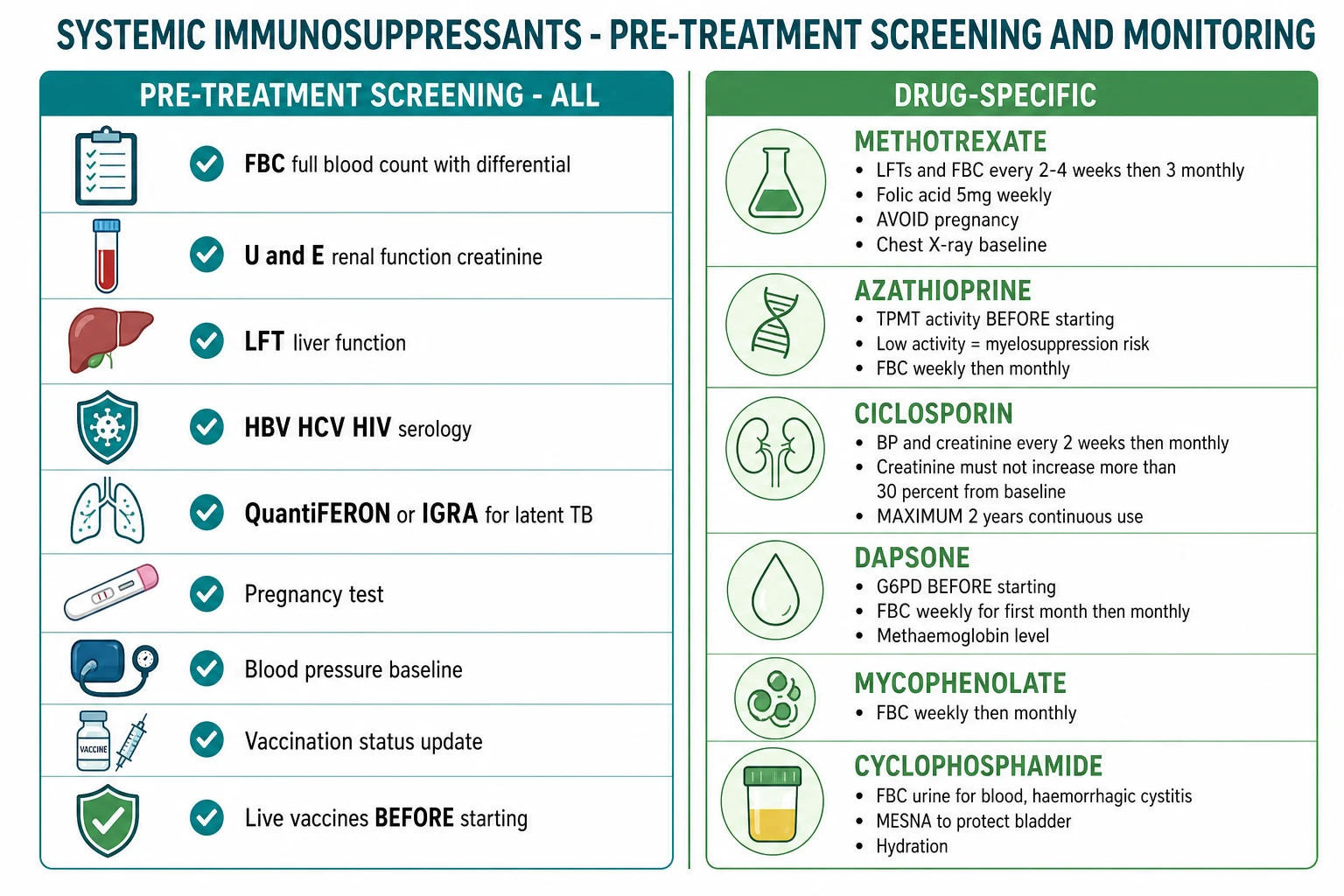
Before any systemic immunosuppressant is started, every patient undergoes the same baseline assessment, on top of which each drug adds its specific test. Skipping this bundle is the commonest source of preventable harm. [1]
Confirm the diagnosis and document disease severity (PASI/EASI/abscess count) so response can be measured.
Full history: comorbidities (renal, hepatic, cardiac, TB exposure, malignancy, neurology), alcohol, vaccinations, pregnancy intent, concomitant drugs (NSAIDs, ACE inhibitors, allopurinol, statins).
Examine for intercurrent infection, latent neurological disease (thalidomide), and baseline skin cancer burden.
Baseline bloods: FBC with differential, U&E and creatinine, LFTs, fasting glucose and lipids.
Infection screen: HBV (HBsAg, anti-HBc, anti-HBs), HCV, HIV; IGRA or QuantiFERON-TB plus chest X-ray for latent TB.
Pregnancy test in all women of childbearing potential; confirm a contraception plan for teratogenic drugs.
Vaccination: bring live vaccines (MMR, varicella, zoster, yellow fever) up to date BEFORE starting; give inactivated influenza, pneumococcal, hepatitis B, HPV, COVID as indicated.
Counsel on sun protection, infection signs, and the weekly methotrexate rule; provide a patient information sheet and written monitoring plan.
Screening & Monitoring Investigations
The monitoring schedule is drug-specific, but a few rules are universal: cytotoxic agents need a full blood count, hepatic agents need liver function tests, and renal agents need creatinine and blood pressure. The non-negotiable pre-treatment biomarkers are listed below. [1]
For methotrexate, check FBC and LFTs every one to two weeks for the first month, then every two to three months; serial procollagen-III N-terminal peptide (PIIINP) or transient elastography surveys for hepatic fibrosis, and a chest X-ray plus prompt review of any respiratory symptom screens for pneumonitis.[6] For azathioprine, FBC is weekly for the first four to eight weeks then monthly, with LFTs; a falling mean corpuscular volume or rising mean corpuscular haemoglobin can herald myelosuppression. For ciclosporin, blood pressure and creatinine are checked every two weeks until the dose stabilises then monthly; creatinine must not rise by more than 30 percent from baseline and, if it does, the dose is reduced or the drug stopped.[1] For dapsone, FBC weekly for the first month then monthly, with a methaemoglobin level if cyanosis or dyspnoea appears.[3] For biologics, a TB screen (IGRA plus chest X-ray), HBV, HCV, and HIV are mandatory before the first dose; routine bloods are minimal except for rituximab, which requires immunoglobulin and CD19 monitoring.[9]
Drug Profiles — Definitive Guide
This section is the core of the topic. Each agent is presented with mechanism, indication, dose, monitoring, toxicity, interactions, and pregnancy category. [1]
Corticosteroids
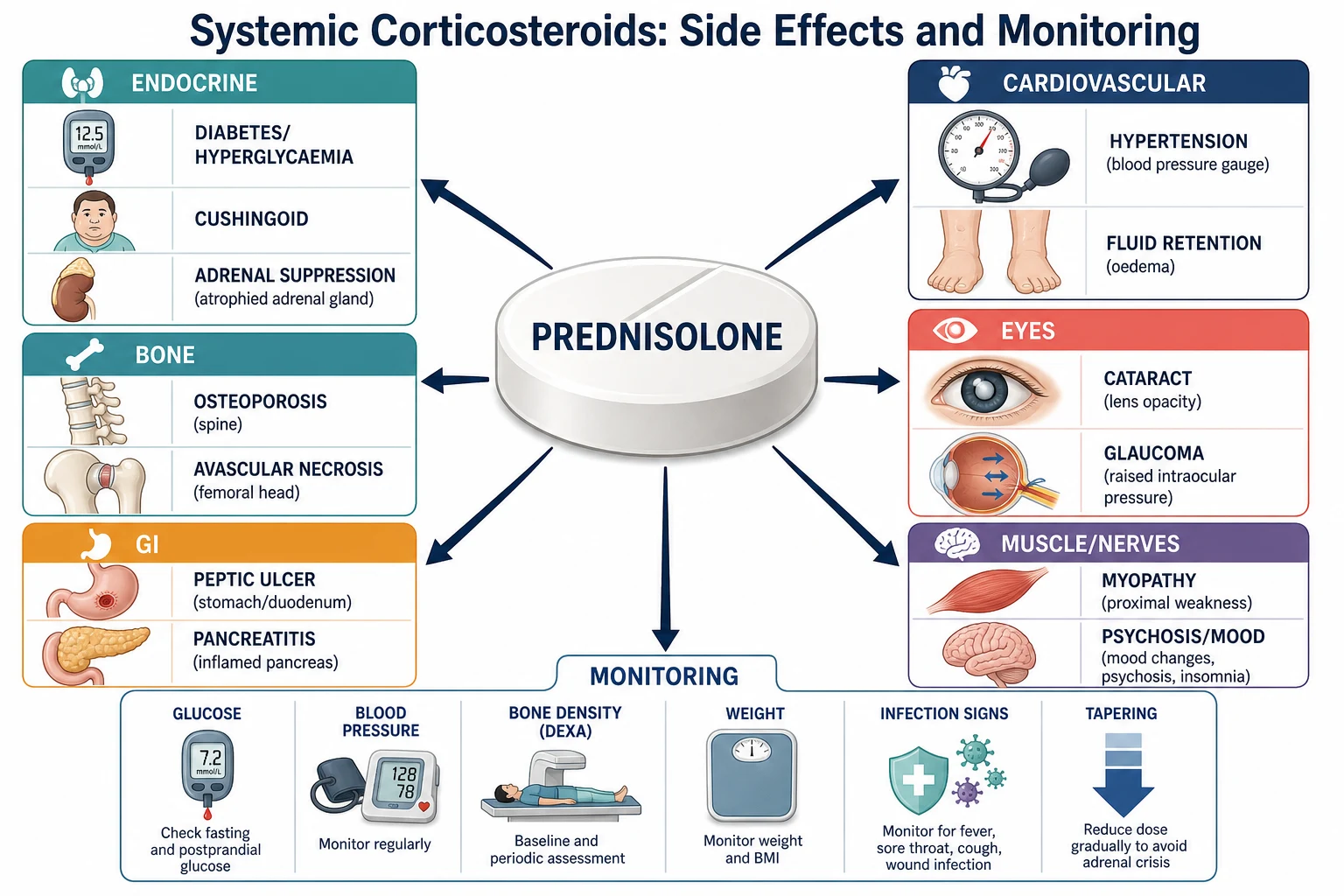
Mechanism. Glucocorticoid-receptor mediated transrepression of NF-kappa-B and AP-1; reduced TNF, IL-1, IL-2, IL-6; lymphocyte apoptosis. Indication. Acute control of pemphigus vulgaris, bullous pemphigoid, severe atopic dermatitis flares, cutaneous lupus, dermatomyositis, and Stevens-Johnson syndrome/toxic epidermal necrolysis (in selected cases).[9]
Dose. Prednisolone 0.5 to 1 mg/kg/day orally as a single morning dose, tapered by 5 to 10 mg every one to two weeks once the disease is controlled; for severe flares or rapidly progressive disease, methylprednisolone 0.5 to 1 g intravenously daily for three days as a pulse, followed by oral prednisolone. Monitoring. Fasting glucose, blood pressure, weight, bone mineral density at baseline and serially, ocular review on long-term therapy, and electrolytes. Side effects. Hyperglycaemia and steroid-induced diabetes, hypertension and fluid retention, osteoporosis and vertebral fracture, avascular necrosis of the femoral head, posterior subcapsular cataract and glaucoma, peptic ulceration, myopathy, mood disturbance and steroid psychosis, growth suppression in children, and hypothalamic-pituitary-adrenal suppression that mandates a slow taper. Pregnancy. Prednisolone (largely placenta-inactivated) is acceptable; dexamethasone and betamethasone cross the placenta. [1]
[1]Methotrexate
Mechanism. Folate analogue inhibiting DHFR and thymidylate synthase; anti-inflammatory at low dose via adenosine. Indication. First-line systemic for plaque psoriasis and psoriatic arthritis; atopic dermatitis; bullous pemphigoid; cutaneous T-cell lymphoma; sarcoidosis.[1][6]
Dose. 7.5 to 25 mg once weekly by the oral, subcutaneous, or intramuscular route, preceded by a 5 to 10 mg test dose. Folic acid 5 mg once weekly (given on a day other than the methotrexate day) reduces mucositis and hepatotoxicity without blunting efficacy. Monitoring. FBC and LFTs every one to two weeks initially then every two to three months; fibrosis surveillance with PIIINP or elastography; chest X-ray at baseline and review for pneumonitis. Side effects. Hepatotoxicity (steatosis, fibrosis, cirrhosis — risk rises with cumulative dose, obesity, diabetes, and alcohol), myelosuppression, mucositis and gastrointestinal upset, methotrexate pneumonitis (dry cough, dyspnoea, fever — stop immediately and treat with corticosteroid), renal impairment in high-dose settings, and teratogenicity. Interactions. NSAIDs, trimethoprim, co-trimoxazole, proton-pump inhibitors, and penicillins reduce renal clearance and precipitate toxicity; avoid alcohol. Pregnancy. Category X — absolutely contraindicated in pregnancy and lactation; reliable contraception for both men and women, with a three-month washout before conception. Antidote. Folinic acid (leucovorin) for acute toxicity or overdose; glucarpidase for life-threatening toxicity with renal failure.[6]
[1]Azathioprine
Mechanism. Pro-drug to 6-mercaptopurine then 6-thioguanine nucleotides; impairs lymphocyte DNA synthesis. Indication. Atopic dermatitis, pemphigus vulgaris, bullous pemphigoid, chronic actinic dermatitis, cutaneous lupus, pyoderma gangrenosum.[3][9]
Dose. 1 to 3 mg/kg/day orally, titrated against response and full blood count. Mandatory pre-test. Thiopurine methyltransferase (TPMT) activity or genotype before the first dose: homozygous low/absent (~1 in 300) — avoid azathioprine; heterozygous (~10 percent) — reduce dose by 30 to 70 percent; normal — standard dose. Monitoring. FBC weekly for four to eight weeks then monthly; LFTs. Side effects. Myelosuppression (dose- and TPMT-dependent), hepatotoxicity (including nodular regenerative hyperplasia), pancreatitis, hypersensitivity (fever, rash, arthralgia — stop), and increased non-melanoma skin cancer risk. Interactions. The single most dangerous interaction in dermatology: allopurinol inhibits xanthine oxidase and shunts 6-MP away from detoxication, producing potentially fatal myelosuppression — reduce azathioprine by 70 percent or avoid the combination. Warfarin effect is reduced; ACE inhibitors add to myelosuppression risk. Pregnancy. Category D; men and women should use contraception, though modern observational data in inflammatory bowel disease are more permissive for men — discuss individually.[3]
Ciclosporin
Mechanism. Calcineurin inhibitor; binds cyclophilin; blocks NFAT and IL-2 transcription. Indication. Rapid control of severe, flaring psoriasis or atopic dermatitis; pyoderma gangrenosum; as a short bridge to a steroid-sparing agent.[1]
Dose. 2.5 to 5 mg/kg/day orally in two divided doses of the microemulsion formulation, tapering to the lowest effective dose. Monitoring. Blood pressure and creatinine every two weeks until stable then monthly; U&E, magnesium, lipids, urate. Side effects. Nephrotoxicity (the dominant toxicity — vasoconstriction of the afferent arteriole, chronic interstitial fibrosis), hypertension, gingival hyperplasia, hyperkalaemia, hyperuricaemia and gout, hirsutism, tremor, paraesthesiae, and increased skin cancer risk especially after PUVA. Interactions. Profound via CYP3A4: levels are raised by macrolides, azoles, diltiazem, grapefruit, and statins (myopathy risk); reduced by rifampicin, phenytoin, carbamazepine, and St John's wort; nephrotoxicity is additive with NSAIDs, aminoglycosides, and contrast. Duration. Maximum 1 to 2 years continuous use because cumulative nephrotoxicity is progressive; transition to methotrexate, acitretin, or a biologic well before that limit. Pregnancy. Low-dose ciclosporin is among the safer systemic immunosuppressants in pregnancy (used in transplant recipients) — Category C with case-by-case use.[1]
Mycophenolate mofetil
Mechanism. Hydrolysed to mycophenolic acid; inhibits IMPDH and de-novo purine synthesis in lymphocytes. Indication. Pemphigus vulgaris, bullous pemphigoid, cutaneous lupus, pyoderma gangrenosum.[9]
Dose. 1 to 2 g/day orally in two divided doses (maximum 3 g/day); mycophenolic acid (1440 mg) is the enteric-coated alternative. Monitoring. FBC weekly for a month then monthly; LFTs. Side effects. Gastrointestinal (diarrhoea, nausea, abdominal cramps — common and dose-related), myelosuppression (leucopenia), increased infection, and rare progressive multifocal leucoencephalopathy. Interactions. Antacids, cholestyramine, and iron reduce absorption; tacrolimus and ciclosporin raise mycophenolate levels. Pregnancy. Category D — teratogenic; contraception mandatory and a six-week washout before conception.[9]
Tacrolimus (systemic)
Mechanism. Macrolide calcineurin inhibitor; binds FKBP-12 and inhibits calcineurin like ciclosporin. Indication. In dermatology the topical formulation predominates; systemic tacrolimus is reserved for severe refractory disease as a ciclosporin alternative. Dose. 0.05 to 0.1 mg/kg/day orally (transplant doses are higher); dose-adjusted to trough blood levels. Monitoring. Trough levels, glucose (diabetogenic), magnesium, potassium, renal function, blood pressure. Side effects. Nephrotoxicity (less than ciclosporin), diabetes, neurotoxicity (tremor, headache), hypertension, hyperkalaemia. Pregnancy. Category C — used in transplant pregnancy, among the safer options. [1]
Cyclophosphamide
Mechanism. Alkylating agent; hepatic activation to phosphoramide mustard (DNA cross-links) and acrolein (bladder toxin). Indication. Severe vasculitis (ANCA-associated, cryoglobulinaemic, polyarteritis nodosa), refractory pemphigus.[4]
Dose. 50 to 150 mg/day orally, or intravenous pulse 500 to 1000 mg/m2 every two to four weeks with MESNA and aggressive hydration. Monitoring. FBC, urinalysis for haematuria, renal function, fertility counselling. Side effects. Haemorrhagic cystitis from acrolein (prevent with MESNA — which binds acrolein — plus at least 3 litres of fluid daily and frequent voiding), secondary bladder cancer (cumulative, may present years later), lymphoma and leukaemia, gonadal failure and infertility (dose-cumulative; offer gamete storage), myelosuppression, alopecia, and nausea. Pregnancy. Category D — teratogenic; contraception for both sexes, washout before conception. [1]
[1]Dapsone
Mechanism. Inhibits myeloperoxidase and neutrophil integrin function; suppresses neutrophil-mediated cytotoxicity. Indication. Dermatitis herpetiformis (pathognomonic response), linear IgA bullous dermatosis, leprosy (antibacterial at full dose), neutrophilic dermatoses (Sweet syndrome, pyoderma gangrenosum), Behcet disease, and IgA pemphigus.[3]
Dose. 50 to 150 mg/day orally (up to 200 mg). Mandatory pre-test. Glucose-6-phosphate dehydrogenase (G6PD) before the first dose: deficiency causes severe oxidative haemolysis (Heinz bodies). Monitoring. FBC weekly for the first month then monthly (reticulocytes, haemoglobin); methaemoglobin if symptomatic. Side effects. Haemolysis and haemolytic anaemia (dose-related, worse in G6PD deficiency), methaemoglobinaemia (chocolate-brown blood, cyanosis unresponsive to oxygen — treat with methylene blue 1 to 2 mg/kg, not if the patient is G6PD-deficient, in which case use exchange transfusion), agranulocytosis (idiosyncratic, two to twelve weeks after starting), dapsone hypersensitivity syndrome (DRESS) with fever, rash, lymphadenopathy, eosinophilia, and hepatitis (weeks to months after starting), and a motor peripheral neuropathy. Interactions. Cimetidine, probenecid, and trimethoprim increase dapsone levels; primaquine and other oxidants compound haemolysis. Pregnancy. Category C — relatively safe (used in leprosy in pregnancy) but check G6PD regardless. [1]
Hydroxycarbamide (hydroxyurea)
Mechanism. Inhibits ribonucleotide reductase, blocking DNA synthesis. Indication. Refractory psoriasis (particularly where methotrexate is contraindicated), and in patients with sickle cell disease who also have psoriasis. Dose. 500 mg to 1.5 g/day orally. Monitoring. FBC every two to four weeks, renal function. Side effects. Myelosuppression (macrocytosis), painful leg ulcers over the malleoli (characteristic), secondary malignancy with long-term use, and cutaneous changes (atrophy, poikiloderma, nail pigmentation). Pregnancy. Category D — teratogenic; contraception mandatory. [1]
Thalidomide
Mechanism. Binds cereblon; down-regulates TNF-alpha; anti-angiogenic. Indication. Erythema nodosum leprosum, refractory aphthous stomatitis in Behcet disease and HIV, cutaneous lupus (including refractory discoid), and graft-versus-host disease. Dose. 100 to 300 mg/day orally, usually at night (sedation). Pregnancy prevention. Available only through a pregnancy prevention programme with mandatory contraception in women of childbearing potential and in men (drug in semen), negative pregnancy tests before and during treatment, and a stringent risk-management system. Monitoring. Baseline and monthly neurological review for peripheral neuropathy (numbness, paraesthesiae — nerve conduction studies if symptomatic; the neuropathy may be irreversible), full blood count (neutropenia), and thrombosis risk. Side effects. Teratogenicity (phocomelia — the archetype), sensorimotor peripheral neuropathy, somnolence, constipation, rash, and venous thromboembolism. Pregnancy. Absolute contraindication — Category X. [1]
Biologics
The biologics are monoclonal antibodies (or receptor-Fc fusions) directed against specific cytokines. They are grouped by target. Before any biologic, screen for latent tuberculosis (IGRA plus chest X-ray), hepatitis B and C, and HIV, because reactivation is the class's headline infectious risk.[1][9]
TNF-alpha inhibitors. Infliximab (chimeric IgG1, 5 mg/kg intravenously at weeks 0, 2, 6, then every 8 weeks), adalimumab (fully human IgG1, 80 mg subcutaneously then 40 mg every 2 weeks from week 2), etanercept (TNF receptor-Fc fusion, 50 mg subcutaneously weekly), certolizumab pegol (PEGylated Fab, 400 mg at weeks 0, 2, 4 then 200 mg every 2 weeks — minimal placental transfer so used in pregnancy), and golimumab (monthly subcutaneous, mainly rheumatology). Indications span psoriasis, psoriatic arthritis, hidradenitis suppurativa, and Crohn disease. Class toxicities: tuberculosis reactivation (screening is mandatory), HBV reactivation, serious bacterial and fungal infection, new-onset or worsening heart failure, drug-induced lupus with anti-nuclear antibodies, demyelination (avoid in multiple sclerosis), and injection or infusion reactions; infliximab and adalimumab carry immunogenicity risk with anti-drug antibodies.[1]
IL-17 inhibitors. Secukinumab (IgG1 kappa, 300 mg subcutaneously at weeks 0, 1, 2, 3, 4 then every 4 weeks), ixekizumab (IgG4, 160 mg then 80 mg every 2 weeks then every 4 weeks), brodalumab (anti-IL-17 receptor A, 210 mg at weeks 0, 1, 2 then every 2 weeks — carries a boxed warning for suicidal ideation in some regions), and bimekizumab (anti-IL-17A/F). Used for plaque psoriasis, psoriatic arthritis, ankylosing spondylitis, and hidradenitis suppurativa. Class toxicities: mucocutaneous candidiasis, injection-site reactions, and possible exacerbation of inflammatory bowel disease (caution or avoid in active Crohn/ulcerative colitis). [1]
IL-23 and IL-12/23 inhibitors. Ustekinumab (anti-IL-12/23 p40, weight-based subcutaneously at weeks 0 and 4 then every 12 weeks), guselkumab (anti-IL-23 p19, at weeks 0, 4 then every 8 weeks), risankizumab (anti-IL-23 p19, at weeks 0, 4 then every 12 weeks), and tildrakizumab (anti-IL-23 p19). These are among the best-tolerated biologics, with upper-respiratory infection and candidiasis the main toxicities and low TB-reactivation risk.[1]
Type 2 cytokine blockers (atopic dermatitis). Dupilumab blocks the IL-4 receptor alpha chain (shared by IL-4 and IL-13), 600 mg subcutaneously then 300 mg every 2 weeks; it is first-line systemic for moderate-to-severe atopic dermatitis from 6 months of age and is also used for prurigo nodularis and eosinophilic oesophagitis. Tralokinumab and lebrikizumab block IL-13 directly. Class toxicities: conjunctivitis (notably with dupilumab), injection-site reactions, and herpes simplex reactivation.[3][8]
B-cell depletion. Rituximab (anti-CD20) depletes B lymphocytes; 375 mg/m2 weekly for 4 weeks, or 1 g two weeks apart repeated at month 6. It is first-line for moderate-to-severe pemphigus vulgaris and foliaceus (PEMPHIX trial) and used in cutaneous B-cell lymphoma and severe cutaneous vasculitis.[9] Toxicities: infusion reactions (premedicate with hydrocortisone, paracetamol, antihistamine), HBV reactivation with fulminant hepatitis (screen and prophylax), prolonged hypogammaglobulinaemia, progressive multifocal leucoencephalopathy (rare), and opportunistic infection.
Other biologics. Omalizumab (anti-IgE) for chronic spontaneous urticaria. Canakinumab (anti-IL-1 beta) for cryopyrin-associated periodic syndromes, Schnitzler syndrome, and severe neutrophilic dermatoses. Eculizumab (anti-C5) for paroxysmal nocturnal haemoglobinuria and atypical haemolytic uraemic syndrome (neisseria vaccination mandatory). [1]
JAK inhibitors (small molecules)
The oral Janus kinase inhibitors block intracellular phosphorylation downstream of type I and type II cytokine receptors. Tofacitinib (JAK1/3), baricitinib (JAK1/2), upadacitinib (JAK1-selective), abrocitinib (JAK1, for atopic dermatitis), and ruxolitinib (topical, JAK1/2 for atopic dermatitis and vitiligo). They are used for atopic dermatitis (upadacitinib, abrocitinib, baricitinib), alopecia areata (baricitinib, ruxolitinib), vitiligo (ruxolitinib topical, upadacitinib), and psoriatic arthritis (tofacitinib).[7][10]
Monitoring. FBC, lipids, and LFTs at baseline and serially; screen for TB, HBV, HCV before start. Toxicities. Herpes zoster (higher than with biologics, particularly in Asian populations — consider shingles vaccination), nasopharyngitis and acne, cytopenias, lipid elevation, and the class boxed warnings drawn from the ORAL Surveillance trial of tofacitinib in rheumatoid arthritis: increased major adverse cardiovascular events, malignancy, thrombosis (venous and arterial), and mortality in older, at-risk patients. These warnings now extend across the class and prompt caution in patients over 50 with cardiovascular or malignancy risk factors.[7]
Acute Toxicities & Resuscitation
A handful of acute presentations on immunosuppression are time-critical and must be managed on a protocol. These are the emergencies the examiner uses to test whether the candidate understands the drugs, not just the diseases. [1]
Time-critical immunosuppressant emergencies
For methotrexate pneumonitis (dry cough, dyspnoea, fever, new infiltrates within weeks of starting or a dose rise), stop methotrexate, give oxygen, exclude infection, and treat with corticosteroid. For dapsone methaemoglobinaemia, stop dapsone, give oxygen, and methylene blue 1 to 2 mg/kg intravenously over 5 minutes (contraindicated in G6PD deficiency, where exchange transfusion is used); ascorbic acid is a slower adjunct. For cyclophosphamide-induced haemorrhagic cystitis, stop the drug, give MESNA and aggressive hydration with bladder irrigation, and transfuse as needed. For infliximab infusion reaction, stop or slow the infusion, give adrenaline intramuscularly if anaphylaxis, with chlorphenamine and hydrocortisone; premedicate future doses. For adrenal crisis after abrupt steroid withdrawal, give hydrocortisone 100 mg intravenously, intravenous fluids, and treat the precipitant.[6][9]
Special Populations
Pregnancy and lactation
Drug choice in a pregnant or breast-feeding patient with severe skin disease is constrained by teratogenicity and by drug transfer into milk. The safest systemic agents are prednisolone (placenta-inactivated), ciclosporin, tacrolimus, intravenous immunoglobulin, and increasingly dupilumab (large molecule, minimal placental transfer, reassuring registry data).[3]
Safe in pregnancy (relative)
Absolutely contraindicated
Biologics in pregnancy
Lactation
Men trying to conceive
Children
Weight-based dosing applies throughout. Methotrexate (0.3 to 0.65 mg/kg/week) is first-line systemic for juvenile psoriasis and severe atopic dermatitis; ciclosporin is effective for severe childhood atopic dermatitis; dupilumab is licensed for atopic dermatitis from 6 months of age. Growth suppression, mood effects, and adherence are particular concerns with chronic corticosteroid use in children. [1]
Elderly and the comorbid
Reduce doses for renal function (methotrexate, ciclosporin, dapsone), anticipate drug interactions from polypharmacy, provide bone protection (calcium, vitamin D, a bisphosphonate) with long-term steroids, and screen cardiovascular and malignancy risk before biologics and JAK inhibitors. [1]
Complications & Pitfalls
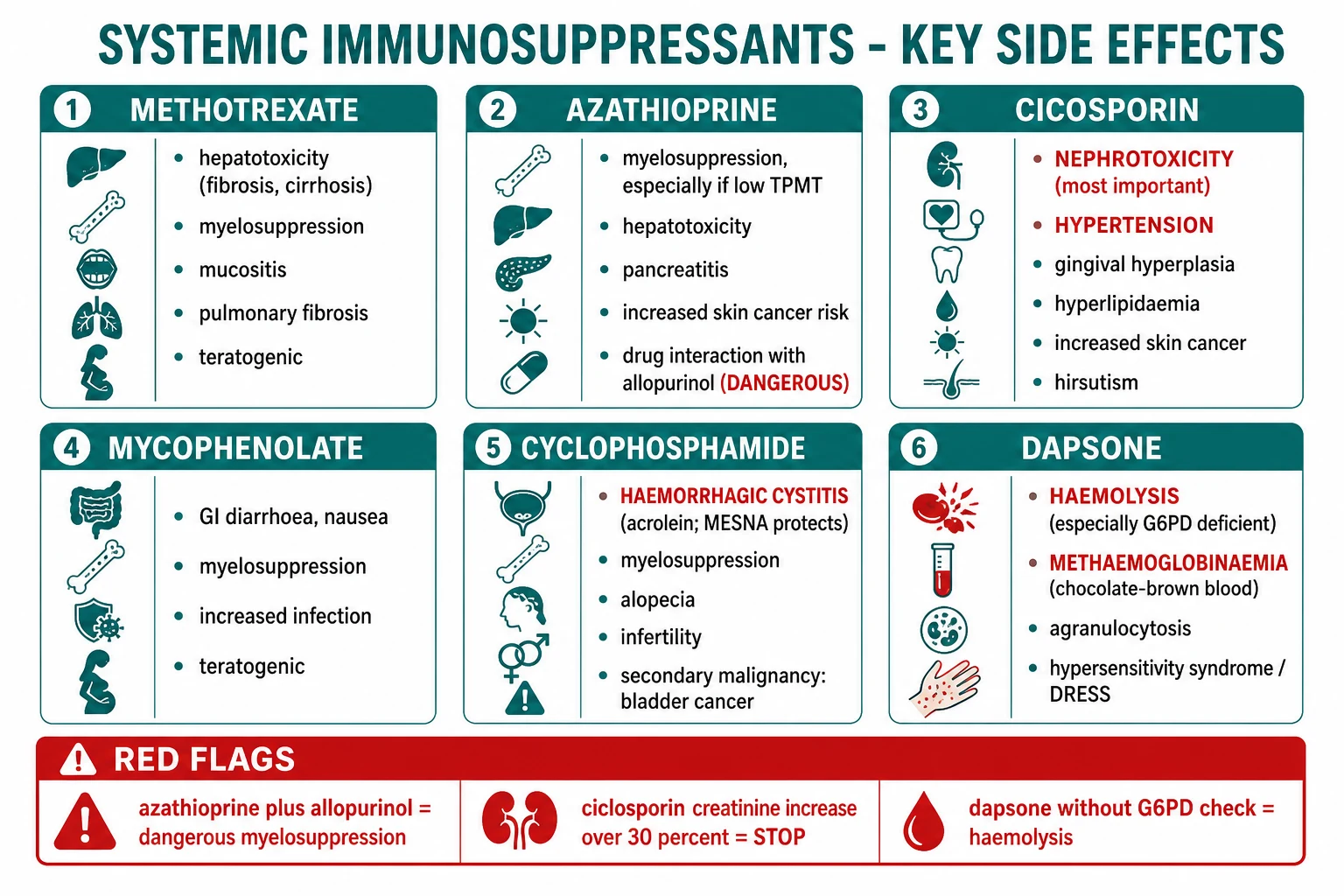
The complications map to mechanism. Cytotoxic drugs cause cytopenia and teratogenicity; renal-acting drugs cause hypertension and nephrotoxicity; biologics reactivate infection; JAK inhibitors raise cardiovascular and thrombotic risk. The pitfalls that examiners reward awareness of are the preventable ones. [1]
Prognosis & Disposition
Most inflammatory and bullous dermatoses are controlled, not cured, by systemic immunosuppression. Ciclosporin is a short bridge (1 to 2 years) to a steroid-sparing or biologic agent because cumulative nephrotoxicity is inexorable. Methotrexate, azathioprine, and mycophenolate are maintained long-term with monitoring; biologics sustain disease control for years, though immunogenicity (anti-drug antibodies to infliximab and adalimumab) can erode efficacy and force switching. Rituximab gives long pemphigus remission but B-cell depletion lasts 6 to 12 months and re-treatment is usual. The disposition question — when to refer, when to admit, when to switch — hinges on disease severity, response, and toxicity; a patient failing first conventional therapy should be referred to a specialist unit for a biologic or small-molecule assessment.[1][8]
Evidence, Guidelines & Regional Differences
The evidence base is mature for psoriasis and atopic dermatitis and evolving rapidly for biologics and JAK inhibitors. The landmark trials and guidelines a fellowship candidate should know include the following. [1]
PEMPHIX — rituximab vs mycophenolate in pemphigus
J Clin Invest | 2020 | NCT02383589
Key finding
Rituximab (375 mg/m2 weekly x4) was superior to mycophenolate mofetil for sustained remission of pemphigus vulgaris/foliaceus off corticosteroid, establishing rituximab as first-line for moderate-to-severe pemphigus.
ORAL Surveillance — tofacitinib vs TNF inhibitor in RA
NEJM | 2022 | NCT02092467
Key finding
In patients with rheumatoid arthritis aged 50 and over with at least one cardiovascular risk factor, tofacitinib carried a higher rate of major adverse cardiovascular events, malignancy, thrombosis, and mortality than a TNF inhibitor. This drove the class boxed warning now applied to all JAK inhibitors.
The AAD-NPF psoriasis guidelines (Menter et al.) list methotrexate, ciclosporin, and acitretin as the first-line conventional agents and place TNF, IL-17, and IL-23 inhibitors for moderate-to-severe disease.[6] The 2023 AAAAI/ACAAI atopic dermatitis guidelines describe dupilumab as first-line systemic and the JAK inhibitors as second-line for moderate-to-severe disease.[3] The EULAR recommendations cover connective-tissue disease systemic therapy.[4]
[1] [1]Exam Pearls
SCREEN
Self-test: a patient on azathioprine is started on allopurinol for gout — what happens and why?
Allopurinol inhibits xanthine oxidase, the enzyme that detoxifies the azathioprine metabolite 6-mercaptopurine to thiouric acid. 6-mercaptopurine is therefore shunted toward 6-thioguanine nucleotides, which accumulate and cause severe, potentially fatal myelosuppression. The combination must be avoided, or the azathioprine dose reduced by about 70 percent with intense blood-count monitoring. This is the single most dangerous drug interaction in dermatologic immunosuppression.
Exam application bank (NEET-PG / INICET)
One-line answer
Systemic immunosuppressants in dermatology: corticosteroids (prednisolone 0.5-1 mg/kg/day taper; methylprednisolone 0.5-1 g IV pulses; diabetes, osteoporosis, HTN, cataracts, adrenal suppression), methotrexate (7.5-25 mg WEEKLY + folic acid; LFT/FBC; hepatotoxicity, pneumonitis; folinic acid rescue), azathioprine (1-3 mg/kg/day; check TPMT first; FATAL allopurinol interaction), ciclosporin (2.5-5 mg/kg/day; creatinine +30% = stop; max 2 years), mycophenolate mofetil (1-2 g/day; teratogenic), cyclophosphamide (MESNA for haemorrhagic cystitis), tacrolimus, dapsone (check G6PD; haemolysis, methaemoglobinaemia), hydroxycarbamide, thalidomide (pregnancy prevention), biologics (TNF, IL-17, IL-23, IL-4Ra, IL-13, CD20; TB screening), and JAK inhibitors (tofacitinib, baricitinib, upadacitinib; VTE/MACE warnings). [1]
Worked stems (answer without another resource)
Stem 1 — Classic presentation. Map symptoms to mechanism; name the first investigation and first treatment step with dose/route if drug therapy is standard. [1]
Stem 2 — Unstable / complicated. List red flags that force immediate resuscitation, theatre, ICU, antidote, or reperfusion — and what you do in the first 15 minutes. [1]
Stem 3 — Atypical group. Elderly, pregnancy, child, or immunocompromised: how presentation and thresholds change. [1]
Stem 4 — Differential trap. Name the three closest mimics and one discriminator for each. [1]
Stem 5 — Disposition. Who goes home with safety-netting, who is admitted, who needs HDU/ICU/theatre, and what follow-up is mandatory. [1]
Rapid viva checklist
- Definition + classification
- Pathophysiology chain
- Bedside signs / criteria
- Score with exact components (if any)
- Emergency bundle
- Definitive therapy with doses
- Complications of disease and of treatment
- Special populations
- Guideline/trial name if classic
- Three exam traps
Coverage self-check
If you cannot answer any stem above from this page alone, re-read the matching section — the page is intended to be self-sufficient for final-prof and NEET-PG/INICET questions on Systemic immunosuppressants.
[1]SAQ — Choosing a systemic agent in a woman of childbearing age with severe atopic dermatitis
10 minutes · 10 marks
A 28-year-old woman with severe atopic dermatitis (EASI 32) has failed optimised topical therapy and phototherapy. She wishes to conceive within the next year. Justify your choice of systemic agent, the pre-treatment work-up, and the monitoring plan. (10 marks; 10 minutes)
“”
References
- [1]Armstrong AW, Read C. Pathophysiology, Clinical Presentation, and Treatment of Psoriasis: A Review JAMA, 2020.PMID 32427307
- [2]Butler DC, Berger T, Elmariah S, et al. Chronic Pruritus: A Review JAMA, 2024.PMID 38809527
- [3]Chu DK, Schneider L, Asiniwasis RN, et al. Atopic dermatitis (eczema) guidelines: 2023 American Academy of Allergy, Asthma and Immunology/American College of Allergy, Asthma and Immunology Joint Task Force on Practice Parameters GRADE- and Institute of Medicine-based recommendations Ann Allergy Asthma Immunol, 2024.PMID 38108679
- [4]Ramos-Casals M, Brito-Zeron P, Bombardieri S, et al. EULAR recommendations for the management of Sjögren's syndrome with topical and systemic therapies Ann Rheum Dis, 2020.PMID 31672775
- [5]Clanner-Engelshofen BM, Bernhard D, Dargatz S, et al. S2k guideline: Rosacea J Dtsch Dermatol Ges, 2022.PMID 35929658
- [6]Menter A, Gelfand JM, Connor C, et al. Joint American Academy of Dermatology-National Psoriasis Foundation guidelines of care for the management of psoriasis with systemic nonbiologic therapies J Am Acad Dermatol, 2020.PMID 32119894
- [7]King BA, Craiglow BG. Janus kinase inhibitors for alopecia areata J Am Acad Dermatol, 2023.PMID 37591562
- [8]Drucker AM, Morra DE, Prieto-Merino D, et al. Systemic Immunomodulatory Treatments for Atopic Dermatitis: Update of a Living Systematic Review and Network Meta-analysis JAMA Dermatol, 2022.PMID 35293977
- [9]Schmidt E, Kasperkiewicz M, Joly P. Pemphigus Lancet, 2019.PMID 31498102
- [10]Qi F, Liu F, Gao L. Janus Kinase Inhibitors in the Treatment of Vitiligo: A Review Front Immunol, 2021.PMID 34868078