Endocrinology · Endocrinology
Cushing Syndrome
Also known as Hypercortisolism · Cushing disease · Pituitary-dependent Cushing · Adrenal Cushing · Ectopic ACTH syndrome
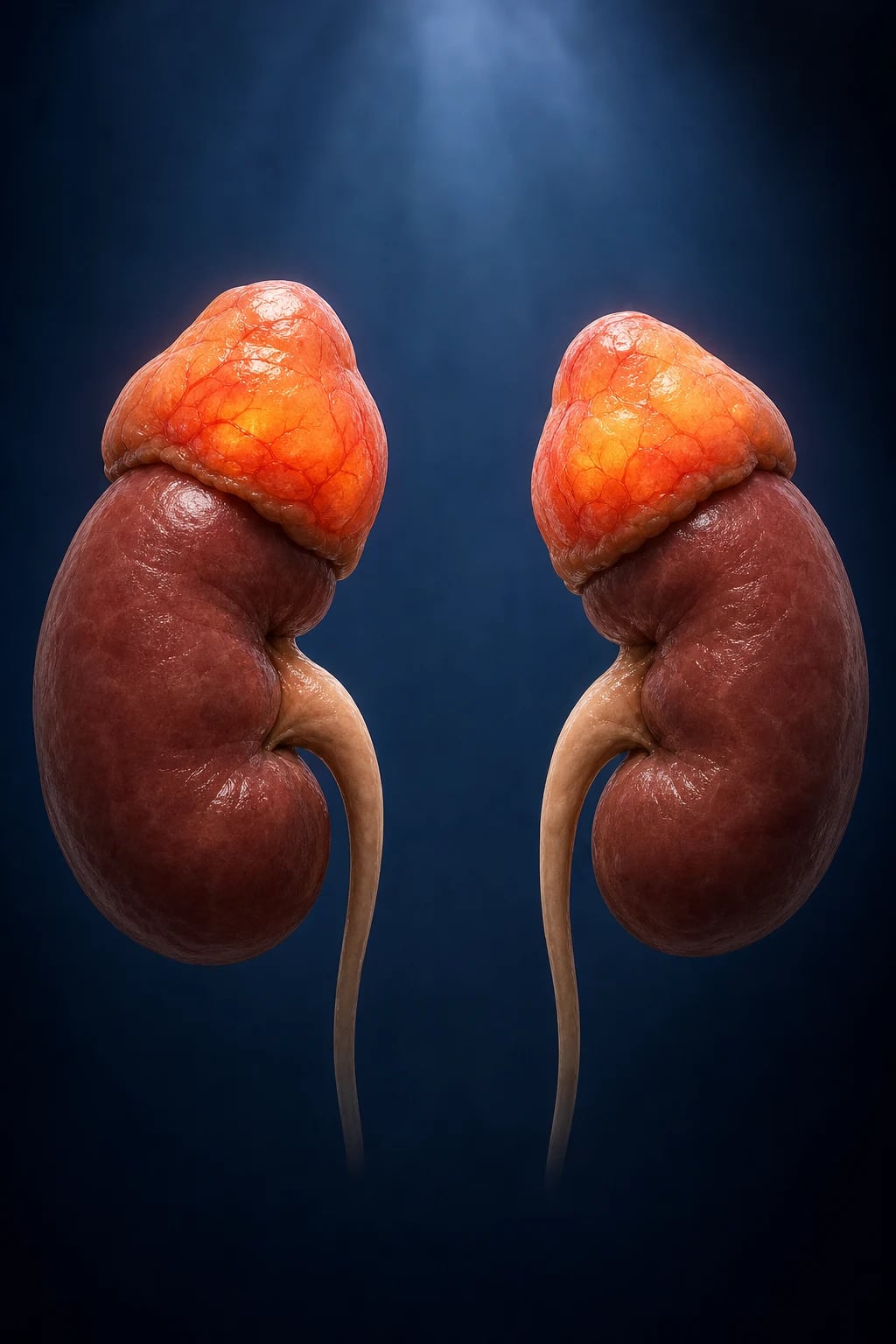
Cushing syndrome is the clinical and biochemical syndrome resulting from chronic exposure to excess glucocorticoid (endogenous cortisol or exogenous steroid). Exogenous (iatrogenic) steroid therapy is the commonest cause overall; of endogenous causes, ACTH-dependent forms (Cushing disease from a pituitary corticotroph adenoma ~70%, ectopic ACTH/CRH ~10%) outnumber ACTH-independent adrenal causes (adrenal adenoma, carcinoma, bilateral macronodular hyperplasia ~20%). The phenotype combines central obesity, moon face, dorsocervical and supraclavicular fat pads, purple striae, proximal myopathy, easy bruising, thin skin, hypertension, hyperglycaemia and osteoporosis. Diagnosis requires two abnormal first-line screening tests of the three endorsed by the Endocrine Society (24-hour urine free cortisol, late-night salivary cortisol, 1-mg overnight dexamethasone suppression test), then plasma ACTH to localise (ACTH-dependent vs ACTH-independent), then imaging ± bilateral inferior petrosal sinus sampling for ACTH-dependent disease. Transsphenoidal resection is first-line for Cushing disease; adrenalectomy for adrenal tumours; tumour resection for ectopic ACTH. Steroidogenesis inhibitors (metapyrapone, ketoconazole, osilodrostat, mitotane) and the pituitary-directed pasireotide bridge control and treat unresectable disease.
On this page & tools
Your progress
Saved locally on this device.
Exam tags
Red flags
Overview & Definition
Cushing syndrome (Harvey Cushing, 1932) is the constellation of clinical and biochemical features caused by chronic exposure to excess glucocorticoid, whether from endogenous cortisol overproduction or from exogenous (iatrogenic) glucocorticoid administration.[1]
Two terms must never be conflated: [1]
- Cushing syndrome — the broad umbrella, any cause of cortisol excess.
- Cushing disease — a specific subtype: cortisol excess caused by an ACTH-secreting pituitary corticotroph adenoma (i.e. pituitary-dependent Cushing). It is the commonest endogenous cause but is only one of several aetiologies. [1]
The clinical skill in Cushing is not naming the phenotype (that is unmistakable once seen) but rather (i) confirming true cortisol excess (most "Cushingoid" patients referred do not have the syndrome — obesity, alcoholism and depression mimic it), (ii) differentiating ACTH-dependent from ACTH-independent disease, and (iii) localising the tumour so that surgery can be curative. Each of these steps is governed by Endocrine Society consensus thresholds; short-cutting them produces missed adrenal carcinomas and unnecessary, sometimes fruitless, pituitary surgery.[2][3]
Classification
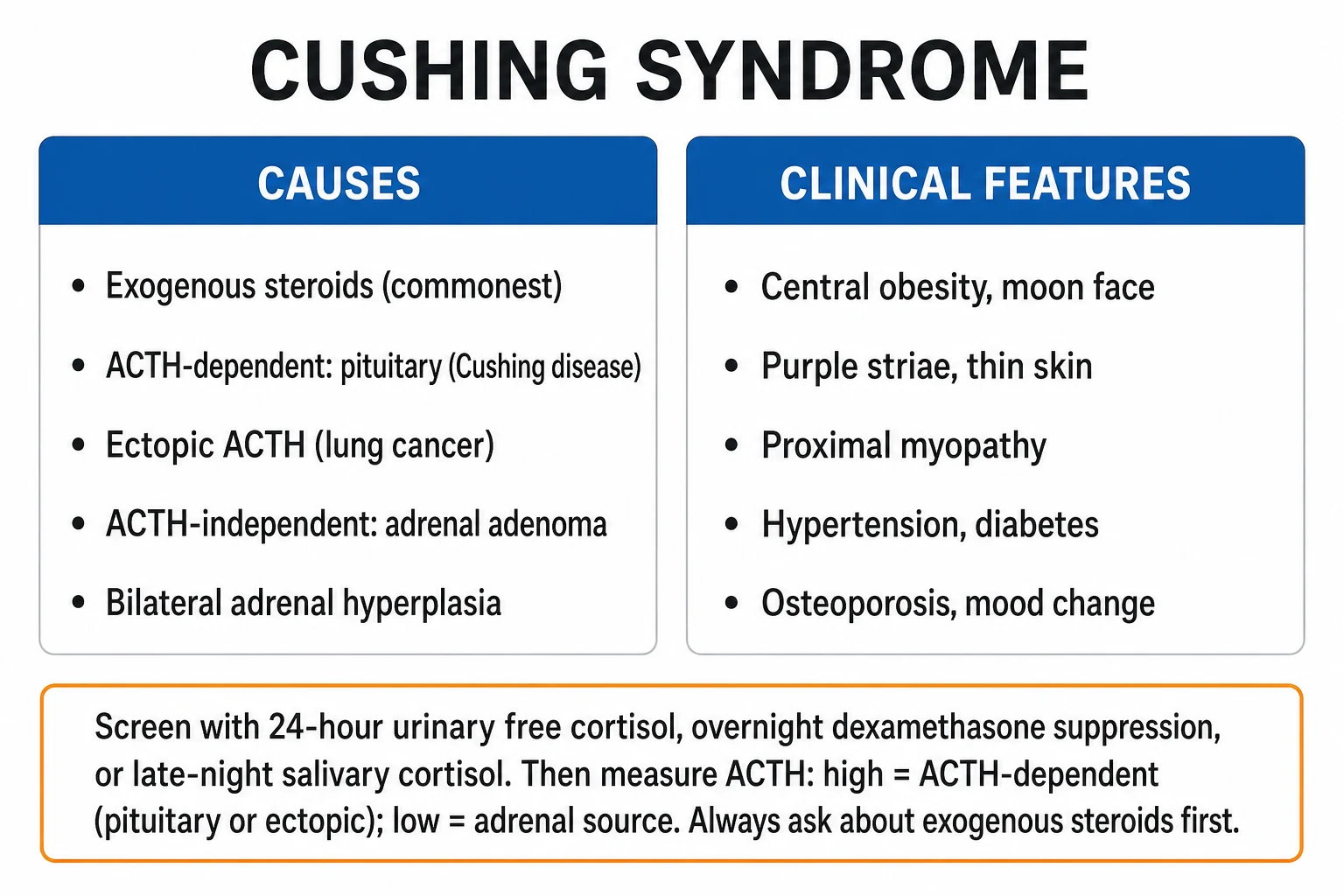
Cushing syndrome is classified by source of cortisol excess:[1][3]
Exogenous (iatrogenic)
- Commonest cause overall — chronic oral, topical, inhaled, nasal or injected glucocorticoid, or ACTH analogues
- ACTH low, cortisol low (suppressed HPA axis); features identical to endogenous disease
- Diagnosis by history; do NOT screen with cortisol tests — the HPA axis is suppressed and tests will confuse rather than clarify
- Management: taper steroid to the lowest effective dose; consider steroid-sparing immunosuppressant
ACTH-dependent endogenous
- ~80 percent of endogenous Cushing; ACTH inappropriately normal or high despite cortisol excess
- Cushing disease — pituitary corticotroph adenoma (~70 percent of endogenous); basophilic/microadenoma in 80-90 percent; rarely corticotroph hyperplasia
- Ectopic ACTH — small-cell lung cancer, bronchial carcinoid, pancreatic NET, medullary thyroid cancer, phaeochromocytoma (~10 percent); severe hypokalaemic alkalosis and hyperpigmentation common
- Ectopic CRH (rare) — acts on pituitary corticotrophs; behaves biochemically like pituitary disease
ACTH-independent endogenous
- ~20 percent of endogenous; ACTH low (suppressed by cortisol feedback)
- Adrenal adenoma (~10 percent) — unilateral, small, benign, slow-growing
- Adrenocortical carcinoma (~8 percent) — large over 4 cm, aggressive; often co-secretes androgens (virilisation) and steroid precursors
- Bilateral macronodular adrenal hyperplasia (~1-2 percent); bilateral micronodular hyperplasia and Carney complex (PRKAR1A) in younger patients
A clinically important subgroup is cyclic Cushing — intermittent cortisol excess with peaks and troughs over weeks to months. Three cycles are required to call it cyclic; it can occur in any subtype and any single screening test may be normal at the trough — repeated sampling is essential. Failure to recognise cyclic disease is a classic pitfall.[1]
Epidemiology & Risk Factors
- Endogenous Cushing syndrome is rare: incidence 0.2 to 5 per million per year, prevalence 40 per million.[1]
- Cushing disease has a female-to-male ratio of 3 to 5 : 1, peak age 25 to 45 years.
- Ectopic ACTH syndrome has a slight male predominance, more common over 50 years (mirrors lung cancer epidemiology).
- Adrenocortical carcinoma is bimodal: a small peak under 5 years and a larger peak in the 4th-5th decade; Li-Fraumeni syndrome (TP53) and Beckwith-Wiedemann are inherited predispositions.
- Exogenous (iatrogenic) Cushing is by far the commonest overall: any patient on chronic prednisolone over ~5-10 mg/day equivalent for over 3 weeks is at risk of the phenotype and of HPA-axis suppression.
Risk factors / syndromic associations (high-yield): [1]
| Setting | What to suspect |
|---|---|
| Young person + bilateral adrenal nodularity + spotty pigmentation + myxomas + Schwann cell tumours | Carney complex (PRKAR1A, CNC) — primary pigmented nodular adrenocortical disease |
| Bilateral micronodular hyperplasia in infancy | McCune-Albright (GNAS), isolated micronodular adrenal disease with USP8/PRKACA |
| Adrenal carcinoma + sarcoma + breast + brain + leukaemia in kindred | Li-Fraumeni (TP53) |
| Bilateral pheochromocytoma + medullary thyroid cancer + parathyroid | MEN2 (RET) — co-secretion of ACTH by phaeochromocytoma is rare but documented |
| Pituitary + parathyroid + pancreatic endocrine tumours | MEN1 (MENIN) — corticotroph adenoma is uncommon in MEN1 but possible |
Pathophysiology
The normal hypothalamic-pituitary-adrenal (HPA) axis
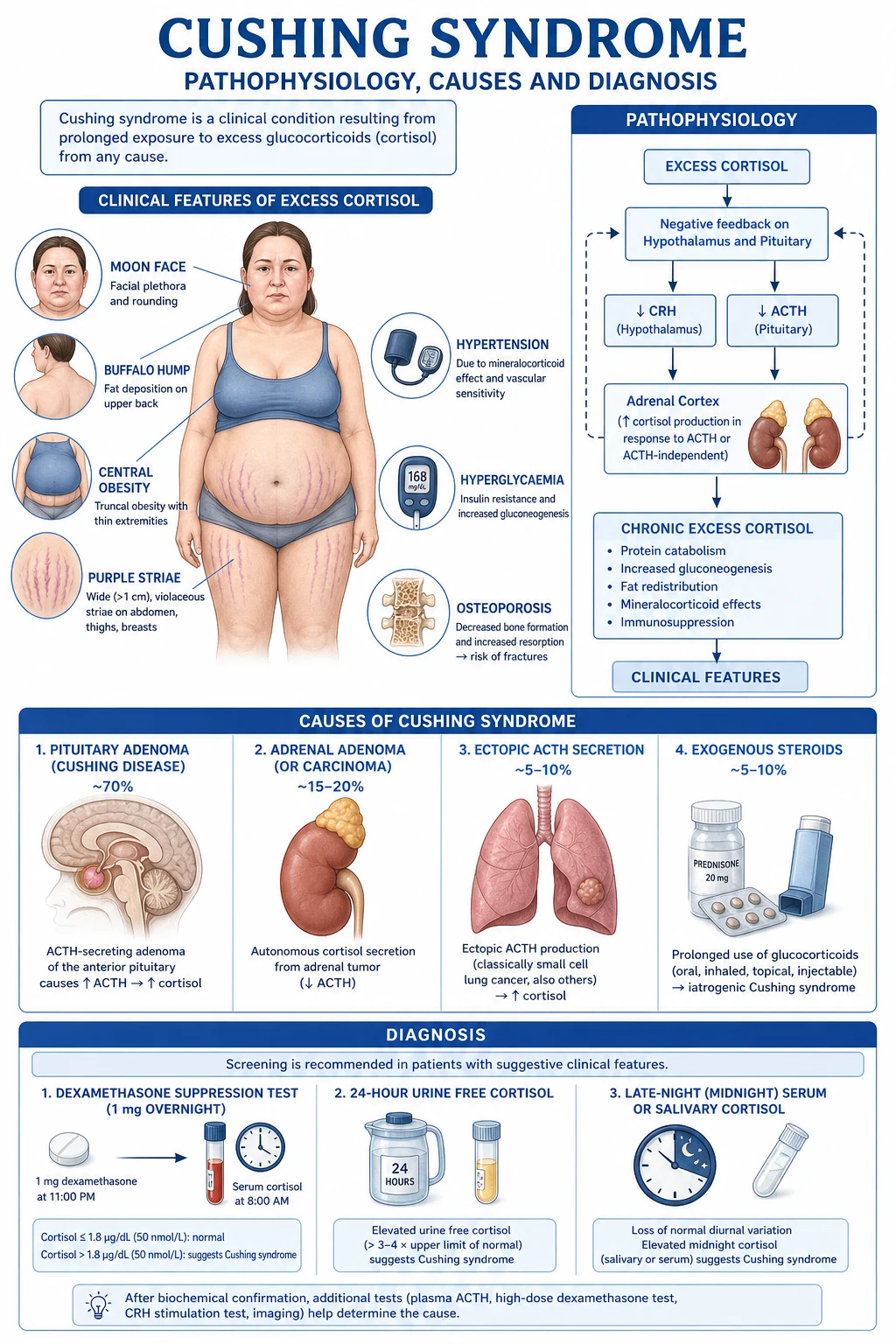
Corticotropin-releasing hormone (CRH) from the paraventricular hypothalamus and arginine-vasopressin (AVP) drive the corticotrophs of the anterior pituitary to secrete pro-opiomelanocortin (POMC)-derived ACTH. ACTH binds the melanocortin-2 receptor (MC2R) on adrenal zona fasciculata cells, activating cAMP/PKA → StAR transports cholesterol into mitochondria → CYP11A1 (side-chain cleavage) and the cascade CYP17, CYP21A2, CYP11B1 convert cholesterol to cortisol. Cortisol exerts negative feedback on hypothalamus (CRH) and pituitary (ACTH/POMC), peaking at 06:00-08:00 and nadiring around midnight — the circadian rhythm lost earliest in Cushing.[1]
Mechanism of the phenotype — catabolism + metabolic + anti-mineralocorticoid
Excess cortisol acts through the glucocorticoid receptor (NR3C1), producing: [1]
- Protein catabolism (skin, muscle, bone) → thin skin, easy bruising, wide purple striae, proximal myopathy, osteoporosis, growth failure in children. Striae are purple (over 1 cm wide) because the dermis is so thin the underlying capillaries show through — unlike the pale/silver striae of puberty or simple obesity.
- Fat redistribution: cortisol drives visceral and dorsocervical/supraclavicular lipogenesis and limb lipoatrophy via 11-beta-HSD1 reactivation and adipocyte PPAR-gamma effects → central obesity, moon face, buffalo hump.
- Gluconeogenesis and insulin resistance → hyperglycaemia, new/worsened diabetes mellitus.
- Mineralocorticoid cross-reactivity: cortisol normally inactivated to cortisone by 11-beta-hydroxysteroid dehydrogenase type 2 (11-beta-HSD2) in the kidney. At very high cortisol levels (especially ectopic ACTH), the enzyme is saturated → cortisol floods mineralocorticoid receptors → sodium retention, potassium wasting, hypertension, hypokalaemic metabolic alkalosis — even though aldosterone itself is suppressed. This is why ectopic ACTH is the classic hypokalaemic Cushing.
- Immunosuppression → opportunistic infection (Pneumocystis, fungal, TB reactivation) and impaired wound healing.
- Bone marrow → polycythaemia, leukocytosis with neutrophilia, lymphopenia, eosinopenia.
- GI → gastric acid, peptic ulcer (synergistic with NSAIDs).
- CNS → irritability, insomnia, depression, mania, psychosis (corticosteroid-induced psychiatric syndrome).
- HPG axis suppression → hypogonadotropic hypogonadism: oligomenorrhoea/amenorrhoea, decreased libido, erectile dysfunction, hirsutism (adrenal androgen co-secretion in carcinoma).
- Prothrombotic state → VTE risk up to 10-fold; thromboprophylaxis is mandatory perioperatively.
- Hyperpigmentation (seen only in ACTH-dependent disease) — high ACTH and other POMC peptides (alpha-MSH) stimulate melanocortin-1 receptors on melanocytes; pigment is most prominent on sun-exposed skin, palmar creases, buccal mucosa, recent scars, gingiva, areolae.
- PTH-like and renal phosphate-wasting effects → hypophosphataemia, nephrolithiasis, accelerated osteoporosis. [1]
The four disease mechanisms in brief
- Pituitary corticotroph adenoma — monoclonal, often a microadenoma under 10 mm; relatively resistant to cortisol feedback (so high-dose dexamethasone suppresses it partially but low-dose does not) yet retains some responsiveness to CRH (the basis of the CRH test). USP8 mutations in ~40 percent.
- Ectopic ACTH — tumour autonomously secretes bioactive ACTH (often a larger, incompletely processed POMC); completely resistant to high-dose dexamethasone and to CRH. Volume of ACTH drives extreme cortisol; 11-beta-HSD2 saturation produces severe hypokalaemia.
- Adrenal adenoma / carcinoma — autonomous cortisol secretion; ACTH is suppressed to undetectable, leading to atrophy of the contralateral zona fasciculata and reticularis — the basis for post-adrenalectomy adrenal crisis if glucocorticoid replacement is omitted.
- Bilateral macronodular hyperplasia — autonomous bilateral cortisol secretion, often with aberrant receptors (gastric inhibitory polypeptide, vasopressin, catecholamine, LH) driving secretion; ACTH-independent but ACTH may be inappropriately detectable. [1]
Clinical Presentation
Cortisol excess produces a multisystem phenotype. The discrimination of true Cushing from simple obesity is built on a small number of discriminating features — features that are common in Cushing but rare in simple obesity.[1][3]
Highly discriminating features (high specificity for Cushing): [1]
- Facial plethora and purple striae wider than 1 cm (abdomen, thighs, breasts, axillae).
- Proximal myopathy — difficulty rising from a squat or climbing stairs; the single most discriminating bedside sign that separates Cushing from simple obesity.
- Easy bruising (spontaneous, with minor trauma) and thin, friable skin (tear easily; backed-up capillaries visible through dermis).
- Hypokalaemic alkalosis (especially ectopic ACTH).
- Osteoporosis with fragility fractures at a young age (vertebral, rib). [1]
Common but non-discriminating (occur in simple obesity, metabolic syndrome, alcoholism too): [1]
- Central obesity, moon face, buffalo hump, hypertension, glucose intolerance, fatigue, menstrual irregularity, depression, acne. [1]
Full phenotype (high-yield inventory): [1]
- General: weight gain (central), fatigue, proximal weakness.
- Skin: plethora, purple striae over 1 cm, easy bruising, thin skin, acanthosis nigricans, hyperpigmentation (ACTH-dependent), hirsutism (adrenal androgen co-secretion in women), acne, slow wound healing, Popeye sign (forearm sparing with normal distal muscle).
- Face: moon facies, plethora, telangiectasia, buffalo hump (dorsocervical fat pad), supraclavicular fat pads.
- Musculoskeletal: proximal myopathy, osteoporosis (vertebral and rib fractures, height loss, kyphosis), avascular necrosis of the femoral head (classically with exogenous steroids).
- Cardiovascular: hypertension (in 80 percent), accelerated atherosclerosis, diastolic dysfunction, increased thromboembolic risk (DVT/PE 10-fold).
- Metabolic/endocrine: impaired glucose tolerance or type 2 diabetes, dyslipidaemia, hypogonadotropic hypogonadism (oligomenorrhoea/amenorrhoea, reduced libido, erectile dysfunction, infertility), hypothyroidism, hypocalcaemia, hypophosphataemia, nephrolithiasis.
- Neuropsychiatric: irritability, emotional lability, depression, anxiety, insomnia, mania or steroid psychosis, suicidal ideation, cognitive impairment.
- Infectious: increased susceptibility to Pneumocystis jirovecii, TB, fungal infections, opportunistic sepsis. [1]
Atypical presentations (the dimensions that examiners love): [1]
- Elderly: presents with hypertension, osteoporotic fractures, diabetes, depression, proximal myopathy — features attributed to "ageing"; phenotype is subtle, striae absent. A new-onset aggressive metabolic syndrome in an elderly patient warrants screening.
- Severe/occult ectopic ACTH: less classic phenotype (no time to redistribute fat), dominated by severe hypokalaemia, weakness, hyperpigmentation, weight loss, glucose intolerance, often in a smoker over 50 with a lung mass — distinguishes ectopic from pituitary disease clinically.
- Pregnancy: rare; physiologic pregnancy changes (striae, hyperpigmentation, weight gain, hypercortisolism from placental CRH) mimic the syndrome; 24-hour urine free cortisol rises 3-fold in normal pregnancy, salivary cortisol rises, and DST fails in up to half of normal pregnancies, complicating diagnosis.
- Children: growth arrest is the most discriminating sign — short stature with weight gain; virilisation in adrenal carcinoma; false puberty.
- Adrenal incidentaloma / subclinical cortisol: hypertension, diabetes, osteoporosis without overt phenotype; picked up by DST. [1]
Differential Diagnosis
The condition most commonly confused with true Cushing is pseudo-Cushing — a state of mild functional hypercortisolism driven by activation of the HPA axis without autonomous tumour. Three settings dominate: chronic alcoholism, major depressive disorder, and morbid obesity. Distinguishing pseudo-Cushing from true Cushing is one of the most examinable questions in endocrinology.[1][3]
Pseudo-Cushing states (low-dose DST abnormal, midnight cortisol mildly raised, ACTH detectable, but HPA axis is intact): [1]
| Mimic | Distinguishing clues |
|---|---|
| Alcohol-related pseudo-Cushing | Heavy alcohol history; resolves within 4-6 weeks of abstinence; AST/GGT raised, macrocytosis, thrombocytopenia; DHEAS typically low; features improve on withdrawal |
| Depression | Major depressive episode; cortisol and DST abnormal; the DST normalises on remission of depression; lacks the physical features (no striae/myopathy/plethora) |
| Simple obesity / metabolic syndrome | Cortisol normal or low-normal; DHEAS normal; features that overlap (hypertension, diabetes, central fat) but no plethora, no wide striae, no myopathy, no easy bruising; DST suppresses normally |
| Polycystic ovarian syndrome | Hirsutism, oligomenorrhoea, obesity but cortisol normal; DHEAS may be mildly raised, testosterone raised; DST normal |
| Late-onset congenital adrenal hyperplasia (21-hydroxylase deficiency) | Hirsutism, oligomenorrhoea; 17-OHP raised, cortisol normal/low; DST normal; ACTH high but cortisol not elevated |
Distinguishing algorithms for pseudo-Cushing vs true Cushing: [1]
- Dexamethasone-CRH test — 0.5 mg dexamethasone 6-hourly for 48 hours, then CRH 100 microgram IV at 08:00 (2 hours after last dex dose): cortisol over 38 nmol/L (1.4 microgram/dL) at 15 minutes = true Cushing; pseudo-Cushing suppresses. Highly sensitive; used when first-line tests are equivocal.
- Midnight sleep cortisol — requires inpatient sleep; pseudo-Cushing retains some rhythm; true Cushing does not.
- Clinical features: plethora, striae over 1 cm, proximal myopathy, easy bruising, and hypokalaemia strongly favour true Cushing over pseudo-Cushing.
- Resolution after treatment of the underlying cause (sobriety, depression remission, weight loss) is definitive. [1]
Other differentials of a Cushingoid appearance: hypothyroidism (myxoedema, weight gain), HIV lipodystrophy (peripheral lipoatrophy with central fat), HAIR-AN syndrome, familial partial lipodystrophy (lamin A/C). [1]
Clinical & Bedside Assessment
A focused general, skin, neuromuscular, cardiovascular and abdominal examination is required. [1]
- Appearance: moon face, plethora, buffalo hump, central obesity, supraclavicular fat pads.
- Skin: purple striae over 1 cm wide on abdomen/thighs/breasts; easy bruising; thin skin; hyperpigmentation (palmar creases, buccal mucosa, recent scars, gingiva) indicates ACTH-dependent disease; hirsutism, acne, clitoromegaly suggests adrenal androgen co-secretion (carcinoma).
- Neuromuscular: proximal muscle weakness — formally test rising from a squat (Gowers'-like), climbing a chair, shoulder abduction against resistance; this single sign separates Cushing from simple obesity.
- Cardiovascular: hypertension (often severe), signs of heart failure if long-standing.
- Abdomen: central obesity; palpable mass suggests large adrenal carcinoma or ectopic tumour.
- Chest: signs of opportunistic pneumonia; apex of lung for old TB; wheeze in asthmatic on inhaled steroid.
- Neurology: depression, emotional lability; check fields for bitemporal hemianopia (pituitary macroadenoma compressing optic chiasm).
- Growth (child): height plotted on centile chart; growth arrest with weight gain is highly suggestive. [1]
Cushing syndrome — key numbers
Investigations
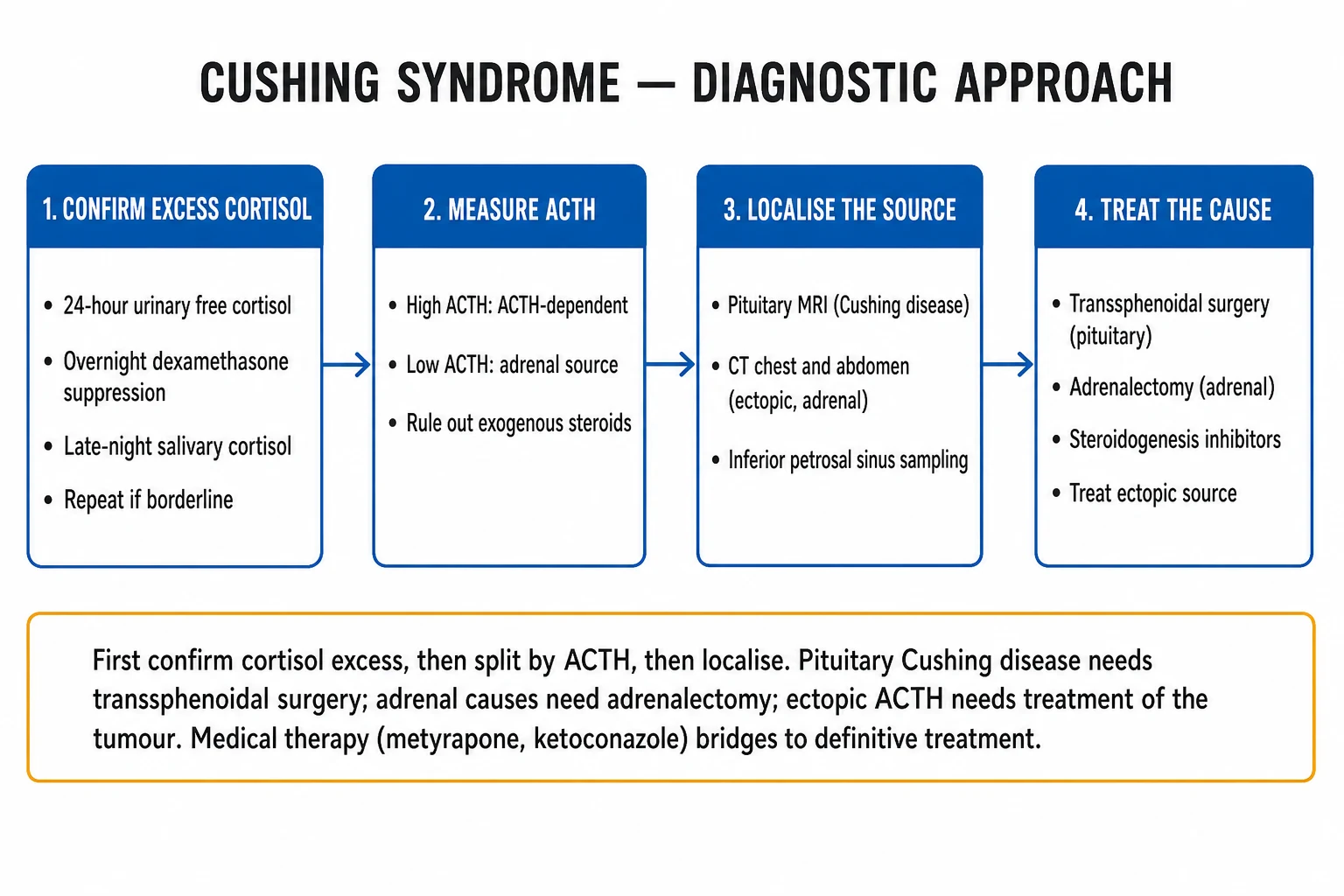
The Endocrine Society diagnostic algorithm proceeds in three steps: (1) confirm cortisol excess; (2) differentiate ACTH-dependent vs independent; (3) localise the tumour.[3]
Step 1 — Confirm cortisol excess (any two of three first-line tests; two positives required)
Exclude exogenous steroids first by history. Then: [1]
| Test | Method | Diagnostic threshold | Performance |
|---|---|---|---|
| 1-mg overnight dexamethasone suppression test (ONDST, low-dose DST) | Dexamethasone 1 mg PO at 23:00; serum cortisol at 08:00 next morning | Cortisol under 50 nmol/L (1.8 microgram/dL) = normal suppression; over 50 nmol/L = fail (Cushing or pseudo-Cushing) | Sensitivity over 95 percent; cheap; single time-point; the screening test of choice for outpatients |
| Late-night (midnight) salivary cortisol | Saliva sample at 23:00-24:00 at home on two separate nights | Over reference lab cut-off (typically 2-3 ng/mL) = abnormal; reflects loss of diurnal nadir | Sensitivity 95-100 percent; easy to repeat; convenient; gold standard for cyclic Cushing; false-positive with shift work, smoking, stress |
| 24-hour urine free cortisol (UFC) | Collect all urine over 24 hours x 2 separate collections; measure cortisol (free, unbound fraction) | Over reference upper limit (varies by assay; typically over 220-330 nmol/24 h); creatinine to confirm completeness | Integration of the day's output; most specific of the three; insensitive in mild disease; misses cyclic Cushing if collected at a trough |
A normal result on two first-line tests excludes Cushing (provided the index of suspicion is not extreme — cyclic Cushing, renal failure, psychiatric disease — in which case the dexamethasone-CRH test is used).[3]
Pitfalls and false results (high-yield): [1]
- Drugs that accelerate dex metabolism (induce CYP3A4) → falsely low dex → falsely elevated cortisol: phenytoin, carbamazepine, phenobarbital, rifampicin, pioglitazone, primidone.
- Drugs that inhibit CYP3A4 → falsely high dex → falsely low cortisol (false negative): aprepitant, itraconazole, ketoconazole, ritonavir, clarithromycin, grapefruit juice.
- Oestrogen (OCP/HRT) raises cortisol-binding globulin → falsely high total cortisol → false positive on DST and 09:00 cortisol. Stop OCP 6 weeks before testing, or use salivary cortisol or UFC which measure the free fraction.
- Renal failure → spuriously low UFC; use 1-mg DST or salivary.
- Pregnancy → all three tests have altered thresholds. [1]
Step 2 — Differentiate ACTH-dependent vs ACTH-independent
Once Cushing is biochemically confirmed, measure plasma ACTH at 08:00-09:00: [1]
- ACTH over 22 pg/mL (4.8 pmol/L), or 'inappropriately normal' = ACTH-dependent (pituitary or ectopic).
- ACTH under 10 pg/mL (2.2 pmol/L) = ACTH-independent (adrenal).
- ACTH 10-22 pg/mL: grey zone → repeat; CRH-stimulation test may help. [1]
Step 3 — Localise the source
In ACTH-independent disease (low ACTH): [1]
- CT adrenal (contrast-enhanced): unilateral mass (adenoma, carcinoma), bilateral nodularity (BMAH), small bilateral nodules (PPNAD). Adrenal carcinoma is suspected when the lesion is over 4 cm, heterogeneous, irregular margins, calcification, necrosis, regional nodes/IVC invasion; Hounsfield units over 10 (adenomas under 10) and washout under 40 percent at 10 minutes. DHEAS is suppressed.
- MRI for tissue characterisation where CT equivocal.
- Functional imaging: 18-FDG PET-CT for suspected carcinoma and staging. [1]
In ACTH-dependent disease (high ACTH) — pituitary vs ectopic: [1]
- High-dose dexamethasone suppression test (HDDST) — dexamethasone 2 mg 6-hourly for 48 hours (8 mg total/day); measure serum cortisol at 0 and 48 hours. Suppression of serum cortisol by over 50 percent from baseline = pituitary (Cushing disease); no suppression = ectopic or adrenal. Rationale: corticotroph adenomas retain partial glucocorticoid feedback. Sensitivity ~80 percent; largely replaced by IPSS as it has substantial false-positive and false-negative rates.
- CRH stimulation test — ovine/human CRH 100 microgram (or 1 microgram/kg) IV, ACTH and cortisol at 0, 15, 30, 60 min. Rise of cortisol over 20 percent (or ACTH over 35 percent) at 15-30 min = pituitary; no rise = ectopic. Sensitivity for pituitary ~90 percent.
- Pituitary MRI — ** gadolinium-enhanced dynamic pituitary MRI** detects microadenoma in 60-70 percent; macro in remainder. A normal MRI does not exclude Cushing disease — many corticotroph adenomas are tiny.
- Bilateral inferior petrosal sinus sampling (BIPSS / IPSS) — gold standard for confirming pituitary origin and lateralising the adenoma pre-operatively. Catheters placed in both inferior petrosal sinuses and a peripheral vein; ACTH measured basally and after CRH 100 microgram IV (or DDAVP 10 microgram). Central (petrosal) to peripheral ACTH ratio over 2 basally, or over 3 after CRH = pituitary (Cushing disease). Inter-petrosal gradient over 1.4 predicts the lateral side of the adenoma. Complication in 1-2 percent: groin haematoma, rare brainstem venous infarction. Performed at experienced centres only. Indicated when pituitary imaging is equivocal or HDDST/CRH inconclusive. [1]
Ectopic ACTH localisation: CT chest/abdomen/pelvis with octreotide/DOTATATE scintigraphy (somatostatin receptor imaging — many ectopic tumours express SSTR), 18-FDG PET-CT. Small-cell lung cancer is the commonest cause; bronchial carcinoid is small and often eludes CT — bronchial carcinoids are the commonest occult ectopic source, requiring high-resolution CT and serial re-imaging. Medullary thyroid cancer, pancreatic NET, phaeochromocytoma, thymic carcinoid, ovarian tumour also reported.[5]
Adjunctive tests
- DHEAS: high in ACTH-dependent (driven by ACTH), suppressed in ACTH-independent adrenal disease — a useful ancillary marker.
- 17-OHP, androstenedione, testosterone: if adrenal carcinoma suspected (androgen co-secretion).
- FBC, U&E, LFTs, glucose/HbA1c, lipids, TFTs, vitamin D, calcium, phosphate, coagulation.
- DEXA bone density for osteoporosis.
- ECG/echo for cardiac involvement.
- Thromboprophylaxis assessment — VTE risk stratified by a validated score; prophylactic enoxaparin peri-operatively. [1]
Management — Resuscitation
Cushing syndrome is rarely a same-day emergency, but severe hypercortisolism with hypokalaemia, sepsis or psychiatric crisis can be life-threatening.[2][4]
Time-critical measures in severe hypercortisolism (e.g. cortisol over 1500 nmol/L, ectopic ACTH, adrenal crisis of carcinoma): [1]
- Correct hypokalaemia — IV and oral potassium chloride (the hypokalaemia can be profound, 10-20 mEq/h IV with cardiac monitoring); spironolactone 100-400 mg/day blocks the mineralocorticoid effect.
- Block cortisol synthesis immediately — oral metapyrapone 250 mg 4-hourly titrated to cortisol, OR IV etomidate 0.02-0.1 mg/kg/hour infusion (an anaesthetic that potently inhibits CYP11B1) for the critically ill, comatose or rapid-control patient; admit to HDU/ICU. Target cortisol 150-300 nmol/L (not to normal — too rapid withdrawal risks adrenal crisis).
- Treat hyperglycaemia — IV insulin infusion per sliding scale.
- Treat hypertension and fluid overload.
- Treat infection empirically if any suspicion (broad-spectrum + Pneumocystis cover if indicated).
- Thromboprophylaxis — enoxaparin 40 mg SC daily (or therapeutic dose if VTE confirmed) unless contraindicated; intermittent pneumatic compression.
- Psychiatric crisis — involve liaison psychiatry; treat psychosis/agitation. [1]
Post-operative glucocorticoid replacement is the universal pitfall. After transsphenoidal surgery for Cushing disease or adrenalectomy for an adrenal source, the contralateral/normal HPA axis is suppressed. Give hydrocortisone replacement (e.g. hydrocortisone 100 mg IV at induction, then 50 mg IV 8-hourly day 1, then taper to oral 20 mg AM / 10 mg noon, weaning over weeks-months). Failure to do so precipitates acute adrenal crisis with hypotension, hyponatraemia, hyperkalaemia, hypoglycaemia. [1]
Management — Definitive & Stepwise
Definitive treatment is aetiology-specific and ideally curative.[2][4]
Exogenous (iatrogenic) Cushing
- Taper the glucocorticoid to the lowest effective dose or stop, replacing with steroid-sparing agent (e.g. methotrexate/azathioprine in autoimmune disease; biologics).
- NEVER stop abruptly — HPA axis is suppressed and acute adrenal crisis will follow.
- Cosyntropin (250 microgram ACTH) stimulation test to assess recovery before withdrawal is complete.
- HPA recovery takes 6-12 months after cessation; educate the patient on sick-day rules (double dose during illness) and medical alert bracelet. [1]
Cushing disease (pituitary)
- First-line: transsphenoidal selective adenomectomy (TSS) by an experienced pituitary neurosurgeon. Remission rate 65-90 percent for microadenomas, lower for macroadenomas. Cure defined by post-operative cortisol under 50 nmol/L or need for glucocorticoid replacement (iatrogenic secondary adrenal insufficiency is the desired endpoint and confirms complete resection).
- Repeat TSS for persistent or recurrent disease.
- Second-line: stereotactic radiotherapy (conformal fractionated or gamma-knife radiosurgery) — onset of effect over 1-3 years; risk of hypopituitarism in 50 percent by 10 years.
- Bilateral adrenalectomy (BLA) — for severe refractory disease; immediate cure but lifelong glucocorticoid + mineralocorticoid replacement and 5-10 percent risk of Nelson syndrome (aggressive growth of the pituitary adenoma with very high ACTH and hyperpigmentation) — requires lifelong pituitary MRI surveillance. Prophylactic radiotherapy reduces Nelson risk. [1]
Ectopic ACTH
- Treat the primary tumour surgically if resectable (e.g. bronchial carcinoid wedge resection). Often curative.
- If unresectable (extensive small-cell lung cancer): chemotherapy/radiotherapy per oncology protocol + steroidogenesis inhibitors for symptom control. Small-cell lung cancer has poor prognosis; bronchial carcinoid is usually slow-growing and operable.
- Steroidogenesis blockade is essential while awaiting tumour treatment. [1]
Adrenal adenoma / carcinoma
- Unilateral laparoscopic adrenalectomy is curative for benign adenoma.
- Open adrenalectomy (transabdominal) for adrenocortical carcinoma — en bloc, complete R0 resection including adjacent organs if involved; lymphadenectomy.
- Adjuvant mitotane (o,p'-DDD) for ACC — adrenolytic; loading dose 1.5 g/day titrated to 6-12 g/day (or plasma level 14-20 mg/L); give glucocorticoid replacement (hydrocortisone 50-100 mg/day divided) as mitotane induces cortisol degradation and adrenal insufficiency. Side effects: GI, neurotoxicity, hepatotoxicity, gynaecomastia, prolonged half-life (months). Monitor plasma levels.
- EDP-M (Etoposide + Doxorubicin + Cisplatin + Mitotane) for advanced/metastatic ACC (Fassnacht regimen). [1]
Medical therapy (steroidogenesis inhibitors / pituitary-directed) — agent, dose, route, rationale, monitoring
| Drug | Mechanism | Dose | Use | Monitoring / caution |
|---|---|---|---|---|
| Metapyrapone | Inhibits CYP11B1 (11-beta-hydroxylase) | Oral 250 mg 4-hourly, titrate to cortisol 150-300 nmol/L (often up to 1.5 g qDS) | Acute severe hypercortisolism; pre-op; ectopic ACTH; CD when awaiting radiotherapy | Hirsutism, acne, hypertension (androgen and 11-deoxycorticosterone build-up); hypokalaemia; LFTs; first-line in pregnancy |
| Ketoconazole | Inhibits CYP17, CYP11A1, CYP11B1 (multiple enzymes); off-label use | Oral 200-400 mg 12-hourly up to 1200 mg/day | Mild-moderate CD; pre-op | Hepatotoxicity (monitor LFTs, stop if ALT over 3x ULN); drug interactions (CYP3A4); avoid in pregnancy; QT prolongation |
| Osilodrostat | Selective CYP11B1 inhibitor | Oral 2 mg BD, titrate to cortisol target up to 30-60 mg/day | Approved for CD; first-line medical therapy | Adrenal insufficiency; QT prolongation; cortisol precursor accumulation (androgen); more potent than metapyrapone |
| Mitotane (o,p'-DDD) | Adrenolytic; inhibits CYP11A1, CYP11B1, CYP21 | Oral 1.5 g/day titrated to 6-12 g/day (target plasma 14-20 mg/L) | Adrenocortical carcinoma; refractory CD | Adrenal insufficiency (mandatory hydrocortisone); hepatotoxicity; neurotoxicity; GI; gynaecomastia; teratogenic; brain injury rare |
| Etomidate | IV CYP11B1 inhibitor (anaesthetic) | IV 0.02-0.1 mg/kg/hr infusion | Critically ill severe hypercortisolism (ICU) | Sedation; hypotension; myoclonus; sedate in ICU |
| Pasireotide (SOM230) | Somatostatin subtype-5 agonist; suppresses ACTH from pituitary adenoma | SC 600-900 microgram BD or long-acting 40-60 mg IM monthly | CD when surgery fails/deferred | Hyperglycaemia (occurs in 70 percent, often significant — needs monitoring); gallstones; bradycardia |
| Mifepristone (RU-486) | Glucocorticoid receptor antagonist | Oral 300-1200 mg/day | Refractory hyperglycaemia/hypercortisolism in CD (US-approved) | Cannot monitor cortisol (cortisol rises but action blocked) — monitor clinical features; hypokalaemia; endometrial thickening; abortion risk (avoid pregnancy) |
Specific Subtypes & Scenarios
- Cyclic Cushing: intermittent cortisol excess. Three or more cycles documented. Salivary cortisol at home over weeks is the best surveillance; clinical features wax and wane. Diagnosis may require multiple serial samples; can occur in any subtype. Treatment of choice remains the underlying cause when localised; medical therapy often needed in trough-peak cycles.
- Ectopic ACTH syndrome: classic features — severe hypokalaemic alkalosis, hyperpigmentation, weakness, weight loss, glucose intolerance, often in a smoker over 50 with a lung mass. HDDST does not suppress; CRH does not stimulate. Bronchial carcinoid is the most common occult source; serial high-resolution chest CT and bronchoscopy may be required. Prognosis depends on tumour type — SCLC poor; carcinoid excellent if resected.[5]
- Adrenal incidentaloma with subclinical cortisol excess (MACS): tumour over 1 cm discovered incidentally on imaging; 1-mg DST as screen; cortisol over 50 nmol/L post-DST without overt Cushing phenotype = subclinical autonomous cortisol secretion (formerly subclinical Cushing). Associated with hypertension, diabetes, osteoporosis, dyslipidaemia — surgical adrenalectomy considered when post-DST cortisol over 140 nmol/L or features progress.
- Pituitary macroadenoma: mass-effect features (headache, bitemporal hemianopia, cranial nerve palsies, hypopituitarism) coexist with hypercortisolism. Urgent decompression.
- Adrenocortical carcinoma: large tumour over 4 cm, virilisation (androgen), weight loss, metastases (liver, lung), very high cortisol and DHEAS. Mitotane + EDP chemotherapy. Five-year survival 20-35 percent.
- Bilateral macronodular adrenal hyperplasia (BMAH): bilateral adrenalectomy with lifelong replacement; partial adrenalectomy in selected; aberrant receptor workup (food-dependent cortisol surge with GIP — meals trigger cortisol).
- Paediatric Cushing: growth arrest is the cardinal sign; pituitary disease predominates in adolescents; adrenal carcinoma in young children. Treat aggressively — growth recovers after cure.
- Cushing in pregnancy: rare; metapyrapone is the preferred medical therapy (does not cross placenta significantly); ketoconazole and mitotane avoided (teratogenic); surgery in second trimester for definitive cure if feasible; avoid mifepristone (abortifacient).
Complications & Pitfalls
Cardiovascular: hypertension, accelerated atherosclerosis, diastolic heart failure, left ventricular hypertrophy, dyslipidaemia, prothrombotic state with up to 10-fold increased risk of DVT/PE — thromboprophylaxis is mandatory peri-operatively and until remission. [1]
Metabolic: type 2 diabetes (new or worsened), dyslipidaemia, insulin resistance, hypercalciuria, nephrolithiasis. [1]
Musculoskeletal: osteoporosis with vertebral/rib fractures, avascular necrosis of the femoral head, pathological fractures, proximal myopathy, sarcopenia. [1]
Infectious: opportunistic infection — Pneumocystis jirovecii pneumonia (consider prophylaxis in severe hypercortisolism), TB reactivation, fungal infection, bacterial sepsis with impaired wound healing. [1]
Neuropsychiatric: depression, anxiety, mania, steroid psychosis, cognitive impairment, insomnia, suicidal ideation — suicide risk is real; screen. [1]
Endocrine: HPG suppression (amenorrhoea, infertility, hypogonadism), growth arrest (children), hypothyroidism. [1]
Surgical/iatrogenic: post-operative adrenal crisis if glucocorticoid replacement omitted; CSF rhinorrhoea, diabetes insipidus, hypopituitarism, meningitis after transsphenoidal surgery; Nelson syndrome after bilateral adrenalectomy. [1]
Pitfalls (high-yield exam traps): [1]
- Prescribing mifepristone then trying to monitor cortisol — cortisol rises but action is blocked; monitor clinical features and potassium.
- Stopping exogenous steroids abruptly → adrenal crisis.
- Diagnosing "Cushing" from a single abnormal test — always confirm with a second; obesity, depression, alcohol and OCP produce false positives.
- Misreading ACTH: a cortisol-binding-globulin-raising oestrogen can spuriously lower or raise total cortisol; use free cortisol (salivary/UFC).
- Pituitary microincidentaloma: 10 percent of normal people have a tiny pituitary nodule on MRI — do not diagnose Cushing disease from an incidental MRI finding; biochemistry (preferably IPSS) must drive the diagnosis.
- Treating cyclic Cushing at the trough — repeat tests.
- Forgetting the family: a young person with bilateral adrenal disease may have Carney complex or MEN1 — screen relatives.
- Omitting VTE prophylaxis — fatal PE is a leading cause of peri-operative death. [1]
Prognosis & Disposition
- Untreated endogenous Cushing has up to 50 percent 5-year mortality from cardiovascular disease, stroke, infection and suicide; thromboembolism is a leading cause of peri-operative death.[1]
- Treated Cushing disease: surgical remission 65-90 percent for microadenomas; recurrence rate ~10-35 percent over 10 years — lifelong biochemical surveillance. Quality of life improves but does not return fully to baseline for 1-2 years.
- Adrenal adenoma: adrenalectomy is curative; HPA axis recovers in 6-24 months.
- Adrenocortical carcinoma: 5-year survival 20-35 percent overall, over 60 percent for stage I-II resected completely.
- Ectopic ACTH: depends entirely on the tumour — bronchial carcinoid curable (excellent); SCLC has mean survival measured in months.
- All patients require long-term follow-up for recurrence, persistent comorbidity (hypertension, diabetes, osteoporosis), and glucocorticoid replacement until HPA recovery (ACTH stimulation test before weaning).
- Disposition: endocrine centre with multidisciplinary pituitary/adrenal MDT; surgery at a high-volume centre; post-operative care in a monitored setting with hydrocortisone replacement and thromboprophylaxis.
Special Populations
- Pregnancy: physiologic hypercortisolism of pregnancy (placental CRH) raises all three screening tests — salivary cortisol and 24-hour UFC (with pregnancy-adjusted thresholds) preferred over DST (oestrogen raises CBG and DST fails in normal pregnancy). MRI pituitary (without gadolinium) is safe. Metapyrapone is first-line medical therapy; surgery in second trimester if needed. Mifepristone, mitotane, ketoconazole are contraindicated.
- Children: growth arrest with weight gain is the most discriminating sign; pituitary disease predominates in adolescents, adrenal carcinoma in young children. Treat aggressively — growth recovers after cure. Cushing disease in children has higher recurrence after surgery.
- Elderly: subtle phenotype (no striae); presents with osteoporosis, hypertension, diabetes, depression, proximal myopathy. Adrenal incidentaloma with MACS is the commonest finding in this age group; weigh surgical risk against comorbidity.
- Patients on chronic steroids: HPA axis suppressed; never stop abruptly. Educate on sick-day rules (double dose during illness, peri-operative stress-dose), medical alert bracelet, and wean slowly over months.
- Patients with psychiatric comorbidity: increased suicide risk; treat psychiatric illness; steroids cross-react with antipsychotics; mood symptoms usually improve with cortisol normalisation but monitor for transient worsening.
- Anticoagulated / VTE-risk patients: high thrombotic risk peri-operatively — bridging LMWH and extended prophylaxis until remission. [1]
Evidence, Guidelines & Regional Differences
[1] [1]Landmark trial (LINC3, 2020, NEJM): osilodrostat achieved complete response in 66 percent of CD patients at week 24 vs 0 percent on placebo — the pivotal RCT underpinning osilodrostat's approval. LUX (LINC4, 2022) and the SEISMIC (mifepristone) trials confirm efficacy of medical therapy in selected patients.[2]
Controversies: [1]
- HDDST has fallen out of favour in many centres — superseded by IPSS because of suboptimal sensitivity/specificity.
- Post-DST cortisol cut-off for MACS has shifted from 50 nmol/L (1.8 microgram/dL) to 140 nmol/L (5 microgram/dL) in the 2023 ESE guideline on adrenal incidentaloma, reflecting concerns about over-diagnosis of mild autonomous cortisol secretion.
- Surgical vs medical first-line in mild CD with poor surgical risk is debated.
- Nelson syndrome surveillance protocols vary; some centres offer prophylactic pituitary radiotherapy after bilateral adrenalectomy. [1]
Exam Pearls
CUSHING — discriminating features of true Cushing syndrome
CUSHING
Confirmed by TWO abnormal screening tests of three (24-h UFC, midnight salivary, 1-mg DST)
Three first-line screening tools
Purple striae over 1 cm, plethora, thin skin, easy bruising — discriminating from simple obesity
Metabolic face; hypokalaemia in ectopic ACTH
Most common cause overall — take the drug history first
ACTH over 22 pg/mL = pituitary or ectopic; under 10 = adrenal
Proximal myopathy (cannot rise from squat) in adults; growth arrest in children
- Wide purple striae over 1 cm + proximal myopathy + easy bruising + plethora = think Cushing, not simple obesity.
- Moon face, buffalo hump, central obesity alone are non-discriminating — also seen in obesity, alcoholism, metabolic syndrome.
- Cortisol over 1500 nmol/L with severe hypokalaemia and hyperpigmentation in a smoker over 50 = ectopic ACTH from SCLC until proven otherwise.
- Drugs that interfere with DST: induce CYP3A4 (rifampicin, phenytoin, carbamazepine) → false positive; inhibit CYP3A4 (ketoconazole, itraconazole, ritonavir, grapefruit) → false negative.
- Oestrogen raises cortisol-binding globulin — stop OCP 6 weeks before DST, or use salivary/UFC.
- Metapyrapone is first-line in pregnancy; ketoconazole, mitotane, mifepristone are teratogenic.
- Adrenal mass over 4 cm + androgen excess + DHEAS high = adrenocortical carcinoma → open adrenalectomy + mitotane.
- Pasireotide causes hyperglycaemia in 70 percent — monitor glucose.
- Mifepristone blocks the receptor — cortisol cannot be used to monitor; use clinical signs + potassium.
- Stereotactic radiotherapy takes 1-3 years to work — bridge with medical therapy.
- Nelson syndrome: high ACTH, hyperpigmentation, enlarging pituitary mass after bilateral adrenalectomy. [1]
Exam application bank (NEET-PG / INICET)
One-line answer
Cushing syndrome is the clinical and biochemical syndrome resulting from chronic exposure to excess glucocorticoid (endogenous cortisol or exogenous steroid). Exogenous (iatrogenic) steroid therapy is the commonest cause overall; of endogenous causes, ACTH-dependent forms (Cushing disease from a pituitary corticotroph adenoma ~70%, ectopic ACTH/CRH ~10%) outnumber ACTH-independent adrenal causes (adrenal adenoma, carcinoma, bilateral macronodular hyperplasia ~20%). The phenotype combines central obesity, moon face, dorsocervical and supraclavicular fat pads, purple striae, proximal myopathy, easy bruising, thin skin, hypertension, hyperglycaemia and osteoporosis. Diagnosis requires two abnormal first-line screening tests of the three endorsed by the Endocrine Society (24-hour urine free cortisol, late-night salivary cortisol, 1-mg overnight dexamethasone suppression test), then plasma AC
Worked stems (answer without another resource)
Stem 1 — Classic presentation. Map symptoms to mechanism; name the first investigation and first treatment step with dose/route if drug therapy is standard. [1]
Stem 2 — Unstable / complicated. List red flags that force immediate resuscitation, theatre, ICU, antidote, or reperfusion — and what you do in the first 15 minutes. [1]
Stem 3 — Atypical group. Elderly, pregnancy, child, or immunocompromised: how presentation and thresholds change. [1]
Stem 4 — Differential trap. Name the three closest mimics and one discriminator for each. [1]
Stem 5 — Disposition. Who goes home with safety-netting, who is admitted, who needs HDU/ICU/theatre, and what follow-up is mandatory. [1]
Rapid viva checklist
- Definition + classification
- Pathophysiology chain
- Bedside signs / criteria
- Score with exact components (if any)
- Emergency bundle
- Definitive therapy with doses
- Complications of disease and of treatment
- Special populations
- Guideline/trial name if classic
- Three exam traps
Coverage self-check
If you cannot answer any stem above from this page alone, re-read the matching section — the page is intended to be self-sufficient for final-prof and NEET-PG/INICET questions on Cushing Syndrome.
References
- [1]Lacroix A, Feelders RA, Stratakis CA, Nieman LK. Cushing's syndrome Lancet, 2015.PMID 26004339
- [2]Fleseriu M, Auchus R, Bancos I, et al. Consensus on diagnosis and management of Cushing's disease: a guideline update Lancet Diabetes Endocrinol, 2021.PMID 34687601
- [3]Nieman LK, Biller BMK, Findling JW, et al. The diagnosis of Cushing's syndrome: an Endocrine Society Clinical Practice Guideline J Clin Endocrinol Metab, 2008.PMID 18334580
- [4]Nieman LK, Biller BMK, Findling JW, et al. Treatment of Cushing's Syndrome: An Endocrine Society Clinical Practice Guideline J Clin Endocrinol Metab, 2015.PMID 26222757
- [5]Ilias I, Torpy DJ, Pacak K, Mullen N, Wesley RA, Nieman LK. Cushing's syndrome due to ectopic corticotropin secretion: twenty years' experience at the National Institutes of Health J Clin Endocrinol Metab, 2005.PMID 15914534