Endocrinology · Endocrinology
Diabetes Mellitus
Also known as Diabetes · Diabetes mellitus · DM · Type 1 diabetes · Type 2 diabetes · Hyperglycaemia syndrome · Sugar disease
Diabetes mellitus is a group of chronic metabolic disorders unified by sustained hyperglycaemia arising from absolute insulin deficiency (T1DM), insulin resistance plus progressive beta-cell failure (T2DM), gestation (GDM), specific monogenic and secondary forms (MODY, LADA, drug-induced, pancreatic). Diagnostic thresholds (ADA 2019): HbA1c over 6.5 percent (48 mmol/mol), fasting plasma glucose over 7.0 mmol/L (126 mg/dL), or 2-hour 75 g OGTT plasma glucose over 11.1 mmol/L (200 mg/dL), or a random plasma glucose over 11.1 mmol/L in a symptomatic patient. Management is cause-specific: lifestyle and metformin remain the T2DM foundation (UKPDS-34 metformin), with SGLT2 inhibitors and GLP-1 receptor agonists added for cardiovascular and renal protection (EMPA-REG, 2019 ESC/EASD), and multiple daily injections of insulin for T1DM (DCCT/EDIC). Targets HbA1c generally under 7 percent (53 mmol/mol), individualised. Complications are microvascular (retinopathy, nephropathy, neuropathy) and macrovascular (coronary artery disease, stroke, peripheral arterial disease), plus the acute emergencies of DKA, HHS and hypoglycaemia.
On this page & tools
Your progress
Saved locally on this device.
Exam tags
Red flags
Overview & Definition
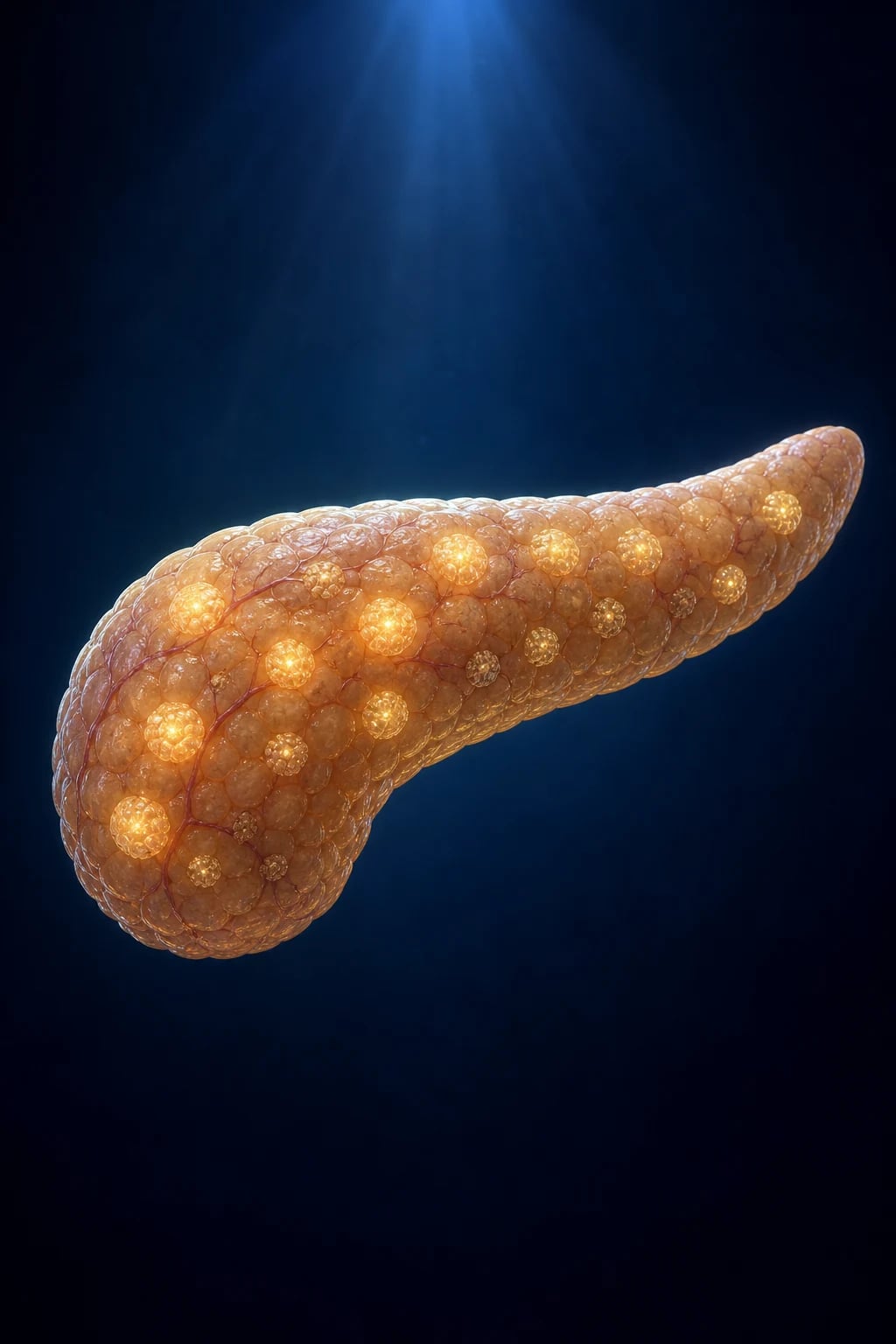
Diabetes mellitus (DM) is a heterogeneous group of chronic metabolic disorders unified by sustained hyperglycaemia that results from defects in insulin secretion, insulin action, or both. The American Diabetes Association 2019 Standards of Care (Section 2: Classification and Diagnosis) and the 2019 ESC/EASD Guidelines on Diabetes, Pre-Diabetes and Cardiovascular Diseases organise the disorders into four broad aetiological groups — type 1 diabetes mellitus (T1DM), type 2 diabetes mellitus (T2DM), gestational diabetes mellitus (GDM), and other specific types (monogenic syndromes such as MODY, latent autoimmune diabetes of adults (LADA), drug- or chemical-induced, diseases of the exocrine pancreas, and endocrinopathies). All share the same diagnostic glycaemic thresholds and the same chronic complication profile, but each has a distinct natural history and evidence-based management.[1][3]
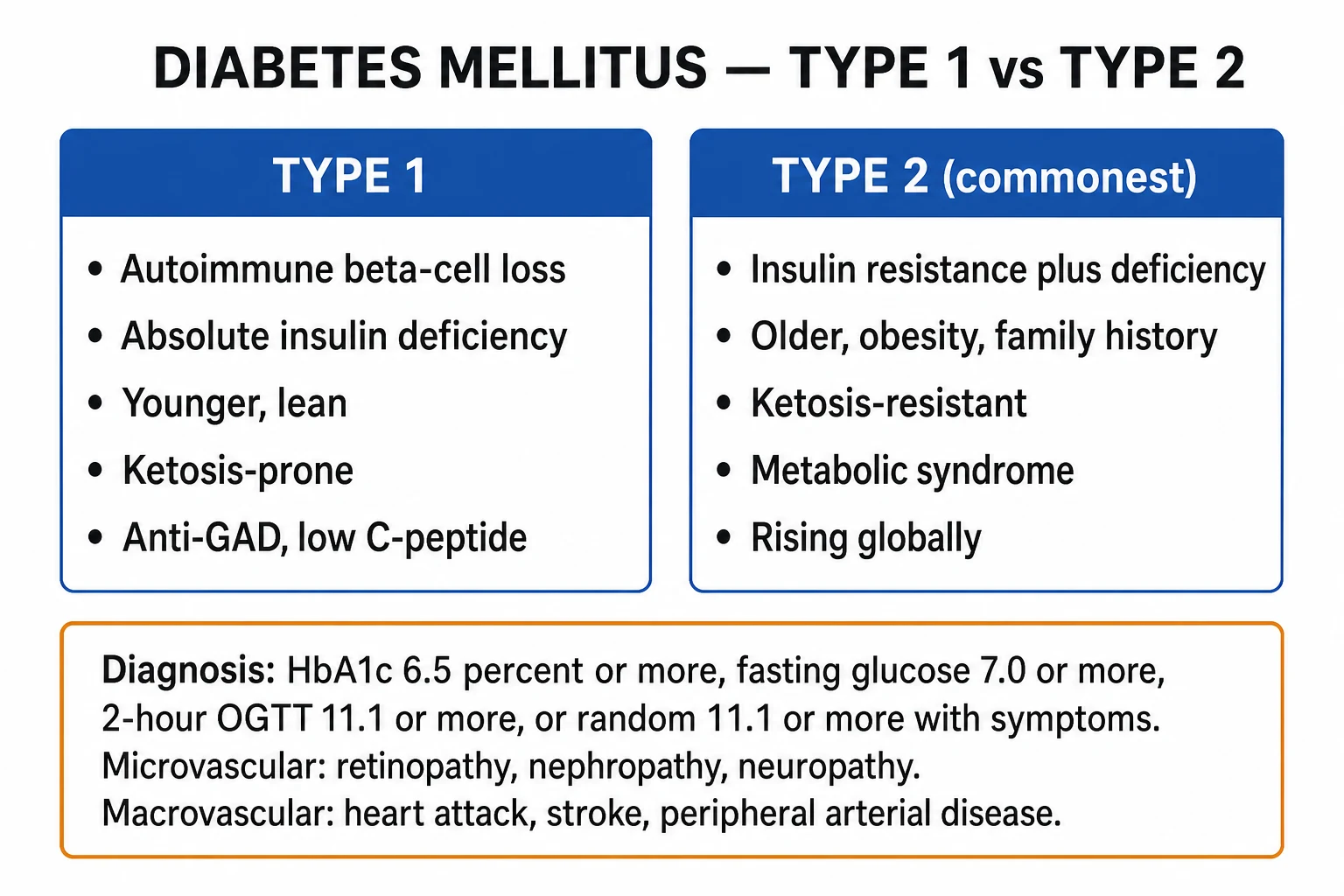
The diagnostic thresholds (ADA 2019; identical to the 2019 ESC/EASD criteria) require one of the following in the absence of a clear precipitant of acute hyperglycaemia, and two abnormal results from two different categories at confirmation if no unequivocal hyperglycaemia is present:[1]
- HbA1c over 6.5 percent (over 48 mmol/mol) — reflects two to three months of ambient glycaemia; requires a standardised, NGSP-aligned assay.
- Fasting plasma glucose over 7.0 mmol/L (over 126 mg/dL) — fasting defined as no caloric intake for at least 8 hours.
- 2-hour plasma glucose over 11.1 mmol/L (over 200 mg/dL) during a 75 g oral glucose tolerance test (OGTT).
- Random plasma glucose over 11.1 mmol/L (over 200 mg/dL) in a patient with classic hyperglycaemic symptoms (polyuria, polydipsia, polyphagia, weight loss, blurred vision, fatigue) or hyperglycaemic crisis. [1]
Prediabetes (intermediate hyperglycaemia; HbA1c 5.7 to 6.4 percent, IFG 6.1 to 6.9 mmol/L, or IGT 7.8 to 11.0 mmol/L at 2 h) is a high-risk state for progression to T2DM and for cardiovascular disease that warrants structured lifestyle intervention and (for some phenotypes) metformin.[1][4]
Diabetes affects roughly 537 million adults worldwide (about 1 in 11) — the IDF Atlas 10th edition estimate — and about 6 to 10 percent of these have T1DM, with the larger T2DM burden tracking obesity, ageing populations and urbanisation. The clinical importance is morbidity: it is a leading cause of blindness, end-stage renal disease, non-traumatic lower-limb amputation, cardiovascular disease and premature death, with a two- to four-fold increased all-cause mortality versus the background population.[3][4]
Classification
The ADA 2019 framework (carried through in the 2019 ESC/EASD document) classifies diabetes into four broad categories plus a separate risk state.[1][3]
Type 1 DM (T1DM)
- Autoimmune beta-cell destruction — anti-GAD, anti-IA2, anti-ZnT8 antibodies; absolute insulin deficiency
- Acute osmotic symptoms, ketoacidosis common at presentation; usually children and young adults, but LADA presents in adults
- Onset often days to weeks; thin body habitus; brittle glycaemia; needs insulin from diagnosis
- Increased risk of other autoimmune disease — coeliac, autoimmune thyroid (5 to 10 percent), Addison
- Strong HLA association — DR3-DQ2, DR4-DQ8; concordance around 50 percent in identical twins
Type 2 DM (T2DM)
- Insulin resistance plus progressive beta-cell failure; relative (not absolute) insulin deficiency at onset
- Strong association with obesity, metabolic syndrome, family history; adult onset but increasingly seen in adolescents
- Onset insidious; many asymptomatic, picked up on screening; osmotic symptoms and complications already present at diagnosis in some 20 to 30 percent
- Accelerated by glucotoxicity, lipotoxicity, ectopic fat in liver and pancreas
- First-line metformin + lifestyle; add GLP-1 RA or SGLT2i for cardiovascular/renal protection per ESC 2019
Gestational DM (GDM)
- Glucose intolerance first recognised in pregnancy (typically 24 to 28 weeks); resolves postpartum in most but recurs in 30 to 50 percent
- Diagnostic thresholds lower — IADPSG / WHO 2013: fasting over 5.1, 1-hour over 10.0, 2-hour over 8.5 mmol/L on 75 g OGTT
- Risk to fetus: macrosomia, shoulder dystocia, neonatal hypoglycaemia; risk to mother: pre-eclampsia, operative delivery, future T2DM
- First-line dietary and exercise; metformin or insulin if targets not met (oral metformin crosses placenta — current evidence reassuring)
MODY / Monogenic
- Autosomal dominant; onset before 25; non-obese; preserved insulin sensitivity
- Commonest form — GCK-MODY (glucokinase) — mild stable fasting hyperglycaemia, no complications, no treatment
- HNF1A-MODY (hepatocyte nuclear factor 1-alpha) — progressive beta-cell defect, sensitive to low-dose sulfonylurea (e.g. gliclazide)
- HNF4A, HNF1B (RCAD syndrome), ABCC8 / KCNJ11 — neonatal diabetes (DEND, iDEND)
LADA (Latent Autoimmune Diabetes of Adults)
- Adult onset, autoimmune (anti-GAD positive), initially non-insulin-requiring but progressing to insulin within 6 months to 6 years
- Phenotypically overlaps T1DM and T2DM; often mislabelled as T2DM in 30- to 50-year-olds who are not obese
- C-peptide present but falling; ketoacidosis possible; responds to early insulin rather than metformin-only pathway
Secondary DM
- Drug-induced (corticosteroids, antipsychotics, thiazide, tacrolimus, interferon-alpha); endocrinopathies (Cushing, acromegaly, phaeochromocytoma, primary hyperaldosteronism, thyrotoxicosis)
- Pancreatic disease (chronic pancreatitis, cystic fibrosis, haemochromatosis, pancreatic cancer, post-pancreatectomy)
- Genetic (Down, Turner, Klinefelter, Friedreich ataxia, myotonic dystrophy)
- Infections (congenital rubella, cytomegalovirus)
- Management: treat the underlying cause; may need insulin if hyperglycaemia severe
Epidemiology & Risk Factors
Diabetes is one of the fastest-growing global health burdens; the IDF Atlas 10th edition estimates roughly 537 million adults (20 to 79 years) living with diabetes worldwide, projected to reach 643 million by 2030 and 783 million by 2045. About half are undiagnosed.[3][4]
Type 1 DM accounts for 5 to 10 percent of all diabetes in high-income settings (higher in Nordic countries — Finland has the world's highest T1DM incidence at about 60 per 100,000 person-years in children). The peak age of onset is 5 to 7 and around puberty, but LADA shifts the demographic into the 30s and 40s. The incidence has been rising at about 3 percent per year globally for three decades, driven by environmental exposures (viral, dietary, vitamin D, the hygiene hypothesis), but genetic susceptibility (HLA-DR3/4) explains most of the inherited risk.[5][6]
Type 2 DM accounts for 90 to 95 percent of all diabetes; prevalence 8 to 10 percent in most adult populations, but 12 to 14 percent in South Asian, Afro-Caribbean and Middle Eastern communities, and 20 to 25 percent in some Pacific Island and Arab Gulf populations, because of the combination of high genetic susceptibility and rapidly changing lifestyle.[3][4]
Diabetes — key numbers
Established risk factors for T2DM:[3][4]
- Overweight and obesity — the dominant risk; every 1 kg/m² rise in BMI above 25 increases risk by roughly 12 percent.
- Ethnicity — South Asian, East Asian, Afro-Caribbean, Hispanic, Middle Eastern, Native American and Pacific Island ancestry confer high risk at lower BMI.
- Age — prevalence rises steeply after 45 years; about 1 in 4 adults over 65 has diabetes.
- Family history — 2- to 6-fold increased risk with a first-degree relative with T2DM; concordance 60 to 90 percent in identical twins.
- History of gestational diabetes — 30 to 50 percent develop T2DM within 10 years.
- Prediabetes — IFG, IGT or HbA1c 5.7 to 6.4 percent; progression rate 5 to 10 percent per year.
- Cardiovascular disease (CVD) — a heart attack, stroke or peripheral arterial disease makes previously unrecognised diabetes (or prediabetes) very likely; screen with HbA1c.
- Polycystic ovary syndrome (PCOS), non-alcoholic fatty liver disease, obstructive sleep apnoea, mental illness, certain drugs (corticosteroids, antipsychotics, thiazides, tacrolimus).
- Sedentary lifestyle — TV time, prolonged sitting, low physical activity; Mediterranean and plant-based diets reduce risk. [1]
Established risk factors for T1DM: HLA-DR3/4, family history (1 in 20 to 1 in 50 risk with affected first-degree relative versus 3 per 1000 in the background population), age (peak 5 to 7 and puberty), geography (Finland, Sardinia, Sweden highest), viral infections (enteroviruses, mumps, congenital rubella), the autoimmune diathesis (associated with other autoimmune disease — coeliac 5 to 10 percent, autoimmune thyroid 15 to 30 percent).[5][6]
Pathophysiology
Diabetes is unified by sustained hyperglycaemia but arises through several distinct mechanisms — most simply summarised as failure of the insulin-secreting beta cell to match insulin demand driven by tissue resistance. [1]
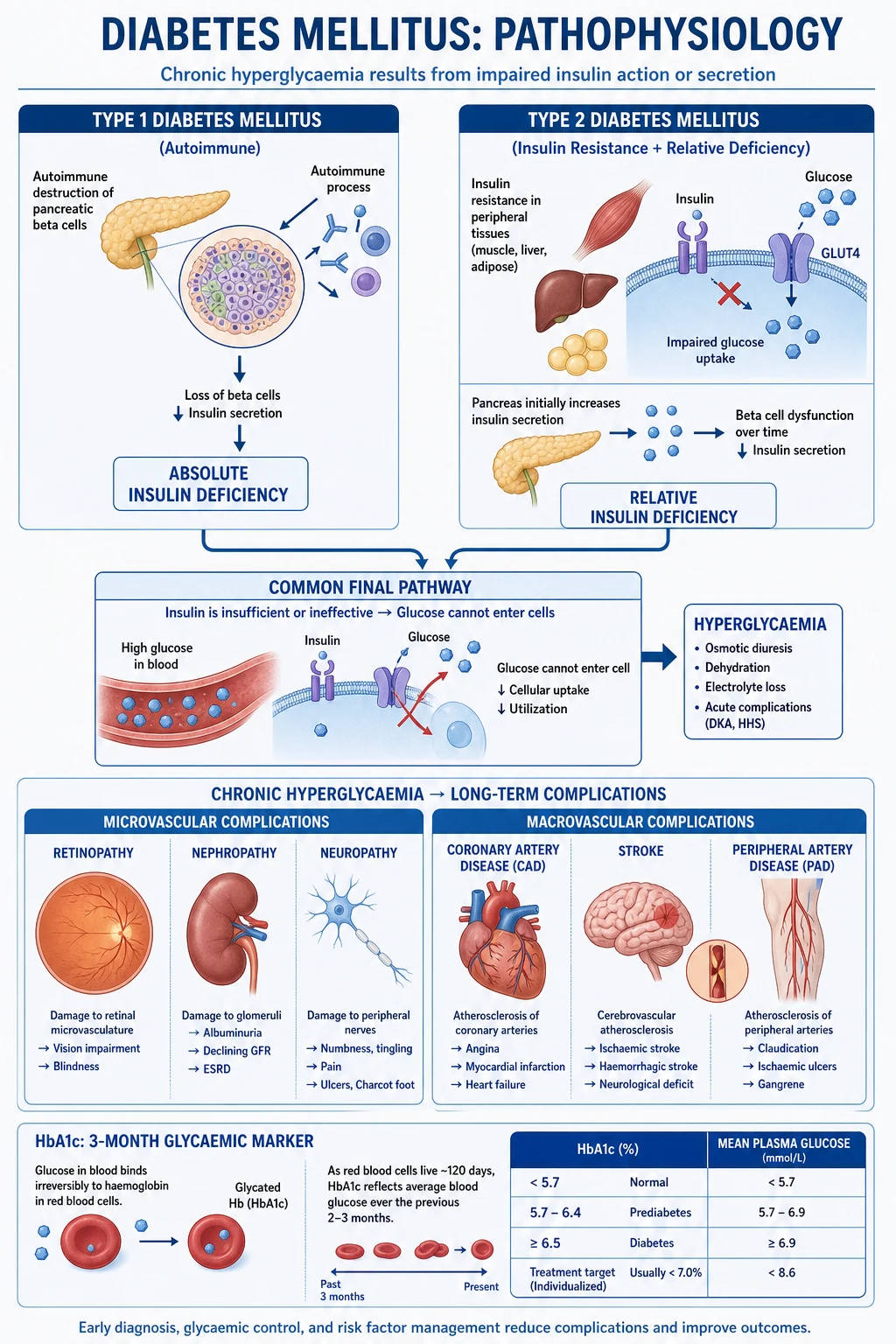
Type 1 DM — autoimmune beta-cell destruction. T1DM is a chronic organ-specific autoimmune disease. CD4+ and CD8+ T cells infiltrate the islets ("insulitis") and destroy beta cells over months to years, driven by genetic susceptibility (HLA-DR3-DQ2, DR4-DQ8), environmental triggers (viral, dietary) and impaired immune regulation. Autoantibodies (anti-GAD65, anti-IA2, anti-ZnT8, anti-insulin) are markers of the immune process, not themselves cytotoxic. As beta-cell mass falls, insulin secretion collapses; C-peptide (co-secreted with insulin) becomes unmeasurable in established disease. The remaining alpha, delta and PP cells continue to secrete glucagon, somatostatin and pancreatic polypeptide, with relative glucagon excess that drives hepatic glucose output and worsens hyperglycaemia and ketosis. The result is absolute insulin deficiency — and the patient depends on exogenous insulin for survival.[1][5][6]
Type 2 DM — insulin resistance plus progressive beta-cell dysfunction. T2DM has two interlocking defects: [1]
- Insulin resistance in skeletal muscle, liver and adipose tissue — driven by obesity, ectopic fat, sedentary behaviour, inflammation and ageing. The liver fails to suppress hepatic glucose production in the fasting state; muscle fails to take up glucose under insulin stimulation; adipose tissue releases free fatty acids that worsen both defects (Randle cycle). Hyperglycaemia itself impairs insulin secretion and action ("glucotoxicity"); elevated free fatty acids do likewise ("lipotoxicity"). Incretin physiology (the amplification of insulin secretion by GLP-1 and GIP after a meal) is also impaired.[1][3]
- Progressive beta-cell dysfunction — beta-cell mass declines, secretory capacity falls, and the cell de-differentiates. Hyperglycaemia, lipotoxicity, islet amyloid (IAPP) deposition and chronic inflammation accelerate the failure; by the time diabetes is diagnosed, beta-cell function has already fallen by 50 to 60 percent and continues to decline by about 5 to 10 percent per year. The end result is relative insulin deficiency.[3]
The vicious cycles of T2DM: [1]
- Glucotoxicity — chronic hyperglycaemia damages the beta cell (oxidative stress, ER stress, direct toxicity) and worsens insulin resistance; tight glycaemia improves both ("beta-cell rest").
- Lipotoxicity — elevated free fatty acids and ectopic fat (liver, pancreas, muscle) worsen resistance and impair insulin secretion.
- Incretin defect — reduced GLP-1 and GIP secretion and action in T2DM; pharmacologically mimicked by GLP-1 receptor agonists.
- RAAS activation and oxidative stress — link T2DM and its vascular complications. [1]
Gestational diabetes arises when the physiological insulin resistance of pregnancy (driven by human placental lactogen, progesterone, cortisol and TNF-alpha) exceeds the pregnant woman's insulin secretory reserve. Beta-cell mass increases, but in some 5 to 15 percent of pregnancies this is inadequate — typically late in the second trimester when the diabetogenic hormones peak. The placenta also expresses insulin-degrading enzymes and counter-regulatory hormones.[1][3]
MODY is monogenic: specific transcription-factor defects (HNF1A, HNF4A, HNF1B) drive progressive beta-cell dysfunction without resistance, while GCK mutations raise the glucose set-point (so fasting glucose is higher than normal but complications do not develop).[1]
The principle for the examiner: glucotoxicity and lipotoxicity are reversible in early T2DM with tight glycaemia and weight loss, while beta-cell loss is largely irreversible in T1DM — hence the urgency of insulin in T1DM and the slow-protect approach (GLP-1 RA, SGLT2i, weight loss, bariatric surgery) in T2DM.[3]
Clinical Presentation
Diabetes may present in three domains: (1) hyperglycaemic emergency, (2) classic osmotic symptoms, or (3) asymptomatically on screening. The history differs with type. [1]
Classic osmotic symptoms (any hyperglycaemic state, any type): [1]
- Polyuria — osmotic diuresis once glucose exceeds the renal threshold (~10 mmol/L or 180 mg/dL in non-pregnant adults; lower in pregnancy and children); volume may exceed 3 to 5 L/day, with nocturnal enuresis in a previously dry child a classic clue.
- Polydipsia — driven by the osmotic pull on the thirst centre; the patient drinks large volumes, often cold or sweet drinks.
- Polyphagia — though often replaced by weight loss as the disease progresses.
- Weight loss — particularly in T1DM, where the absolute insulin deficiency means glucose cannot be stored or used, and the body switches to proteolysis and lipolysis for fuel; 5 to 10 percent body-weight loss in weeks to months is classical at T1DM diagnosis.
- Fatigue and lethargy — from cellular starvation and disturbed sleep from nocturia.
- Blurred vision — osmotic swelling of the lens; reverses over weeks after glycaemia is corrected (do not change glasses early).
- Pruritus vulvae, balanitis, recurrent urinary tract infection, recurrent candidiasis, recurrent skin infection — glucose in the urine and on mucosal surfaces nourishes Candida and bacteria; consider diabetes in any adult with thrush, recurrent UTI, or cellulitis.
- Delayed wound healing — the classic "leg ulcer that will not heal".
- Nocturia, polyuria in an older adult mislabelled as "prostate trouble". [1]
Type 1 DM — the acute picture: rapid-onset osmotic symptoms over days to weeks, with weight loss, fatigue, polyuria and polydipsia, often ending in DKA if not recognised (vomiting, abdominal pain, Kussmaul breathing, dehydration, impaired consciousness). Children may present with the classic triad plus abdominal pain, poor school performance and secondary nocturnal enuresis.[5][6]
Type 2 DM — the chronic picture: symptoms develop over months to years, often so insidious that the diagnosis is made on screening or after a complication. Many patients are asymptomatic but already have retinopathy, microalbuminuria, neuropathy or coronary disease at diagnosis. Typical clues are fatigue, polyuria mislabelled as prostate trouble, recurrent skin or genitourinary infections, pruritus vulvae, blurred vision, erectile dysfunction, and slow wound healing. Hyperglycaemic emergencies at presentation are less common but increasing.[1][3]
Hyperglycaemic emergencies: [1]
- DKA — see the dedicated topic; classically in T1DM but also in T2DM under stress, on SGLT2 inhibitors (euglycaemic DKA), in pregnancy, in LADA, in established T1DM with a precipitant (missed insulin, infection, MI, surgery). Triad of hyperglycaemia, ketosis and high-anion-gap metabolic acidosis; presents with polyuria, vomiting, Kussmaul respiration, dehydration, abdominal pain, altered sensorium.
- HHS — see the dedicated topic; classically in older T2DM with the precipitants of infection, MI, stroke, drugs (corticosteroids, thiazide). Severe hyperglycaemia, hyperosmolality, deep dehydration, often coma, with minimal ketosis. [1]
Chronic complications as the presenting feature: blurred vision (retinopathy, macular oedema), peripheral neuropathy (burning feet, numbness, foot ulcer), autonomic neuropathy (postural hypotension, gastroparesis, erectile dysfunction, bladder dysfunction), nephropathy (proteinuria, hypertension, oedema), coronary artery disease (MI, angina, heart failure), stroke, peripheral arterial disease (claudication, critical limb ischaemia), Charcot foot (warm, swollen, deformed foot in a neuropathy patient), recurrent infections (UTI, skin, candida).[3][4]
Important atypical / special presentations: [1]
- Diabetic in the older adult — falls, confusion, urinary incontinence, infection, dehydration; glucose missed without a meter.
- Pregnancy — asymptomatic; screen with 75 g OGTT at 24 to 28 weeks.
- MODY — non-obese family history of diabetes across three generations, onset before 25, mild hyperglycaemia.
- LADA — non-obese 30- to 50-year-old with osmotic symptoms, antibodies positive; often mislabelled as T2DM.
- Secondary — weight gain and striae (steroid, Cushing), visual field loss and bitemporal hemianopia (pituitary acromegaly), episodic hypertension and palpitations (phaeochromocytoma), features of chronic pancreatitis or cystic fibrosis, treatment with antipsychotics or tacrolimus. [1]
Differential Diagnosis
The differential diagnosis for the adult presenting with hyperglycaemia has two layers — what condition is causing the high glucose, and what complications of that hyperglycaemia must be excluded. [1]
Conditions that mimic or cause hyperglycaemia:[1][3][4]
- Prediabetes (intermediate hyperglycaemia) — HbA1c 5.7 to 6.4 percent; IFG 6.1 to 6.9 mmol/L; IGT 7.8 to 11.0 mmol/L on 75 g OGTT. Lifestyle and (in some phenotypes) metformin reduce progression to T2DM.
- Stress hyperglycaemia — acute illness (MI, sepsis, trauma, surgery, corticosteroid pulse) drives counter-regulatory hormones and transient hyperglycaemia; HbA1c is normal; the test should be repeated after recovery. Untreated stress hyperglycaemia worsens inpatient outcome, but aggressive in-hospital insulin to tight targets (NICE-SUGAR) increased mortality.
- Steroid-induced hyperglycaemia — the commonest drug cause; typically peaks 6 to 8 hours after a prednisolone dose (afternoon fasting or post-prandial glucose in a morning-dose patient). Managed by adjusting the steroid dose, metformin, sulfonylurea or insulin (NPH twice daily or basal-bolus).[1]
- Diabetes insipidus — polyuria and polydipsia but glucose is normal; lacks hyperglycaemia.
- Endocrinopathies (secondary diabetes) — Cushing syndrome, acromegaly, phaeochromocytoma, primary hyperaldosteronism, thyrotoxicosis, glucagonoma. Diagnose by clinical features and specific endocrine testing; treat the underlying cause.
- Pancreatic disease (type 3c DM) — chronic pancreatitis (alcohol, tropical, cystic fibrosis), pancreatic cancer, haemochromatosis, post-pancreatectomy. Typically insulin-requiring and brittle; glucagon deficiency means lower DKA risk but high hypoglycaemia risk.[1]
- MODY / monogenic — non-obese, family history across three generations, onset before 25; anti-GAD negative; specific genetic testing (GCK, HNF1A, HNF4A, HNF1B, ABCC8, KCNJ11).[1]
- LADA — adult onset, autoimmune, initially non-insulin-requiring; anti-GAD positive.
- Gestational — first detected in pregnancy; IADPSG thresholds.
- Factitious / surreptitious — rare but recognised; check insulin, C-peptide, sulphonylurea screen if suspected.
- Hyperglycaemia from intravenous dextrose or TPN — iatrogenic; adjust the infusion and add insulin.
Differential of osmotic symptoms (in case the diagnostic confusion is with another polyuria/polydipsia state):[1]
- Diabetes insipidus — central (pituitary surgery, head injury, sarcoidosis, metastases) or nephrogenic (lithium, hypercalcaemia, hypokalaemia); large volumes of dilute urine; serum sodium and glucose normal.
- Primary polydipsia — psychiatric or habitual; urine osmolality low during a water deprivation test.
- Diuretic use — chronic thiazide or loop use, common in elderly hypertensives.
- Hypercalcaemia, hypokalaemia — nephrogenic DI effect.
- Renal failure — high-output state in chronic kidney disease; urine dilute, sodium high, but glucose and HbA1c normal.
- Sickle cell trait, pregnancy — reduced renal glucose threshold; glycosuria without hyperglycaemia. [1]
The bedside rule for the examiner: check a capillary glucose and a pair of basic bloods in any adult with polyuria, polydipsia, recurrent infections, unexplained weight loss, a non-healing foot ulcer, or hyperglycaemic crisis. The diagnostic work-up then distinguishes stress hyperglycaemia (HbA1c normal, repeat after recovery), prediabetes (above-threshold but below diagnostic), diabetes, and one of the specific types above.[1][3]
Clinical & Bedside Assessment
The bedside assessment of diabetes has two jobs: diagnose the condition, and characterise the patient. [1]
Initial bedside (for an acutely unwell patient with hyperglycaemia): [1]
- ABCDE with capillary glucose as a vital sign.
- Hydration — JVP, mucous membranes, skin turgor, lying and standing BP (postural drop of 20/10 mmHg suggests volume depletion of 1 to 2 L in adults).
- Respiratory pattern — Kussmaul breathing in DKA (deep, sighing, rate over 25); acetone / pear-drop breath in ketotic states.
- Skin — turgor, sweating, signs of intercurrent infection, injection sites in known insulin-treated patients.
- Abdomen — DKA can mimic an acute abdomen (vomiting, pain, ileus); also examine for pancreatic disease, hepatomegaly in NAFLD, surgical cause.
- Neurological — GCS, focal deficits (HHS may present with stroke-mimic focal deficits that reverse with rehydration), peripheral neuropathy (glove-and-stocking loss, foot ulcer, deformity).
- Cardiovascular — heart rate, blood pressure, postural change, ankle-brachial pressure index (ABPI), carotid and femoral bruits.[3][4]
Diabetes review (annual "review and recall"): [1]
- History — symptoms, frequency of hypoglycaemia, sick-day rules, foot care, diet, exercise, smoking, alcohol, contraception / pregnancy intentions.
- Examination — weight, BMI, waist circumference (over 94 cm men, over 80 cm women — South Asian over 90 cm men, over 80 cm women is high), blood pressure (target under 130/80 in most), foot inspection (skin, deformity, callus, ulcer, infection, Charcot), injection sites (lipohypertrophy in long-standing insulin users), dental exam (periodontal disease is bidirectional with diabetes).
- Investigations — HbA1c, fasting lipids, UACR, eGFR, LFTs (NAFLD common), TSH (autoimmune thyroid), ECG and consider cardiac echo if CVD risk high; refer to retinopathy screening (annual retinal photography), podiatry, diabetes specialist nurse, dietitian, and structured education (DAFNE for T1DM, DESMOND / X-PERT for T2DM).[1][3]
Foot examination — the three classic complications are neuropathy, ischaemia and infection; the foot risk stratification is the basis for the annual foot review: [1]
- Low risk — no neuropathy, no ischaemia, no deformity, no prior ulcer/amputation.
- Moderate risk — neuropathy OR ischaemia OR deformity.
- High risk (active) — current ulcer, current Charcot, prior ulcer or amputation, callus with pre-ulcer, neuropathy with foot deformity and ischaemia. [1]
Examination includes 10 g monofilament test for protective sensation, 128 Hz tuning fork for vibration, pinprick, ankle reflexes, dorsalis pedis and posterior tibial pulses, ABPI (under 0.9 indicates PAD; over 1.3 calcified non-compressible), shoes and gait.[1][3]
Fundoscopy — direct ophthalmoscopy is poor for grading; diabetic retinopathy screening uses two-field 45-degree mydriatic digital retinal photography with grading by a trained screener, optometrist or ophthalmologist. Refer to ophthalmology: pre-proliferative changes, proliferative changes, maculopathy, hard exudates near the macula, vitreous haemorrhage, or any unexplained vision loss.[1]
Investigations
The investigation column tests the specific diagnosis and the baseline for monitoring and complications. [1]
Diagnostic tests: [1]
- HbA1c (NGSP-aligned assay) — over 6.5 percent (48 mmol/mol) is diagnostic in non-pregnant adults; reflects 8 to 12 weeks of ambient glycaemia. Falsely raised in iron deficiency, B12 deficiency, alcoholism, chronic kidney disease, hypersplenism; falsely lowered in anaemia, haemoglobinopathy, blood loss, haemolysis, pregnancy. If HbA1c is unreliable, fall back on OGTT.
- Fasting plasma glucose — over 7.0 mmol/L (126 mg/dL) is diagnostic; fasting means no caloric intake for at least 8 hours.
- 75 g oral glucose tolerance test — 2-hour plasma glucose over 11.1 mmol/L (200 mg/dL) is diagnostic; in pregnancy, lower IADPSG thresholds apply (fasting over 5.1, 1-hour over 10.0, 2-hour over 8.5 mmol/L).
- Random plasma glucose — over 11.1 mmol/L with classic symptoms is diagnostic.
- Repeat testing — diagnostic thresholds must be met on two different categories (e.g. HbA1c over 6.5 plus fasting over 7.0) at confirmation unless there is an unequivocal hyperglycaemic crisis.[1]
- Type-1-specific autoantibodies — anti-GAD65, anti-IA2, anti-ZnT8, anti-insulin (when onset is acute and the differential includes T1DM, LADA, or atypical T2DM).
- C-peptide — co-secreted with insulin in equimolar amounts; low / undetectable in established T1DM (less than 0.2 nmol/L) and preserved or raised in early T2DM and in insulinoma; raised C-peptide with hypoglycaemia points to insulinoma or sulfonylurea use rather than exogenous insulin (where insulin is high but C-peptide is suppressed).
- Ketones — capillary beta-hydroxybutyrate over 3 mmol/L with pH under 7.3 and glucose over 11 is DKA.
Baseline for monitoring and complications: [1]
- HbA1c every 3 to 6 months — quarterly if treatment is being changed, six-monthly if stable.
- Fasting lipids (TC, LDL, HDL, triglycerides) — annual, but early if on statin or icosapent ethyl.
- Urinary albumin-to-creatinine ratio (UACR) — on a first morning spot urine; over 3 mg/mmol is albuminuria (microalbuminuria formally 3 to 30 mg/mmol); over 30 mg/mmol is overt proteinuria.
- Serum creatinine and eGFR — at baseline and at least annually; CKD staging drives metformin, SGLT2i and ACE-inhibitor decisions.
- Liver function tests — NAFLD common in T2DM; abnormal ALT and a fatty liver on ultrasound do not preclude metformin.
- TSH — annual in T1DM (autoimmune thyroid disease); base case in T2DM at diagnosis.
- Vitamin B12 — check in long-term metformin use (10 to 30 percent develop biochemical deficiency). [1]
Acute emergencies: [1]
- DKA work-up — venous blood gas (pH, HCO3, lactate), capillary ketones (beta-hydroxybutyrate), electrolytes (Na, K, Cl, bicarbonate, anion gap), glucose, renal function, osmolality if HHS suspected, infection screen (FBC, CRP, blood culture, urine, CXR).
- HHS work-up — osmolality over 320 mOsm/kg, glucose over 33 mmol/L, arterial or venous blood gas, electrolytes, infection screen, coagulation (prophylactic LMWH), ECG and troponin (silent MI), CT head if focal deficit.
- Hypoglycaemia in known diabetes — capillary glucose (treat if under 4 mmol/L with symptoms, or under 3 mmol/L regardless), Sulfonylurea screen if unexplained, insulin/C-peptide if factitious suspected, cortisol and GH if Addison or hypopituitarism suspected. [1]
In pregnancy: [1]
- First antenatal HbA1c — target ideally under 6.5 percent (ideally under 6.0 percent at conception) for the non-pregnant T1DM/T2DM mother;
- 75 g OGTT at 24 to 28 weeks with IADPSG thresholds;
- Self-monitored blood glucose 6 to 8 times daily if insulin-treated;
- Foetal growth scan in the third trimester. [1]
The practical summary for the examiner: diagnose with HbA1c or fasting or 2-hour OGTT, type the diabetes clinically and with autoantibodies and C-peptide where helpful, and assess complications with retinopathy screening, foot review, UACR, eGFR, lipid profile, BP and weight.[1][3]
Management — Resuscitation
The acute emergencies of diabetes are DKA, HHS, and hypoglycaemia; they are covered in detail in their own topics but are summarised here for completeness. [1]
DKA — the bundle:[1]
- Fluids first — 0.9 percent saline 1 L over the first hour in adults, then reassess; most patients are 5 to 10 L deficit; switch to 0.45 percent saline only if corrected sodium is high, then to 5 percent dextrose once glucose falls under 14 mmol/L.
- Potassium — replace from the outset: if K+ 3.3 to 5.3 mmol/L, give 20 to 40 mmol/L of fluids; if K+ under 3.3 mmol/L, HOLD insulin and replace potassium first; if K+ over 5.3 mmol/L, do not give but check every 2 hours.
- Fixed-rate IV insulin 0.1 units/kg/hour (children), 0.14 units/kg/hour if severe (pH under 7.0), and adjust when the anion gap closes.
- Find and treat the precipitant — infection (most common), missed insulin, MI, stroke, surgery, drugs (SGLT2i, steroids, sympathomimetics).
- Avoid cerebral oedema — slow rehydration in children; mannitol 0.25 to 1 g/kg if neurological deterioration. [1]
HHS — the bundle: [1]
- Aggressive fluid replacement (often 9 to 12 L deficit) — 0.9 percent saline 1 L over first hour, then adjusted to haemodynamic status and corrected sodium.
- Low-dose IV insulin 0.05 units/kg/hour — initiated once glucose stops falling on fluids alone or if ketosis develops.
- Anticoagulation — prophylactic low-molecular-weight heparin because thromboembolic risk is high.
- Treat the precipitant — infection, MI, stroke, drugs. [1]
Hypoglycaemia — the bundle:[1][3]
- Mild (conscious, capillary glucose under 4 mmol/L) — oral glucose 15 to 20 g (4 glucose tablets, fruit juice, sugar, glucose gel); repeat in 15 minutes; follow with complex carbohydrate to prevent recurrence.
- Moderate (conscious but confused, unable to swallow safely) — oral glucose gel plus food; teach carers and partners.
- Severe (unconscious, fitting, or unable to swallow) — IV access, 50 mL of 50 percent dextrose (25 g) over 1 to 3 minutes (repeat if no response in 15 minutes), or IM glucagon 1 mg (0.5 mg in children under 25 kg or under 8 years).
- Investigate — sulfonylurea overdose (octreotide infusion), Addison crisis (hydrocortisone 100 mg IV), factitious (insulin/C-peptide screen). [1]
The exam upshot for any acute setting: capillary glucose is a fifth vital sign; DKA needs fluids then fixed-rate insulin and potassium; HHS needs fluids and prophylactic LMWH; hypoglycaemia needs glucose or glucagon, and the precipitant must be identified.[1][3]
Management — Definitive & Stepwise
The definitive management of diabetes is cause-specific, with shared universal elements — patient education, structured lifestyle modification, glycaemia and cardiovascular-risk control, and surveillance for complications. [1]
Universal elements (every patient): [1]
- Structured education — DAFNE (Dose Adjustment for Normal Eating) for T1DM; DESMOND or X-PERT for T2DM; MNT (medical nutrition therapy) with a registered dietitian; carbohydrate counting for T1DM.
- Lifestyle — 150 minutes per week of moderate-intensity aerobic activity plus resistance training two to three times per week; stop smoking; moderate alcohol (under 14 units per week, with at least two alcohol-free days); healthy Mediterranean-style diet with low glycaemic load and adequate fibre.
- Weight — target 5 to 10 percent weight loss in T2DM; 10 to 15 percent is optimal; bariatric surgery is highly effective (over 80 percent diabetes remission in some series) — consider for BMI over 35 (over 30 in South Asian) with T2DM, particularly if poorly controlled.
- Cardiovascular risk — BP target below 130/80 (looser for frail elderly); LDL cholesterol below 1.8 mmol/L (under 70 mg/dL) for the secondary-prevention T2DM patient, below 1.4 mmol/L (55 mg/dL) for very high risk; statin (atorvastatin 20 to 80 mg or rosuvastatin 10 to 40 mg) in any T2DM over 40 or with risk factors; antiplatelet (aspirin 75 mg) only in established CVD.
- HbA1c target — generally under 7.0 percent (53 mmol/mol); tighter under 6.5 percent in young T1DM with low hypoglycaemia risk and in pregnancy; looser 7.5 to 8.5 percent in elderly, frail, comorbid or where avoidance of hypoglycaemia matters. [1]
T1DM (autoimmune)
- Insulin from diagnosis — multiple daily injections (basal-bolus) or continuous subcutaneous infusion (CSII / insulin pump)
- Glargine 0.2 units/kg SC daily basal; lispro 5 to 10 units SC pre-meal (carbohydrate counting and correction factor)
- HbA1c target 6.5 to 7.5 percent; tight control reduces complications (DCCT/EDIC) but avoid hypoglycaemia
- Carbohydrate counting; insulin:carbohydrate ratio (e.g. 1 unit per 10 g) and insulin sensitivity factor (e.g. 1 unit lowers glucose by 3 mmol/L)
- Continuous glucose monitoring (CGM) preferred; flash glucose monitoring (FreeStyle Libre) widely used
T2DM — stepwise
- Step 1 — metformin and lifestyle (UKPDS 34: metformin reduces MI and mortality in overweight T2DM)
- Step 2 — add a second agent, choosing by comorbidity: GLP-1 RA for CVD/weight; SGLT2i for HF/CKD/CVD; DPP-4i if intolerant of GLP-1/SGLT2i; sulfonylurea if cost limits; pioglitazone for fatty liver
- Step 3 — triple therapy; or initiate insulin (basal NPH or glargine); GLP-1 RA + basal insulin is a common modern second line
- Step 4 — basal-bolus or premixed insulin; consider bariatric surgery for BMI over 35 / 30 South Asian
- Tight BP and LDL control throughout; consider ACE-inhibitor, statin
Drug doses and pharmacology:[1][3][7][8]
- Metformin 500 to 1000 mg orally twice daily with meals (max 2 g/day); max 3 g/day in some settings. Mechanism: reduces hepatic gluconeogenesis (AMPK activation), improves peripheral insulin sensitivity, modest weight loss, low hypoglycaemia risk. Side-effects: GI upset, B12 deficiency (monitor); contraindicated if eGFR under 30 (reduce dose to under 1 g/day if eGFR 30 to 45). Lactic acidosis is rare but feared — withhold for contrast studies and in sepsis.
- Glimepiride 1 to 4 mg orally once daily (or gliclazide 40 to 160 mg daily) — sulfonylureas block the K-ATP channel on the beta cell, releasing insulin. Hypoglycaemia and weight gain are real concerns; avoid in elderly and in renal impairment. Repaglinide is a shorter-acting option for post-prandial control.
- Sitagliptin 100 mg orally daily (linagliptin 5 mg daily if eGFR low) — DPP-4 inhibitor; prolongs endogenous GLP-1; weight neutral, low hypoglycaemia risk.
- Liraglutide 1.2 to 1.8 mg subcutaneously daily (or once-weekly semaglutide, dulaglutide, exenatide) — GLP-1 receptor agonist; glucose-dependent insulin release, glucagon suppression, slowed gastric emptying, central satiety; weight loss 3 to 5 percent; cardiovascular benefit in established CVD (LEADER, REWIND); injectable (oral semaglutide available).
- Empagliflozin 10 to 25 mg orally daily (canagliflozin 100 to 300 mg, dapagliflozin 10 mg) — SGLT2 inhibitor; blocks renal proximal tubular glucose reabsorption; cardiovascular mortality benefit (EMPA-REG, CANVAS), heart failure benefit (EMPEROR-Reduced, DAPA-HF), renal benefit (CREDENCE, DAPA-CKD); risk of euglycaemic DKA, genital infection, Fournier gangrene, osmotic diuresis and dehydration. The 2019 ESC/EASD guideline recommends these agents as first-line add-on to metformin in any T2DM with established CVD, HF or CKD.
- Pioglitazone 15 to 30 mg orally daily — thiazolidinedione (TZD); PPAR-gamma agonist; reduces insulin resistance; side effects: weight gain, fluid retention, heart failure, fracture risk, bladder cancer (weak signal); useful in NAFLD.
- Glargine insulin 0.2 units/kg subcutaneously daily (basal analogue; detemir, degludec are alternatives) — long-acting "peakless" basal; titrate to target fasting glucose 4 to 7 mmol/L.
- Lispro insulin 5 to 10 units subcutaneously pre-meal (aspart, glulisine are alternatives) — rapid-acting prandial; titrate to 2-hour post-prandial glucose under 10 mmol/L and pre-meal under 7 mmol/L.
- NPH insulin — intermediate-acting, cheaper than glargine; given twice daily; useful in T2DM basal-bolus and in gestational diabetes.
- Aspirin 75 mg orally daily in secondary prevention of CVD; not routinely in primary prevention of T2DM.
- Atorvastatin 20 to 80 mg or rosuvastatin 10 to 40 mg at night — high-intensity statin in T2DM with CVD or at high risk.
- ACE-inhibitor (ramipril 5 to 10 mg daily) or ARB (losartan 50 to 100 mg daily) for BP control and renoprotection when UACR over 3 mg/mmol. [1]
Insulin regimens: [1]
- Basal-bolus — long-acting basal (glargine or degludec once daily) plus rapid-acting bolus (lispro or aspart) with each meal; standard for T1DM and advanced T2DM.
- Premixed (biphasic) — short- and intermediate-acting insulin in fixed ratio (e.g. 30/70 or 50/50); given twice daily before breakfast and dinner; convenient but inflexible.
- CSII (continuous subcutaneous insulin infusion / pump) — continuous basal plus mealtime boluses from a programmable pump; for selected T1DM, particularly brittle, pregnant or for those wanting tight control.
- Twice-daily NPH — cost-effective basal-bolus alternative in T2DM. [1]
Sick-day rules: [1]
- Never stop insulin, even if not eating — short-acting mealtime insulin may be withheld but basal insulin must continue.
- Check capillary glucose and ketones every 2 to 4 hours.
- Stay hydrated; consider an illness insulin correction scale (e.g. 10 percent of total daily dose as rapid-acting analogue every 2 hours if ketones over 1.5).
- Seek medical advice early — DKA may evolve quickly. [1]
Stepwise Protocol — ADA 2019 / 2019 ESC/EASD
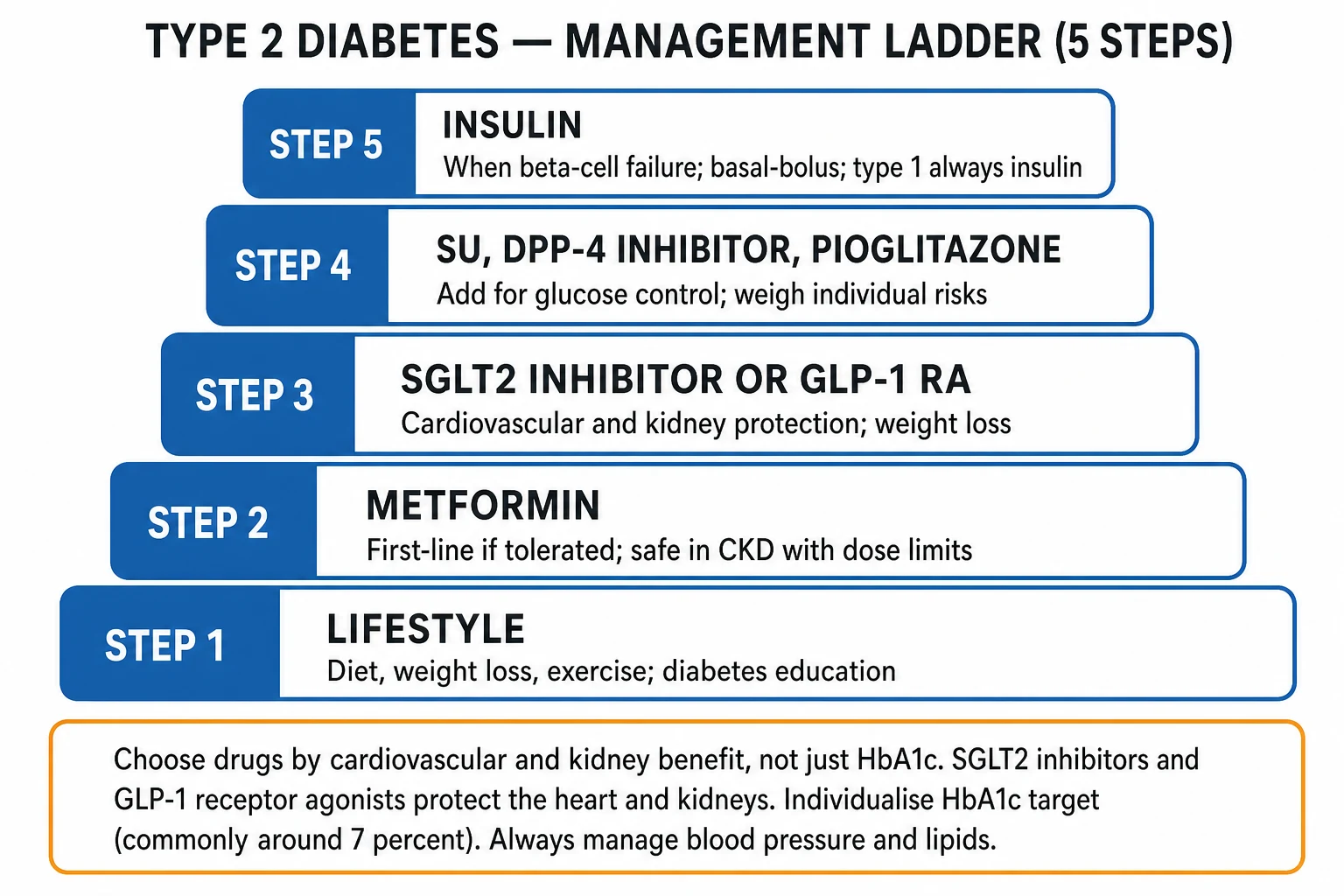
The 2019 ESC/EASD Guidelines on Diabetes, Pre-Diabetes and Cardiovascular Diseases are the modern standard for choosing second-line agents in T2DM. The hierarchy is by comorbidity, not by glucose-lowering potency:[3][4]
Step 1 — Lifestyle plus metformin, irrespective of comorbidity. Lifestyle is universal, metformin remains the backbone (cheap, no hypoglycaemia, weight neutral, possible cardiovascular benefit, UKPDS 34 evidence).[8]
Step 2 — Add a second agent in any of these circumstances (the comorbidity-driven rule): [1]
- Established atherosclerotic cardiovascular disease (ASCVD) — GLP-1 RA (liraglutide, semaglutide, dulaglutide) OR SGLT2 inhibitor (empagliflozin, canagliflozin) first. EMPA-REG showed empagliflozin reduced CV death, all-cause death and HF hospitalisation in T2DM with CVD; LEADER, REWIND, SUSTAIN-6 showed GLP-1 RA benefit on MACE.[3][7]
- Heart failure (HF) — SGLT2 inhibitor first (empagliflozin, dapagliflozin); both reduced CV death and HF hospitalisation in HF with reduced EF even without diabetes.
- Chronic kidney disease (CKD) — SGLT2 inhibitor (empagliflozin, canagliflozin, dapagliflozin) first; plus GLP-1 RA (liraglutide, dulaglutide). ACE-inhibitor / ARB background is mandatory.
- Obesity — GLP-1 RA first (weight loss 3 to 7 percent, more with semaglutide) or dual GLP-1 / GIP agonist tirzepatide; combine with intensive lifestyle and consider bariatric surgery for BMI over 35 / 30 South Asian.
- No comorbidity, no obesity — DPP-4 inhibitor (cheap, oral, weight neutral) or sulfonylurea (cheap but hypoglycaemia and weight gain) as patient preference and tolerability dictate.
Step 3 — Triple therapy or insulin. Triple oral (metformin + sulfonylurea + DPP-4i or SGLT2i or pioglitazone) or add GLP-1 RA if not already; add basal insulin (glargine 0.2 units/kg) if HbA1c above target after triple oral. [1]
Step 4 — Basal-bolus or premixed insulin. Plus bariatric surgery assessment for BMI over 35 / 30. [1]
Step 5 — Diabetes technologies. Continuous glucose monitoring (CGM), flash glucose monitoring, insulin pump, hybrid closed-loop systems in selected T1DM; automated insulin delivery systems.[3][4]
Diabetes management — key numbers
Subtypes / Scenarios
Diabetes behaves differently across the life course, by sex, in pregnancy and in pre-existing comorbidity. The examiner will probe the subtype-specific answers rather than the generic management. [1]
Type 1 DM — children, adolescents, adults. The combination of absolute insulin deficiency and the DCCT/EDIC trial establishes intensive glycaemic management as the standard of care: HbA1c below 7 percent (ideally 6.5 to 7 percent) reduces microvascular complications by 50 to 70 percent and cardiovascular complications (after 30 years of follow-up) by 30 to 50 percent (Nathan 2005 NEJM).[5][6] CGM and insulin pumps are the modern standard — hybrid closed-loop systems deliver automated basal insulin with meal bolus announcements. Sick-day rules must be taught to school staff, family and patient.
Type 2 DM — adult onset, increasingly adolescent onset. The UKPDS 33 and UKPDS 34 demonstrated that tight glycaemia with metformin (overweight patients) reduces long-term complications; the 2019 ESC/EASD algorithm is comorbidity-driven for add-on therapy. The importance of weight loss is now central — bariatric surgery produces remission in roughly 80 percent of T2DM at 2 years and roughly 50 percent at 10 years.[3][8]
Gestational DM — pregnancy. Screen with 75 g OGTT at 24 to 28 weeks (IADPSG criteria). First-line diet and exercise; metformin or insulin (NPH or basal-bolus) if targets not met (fasting under 5.3, 1-hour post-prandial under 7.8, 2-hour under 6.7 mmol/L). Foetal monitoring — ultrasound growth at 28 and 36 weeks. Postpartum re-screen at 6 to 12 weeks with 75 g OGTT, then every 3 years. Pre-conception counselling for established T1DM/T2DM women — folic acid 5 mg, optimal HbA1c under 6.5 percent, switch from statin to alternative, stop ACE/ARB, with aspirin 75 to 162 mg from 12 weeks (pre-eclampsia prevention in high-risk).[1]
MODY / monogenic diabetes. GCK-MODY (most common, mild fasting hyperglycaemia, no complications, no treatment required). HNF1A-MODY (MODY 3) — sensitive to low-dose sulfonylurea (gliclazide 40 mg OD, titrate up). HNF4A-MODY (MODY 1), HNF1B-MODY (MODY 5) (renal cysts and diabetes — RCAD). Neonatal diabetes (under 6 months) — KCNJ11 or ABCC8 mutations respond to high-dose sulfonylurea rather than insulin.[1]
LADA. Adult-onset autoimmune diabetes; often mislabelled as T2DM. Anti-GAD positive, C-peptide detectable but falling. Insulin is often required within 6 months to 6 years. Early insulin may preserve beta-cell function. [1]
Secondary diabetes — identify and treat the cause. Steroid-induced — most cases managed by adjusting the steroid schedule and adding metformin or insulin; SGLT2 inhibitors or GLP-1 RA are sensible add-ons for the patient who must continue steroids. Cushing, acromegaly, phaeochromocytoma — treat the endocrine cause. Chronic pancreatitis — insulin-requiring; pancreatic enzyme replacement therapy improves absorption and stabilises glycaemia; careful titration because of concurrent malabsorption and risk of hypoglycaemia.[1][3]
Perioperative management. Type 1 patients — never stop basal insulin; use variable-rate IV insulin infusion (VRIII) with 5 percent or 10 percent dextrose for major surgery (the "VRIII / GKI" regimen); place first on the morning list; monitor capillary glucose every 1 to 2 hours. Type 2 patients on metformin — omit on the day of surgery (lactic acidosis risk if renal function deteriorates); resume when eating normally; continue sulfonylurea only if able to eat. Patients on insulin — convert to VRIII if prolonged fasting or major surgery.[1][3]
Elderly patients. Looser HbA1c target 7.5 to 8.5 percent. Avoid sulfonylureas (hypoglycaemia) and aggressive insulin titration. SGLT2i — beware dehydration and falls; GLP-1 RA — GI side effects may worsen frailty. Emphasise sick-day rules and driving regulations (DVLA / equivalent in the UK; renewal requirements).[3]
Paediatrics and adolescents. T1DM most common; T2DM rising with obesity. School carb-counting and insulin pumps standard. Transition from paediatric to adult services around 18 years — coordinated multidisciplinary handover; cover driving, alcohol, sick-day rules, contraception and pregnancy, and the risk of diabetic ketoacidosis during intercurrent illness.[1][5]
Complications
Complications of diabetes are microvascular, macrovascular and the acute metabolic emergencies. [1]
Microvascular complications — driven by chronic hyperglycaemia, improved by tight control (DCCT for T1DM, UKPDS for T2DM).[5][6][8]
Retinopathy
- Strongest single risk factor for microvascular disease; tight glycaemia (DCCT) reduces progression by 50 to 75 percent
- Screening: annual two-field 45-degree mydriatic retinal photography for all patients from diagnosis (T2DM) or after 5 years (T1DM)
- Non-proliferative — microaneurysms, dot-blot haemorrhages, hard exudates, cotton-wool spots; refer if severe NPDR, hard exudates near the macula, unexplained vision loss
- Proliferative — neovascularisation, vitreous haemorrhage, tractional retinal detachment; panretinal photocoagulation, anti-VEGF (ranibizumab, aflibercept) for macular oedema
- Pregnancy accelerates retinopathy — review monthly
Nephropathy
- Microalbuminuria (UACR 3 to 30 mg/mmol) is the earliest marker; proteinuria (over 30) advances to CKD and ESRD
- Risk factors: hyperglycaemia, hypertension, dyslipidaemia, family history, smoking, albuminuria, high HbA1c
- Screening: UACR and eGFR at diagnosis (T2DM), then annually; more often if UACR is raised
- Renoprotection: tight glycaemia, BP below 130/80, ACE-inhibitor (ramipril 5 to 10 mg) or ARB (losartan 50 to 100 mg) — preferred when UACR over 3 mg/mmol; SGLT2i (empagliflozin, canagliflozin) and GLP-1 RA (liraglutide, dulaglutide) on top
- Refer to nephrology when eGFR under 30, UACR over 30 mg/mmol, rapid progression, or suspicion of non-diabetic cause
Neuropathy
- Peripheral sensory — glove-and-stocking loss, numbness, burning, allodynia; assess with 10 g monofilament, 128 Hz tuning fork, ankle reflexes
- Autonomic — postural hypotension, gastroparesis, erectile dysfunction, bladder dysfunction, cardiac denervation (resting tachycardia, loss of heart-rate variability)
- Mononeuropathies — cranial nerve palsy (CN III, VI, VII), carpal tunnel, ulnar
- Painful diabetic neuropathy — duloxetine 60 mg daily, pregabalin 75 to 300 mg daily, gabapentin 300 mg to 1.2 g daily, or tricyclic antidepressants
- Foot ulceration and Charcot foot — see 'Special Populations'
Macrovascular complications. Diabetes roughly doubles to quadruples the lifetime risk of cardiovascular disease and is the leading cause of death in T2DM (about 50 percent of mortality).[3][4]
- Coronary artery disease — often silent (autonomic neuropathy blunts pain); high-sensitivity troponin and ECG on admission rather than relying on history. Aspirin 75 mg daily in secondary prevention; statin in any T2DM over 40 or with CVD; ACE-inhibitor (ramipril) lowers cardiovascular mortality in high-risk T2DM (HOPE).
- Cerebrovascular disease — stroke risk roughly doubled; atrial fibrillation more common; CHA2DS2-VASc scores with diabetes as one point (two points in some guidelines); anticoagulation once CHA2DS2-VASc reaches thresholds.
- Peripheral arterial disease — leg pain on walking, absent pulses; measure ABPI (under 0.9 PAD; over 1.3 calcified non-compressible). Intensive risk-factor control; cilostazol for claudication; supervised exercise; revascularisation for critical limb ischaemia.
- Heart failure — diabetes is a risk factor for incident heart failure; SGLT2 inhibitors reduce incident HF in T2DM and are now HFrEF and HFpEF treatments regardless of diabetes (EMPEROR, DAPA-HF, DELIVER). [1]
Acute metabolic complications: [1]
- DKA — discussed under Resuscitation; principal in T1DM, increasingly recognised on a background of SGLT2i (euglycaemic DKA) and in T2DM under stress.
- HHS — older T2DM; high osmolality, deep dehydration, minimal ketosis.
- Hypoglycaemia — discussed under Resuscitation; T1DM at greatest absolute risk (severe event rate about 0.6 per patient-year in the DCCT intensive arm; lower with modern analogues and CGM); insulin and sulfonylurea use; Addison and factitious contributors must be considered in unexplained episodes. [1]
Foot complications and Charcot neuroarthropathy: [1]
- Diabetic foot ulcer — combination of neuropathy, trauma, foot deformity, microvascular disease and infection. The Wagner and SINBAD systems grade depth, infection and ischaemia. Multidisciplinary approach — wound care, offloading (total contact cast), IV antibiotics for infection, revascularisation for PAD, surgical debridement. Avoid amputation where possible.
- Charcot foot — acute, hot, swollen, deformed (often rocker-bottom midfoot); mainstay is offloading with total contact cast; surgery in selected chronic cases; bisphosphonates controversial. [1]
Other complications: [1]
- Diabetic autonomic neuropathy — gastroparesis (small frequent meals, metoclopramide 10 mg TDS, domperidone 10 mg TDS); erectile dysfunction (PDE-5 inhibitor); bladder dysfunction (intermittent self-catheterisation); orthostatic hypotension (midodrine).
- Skin and soft tissue — necrobiosis lipoidica, diabetic dermopathy ("shin spots"), bullosis diabeticorum, insulin lipohypertrophy.
- Dental and periodontal — bidirectional with glycaemia; annual dental review.
- Bone — increased fracture risk in T1DM and long-standing T2DM (FRAX adjustment); bisphosphonate if osteoporotic.
- Cognitive — vascular dementia and Alzheimer's risk.
- Cancer — modestly increased risk of pancreatic, hepatocellular, colorectal, breast and bladder cancer.
- Limited joint mobility — cheiroarthropathy; "prayer sign". [1]
Prognosis & Disposition
Diabetes prognosis is driven by duration, glycaemic burden, blood pressure, lipids, smoking, and established complications (especially CKD, CVD, HF, retinopathy, neuropathy). Cardiovascular disease remains the leading cause of death. Modern agents (SGLT2 inhibitors, GLP-1 receptor agonists) improve cardiorenal outcomes independent of glucose lowering alone — a core NEET-PG teaching shift from older "glucose-only" paradigms.[1]
Diagnostic thresholds (reproduce exactly)
Diabetes mellitus if any of:
- Fasting plasma glucose ≥126 mg/dL (7.0 mmol/L) (fast ≥8 h), or
- 2-hour plasma glucose ≥200 mg/dL (11.1 mmol/L) during 75 g OGTT, or
- HbA1c ≥6.5% (48 mmol/mol), or
- Random plasma glucose ≥200 mg/dL (11.1 mmol/L) with classic symptoms of hyperglycaemia [1]
Prediabetes: IFG fasting 100–125 mg/dL (5.6–6.9 mmol/L) [ADA; WHO IFG often 110–125], IGT 2-h OGTT 140–199 mg/dL (7.8–11.0 mmol/L), HbA1c 5.7–6.4% (39–47 mmol/mol) ADA range. [1]
Confirm asymptomatic laboratory diagnoses with a repeat test unless unequivocal hyperglycaemia with symptoms. [1]
Glycaemic targets (typical adults — individualise)
- HbA1c <7% (53 mmol/mol) for many non-pregnant adults
- Tighter (e.g. <6.5%) if low hypoglycaemia risk and long life expectancy
- Looser (e.g. <8%) if frailty, limited life expectancy, or severe hypoglycaemia history
- In-hospital non-ICU often target pre-meal <140 mg/dL and random <180 mg/dL with avoidance of hypo [1]
Disposition and referral triggers
- New Type 1 / ketosis-prone / clear insulin deficiency → urgent specialist start of insulin education
- Pregnancy → combined diabetes antenatal clinic
- eGFR decline / albuminuria → ACE-I/ARB, SGLT2i, nephrology if rapid progression
- Foot ulcer / infection → multidisciplinary foot service same week if severe
- Painful neuropathy, proliferative retinopathy, acute CHD/HF → pathway referrals
Special Populations
Type 1 diabetes
Absolute insulin deficiency; lifelong insulin (MDI or pump). Sick-day rules, ketone testing, DKA prevention education. Screen associated autoimmunity (thyroid, coeliac). Carbohydrate counting and hypoglycaemia recognition are survival skills.
Pregnancy (pre-existing and GDM)
- Targets tighter; avoid oral agents not approved in pregnancy (region-specific — insulin is gold standard for pre-existing DM).
- Screen GDM with OGTT per IADPSG/NICE/DIPSI regional protocols (India often uses DIPSI single-step 75 g non-fasting in many public protocols — know both).
- Postpartum OGTT for GDM mothers; high future T2DM risk. [1]
Elderly / frail
Prioritise hypoglycaemia avoidance over aggressive HbA1c. Prefer low-hypo agents (DPP-4, carefully selected SGLT2/GLP-1 if benefit clear); simplify insulin regimens (basal plus correction rather than complex basal-bolus if cognition limited).
CKD
Metformin: dose-adjust and typically avoid if eGFR <30 mL/min. SGLT2i preferred for kidney and HF benefit when eGFR allows initiation. GLP-1 RAs for CV benefit and when SGLT2i not suitable. Avoid repeated nephrotoxins; ACE-I/ARB for albuminuria. [1]
Heart failure and ASCVD
Prefer SGLT2 inhibitors (HF and CKD benefit) and GLP-1 receptor agonists with proven MACE reduction in ASCVD. Avoid saxagliptin if HF concern; avoid TZDs in HF.
Infection and surgery
Stress hyperglycaemia worsens outcomes. Hold SGLT2i perioperatively / acute illness (euglycaemic DKA risk). Provide basal insulin for insulin-deficient patients even when fasting (with glucose monitoring). Restart oral agents when eating and stable.
Steroid-induced hyperglycaemia
Often post-prandial predominant. Monitor; use temporary sulfonylurea or insulin protocols; plan taper as steroids taper.
Evidence & Guidelines
The landmark trials that frame current practice:[5][6][7][8]
- DCCT (NEJM 1993, PMID 8366922) — intensive insulin therapy in T1DM reduced microvascular complications by 50 to 75 percent over 6.5 years.
- DCCT/EDIC follow-up — Nathan (NEJM 2005, PMID 16371630) — early intensive glycaemic control conferred cardiovascular protection years later ("metabolic memory").
- UKPDS 33 and 34 (Lancet 1998, PMID 9742977) — intensive glycaemic control with sulfonylurea / insulin (33) and metformin in overweight T2DM (34) reduced long-term complications.
- EMPA-REG OUTCOME (Zinman NEJM 2015, PMID 26378978) — empagliflozin reduced CV mortality by 38 percent, all-cause mortality by 32 percent, and HF hospitalisation by 35 percent in T2DM with CVD.
- ADA Standards of Medical Care 2019 (Section 2 Classification and Diagnosis, Section 6 Glycemic Targets) — diagnostic thresholds, HbA1c targets (under 7 percent general, individualised).
- 2019 ESC/EASD Guidelines on Diabetes, Pre-Diabetes and Cardiovascular Diseases (Cosentino, Grant EHJ 2020, PMID 31497854) — the comorbidity-driven algorithm for second-line agents.
- Modern cardiovascular outcome trials — LEADER (liraglutide), REWIND (dulaglutide), SUSTAIN-6 (semaglutide) — GLP-1 RA benefit on MACE in T2DM with ASCVD.
- Cardiorenal trials — CREDENCE (canagliflozin), DAPA-CKD (dapagliflozin), EMPA-KIDNEY (empagliflozin) — renal benefit.
- Heart failure trials — DAPA-HF, EMPEROR-Reduced and EMPEROR-Preserved — SGLT2i benefit on HF hospitalisation regardless of diabetes status.
- Cardiovascular outcome trials in T1DM — DCCT/EDIC stands as the cornerstone. [1]
High-Yield Drug Dose Table for Exams
| Drug class | Exam exemplar dosing | Major benefit / pitfall |
|---|---|---|
| Metformin | Start 500 mg OD–BD with meals → up-titrate to 1 g BD (max ~2 g/day) | First-line T2DM if tolerated; GI SE; B12 long-term; lactic acidosis rare — hold in AKI/hypoxia/contrast protocols per local rule |
| SGLT2i | Dapagliflozin 10 mg OD; empagliflozin 10–25 mg OD | HF/CKD/CV benefit; genital infection; euglycaemic DKA; hold sick days |
| GLP-1 RA | Semaglutide / liraglutide / dulaglutide per product titration | Weight loss + MACE benefit (agent-specific); GI SE; avoid in MEN2/MTC history |
| DPP-4i | Sitagliptin 100 mg OD (adjust in CKD) | Weight neutral; modest HbA1c drop |
| Sulfonylurea | Gliclazide MR 30–120 mg OD | Hypoglycaemia & weight gain — caution elderly |
| Basal insulin | Glargine/degludec start often 10 U or 0.1–0.2 U/kg then titrate | Never stop suddenly in T1DM |
| Prandial insulin | Rapid analogues with meals; correction scales inpatient | Match carbs; hypo risk |
| ACE-I for albuminuria | e.g. ramipril titrate as BP allows | Renal protection with urine ACR raised |
| High-intensity statin | Atorvastatin 40–80 mg if ASCVD risk high | Primary/secondary prevention thresholds by guideline |
Worked stem — new T2DM with HF
A 58-year-old with HbA1c 8.2%, BMI 34, prior HFrEF admission, eGFR 55. Beyond metformin (if eGFR allows), prioritise SGLT2 inhibitor for dual HF and glycaemic benefit; consider GLP-1 RA for weight and ASCVD risk; avoid TZD; educate sick-day rules.
ICMR / RSSDI Regional Notes & Controversies
ICMR / RSSDI regional notes (India exam lens)
- Earlier diabetes onset and higher CVD risk in South Asians — screen earlier in high-risk adults.
- DIPSI one-step 75 g non-fasting OGTT is widely used for GDM screening in India; international centres may use IADPSG fasting two-step approaches — know both for exams.
- Cost-sensitive algorithms still start with metformin + lifestyle; prioritise SGLT2i/GLP-1 when ASCVD/HF/CKD dominate if affordable/available.
- Public-health focus: obesity transition, urban diets, need for foot-care pathways and retinopathy screening camps. [1]
Controversies worth one-liners
- How low to push HbA1c in elderly (hypoglycaemia harm)
- Early combination vs stepwise addition
- Insulin first vs injectables (GLP-1) for high HbA1c without catabolism
- CGM access expanding beyond type 1
Worked NEET-PG Stems — Diabetes Mellitus
- FPG 130 and 134, asymptomatic → diabetes after confirmatory testing.
- T2DM + HFrEF → SGLT2 inhibitor cornerstone.
- Albuminuria → ACE-I/ARB + SGLT2i + glycaemic/BP control.
- GDM screening India → DIPSI often used; know IADPSG too.
- Elderly HbA1c 6.2 on SU with hypos → de-intensify; avoid hypo.
- Sick day on SGLT2i → hold drug; hydrate; watch euglycaemic DKA. [1]
Exam Pearls
- Diagnostic thresholds (ADA 2019 / ESC 2019): HbA1c over 6.5 percent, fasting over 7.0 mmol/L, 2-hour 75 g OGTT over 11.1 mmol/L, or random glucose over 11.1 mmol/L with symptoms.
- Type 1 vs type 2: thin, young, ketosis-prone, autoimmune, insulin-dependent = T1DM; overweight, insulin-resistant, family history = T2DM. LADA mixes features; MODY is autosomal dominant, lean, young, antibody negative.
- First-line T2DM: lifestyle + metformin 500 to 1000 mg BD, max 2 g/day; back-titrate for renal failure.
- Cardiovascular protection: SGLT2i for HF / CKD; GLP-1 RA for ASCVD / weight loss; on top of metformin.
- Tight glycaemia in T1DM (DCCT/EDIC) reduces long-term complications — intensive treatment halves the risk of microvascular disease; metabolic memory persists into the second decade.
- Metformin in overweight T2DM (UKPDS 34) reduces MI and mortality — unique result.
- HbA1c target: generally below 7 percent (53 mmol/mol); below 6.5 percent for young T1DM and pregnancy; 7.5 to 8.5 percent for elderly / frail.
- Sick-day rules: never stop insulin, monitor ketones, seek help early.
- Annual review: HbA1c, BP, lipids, UACR, eGFR, retinal screening, foot exam, weight, smoking.
- Foot risk stratification: neuropathy + ischaemia + deformity + prior ulcer → high risk.
- Pregnancy: pre-conception HbA1c under 6.5 percent, folic acid 5 mg, stop ACE/ARB, aspirin from 12 weeks.
- SGLT2i + euglycaemic DKA: stop during illness, fasting, surgery.
- Driving regulations (DVLA / equivalent): T1DM must check glucose before driving, hold a Group 1 / 2 licence with criteria; insulin-treated patients in the UK require three months of stable glycaemia and unawareness testing. [1]
Red Flags
- DKA — polyuria, vomiting, Kussmaul breathing, abdominal pain, ketones over 3 mmol/L with pH under 7.3. Bundle: fluids first, fixed-rate insulin 0.1 units/kg/hour, replace potassium, find and treat the precipitant.
- HHS — glucose over 33 mmol/L, osmolality over 320, minimal ketones in older T2DM with infection or MI; large-volume saline, low-dose insulin 0.05 units/kg/hour, prophylactic LMWH.
- Severe hypoglycaemia — unconscious, fitting, or unsafe swallow; IV 50 mL of 50 percent dextrose or IM glucagon 1 mg; identify the precipitant.
- Euglycaemic DKA — patient on SGLT2i, pregnancy, partial treatment, alcohol; check ketones in any unwell patient on an SGLT2i.
- Hyperglycaemic hyperosmolar state — already discussed.
- Sudden monocular visual loss — proliferative retinopathy with vitreous haemorrhage — urgent ophthalmology.
- Sudden foot pain, swelling, redness, no fever, neuropathy history — Charcot foot — offload in a total contact cast; do not mistake for infection.
- Painful ulcer with cellulitis, crepitus, foul discharge, systemic sepsis — diabetic foot infection — urgent imaging, IV antibiotics, surgical review, amputation.
- Acute coronary syndrome / stroke — silent MI common in diabetics — high-sensitivity troponin and ECG in any chest pain or dyspnoea.
- New macroproteinuria or rapidly falling eGFR — refer to nephrology; consider non-diabetic disease and SGLT2i / ACE-inhibitor.
- Pregnancy with HbA1c over 6.5 percent at conception — pre-conception counselling and tight control; neonatal hypoglycaemia monitoring after delivery.
- Missed insulin doses — high risk of DKA; do not skip basal insulin during illness. [1]
Exam application bank (NEET-PG / INICET)
One-line answer
Diabetes mellitus is a group of chronic metabolic disorders unified by sustained hyperglycaemia arising from absolute insulin deficiency (T1DM), insulin resistance plus progressive beta-cell failure (T2DM), gestation (GDM), specific monogenic and secondary forms (MODY, LADA, drug-induced, pancreatic). Diagnostic thresholds (ADA 2019): HbA1c over 6.5 percent (48 mmol/mol), fasting plasma glucose over 7.0 mmol/L (126 mg/dL), or 2-hour 75 g OGTT plasma glucose over 11.1 mmol/L (200 mg/dL), or a random plasma glucose over 11.1 mmol/L in a symptomatic patient. Management is cause-specific: lifestyle and metformin remain the T2DM foundation (UKPDS-34 metformin), with SGLT2 inhibitors and GLP-1 receptor agonists added for cardiovascular and renal protection (EMPA-REG, 2019 ESC/EASD), and multiple daily injections of insulin for T1DM (DCCT/EDIC). Targets HbA1c generally under 7 percent (53 mmol/ [1]
Worked stems (answer without another resource)
Stem 1 — Classic presentation. Map symptoms to mechanism; name the first investigation and first treatment step with dose/route if drug therapy is standard. [1]
Stem 2 — Unstable / complicated. List red flags that force immediate resuscitation, theatre, ICU, antidote, or reperfusion — and what you do in the first 15 minutes. [1]
Stem 3 — Atypical group. Elderly, pregnancy, child, or immunocompromised: how presentation and thresholds change. [1]
Stem 4 — Differential trap. Name the three closest mimics and one discriminator for each. [1]
Stem 5 — Disposition. Who goes home with safety-netting, who is admitted, who needs HDU/ICU/theatre, and what follow-up is mandatory. [1]
Rapid viva checklist
- Definition + classification
- Pathophysiology chain
- Bedside signs / criteria
- Score with exact components (if any)
- Emergency bundle
- Definitive therapy with doses
- Complications of disease and of treatment
- Special populations
- Guideline/trial name if classic
- Three exam traps
Coverage self-check
If you cannot answer any stem above from this page alone, re-read the matching section — the page is intended to be self-sufficient for final-prof and NEET-PG/INICET questions on Diabetes Mellitus.
References
- [1]American Diabetes Association. 2. Classification and Diagnosis of Diabetes: Standards of Medical Care in Diabetes-2019 Diabetes Care, 2019.PMID 30559228
- [2]American Diabetes Association. 6. Glycemic Targets: Standards of Medical Care in Diabetes-2019 Diabetes Care, 2019.PMID 30559232
- [3]Cosentino F, Grant PJ, Aboyans V, et al. 2019 ESC Guidelines on diabetes, pre-diabetes, and cardiovascular diseases developed in collaboration with the EASD Eur Heart J, 2020.PMID 31497854
- [4]Grant PJ, Cosentino F, Aboyans V, et al. The 2019 ESC Guidelines on diabetes, pre-diabetes, and cardiovascular diseases developed in collaboration with the EASD: New features and the ‘Ten Commandments’ of the 2019 Guidelines are discussed by Professor Peter J. Grant and Professor Francesco Cosentino, the Task Force chairmen Eur Heart J, 2019.PMID 31608951
- [5]Nathan DM, Cleary PA, Backlund JY, et al. (DCCT/EDIC Research Group). Intensive diabetes treatment and cardiovascular disease in patients with type 1 diabetes N Engl J Med, 2005.PMID 16371630
- [6]Diabetes Control and Complications Trial Research Group. The effect of intensive treatment of diabetes on the development and progression of long-term complications in insulin-dependent diabetes mellitus N Engl J Med, 1993.PMID 8366922
- [7]Zinman B, Wanner C, Lachin JM, et al. (EMPA-REG OUTCOME Investigators). Empagliflozin, Cardiovascular Outcomes, and Mortality in Type 2 Diabetes N Engl J Med, 2015.PMID 26378978
- [8]UK Prospective Diabetes Study (UKPDS) Group. Effect of intensive blood-glucose control with metformin on complications in overweight patients with type 2 diabetes (UKPDS 34). UK Prospective Diabetes Study (UKPDS) Group Lancet, 1998.PMID 9742977