Gastroenterology · gastroenterology
Irritable Bowel Syndrome
Also known as IBS · Spastic colon · Irritable colon · Functional bowel disorder · Nervous stomach
Irritable Bowel Syndrome (IBS) is a Disorder of Gut-Brain Interaction (DGBI) defined by the Rome IV criteria as recurrent abdominal pain at least one day per week in the last three months, associated with two or more of: (1) relation to defaecation, (2) associated change in stool frequency, (3) associated change in stool form (appearance) — in the absence of alarm features or structural disease. Prevalence is 10 to 15 percent of adults worldwide, with a female-to-male ratio of about 2:1 and peak onset before age 50. The four Rome IV subtypes are IBS-C (constipation), IBS-D (diarrhoea), IBS-M (mixed) and IBS-U (unclassified); severity is graded mild, moderate or severe by impact on daily activities. Post-infectious IBS (PI-IBS) develops in up to one in ten patients after acute bacterial or viral gastroenteritis. Pathophysiology is multifactorial: visceral hypersensitivity, abnormal motility, brain-gut axis dysregulation, intestinal dysbiosis, increased intestinal permeability, low-grade mucosal immune activation, and post-infectious, genetic and psychosocial contributors. First-line management is reassurance, lifestyle, the low-FODMAP diet delivered by a dietitian, and antispasmodics (mebeverine 135 mg TDS, hyoscine, peppermint oil 0.2 to 0.4 mL TDS); subtype-directed therapy follows (osmotic laxatives and linaclotide 290 mcg daily for IBS-C; loperamide 2 to 4 mg PRN to a maximum of 16 mg per day, rifaximin 550 mg TDS for 14 days, and eluxadoline for IBS-D); low-dose neuromodulators (amitriptyline 10 to 30 mg nocte) are added for pain-predominant or refractory disease. Investigations are limited and targeted — full blood count, C-reactive protein, coeliac serology, thyroid function, faecal occult blood and, in selected cases, colonoscopy, faecal calprotectin and stool studies — driven by alarm features (weight loss, gastrointestinal bleeding, anaemia, nocturnal symptoms, age over 50 with new symptoms, family history of colorectal cancer or inflammatory bowel disease).
On this page & tools
Your progress
Saved locally on this device.
Exam tags
Red flags

Overview & Definition
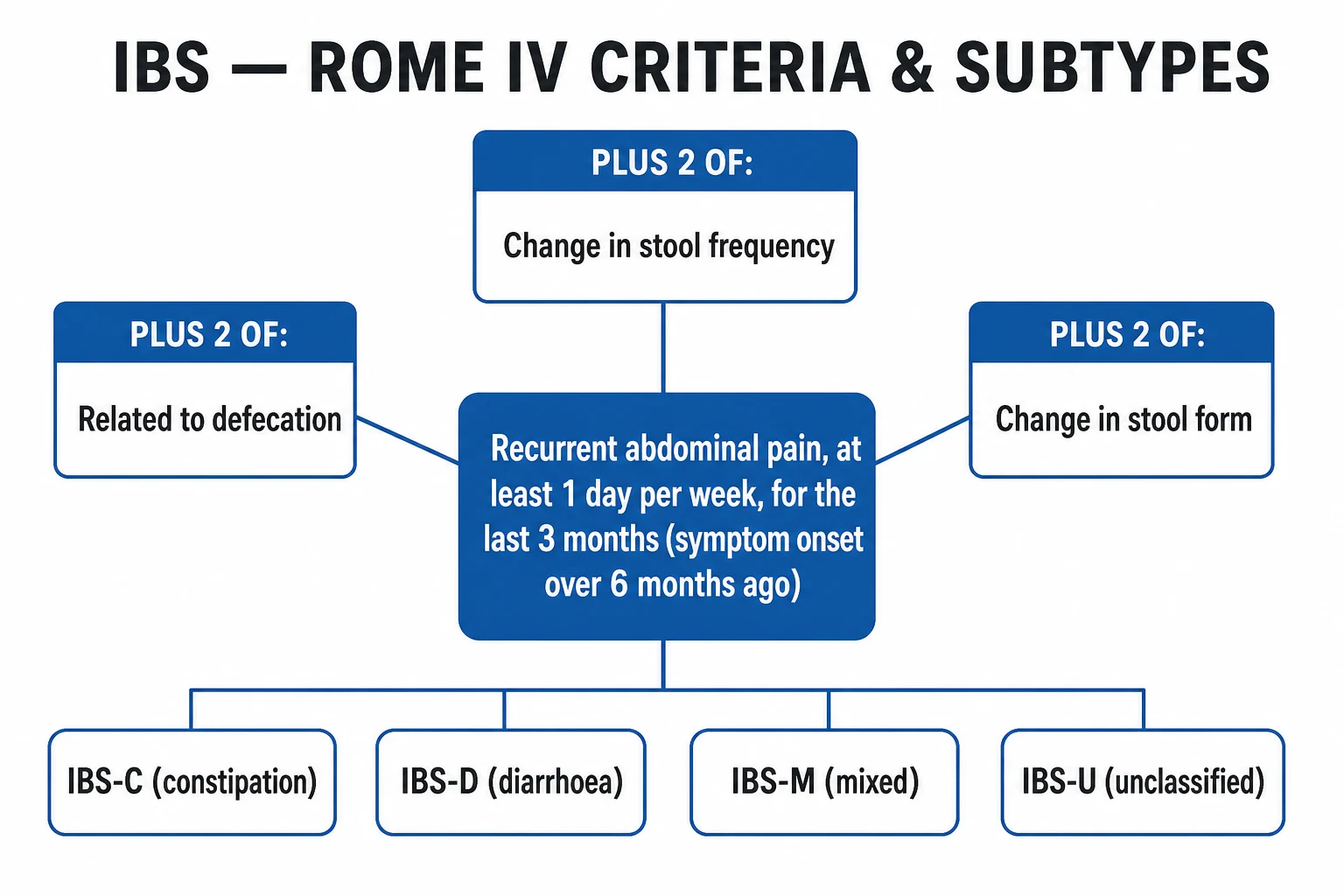
Irritable Bowel Syndrome (IBS) is a chronic, relapsing Disorder of Gut-Brain Interaction (DGBI) defined by the Rome IV criteria (2016) as recurrent abdominal pain occurring on average at least one day per week during the preceding three months, with symptom onset at least six months before diagnosis, and two or more of the following associations: pain is related to defaecation, pain is associated with a change in stool frequency, pain is associated with a change in stool form (appearance).[2]
IBS is a positive, symptom-based diagnosis — not a diagnosis of exclusion. Rome IV explicitly rejected the older rule-out pattern. A symptom-based diagnosis is appropriate once alarm features are absent and a limited, targeted work-up has not raised suspicion of structural disease.[1]
The disorder sits within the broader DGBI family — alongside functional dyspepsia, functional constipation, functional diarrhoea, globus, and centrally mediated abdominal pain syndrome — and shares with them the pathophysiological triad of visceral hypersensitivity, dysmotility and brain-gut axis dysregulation. [1]
The illness experience is shaped by abdominal pain, altered bowel habit (constipation, diarrhoea, mixed or alternating), bloating and distension, and a profound reduction in quality of life — comparable in disability to rheumatoid arthritis or major depression. Importantly, IBS does not carry an excess mortality risk, does not progress to inflammatory bowel disease, and does not shorten the lifespan — but it does limit work productivity, social functioning, sleep and mental health.[7]
Classification
IBS is classified along three orthogonal axes: subtype (by predominant stool form, using the Bristol Stool Form Scale), severity (mild, moderate, severe), and clinical scenario (post-infectious, refractory, overlap with other DGBI).[2]
By predominant bowel habit (Bristol)
- IBS-C (constipation) — Bristol 1 or 2 for at least 25 percent and Bristol 6 or 7 less than 25 percent of stools
- IBS-D (diarrhoea) — Bristol 6 or 7 for at least 25 percent and Bristol 1 or 2 less than 25 percent of stools
- IBS-M (mixed) — Bristol 1 or 2 for at least 25 percent AND Bristol 6 or 7 for at least 25 percent of stools
- IBS-U (unclassified) — meets Rome IV criteria but no subtype reaches the 25 percent threshold
- Subtype is a moving target — up to 75 percent of patients change subtype over a year, so reclassify at follow-up
By severity (clinical impact)
- Mild — symptoms come and go, normal daily activities, no significant psychological comorbidity
- Moderate — symptoms intrusive, intermittent disruption of activities, anxiety or low mood common
- Severe — symptoms dominate daily life, frequent work absence, often refractory to standard therapy, marked psychological comorbidity
- Severity predicts healthcare-seeking and response to treatment
By clinical pattern
- Post-infectious IBS (PI-IBS) — new symptoms after acute gastroenteritis (Campylobacter, Shigella, E. coli, Salmonella, norovirus, Giardia)
- Overlap with functional dyspepsia — up to 50 percent of IBS patients also meet Rome IV criteria for functional dyspepsia
- Refractory / severe IBS — failed first- and second-line therapy; needs multimodal care and neuromodulators
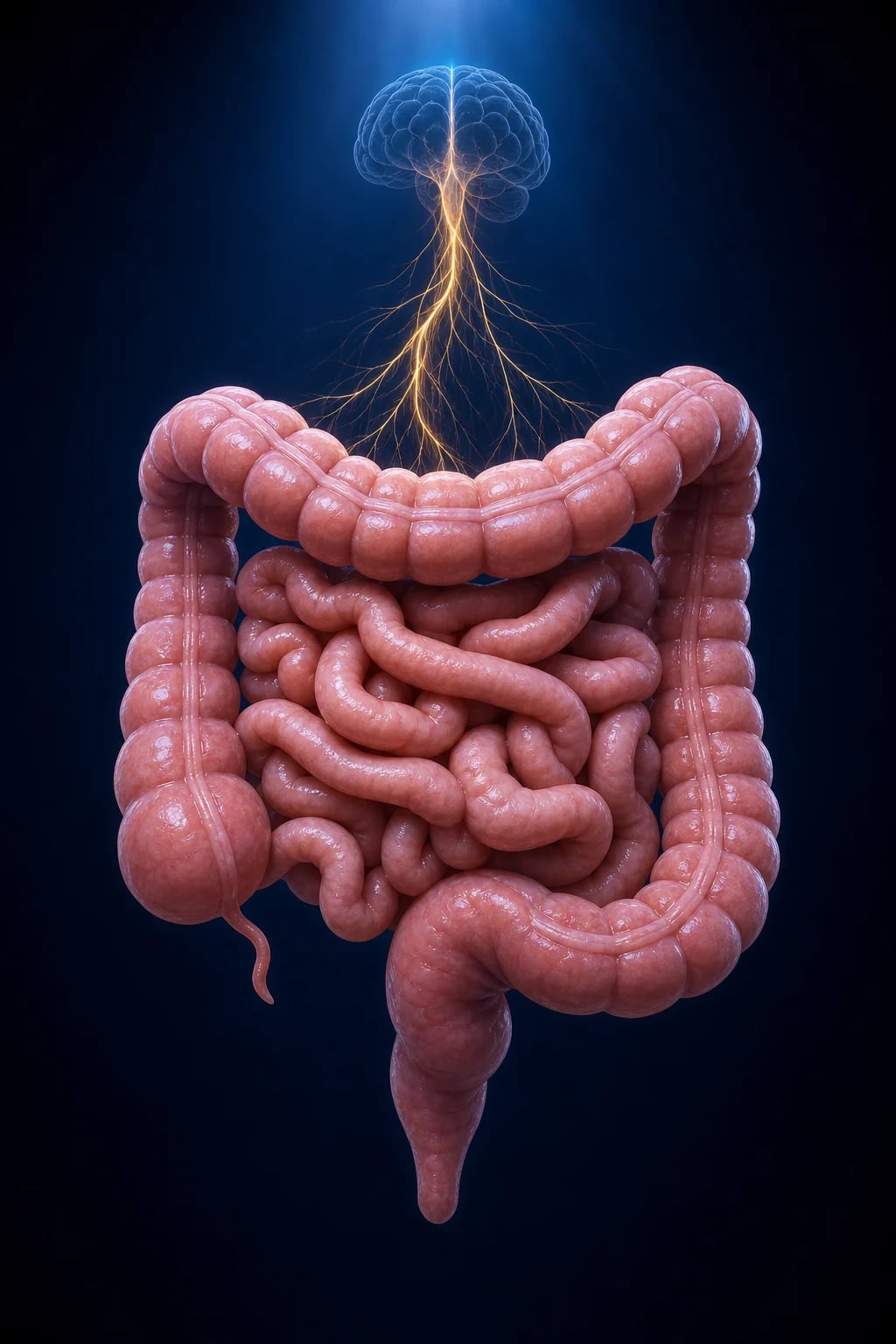
IBS — key numbers
Epidemiology & Risk Factors
Prevalence: IBS affects about 10 to 15 percent of adults worldwide — roughly 800 million people — with point prevalence in Western primary-care populations of 10 to 20 percent and community surveys around 7 to 10 percent. The disorder is consistently more common in women (female-to-male ratio about 2:1) for IBS-C and IBS-M, but more gender-balanced for IBS-D.[7]
Age: peak onset is before age 50; first presentation in older adults (>50 with new symptoms) is a flag for work-up. IBS can develop in childhood and persists across the life course; about a third of cases begin before age 35. [1]
Risk factors: [1]
- Female sex (2:1) and younger age (peak 20 to 45 years).
- Post-infectious trigger — about 1 in 10 patients develops IBS after acute bacterial (Campylobacter jejuni, Shigella, Salmonella, E. coli O157) or viral (norovirus) gastroenteritis or protozoal infection (Giardia). Severity of initial illness, female sex, younger age and pre-existing anxiety increase risk.[3]
- Chronic psychosocial stress — work, financial, family or relationship stress; early life adversity.
- History of abuse — sexual, physical or emotional abuse in childhood or adulthood is strongly associated with severe, refractory IBS (odds ratios 2 to 4).
- Anxiety and depression — coexist in 30 to 50 percent; cause, consequence and bidirectional.
- Diet — high-FODMAP intake, fatty foods, caffeine, alcohol and dairy (lactose) are commonly reported triggers.
- Family history — first-degree relatives of IBS patients have about a 2-fold risk; twin studies suggest a modest genetic contribution, with heritability estimated at 1 to 20 percent.
Course: chronic and relapsing — symptoms persist long-term in most patients, with fluctuating intensity. The illness is rarely "cured" but is manageable; effective therapy reduces severity and improves quality of life.[7]
Pathophysiology
IBS pathophysiology is multifactorial — no single mechanism explains every patient. The dominant themes are visceral hypersensitivity, dysmotility, brain-gut axis dysregulation, intestinal dysbiosis, increased intestinal permeability, low-grade mucosal immune activation, post-infectious injury, and genetic / psychosocial modulation.[1]
IBS mechanisms — mnemonic
VISPERMS
Lowered pain threshold on gut distension — the central sensory abnormality in IBS
Low-grade mast cell and T-cell infiltration of the mucosa; raised TNF-alpha, IL-6, IL-1 beta
HPA-axis activation, anxiety, depression, history of abuse drive central sensitisation
Tight-junction disruption (reduced claudin-1, increased zonulin); bacterial translocation
Accelerated transit in IBS-D, slowed in IBS-C, dyscoordinated in IBS-M
Polymorphisms in serotonin transporter, SCN5A, TRPV1, TLRs and HPA-axis genes
Reduced Bifidobacterium, Faecalibacterium; increased Firmicutes:Bacteroidetes; post-infectious shifts
Altered default-mode and salience network connectivity; impaired top-down inhibition
1. Visceral hypersensitivity — the principal sensory abnormality. IBS patients perceive gut distension at lower thresholds than healthy controls (lowered rectal or barostat pain thresholds). Hypersensitivity is partly peripheral (sensitised mucosal afferents, mast-cell and serotonergic modulation) and partly central (augmented brain-gut pain processing in the insula, anterior cingulate and somatosensory cortex).[2]
2. Dysmotility. Altered gut motor patterns contribute to symptoms: accelerated colonic transit and exaggerated post-prandial motility responses in IBS-D; delayed colonic transit and impaired rectal evacuation in IBS-C; dyscoordinated or fragmented motility in IBS-M. Small-bowel dysmotility may underlie bloating. Tachykinin and serotonin pathways (5-HT3, 5-HT4) are major drug targets. [1]
3. Brain-gut axis dysregulation. Functional MRI studies show altered connectivity in the default mode, salience and emotional-arousal networks, with impaired top-down inhibition of visceral afferents. Early-life adversity, chronic stress and psychiatric comorbidity amplify central sensitisation. [1]
4. Microbiome and dysbiosis. IBS patients show a reduced diversity of gut microbiota compared with healthy controls, with decreased Bifidobacterium and Faecalibacterium prausnitzii and increased Firmicutes-to-Bacteroidetes ratio. Dysbiosis may drive low-grade inflammation, altered fermentation (gas, bloating) and bile-acid metabolism. Small intestinal bacterial overgrowth (SIBO) is detected more often in IBS (especially IBS-D) by some centres — though methodological controversies remain.[1]
5. Post-infectious IBS (PI-IBS). About 1 in 10 patients develops IBS after acute gastroenteritis (Campylobacter, Shigella, Salmonella, norovirus, Giardia). Mechanisms include persistent mucosal inflammation (increased enterochromaffin cells, T lymphocytes), increased intestinal permeability, altered microbiota, and persistent T-cell activation. Risk factors: severity of initial illness, female sex, younger age, anxiety, smoking. Resolution is slow — up to half remain symptomatic at 5 years.[3]
6. Increased intestinal permeability ("leaky gut") — reduced expression of tight-junction proteins (claudin-1, occludin), elevated zonulin; bacterial translocation drives low-grade immune activation. [1]
7. Low-grade mucosal immune activation. Subtle increases in mast cells, T lymphocytes and pro-inflammatory cytokines (TNF-alpha, IL-6, IL-1 beta) — without the overt inflammation of IBD — sensitise sensory afferents and contribute to symptoms. [1]
8. Genetics. Heritability modest at 1 to 20 percent. Candidate polymorphisms include serotonin transporter (SLC6A4), SCN5A (sodium channel, IBS-D subset), TRPV1, TLR4 and HPA-axis genes — explaining inter-individual variation but not used clinically.[2]
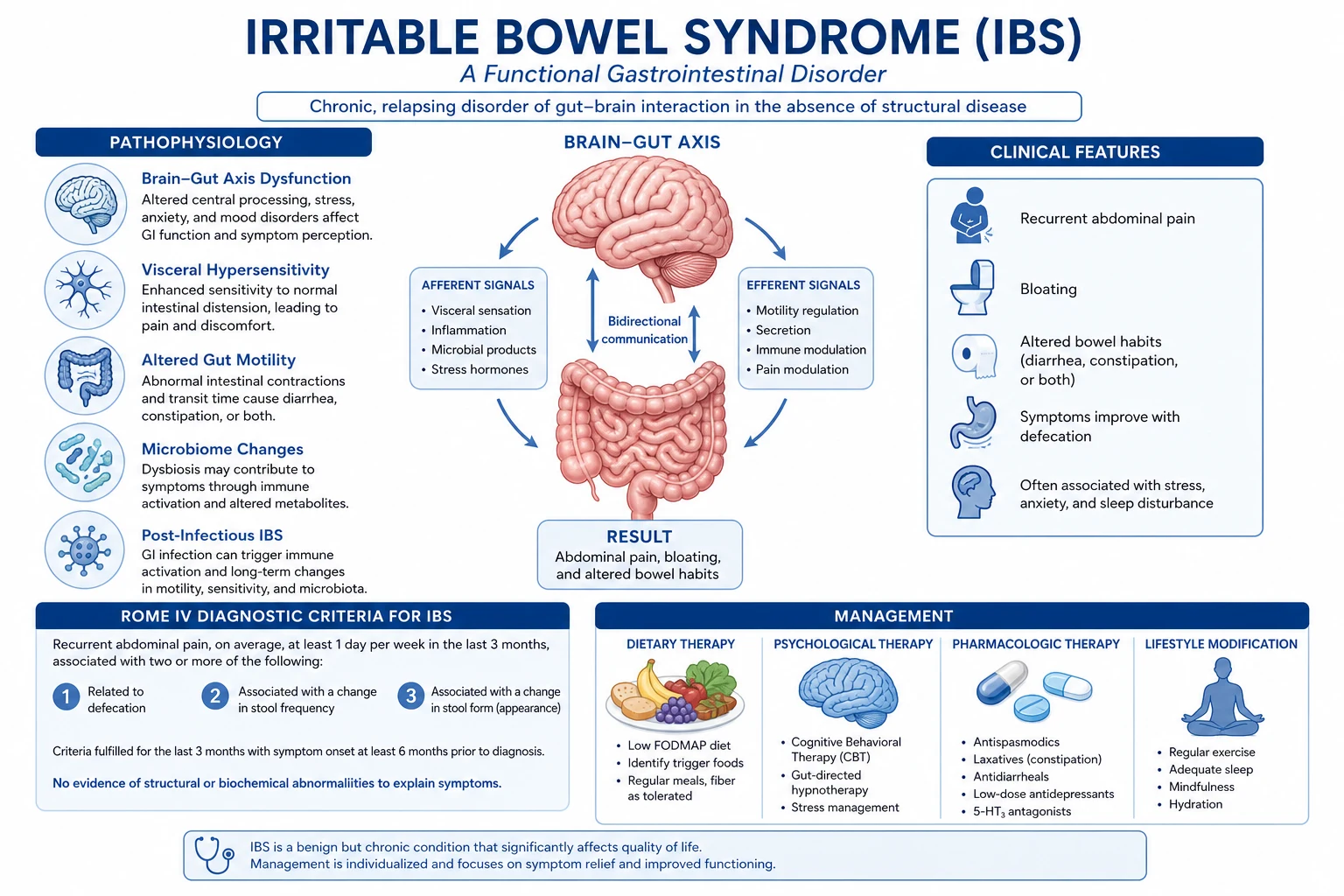
Clinical Presentation
The Rome IV triad is the diagnostic backbone: abdominal pain related to defaecation or to change in stool form or frequency, with bloating and altered bowel habit. [1]
Core symptoms: [1]
- Abdominal pain — usually lower abdominal or periumbilical, crampy or aching, often relieved by defecation; intensity ranges from mild to severe and typically does NOT wake the patient from sleep (nocturnal pain suggests organic disease).
- Change in stool form (Bristol scale) — hard, pellet-like stools in IBS-C; loose, watery stools in IBS-D; alternation in IBS-M.
- Change in stool frequency — fewer than three stools per week (IBS-C) or more than three per day (IBS-D).
- Bloating and abdominal distension — common, often worse through the day; frequently the most bothersome symptom for the patient.
- Urgency — particularly prominent in IBS-D and IBS-M.
- Sense of incomplete evacuation — common, especially in IBS-C and IBS-M.
- Mucus in stool — common (white or translucent; NOT blood or pus).
- Non-colonic symptoms — reflux, dyspepsia, fatigue, headache, backache, urinary frequency and dyspareunia; reflect the DGBI spectrum and central sensitisation.[2]
Symptoms that should NOT be attributed to IBS without work-up (alarm features) — see Differential Diagnosis and Investigations. [1]
Differential Diagnosis
The differential of chronic abdominal pain with altered bowel habit is broad and includes structural, inflammatory, metabolic, infectious, neoplastic and gynaecological disease. The role of the clinician is to use alarm features and limited testing to exclude these, then diagnose IBS positively by Rome IV.[7]
Inflammatory / immune
- Coeliac disease — 1 to 3 percent prevalence in IBS-D (anti-tissue transglutaminase IgA + total IgA)
- Inflammatory bowel disease (IBD) — Crohn disease, ulcerative colitis; raised CRP, faecal calprotectin, anaemia, weight loss
- Microscopic colitis (lymphocytic and collagenous colitis) — watery diarrhoea, older women, normal colonoscopy but abnormal biopsies
Infectious / metabolic
- Small intestinal bacterial overgrowth (SIBO) — bloating, distension; relationship to IBS remains contested
- Lactose intolerance — fermentable lactose drives bloating, distension and diarrhoea; excluded by breath test or dietary trial
- Bile acid diarrhoea (BAD) — 25 to 30 percent of IBS-D; low fasting serum C4 or 75SeHCAT scan
- Hyperthyroidism (IBS-D mimic) or hypothyroidism (IBS-C mimic) — check TFTs
Structural / neoplastic
- Colorectal cancer — exclude with FOBT, then colonoscopy in those over 50 (or 45 with family history) with alarm features
- Diverticular disease — older patients, left lower quadrant pain, bloating; CT to exclude diverticulitis
- Ovarian cancer and endometriosis — pelvic mass, dyspareunia, menstrual pattern (pelvic ultrasound)
- Endometriosis — cyclical pain, dyschezia around menses
Other considerations: medication-induced (opioids, metformin, PPIs, SSRIs, colchicine — drug history), radiation enteritis (pelvic radiotherapy), microscopic colitis (above), chronic intestinal ischaemia (older, weight loss, post-prandial pain), severe constipation with overflow (paradoxical diarrhoea), and factitious laxative use. [1]
Clinical & Bedside Assessment
The clinical assessment of a patient with suspected IBS has three goals: (1) positively diagnose IBS using Rome IV; (2) identify alarm features that mandate investigation; (3) assess severity and psychosocial context to guide management.[7]
1. History — the diagnostic spine. Ask about: [1]
- Pain pattern — location, relation to defaecation, relieving factors, frequency; nocturnal symptoms?
- Stool pattern — Bristol Stool Form Scale, frequency, urgency, mucus, blood (any blood is a red flag), sense of incomplete evacuation.
- Bloating and distension — when, what makes it worse, menstrual link.
- Diet — FODMAP intake, dairy, gluten, caffeine, alcohol, eating pattern.
- Alarm features (any one mandates investigation): weight loss, GI bleeding, iron-deficiency anaemia, age over 50 with new symptoms, family history of colorectal cancer / IBD, nocturnal symptoms, persistent fever, recurrent vomiting, steatorrhoea.
- Psychosocial — stress, anxiety, depression, history of abuse, illness beliefs (fear of cancer drives behaviour), work and social impact.
- Drugs — opioids, metformin, PPIs, anticholinergics, antibiotics. [1]
2. Examination — usually normal in IBS, and that is itself diagnostically useful. Look for: [1]
- General — weight, BMI, pallor (anaemia), fever.
- Abdominal — soft, non-tender or with mild tenderness (often left iliac fossa in IBS-C), no organomegaly, no mass, no ascites; auscultate for bowel sounds (variable).
- Digital rectal examination (DRE) — recommended in any chronic bowel symptoms; tonic sphincter, normal mucosa, no mass; assesses for occult bleeding, fissure, fistula and provides a sense of rectal sensitivity.
- Pelvic examination if gynaecological cause suspected (endometriosis, ovarian mass). [1]
3. Severity assessment — using impact on daily activities, work, sleep and mood; guides escalation of therapy.[7]
4. Rome IV criteria — operational checklist: [1]
- Recurrent abdominal pain at least one day per week in the last 3 months AND 2 or more of:
- Related to defaecation
- Associated with change in stool frequency
- Associated with change in stool form
- Onset at least 6 months before diagnosis.
- No alarm features or structural explanation.[2]
Investigations
Investigations in IBS are limited and targeted. The aim is to exclude clinically relevant organic disease, not to chase every abnormality. Blind testing creates false positives and harm.[1]
First-line tests in all patients with suspected IBS (especially IBS-D and IBS-M): [1]
- Full blood count (FBC) — exclude anaemia (iron deficiency), macrocytosis (coeliac, B12), eosinophilia (eosinophilic gastroenteritis, parasitic).
- C-reactive protein (CRP) — a normal CRP has high negative predictive value for IBD in IBS-D; an elevated CRP should drive further work-up.
- Coeliac serology — anti-tissue transglutaminase IgA with total IgA; EMA or deamidated gliadin IgG if IgA deficient.
- Thyroid function tests (TFTs) — hyperthyroidism mimics IBS-D, hypothyroidism IBS-C.
- Faecal occult blood test (FOBT or FIT) — any positive result mandates colonoscopy; sensitivity for colorectal cancer is high. [1]
Additional tests driven by clinical suspicion: [1]
- Faecal calprotectin — elevated in IBD (especially above 100 mcg/g) but normal in IBS; use in IBS-D or IBS-M with features that could fit IBD.
- Colonoscopy — recommended if age ≥ 50 with new symptoms, or ≥ 45 with a family history of colorectal cancer, or with any alarm feature (bleeding, weight loss, anaemia, persistent change in stool pattern). Take random biopsies if microscopic colitis suspected. Virtual chromoendoscopy improves adenoma detection.
- Stool microbiology / ova and parasites — recent foreign travel, suspected Giardia, persistent diarrhoea.
- SeHCAT scan or fasting serum C4 — for bile acid diarrhoea in refractory IBS-D (about 25 percent).
- Lactose or fructose hydrogen breath test — when dietary intolerance suspected; empirical FODMAP exclusion may be more practical.
- Gastroscopy + duodenal biopsy — if upper GI symptoms (dyspepsia, reflux) or coeliac serology positive or iron-deficient anaemia with coeliac-negative serology.
- Abdominal / pelvic imaging — ultrasound or CT for atypical pain, mass, weight loss, age > 50 with new symptoms. [1]
Management — Resuscitation
There is no "resuscitation" of IBS in the acute sense — IBS is a chronic disorder, not an emergency. The acute symptom that brings the patient in is usually an acute pain attack or severe bloating; the ED or acute clinic role is to: [1]
- Exclude an acute abdomen or surgical cause — sudden, severe, localised pain with peritoneal signs, fever or raised WCC needs urgent work-up (urinalysis, β-hCG in women, lipase, erect CXR, CT abdomen). IBS is a chronic-relapsing pattern; a genuinely acute abdomen is not.
- Treat the acute pain attack — antispasmodic (hyoscine butylbromide 10 to 20 mg orally TDS or 20 mg slow IV/IM; mebeverine 135 mg TDS), peppermint oil 0.2 to 0.4 mL TDS, low-dose diazepam 2 to 5 mg orally if anxiety-driven.
- Reassure, set expectations, and book outpatient follow-up — acute care should not become a place for polypharmacy or repeated presentations. [1]
A patient who presents repeatedly, with no clear diagnosis, no alarm features, and unremarkable investigations, should be discussed with a gastroenterologist and considered for a CBT-informed or hypnotherapy program — not for escalation of opioid analgesia.[7]
Management — Definitive & Stepwise
The definitive management of IBS is chronic and stepwise, delivered by primary care with gastroenterology referral for severe / refractory cases. [1]
Three pillars of therapy: (1) education, reassurance and therapeutic relationship; (2) lifestyle and dietary modification (especially the low-FODMAP diet delivered by a dietitian); (3) pharmacotherapy — subtype-directed for bowel habit, neuromodulators for pain. [1]
IBS management pillars
TREAT
Reassure; name the diagnosis; agree a realistic long-term plan with the patient, not a 'quick fix'
Low-FODMAP diet (elimination 4 to 6 weeks then structured reintroduction), supervised by a dietitian
Regular activity, sleep hygiene, hydration, stress reduction (yoga, mindfulness, CBT)
Mebeverine 135 mg TDS, hyoscine butylbromide 10 to 20 mg TDS, peppermint oil 0.2 to 0.4 mL TDS — first line
Osmotic laxatives and linaclotide for IBS-C; loperamide, rifaximin and eluxadoline for IBS-D; consider neuromodulators (amitriptyline 10 to 30 mg nocte) for pain-predominant / refractory IBS
1. Reassurance and therapeutic relationship — explain the positive diagnosis, the chronic-relapsing course, the absence of cancer or IBD, and the role of brain-gut signalling. Hopeful, evidence-based education reduces healthcare-seeking and improves outcomes. [1]
2. Lifestyle: regular meals, adequate fibre (soluble — psyllium, ispaghula; insoluble fibre may worsen bloating), adequate hydration, regular exercise (improves bloating and bowel symptoms), sleep hygiene, stress reduction (mindfulness, CBT, hypnotherapy). Smoking and excess alcohol worsen symptoms. [1]
3. Dietary intervention: [1]
- Low-FODMAP diet — eliminate fermentable oligosaccharides, disaccharides, monosaccharides and polyols for 4 to 6 weeks; structured reintroduction with a dietitian (3 FODMAP groups at a time) to identify triggers. FODMAP elimination improves bloating and abdominal pain in 50 to 80 percent of IBS patients; not curative, but a powerful symptomatic tool. Best delivered by a registered dietitian to avoid long-term restriction and ensure nutritional adequacy.
- Gluten-free diet — only when coeliac disease confirmed; non-coeliac gluten sensitivity is rare and may reflect fructan sensitivity within the FODMAP umbrella.
- Reduce caffeine, alcohol, fatty foods, fizzy drinks — common triggers. [1]
4. Subtype-directed pharmacotherapy — see Stepwise Management below. [1]
5. Psychological therapies: gastrointestinal-directed CBT and gut-focused hypnotherapy have robust evidence for improvement in pain, bloating and quality of life; offered early in moderate-severe disease, not as a "last resort".[7]
Stepwise Management
The pharmacologic ladder is matched to subtype and severity. [1]
IBS-C (constipation-predominant)
Step 1:
- Soluble fibre — psyllium (ispaghula husk) one to two sachets daily with water.
- Adequate hydration — 1.5 to 2 L/day. [1]
Step 2 (if fibre insufficient):
- Osmotic laxatives — macrogol (polyethylene glycol) 3350 1 to 3 sachets daily; lactulose 15 to 30 mL BD if unavailable (note flatulence).
- Stimulant laxatives — bisacodyl 5 to 10 mg nocte or senna 7.5 to 15 mg nocte as rescue; limit to short bursts. [1]
Step 3 (refractory IBS-C):
- Linaclotide 290 mcg daily (or 145 mcg in frail elderly) — guanylate cyclase-C agonist; accelerates transit and reduces visceral pain; NICE and ACG-recommended for moderate-severe IBS-C.
- Plecanatide 3 mg daily — alternative guanylate cyclase-C agonist.
- Lubiprostone 24 mcg BD — chloride channel type 2 activator; a third-line option.
- Tegaserod 6 mg BD — 5-HT4 agonist (limited availability due to cardiac safety). [1]
IBS-D (diarrhoea-predominant)
Step 1:
- Diet — low-FODMAP trial (reintroduce systematically).
- Loperamide 2 to 4 mg PRN, max 16 mg per day; regular dosing 4 mg TDS may help chronic symptoms; titrate to achieve formed stool. [1]
Step 2 (failed first-line):
- Rifaximin 550 mg TDS for 14 days — non-absorbable antibiotic targeting gut dysbiosis; benefits a subset; can be repeated. TARGET 3 trial showed response in 9 percent over placebo; relief of bloating, pain and loose stool.
- Antispasmodics — mebeverine, hyoscine, peppermint oil as needed for pain. [1]
Step 3 (refractory):
- Eluxadoline 100 mg BD (75 mg BD in patients without a gallbladder or with hepatic impairment) — mixed opioid receptor agonist/ antagonist; contraindicated in patients without a gallbladder, with sphincter of Oddi dysfunction, or with severe liver disease.
- Bile acid binders — cholestyramine 4 g orally or colesevelam 625 mg when bile acid diarrhoea suspected or confirmed (low SeHCAT retention < 10 percent).
- Ondansetron 4 to 8 mg TDS — a 5-HT3 antagonist; particularly useful in IBS-D with urgency and loose stool (off-label for IBS-D).
- Alosetron 0.5 to 1 mg BD — only in women with severe refractory IBS-D; availability restricted due to ischaemic colitis risk. [1]
IBS-M and pain-predominant IBS
- Antispasmodics for pain — mebeverine 135 mg TDS; hyoscine butylbromide 10 mg TDS; peppermint oil 0.2 to 0.4 mL TDS.
- Low-dose neuromodulators (tricyclic antidepressants or SSRIs):
- Amitriptyline 10 to 30 mg nocte — low-dose; anticholinergic effect slows transit (helpful in IBS-D), central analgesia improves pain and sleep.
- Nortriptyline 10 to 30 mg nocte — similar profile, fewer anticholinergic side effects.
- Fluoxetine 20 mg daily — for IBS-C / IBS-M; SSRIs speed transit slightly.
- Citalopram 20 mg daily — alternative; may help with bloating and pain.
- Refractory pain — gastroenterology referral; consider low-dose gabapentin or pregabalin, or gastrointestinal-directed CBT / gut-focused hypnotherapy. [1]
IBS drug doses — at a glance
Specific Subtypes & Scenarios
Post-infectious IBS (PI-IBS) — develops in up to 1 in 10 patients after acute gastroenteritis (Campylobacter jejuni, Shigella, Salmonella, E. coli, norovirus, Giardia). Risk factors: severity of initial illness, female sex, younger age, anxiety, smoking. Mechanism: persistent mucosal inflammation, increased enterochromaffin cells, T-cell activation, increased intestinal permeability, dysbiosis. Course: slow improvement over months; up to half remain symptomatic at 5 years. Management is standard IBS stepped therapy, with emphasis on rifaximin and TCA neuromodulators in IBS-D variant.[3]
Severe / refractory IBS — symptoms dominate daily life; often associated with marked anxiety, depression, somatic comorbidities, history of abuse, or central sensitisation. Approach: gastroenterology referral, multidisciplinary pain management, gastrointestinal-directed CBT, gut-focused hypnotherapy, low-dose neuromodulators (TCAs, SSRIs), and rational combination of antispasmodics, laxatives, antidiarrhoeals. Avoid escalating to opioids — these worsen pain centrally and cause narcotic bowel syndrome. [1]
Paediatric IBS — common; same Rome IV criteria with developmentally appropriate language (R4-Kids). Management: family education, school-based support, FODMAP dietary advice with caution (growth), antispasmodics, psychological therapies. [1]
Pregnancy — first-line reassurance, dietary advice, soluble fibre, laxatives (macrogol, lactulose). Loperamide in IBS-D can be used but cautiously. Anticholinergic antispasmodics are generally avoided; TCAs and SSRIs are used only if benefit outweighs risk (consult obstetric psych). [1]
Elderly — new-onset IBS symptoms in older patients (>50 with new change in bowel habit) require colorectal cancer exclusion; secondary causes (hypothyroidism, drug-induced, diverticular disease, ischaemia) are more likely. [1]
Post-cholecystectomy IBS — cholecystectomy may unmask or worsen IBS-D via altered bile acid pool and delivery; bile-acid diarrhoea is more common; SeHCAT test and bile-acid binders (cholestyramine) are useful. [1]
Overlap with functional dyspepsia — up to 50 percent of IBS patients also meet Rome IV criteria for functional dyspepsia or other DGBI (functional constipation, functional diarrhoea, chronic pelvic pain). [1]
Complications
IBS itself does not shorten life, does not cause cancer, and does not progress to IBD. The complications are functional and psychosocial: [1]
- Impaired quality of life — comparable to rheumatoid arthritis or major depression on validated instruments.
- Anxiety and depression — coexist in 30 to 50 percent of patients with severe IBS; bidirectional.
- Sleep disturbance — chronic sleep interruption and non-restorative sleep are common; abdominal pain frequently disrupts sleep onset.
- Work and economic impact — IBS is among the top 10 reasons for work absenteeism in primary care; lost productivity estimated in the billions annually.
- Surgical harm — patients with IBS-D are at higher risk of unnecessary cholecystectomy, appendicectomy and hysterectomy; meticulous differential diagnosis before any elective surgery is essential.
- Healthcare utilisation — repeated primary-care visits, ED attendances, endoscopic procedures, polypharmacy.
- Bloating and physical symptoms — chronic abdominal distension, urgency and incontinence.[7]
Prognosis & Disposition
Prognosis: IBS is a chronic, relapsing disorder with a generally stable symptom burden in the medium term. About a third of patients have lasting improvement after first presentation (cohort effect), but most continue to experience symptoms over years. Lifestyle, dietary and pharmacologic therapy reduce severity and improve quality of life; CBT and hypnotherapy have the most durable evidence of meaningful effect. Mortality is not increased in IBS.[7]
Disposition: [1]
- Primary care management for mild-to-moderate IBS — Rome IV diagnosis, alarm-feature screen, limited first-line therapy, dietary advice and follow-up.
- Specialist referral for: severe / refractory disease; diagnostic uncertainty; possible IBD or coeliac; biliary or pelvic pathology suspected; failed first- and second-line therapy; consideration of neuromodulators; pregnancy.
- Multidisciplinary care for severe IBS — gastroenterologist, dietitian, psychologist / hypnotherapist, primary care. [1]
Special Populations
Paediatric — IBS affects about 10 percent of school-age children; rule out coeliac, lactose intolerance, IBD, and avoid missing child-protection red flags. Treat with family education, school liaison, FODMAP trial, and psychological therapies. Avoid long-term stimulant laxatives; polyethylene glycol (PEG) is well-tolerated. [1]
Pregnancy — IBS is common; first-line is reassurance and soluble fibre; osmotic laxatives (macrogol, lactulose) for IBS-C; loperamide used cautiously in IBS-D. Anticholinergic antispasmodics are generally avoided (especially in the first trimester); TCAs and SSRIs only when strongly indicated. [1]
Elderly — new-onset IBS in an adult over 50 years warrants mandatory colorectal cancer exclusion (FIT testing, then colonoscopy). Secondary causes (medication, hypothyroid, diverticular, ischaemic) become more likely. [1]
Cancer fear — many patients present because they fear cancer. Frank, evidence-based reassurance combined with appropriate investigation for the at-risk group (age >50, alarm features, family history) reduces symptoms and repeat seeking behaviour. Once cancer is excluded with an appropriate screen, "explanation" reduces healthcare-seeking better than repeated re-investigation. [1]
Evidence & Guidelines
Key guidelines the exam candidate should know: [1]
- ACG 2021 Clinical Guideline on IBS (Lacy et al.) — first-line dietary therapy (low FODMAP), antispasmodics, rifaximin, linaclotide, plecanatide, lubiprostone, eluxadoline, TCAs, gut-focused psychotherapy.[1]
- British Society of Gastroenterology (BSG) guidelines on IBS (Vasant et al.) — comprehensive stepwise algorithm; emphasises positive Rome IV diagnosis, limited targeted investigations, low-FODMAP dietitian-led care, CBT/hypnotherapy and neuromodulators.[7]
- Canadian Association of Gastroenterology guideline (Moayyedi et al.) — aligns with ACG/BSG.
- Rome IV (2016) — symptom-based diagnostic criteria; subtype classification by Bristol scale; severity grading.[2]
- Post-infectious IBS — Spiller and Garsed's seminal review summarises epidemiology, mechanism and management.[3]
Landmark trials and topics to know: [1]
- TARGET 3 — rifaximin 550 mg TDS for 14 days in IBS-D showed response in 9 percent over placebo; bloating, pain and loose stool benefit.
- Linaclotide pivotal trials in IBS-C — meaningful improvement in abdominal pain and complete spontaneous bowel movements (CSBMs).
- Peppermint oil meta-analyses — pooled benefit over placebo for pain and bloating.
- Alosetron withdrawal and reintroduction — illustrates IBS-D pharmacotherapy safety lessons. [1]
Exam Pearls
- IBS = positive diagnosis by Rome IV: recurrent abdominal pain at least 1 day/week for 3 months + 2 of (related to defaecation, change in stool frequency, change in stool form). Onset at least 6 months before diagnosis.[2]
- Subtype by Bristol Stool Form Scale: IBS-C (hard stools ≥ 25 percent, loose < 25 percent), IBS-D (loose ≥ 25 percent, hard < 25 percent), IBS-M (both ≥ 25 percent), IBS-U (no threshold met). Subtype is fluid — reclassify at follow-up.
- Prevalence 10 to 15 percent of adults worldwide; F:M about 2:1; typical onset before age 50.
- Alarm features = weight loss, GI bleeding, iron-deficiency anaemia, nocturnal symptoms, age > 50 (or 45 + CRC family history), raised CRP, family history of IBD/CRC, palpable mass, persistent fever, steatorrhoea.
- Limited targeted work-up: FBC, CRP, coeliac serology (anti-tTG IgA + total IgA), TFTs, FOBT. Faecal calprotectin if IBD suspected (elevated in IBD, normal in IBS). Colonoscopy if alarm features or age > 50 (or 45 + family history of CRC).
- Post-infectious IBS — develops in up to 1 in 10 patients after Campylobacter, Shigella, norovirus or Giardia; risk factors include severity, female sex and anxiety.[3]
- First-line treatment: reassurance; education; lifestyle (exercise, sleep); low-FODMAP diet (4 to 6 weeks elimination then structured reintroduction, supervised by a dietitian); antispasmodics (mebeverine 135 mg TDS, hyoscine, peppermint oil 0.2 to 0.4 mL TDS).
- Subtype-directed therapy: IBS-C — osmotic laxatives (macrogol), linaclotide 290 mcg daily; IBS-D — loperamide 2 to 4 mg PRN (max 16 mg/day), rifaximin 550 mg TDS for 14 days, eluxadoline, bile-acid binders if indicated; pain-predominant — low-dose amitriptyline 10 to 30 mg nocte, SSRIs (fluoxetine 20 mg daily), or combination.
- CBT and gut-focused hypnotherapy have robust evidence in moderate-severe IBS.
- IBS is not life-threatening; does not progress to IBD or cancer; but causes substantial quality-of-life impairment, work absenteeism and healthcare utilisation.
- Avoid opioids in IBS — risk of narcotic bowel syndrome and worsening chronic pain.
Exam application bank (NEET-PG / INICET)
One-line answer
Irritable Bowel Syndrome (IBS) is a Disorder of Gut-Brain Interaction (DGBI) defined by the Rome IV criteria as recurrent abdominal pain at least one day per week in the last three months, associated with two or more of: (1) relation to defaecation, (2) associated change in stool frequency, (3) associated change in stool form (appearance) — in the absence of alarm features or structural disease. Prevalence is 10 to 15 percent of adults worldwide, with a female-to-male ratio of about 2:1 and peak onset before age 50. The four Rome IV subtypes are IBS-C (constipation), IBS-D (diarrhoea), IBS-M (mixed) and IBS-U (unclassified); severity is graded mild, moderate or severe by impact on daily activities. Post-infectious IBS (PI-IBS) develops in up to one in ten patients after acute bacterial or viral gastroenteritis. Pathophysiology is multifactorial: visceral hypersensitivity, abnormal motili
Worked stems (answer without another resource)
Stem 1 — Classic presentation. Map symptoms to mechanism; name the first investigation and first treatment step with dose/route if drug therapy is standard. [1]
Stem 2 — Unstable / complicated. List red flags that force immediate resuscitation, theatre, ICU, antidote, or reperfusion — and what you do in the first 15 minutes. [1]
Stem 3 — Atypical group. Elderly, pregnancy, child, or immunocompromised: how presentation and thresholds change. [1]
Stem 4 — Differential trap. Name the three closest mimics and one discriminator for each. [1]
Stem 5 — Disposition. Who goes home with safety-netting, who is admitted, who needs HDU/ICU/theatre, and what follow-up is mandatory. [1]
Rapid viva checklist
- Definition + classification
- Pathophysiology chain
- Bedside signs / criteria
- Score with exact components (if any)
- Emergency bundle
- Definitive therapy with doses
- Complications of disease and of treatment
- Special populations
- Guideline/trial name if classic
- Three exam traps
Coverage self-check
If you cannot answer any stem above from this page alone, re-read the matching section — the page is intended to be self-sufficient for final-prof and NEET-PG/INICET questions on Irritable Bowel Syndrome.
References
- [1]Lacy BE, Pimentel M, Brenner DM, et al. ACG Clinical Guideline: Management of Irritable Bowel Syndrome Am J Gastroenterol, 2021.PMID 33315591
- [2]Mearin F, Lacy BE, Chang L, et al. Functional Gastrointestinal Disorders: History, Pathophysiology, Clinical Features and Rome IV Gastroenterology, 2016.PMID 27144617
- [3]Spiller RC, Garsed K. Mass media nutrition information sources and associations with fruit and vegetable consumption among adolescents Public Health Nutr, 2010.PMID 19706216
- [4]Ford AC, Moayyedi P, Lacy BE, et al. Esophageal carcinoma cell line with high EGFR polysomy is responsive to gefitinib Langenbecks Arch Surg, 2014.PMID 25070024
- [5]Chang L, Lembo A, Sultan S. STING-Dependent Signaling Underlies IL-10 Controlled Inflammatory Colitis Cell Rep, 2017.PMID 29281834
- [6]Pimentel M, Lembo A, Chey WD, et al. Reduced mortality after allogeneic hematopoietic-cell transplantation N Engl J Med, 2010.PMID 21105791
- [7]Vasant DH, Paine PA, Black CJ, et al. The Roles of Alcohol and Drugs in Firearm Violence JAMA Intern Med, 2017.PMID 28055044