Infectious Diseases · General Medicine
Varicella & Herpes Zoster (Chickenpox and Shingles)
Also known as Varicella · Chickenpox · Herpes zoster · Shingles · Varicella-zoster virus · VZV · Postherpetic neuralgia · HHV-3
Varicella-zoster virus (VZV, human herpesvirus 3 / HHV-3) is a neurotropic double-stranded DNA alpha-herpesvirus that produces two distinct clinical syndromes. Primary infection — varicella (chickenpox) is a generalised, pruritic, vesicular rash appearing in crops at different stages simultaneously (papules, vesicles, pustules, crusts together), with fever and malaise, mainly in children. The virus then becomes latent in the dorsal root and cranial-nerve ganglia and reactivates decades later as herpes zoster (shingles) — a painful, unilateral, dermatomal vesicular rash that does not cross the midline, typically in older or immunosuppressed adults. Zoster complications: postherpetic neuralgia (the commonest, persistent pain beyond 90/120 days, especially in the elderly), ophthalmic zoster (Hutchinson sign — ophthalmology emergency, corneal involvement), Ramsay Hunt syndrome (geniculate ganglion — ear vesicles, facial palsy, deafness), dissemination in the immunocompromised, meningitis/encephalitis/myelitis, and VZV vasculopathy/stroke. Varicella complications: pneumonia (adults, smokers, pregnant, immunocompromised — IV aciclovir), secondary bacterial skin infection (commonest, Strep/Staph, necrotising fasciitis), cerebellar ataxia (children), encephalitis, congenital varicella syndrome (limb hypoplasia, scarring) and neonatal varicella. Treatment: uncomplicated varicella/zoster is supportive ± antivirals; oral aciclovir, valaciclovir or famciclovir started within 72 hours of the zoster rash reduces severity, duration and postherpetic neuralgia; IV aciclovir for severe, ophthalmic, disseminated, immunocompromised, pregnant-with-pneumonia and neonatal disease. Vaccines: live-attenuated varicella (children) and recombinant zoster vaccine / Shingrix (adults over 50, over 90% efficacy). VZIG for post-exposure prophylaxis in high-risk contacts.
On this page & tools
Your progress
Saved locally on this device.
Practise this topic
Exam tags
Red flags
Overview & Definition
Varicella-zoster virus (VZV) — formally human herpesvirus 3 (HHV-3) — is a neurotropic, enveloped, double-stranded DNA alpha-herpesvirus that, like its cousins HSV-1 and HSV-2, establishes lifelong latency in sensory ganglia after primary infection. It produces two clinically distinct diseases in the same host:[1][2]
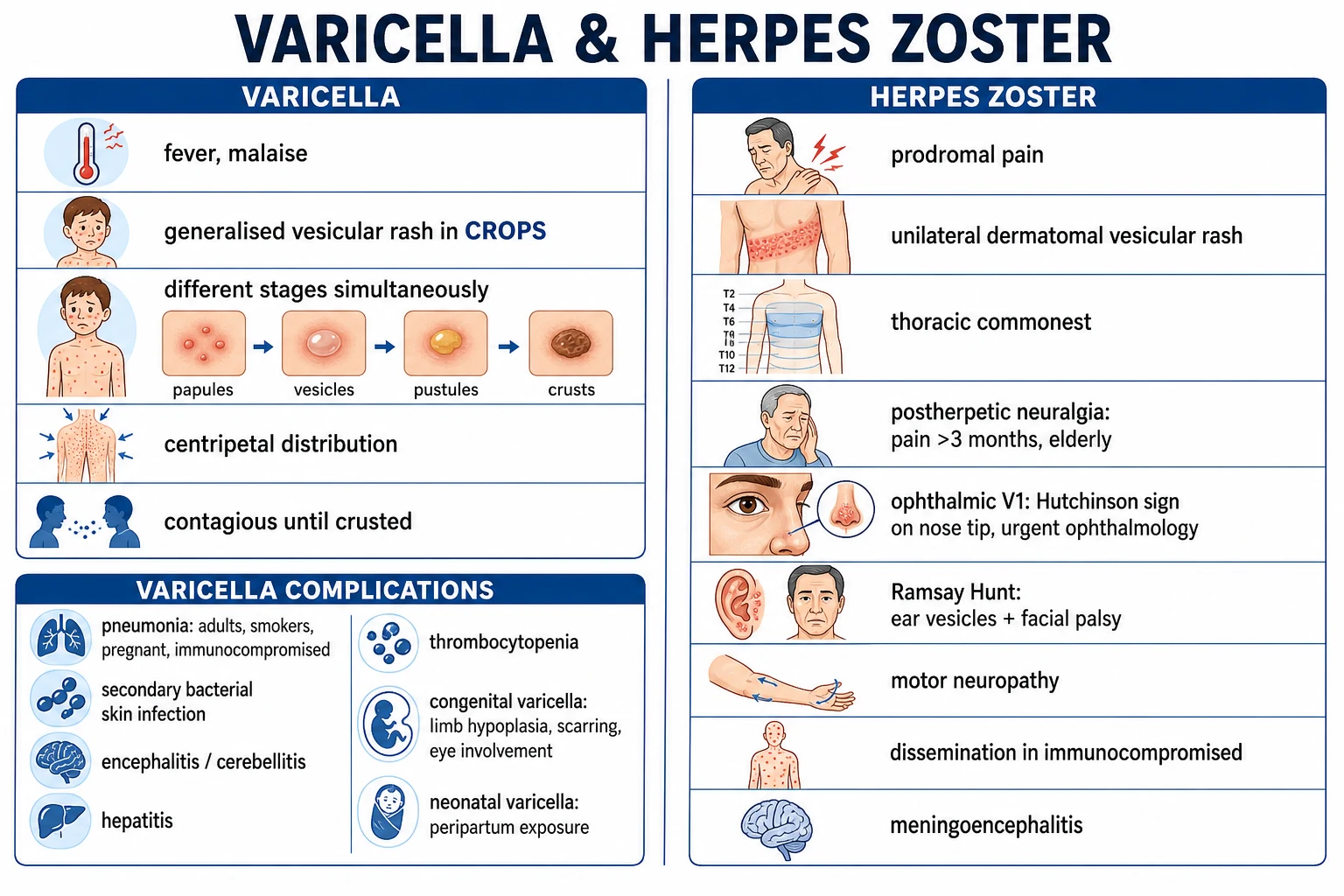
- Varicella (chickenpox) — the primary infection: a generalised, pruritic vesicular exanthem appearing in successive crops at different stages simultaneously (macules, papules, vesicles, pustules and crusts all present together), accompanied by fever and malaise. It is the archetypal childhood exanthem, spread by respiratory droplets and direct contact with vesicle fluid.
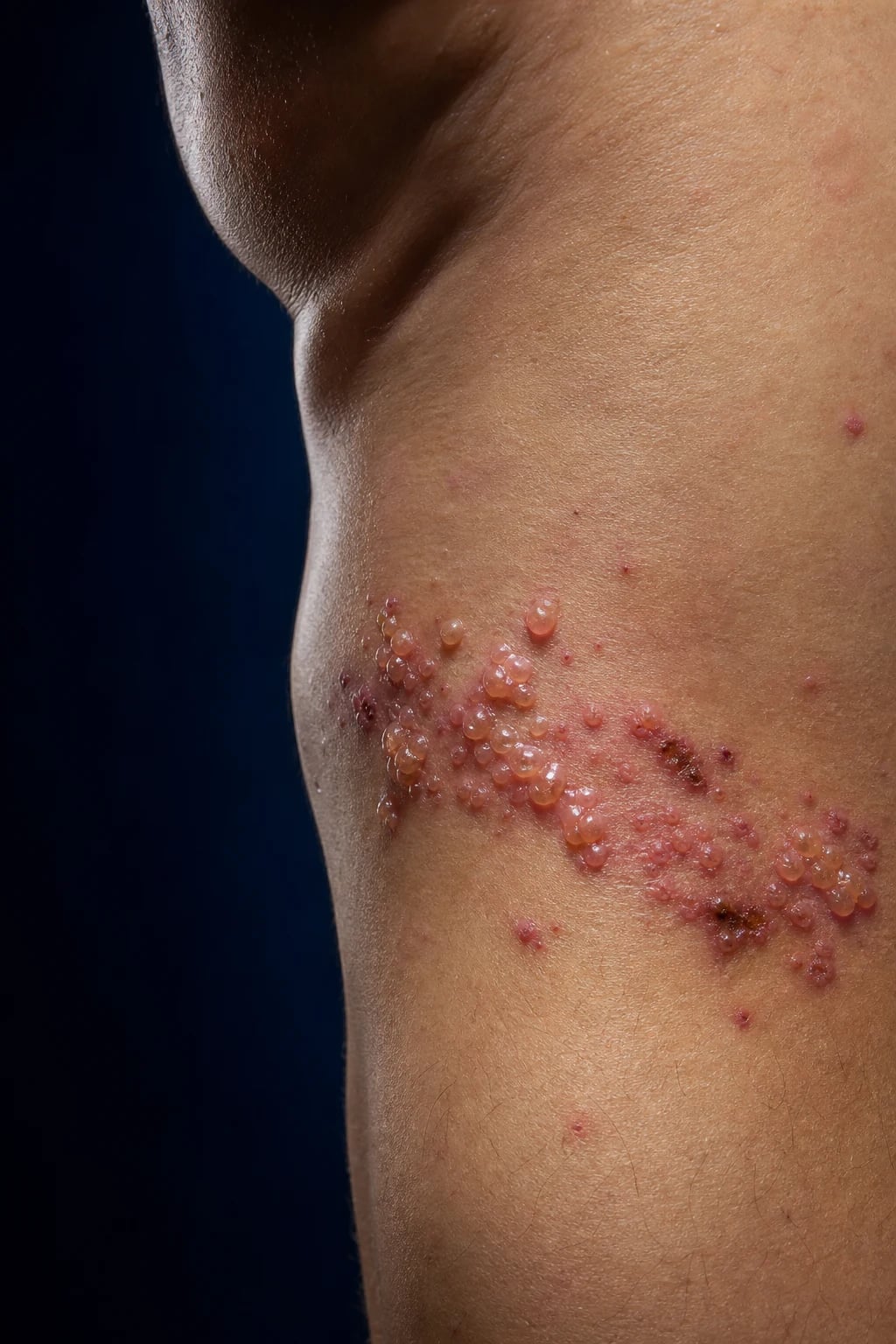
- Herpes zoster (shingles) — reactivation of latent VZV: a painful, unilateral, dermatomal vesicular eruption (the rash does not cross the midline), preceded by prodromal pain in the same dermatome that is frequently misdiagnosed as cardiac, biliary, renal or musculoskeletal pain. [1]
The clinical skill in this disease is threefold: (a) recognising the generalised crops-of-different-stages pattern of varicella and distinguishing it from smallpox and other vesicular illnesses; (b) recognising the dermatomal, unilateral pattern of zoster — and specifically identifying ophthalmic zoster (Hutchinson sign) and Ramsay Hunt syndrome; and (c) treating early (within 72 hours) with antivirals to reduce severity and prevent postherpetic neuralgia, while escalating to IV aciclovir for severe, ophthalmic, disseminated, immunocompromised, pregnant and neonatal disease. Varicella in adults, pregnant women, smokers and the immunocompromised is far more severe than the childhood illness and carries a significant risk of life-threatening viral pneumonitis.[1][4]
Vaccination has transformed the epidemiology: live-attenuated varicella vaccine in childhood and the recombinant zoster vaccine (RZV, Shingrix) in older adults (over 90% efficacy) now prevent much of the disease burden — but VZV remains globally endemic, and a clinician must master both ends of the natural history.[2]
Classification
VZV disease is classified by phase of the viral life-cycle (primary vs reactivation), by anatomical distribution of zoster, and by severity/complication status. [1]
By phase of infection: [1]
- Primary infection (varicella / chickenpox) — generalised, occurs in non-immune hosts (usually children); confers lifelong immunity to varicella but not to reactivation.
- Reactivation (herpes zoster / shingles) — dermatomal, occurs in previously infected hosts when VZV-specific cell-mediated immunity (CMI) wanes (age, immunosuppression). A single episode of zoster does not give absolute immunity — recurrent zoster occurs in about 6%, and strongly suggests underlying immunodeficiency or malignancy. [1]
By anatomical distribution of zoster (an exam favourite):[1]
| Distribution | Frequency | Key features |
|---|---|---|
| Thoracic (T3–L2/L3) | Commonest (~50%) | Band-like unilateral vesicles over one or two adjacent thoracic dermatomes |
| Trigeminal (cranial nerve V) | ~20% | V1 ophthalmic commonest of the three divisions — Hutchinson sign, ocular complications; V2 (maxillary) and V3 (mandibular) less common |
| Cervical (C2–C5) | ~15% | Neck, supraclavicular, occasionally arm |
| Lumbosacral (L1–S1) | ~10% | Lower limb, occasionally motor weakness (segmental zoster paresis) |
| Disseminated | under 5% (higher in immunocompromised) | More than 20 vesicles outside the primary dermatome, or involvement of 3+ non-contiguous dermatomes — implies immunosuppression |
By severity / complication status: [1]
- Uncomplicated zoster — single dermatome, immunocompetent host.
- Complicated — ophthalmic zoster, Ramsay Hunt, disseminated, motor neuropathy/segmental paresis, CNS involvement (meningitis, encephalitis, myelitis), VZV vasculopathy/stroke, postherpetic neuralgia. [1]
Epidemiology & Risk Factors
Varicella is globally endemic with a strong winter-spring seasonality in temperate climates. In unvaccinated populations it is a disease of early childhood — over 90% of people acquire it before adolescence in endemic regions — but the age of infection shifts upward where universal childhood vaccination has reduced transmission (older children/adults get milder exposure but more severe primary disease). It is highly contagious: secondary attack rates of over 90% in susceptible household contacts. Transmission is by respiratory droplets, aerosols from vesicles, and direct contact with vesicle fluid.[2]
Incubation period: 10–21 days (mean 14–16 days). A patient is contagious from 1–2 days BEFORE the rash appears until all lesions have crusted (typically 5–7 days after rash onset). [1]
Herpes zoster cannot be acquired by exposure to another person with zoster (it is reactivation of endogenous latent virus) — but a person with zoster can cause primary varicella in a non-immune contact (vesicle fluid is infectious). The lifetime risk of zoster is about 1 in 3, rising to about 1 in 2 in those who live to age 85; incidence rises sharply with age. Recurrent zoster occurs in about 6% and should prompt a search for immunosuppression.[1]
Risk factors for herpes zoster (reactivation):[1]
| Risk factor | Mechanism / note |
|---|---|
| Increasing age (over 50) | Waning VZV-specific cell-mediated immunity — the dominant driver |
| Immunosuppression (HIV, haematological malignancy, transplant, chemotherapy, biologic agents, high-dose corticosteroids) | Markedly increased incidence, dissemination and recurrence |
| Female sex | Slightly higher incidence |
| White ethnicity | Higher than Black ethnicity in US cohorts |
| Psychological stress / trauma | Plausible but weaker association |
| Recent zoster exposure | NOT a cause — zoster is endogenous reactivation |
Risk factors for severe/complicated varicella (the patients who need IV aciclovir, not paracetamol):[4]
- Adulthood (over 15) — the risk of varicella pneumonia rises sharply with age.
- Pregnancy (especially second and third trimester) — varicella pneumonia is particularly severe, with historically high maternal mortality before antivirals.
- Smoking — strongly predisposes to varicella pneumonia.
- Immunocompromise — dissemination, visceral and chronic disease.
- Chronic lung disease, neurological disease (aspiration risk).
- Neonatal infection (peripartum). [1]
Pathophysiology
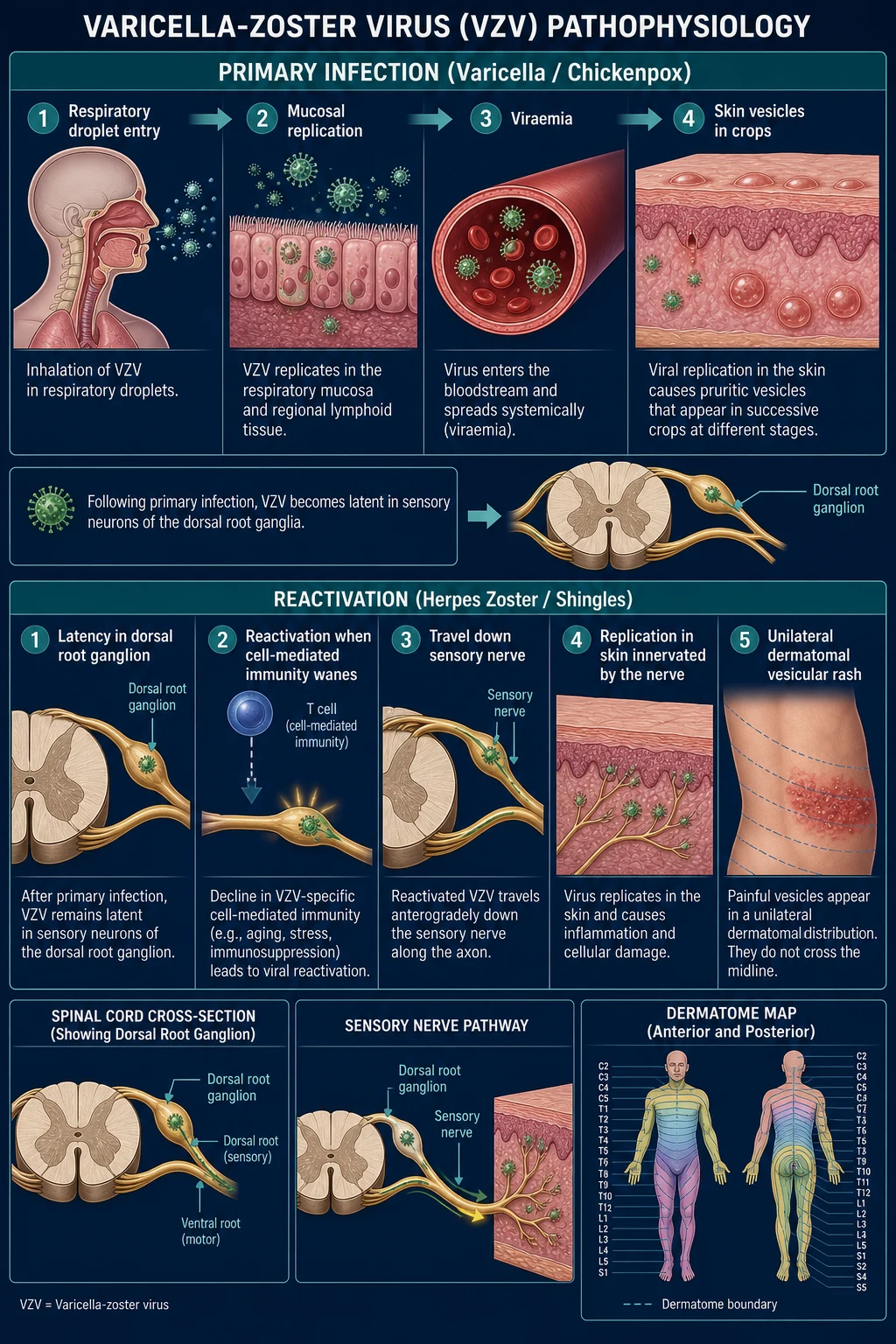
VZV is a neurotropic alpha-herpesvirus: its defining biological signature is the capacity to invade sensory nerves, establish lifelong non-productive latency in sensory ganglia, and reactivate along a dermatome. The natural history unfolds in two mechanistically distinct phases.[2][3]
Phase 1 — Primary infection (varicella): [1]
- Portal of entry — VZV is inhaled in respiratory droplets or contacts the conjunctiva. It first replicates in the mucosa of the nasopharynx and oropharynx and in regional lymphoid tissue.
- Primary viraemia (4–6 days) — virus spreads to reticuloendothelial organs (liver, spleen), where it replicates further.
- Secondary viraemia — infected T-lymphocytes carry virus to the skin and mucosa. The characteristic rash appears.
- Cutaneous lesion evolution — the virus replicates in capillary endothelial cells and keratinocytes, producing ballooning degeneration of epithelial cells → intercellular oedema → intraepidermal vesicle. The lesion passes through macule → papule → vesicle → pustule → crust. Because the viraemia seeds the skin in waves, successive crops of lesions at different stages appear simultaneously — the pathognomonic feature of varicella (and the key distinction from smallpox, where all lesions are at the same stage).
- Centripetal distribution — the rash is denser on the trunk than the extremities, and also involves the face, scalp and mucous membranes (oral, sometimes vaginal/conjunctival).
- Retrograde axonal transport to ganglia — during viraemia, VZV travels retrograde up sensory nerves to the dorsal root and cranial-nerve ganglia (especially trigeminal and thoracic dorsal root ganglia), where it establishes lifelong latent infection in the neuronal nuclei. The virus persists as episomal DNA with very limited gene expression. [1]
Resolution of primary infection is mediated by VZV-specific cell-mediated immunity (CMI) — CD4+ and CD8+ T cells and NK cells clear the virus from skin. Antibody (IgG) prevents reinfection with varicella but does not prevent reactivation — that requires intact CMI, which wanes with age and immunosuppression.[2]
Phase 2 — Reactivation (herpes zoster): [1]
- Loss of containment — when VZV-specific CMI falls below a threshold (the dominant driver is age; also immunosuppression, malignancy, HIV, chemotherapy, biologic/steroid therapy), latent virus in a single sensory ganglion re-activates and begins to replicate.
- Ganglionitis and neuritis — replication causes inflammatory destruction of neurons and supporting cells within the ganglion and along the nerve, producing the characteristic prodromal pain (burning, aching, lancinating) in the dermatome — days to a week before the rash appears. This pain is frequently misattributed to myocardial ischaemia, cholecystitis, renal colic, appendicitis or disc disease.
- Anterograde spread to skin — virus travels down the sensory nerve (anterograde axonal transport) to the dermatome it supplies, producing the unilateral, dermatomal vesicular eruption that does not cross the midline. The vesicles follow the same morphology as varicella but are confined to the affected dermatome.
- Why unilateral and dermatomal? Because reactivation originates from a single ganglion and travels along the sensory nerve supplying one dermatome on one side. (Rare bilateral or multidermatomal involvement implies profound immunosuppression.)
- Resolution — the rash crusts and heals over 2–4 weeks; the ganglion/neuritis may persist as postherpetic neuralgia. [1]
Mechanism of postherpetic neuralgia (PHN): PHN results from a combination of peripheral sensitisation (reduced threshold of damaged nociceptors), central sensitisation (dorsal horn neuronal hyperexcitability from sustained C-fibre input), deafferentation (loss of primary afferent neurons, producing spontaneous ectopic firing), and anatomical destruction of the ganglion and nerve. These changes produce the allodynia, hyperalgesia and spontaneous burning/lancinating pain that define PHN and that are so difficult to treat.[4][5]
Mechanism of varicella pneumonia: VZV reaches the lung haematogenously during secondary viraemia, infecting alveolar epithelium and capillary endothelium, producing interstitial pneumonitis with mononuclear infiltrate, hyaline-membrane formation, and focal necrosis. Smokers, adults, pregnant women and the immunocompromised have an exaggerated inflammatory response and reduced clearance, explaining their disproportionate severity.[4]
Mechanism of VZV CNS disease and vasculopathy: VZV can spread to the CNS along trigeminal and other sensory afferents, producing meningitis, encephalitis, cerebellitis and myelitis. After ophthalmic zoster, VZV may spread along the trigeminal nerve to the cerebral arteries, producing a granulomatous arteritis (VZV vasculopathy) and ischaemic stroke — classically a contralateral hemiplegia weeks to months after ophthalmic zoster.[3]
Clinical Presentation
Varicella (chickenpox)
- Prodrome (1–2 days): fever, malaise, headache, anorexia, sometimes mild abdominal pain — most pronounced in adults.
- Rash — the hallmark: a generalised, pruritic vesicular exanthem.
- Evolution: macule → papule → vesicle ("dewdrop on a rose petal") → pustule → crust.
- Crops at different stages simultaneously — the cardinal feature (pathognomonic for varicella; distinguishes it from smallpox).
- Distribution: centripetal — denser on the trunk than the limbs; also scalp, face; mucous membranes (palate, occasionally conjunctiva/vulva).
- Pruritus is intense — scratching drives secondary bacterial infection (the commonest complication).
- Lesions crust over 5–7 days; the patient is contagious until all lesions are crusted.
- Lymphadenopathy may be present.
- Atypical / severe presentations:
- Adults, pregnant women, smokers, immunocompromised — higher fever, more profuse rash, significant risk of varicella pneumonia (cough, dyspnoea, hypoxia, haemoptysis), hepatitis, encephalitis.
- Immunocompromised — progressive, chronic, or haemorrhagic lesions; visceral dissemination.
- Neonate (maternal varicella around delivery) — severe, disseminated, high mortality without VZIG + aciclovir.
- Breakthrough varicella in vaccinated children — milder, fewer lesions, often maculopapular rather than vesicular, still contagious but less so. [1]
Herpes zoster (shingles)
- Prodrome (days to ~1 week before rash): pain, burning, paraesthesia or hyperaesthesia in a single dermatome — unilateral, often severe; commonly misattributed to cardiac, biliary, renal, musculoskeletal or dental disease. Fever, malaise and headache may accompany.
- Rash:
- Unilateral, dermatomal, vesicular, does not cross the midline.
- Evolves erythematous patch/macule → grouped papules → clustered vesicles → pustules → crusts over 7–10 days.
- All lesions in the affected dermatome are at roughly the same stage (in contrast to varicella's crops of different stages).
- May involve adjacent dermatomes (1–2) but rarely widespread in the immunocompetent.
- May leave post-inflammatory hyperpigmentation and scarring.
- Acute pain (acute neuritis / herpetic neuralgia): present during the rash; may be severe.
- Regional lymphadenopathy is common. [1]
Specific clinical syndromes (exam-critical)
- Ophthalmic zoster (V1): zoster of the ophthalmic division of the trigeminal nerve (forehead, upper eyelid, periorbital). The Hutchinson sign — a vesicle on the tip or side of the nose (inervated by the nasociliary nerve, a branch of V1 that also supplies the cornea) — is a powerful predictor of ocular involvement. Ocular complications include episcleritis, scleritis, keratitis (punctate, dendritic, disciform, neurotrophic), uveitis, glaucoma, optic neuritis, and acute retinal necrosis. Any ophthalmic involvement is an ophthalmology emergency.[1]
- Ramsay Hunt syndrome (herpes zoster oticus): VZV reactivation in the geniculate ganglion of the facial nerve (CN VII). The triad is (1) vesicles in the ear / external auditory canal / concha / palate, (2) lower motor neuron (LMN) facial palsy (ipsilateral), and (3) vestibulocochlear symptoms — sensorineural hearing loss, tinnitus, vertigo. The facial palsy is often complete and recovers less well than Bell palsy. Treatment is antiviral + corticosteroid.[1]
- Disseminated zoster: defined as more than 20 vesicles outside the primary dermatome, or involvement of 3 or more non-contiguous dermatomes. Implies immunosuppression — search for HIV, malignancy, immunosuppressive therapy. Manage with IV aciclovir and isolation.
- Zoster sine herpete: dermatomal pain without a rash — a difficult diagnosis confirmed by VZV PCR of blood/CSF; consider in otherwise unexplained segmental radicular pain.
- Motor zoster: segmental motor weakness in the myotome corresponding to the affected dermatome (e.g. limb paresis with thoracic zoster, or diaphragmatic paralysis with cervical zoster) — occurs in ~1–5%.
- Sacral zoster: may cause urinary retention (sacral autonomic involvement).
Varicella (chickenpox)
- Primary infection in a non-immune host (usually child)
- Transmission: respiratory droplets + vesicle-fluid contact
- Generalised, centripetal rash (trunk denser than limbs)
- Crops of lesions at DIFFERENT stages simultaneously (pathognomonic)
- Incubation 10–21 days; contagious until all lesions crusted
- Complications: pneumonia (adults/pregnant), secondary bacterial skin infection (commonest), cerebellar ataxia, encephalitis
Herpes zoster (shingles)
- Reactivation of latent endogenous VZV (older/immunosuppressed)
- NOT acquired by exposure — but vesicle fluid can cause varicella in a non-immune contact
- Unilateral, dermatomal rash that does NOT cross the midline
- All lesions in the dermatome at roughly the SAME stage
- Prodromal dermatomal pain precedes rash by days
- Complications: postherpetic neuralgia (commonest, elderly), ophthalmic zoster, Ramsay Hunt, dissemination, VZV vasculopathy/stroke
Differential Diagnosis
Differential of a generalised vesicular rash
Varicella
- Generalised crops at different stages
- Centripetal (trunk > limbs)
- Pruritic, fever, contagious
Smallpox (variola)
- ALL lesions at SAME stage, synchronous
- Centrifugal (limbs/face > trunk)
- Febrile prodrome precedes rash
- Severe, prostrating; eradicated 1980 but bioterrorism concern
Hand-foot-and-mouth
- Coxsackie A16/enterovirus
- Palmoplantar + oral lesions
- Young children, mild, summer
Disseminated HSV / eczema herpeticum
- Atopic dermatitis background
- Vesicles in areas of eczema
- Tzanck positive, HSV PCR
Impetigo
- Honey-coloured crusts
- Staph/Strep
- Localised, not viral
Molluscum contagiosum
- Umbilicated firm pearly papules
- Poxvirus (MCV)
- Chronic, not acute febrile
Scabies
- Burrows, web-space flexural
- Intense nocturnal itch
- Multiple family members
Drug eruption / erythema multiforme
- Drug history
- Target lesions
- Mucosal involvement
Key exam rule — varicella vs smallpox: in varicella the lesions are in crops at different stages simultaneously (papules, vesicles, pustules, crusts together) and are centripetal; in smallpox all lesions are at the same stage, progress synchronously, and are centrifugal (denser on face and extremities). The febrile prodrome precedes the smallpox rash but accompanies varicella. [1]
Differential of a dermatomal painful/vesicular eruption
Herpes zoster
- Unilateral dermatomal, does not cross midline
- Prodromal pain, grouped vesicles
- All lesions same stage in the dermatome
Herpes simplex (HSV)
- Does NOT respect a dermatome — grouped vesicles on lip/genital/finger
- Often recurrent at same site
- Tzanck positive but PCR distinguishes HSV vs VZV
Contact dermatitis
- Pruritic not painful
- Linear/geometric, history of plant/chemical exposure
- No dermatomal pattern
Cellulitis / erysipelas
- Tender, warm, erythematous, no vesicles initially
- Strep/Staph, systemic response
- Bilateral borders, not dermatomal
Insect bites / brown recluse
- Discrete lesions outside a dermatome
- Necrotic centre (spider)
- Exposure history
Pre-herpetic pain (no rash yet)
- Dermatomal pain days before rash — must distinguish from:
- Cardiac ischaemia (cardiac pain, ECG)
- Cholecystitis (RUQ, US)
- Renal colic (CT KUB)
- Disc/radicular pain (MRI)
Clinical & Bedside Assessment
- Inspect the rash: distribution (generalised/centripetal vs unilateral/dermatomal), stage of individual lesions, presence of crops at different stages (varicella) vs same-stage lesions in one dermatome (zoster), and whether the eruption crosses the midline (zoster does not).
- Examine mucous membranes (oral palate, conjunctiva, genital).
- Map the dermatome in zoster — thoracic (commonest, ~50%), trigeminal (V1 > V2 > V3, ~20%), cervical (~15%), lumbosacral (~10%).
- In suspected ophthalmic zoster, perform a focused eye examination:
- Hutchinson sign — vesicles on tip/side of nose (nasociliary nerve → cornea at risk).
- Visual acuity (each eye separately).
- Fluorescein staining with cobalt-blue light for dendritic / punctate epithelial keratitis.
- Slit-lamp for anterior chamber inflammation (uveitis), keratic precipitates.
- Intraocular pressure (secondary glaucoma).
- Red reflex / fundus (acute retinal necrosis, optic neuritis).
- Any V1 involvement = urgent ophthalmology referral.
- Assess for complications:
- Respiratory: rate, oxygen saturation — look for varicella pneumonia (cough, dyspnoea, hypoxia).
- Neurological: GCS, meningism, cerebellar signs (ataxia in varicella children), LMN facial palsy / hearing (Ramsay Hunt), focal deficit (VZV vasculopathy/stroke), motor weakness (motor zoster).
- Skin: secondary bacterial superinfection (expanding erythema, pus, necrotising fasciitis).
- Bladder/bowel in sacral zoster (urinary retention).
- Assess immune status, pregnancy status, and immunosuppression — these drive the decision to use IV aciclovir and VZIG, and the need for isolation.
- Assess vaccination history (childhood varicella vaccine, recombinant zoster vaccine) and exposure history (household/school contacts, timing since exposure — relevant for VZIG). [1]
Investigations
Varicella and uncomplicated zoster are clinical diagnoses. Laboratory confirmation is needed only in selected situations.[1][2]
When to investigate:
- Atypical, severe or disseminated disease
- Immunocompromised host (atypical chronic/ulcerative lesions)
- Pregnant woman (confirmation influences management)
- Suspected smallpox / bioterrorism concern (urgent Public Health referral)
- CNS involvement (CSF analysis)
- Pneumonia / visceral disease [1]
Diagnostic methods (in order of yield): [1]
| Test | Specimen | What it shows | Note |
|---|---|---|---|
| PCR (gold standard) | Vesicle fluid, swab/scab, CSF, blood | VZV DNA — rapid, highly sensitive and specific | Preferred test; differentiates from HSV; CSF PCR for CNS disease |
| Direct immunofluorescence (DFA) | Vesicle scrapings | VZV antigen — rapid | Less sensitive than PCR; cell transport medium |
| Viral culture | Vesicle fluid/swab | Isolation — slow (days), low sensitivity | Largely superseded; VZV is labile |
| Tzanck smear | Vesicle base scraping | Multinucleated giant cells and eosinophilic intranuclear inclusions | Non-specific — also positive in HSV; rapid bedside; rarely used now |
| Serology | Serum | IgM = acute/recent; IgG = immune status (past infection/vaccine) | Useful to determine susceptibility in pregnancy/healthcare workers; paired sera for diagnosis |
| Histology | Skin biopsy | Intraepidermal vesicle, ballooning degeneration, multinucleated giant cells | If diagnosis uncertain |
Investigations for severe / complicated disease: [1]
- CXR in varicella pneumonia: bilateral, diffuse reticulonodular / nodular infiltrates (peribronchial, lower-zone), which may calcify on resolution as tiny miliary densities. Hypoxaemia may be disproportionate to CXR.
- LFTs — hepatitis (transaminitis) in visceral varicella.
- CSF analysis for CNS involvement — lymphocytic pleocytosis, mildly raised protein, normal/mildly low glucose; CSF VZV PCR is diagnostic and more sensitive than antibody (the syndrome of VZV meningitis/encephalitis, cerebellitis and myelitis).
- FBC — thrombocytopenia in severe varicella; leukocytosis may indicate bacterial superinfection.
- Renal function before IV aciclovir (renal dosing; hydration to prevent crystalline nephropathy).
- HIV testing if dissemination, recurrent or unusual zoster in a young adult. [1]
VZV — key numbers
Management — Resuscitation
Most varicella and zoster are managed in the community. Resuscitative intervention is reserved for the severe spectrum: varicella pneumonia, encephalitis, disseminated/visceral disease, and the immunocompromised or neonate.[4]
ABCDE:
- Airway/Breathing — oxygen to target SpO2 94–98% (or 88–92% in chronic CO2 retainers); escalate to high-flow nasal cannula / NIV / intubation for varicella pneumonitis with respiratory failure.
- Circulation — IV access, fluids for dehydration/sepsis; treat secondary bacterial sepsis (fluids, empirical antibiotics).
- Disability — GCS, glucose; treat seizures; lumbar puncture if meningoencephalitis suspected.
- Exposure — examine the whole skin, map the rash. [1]
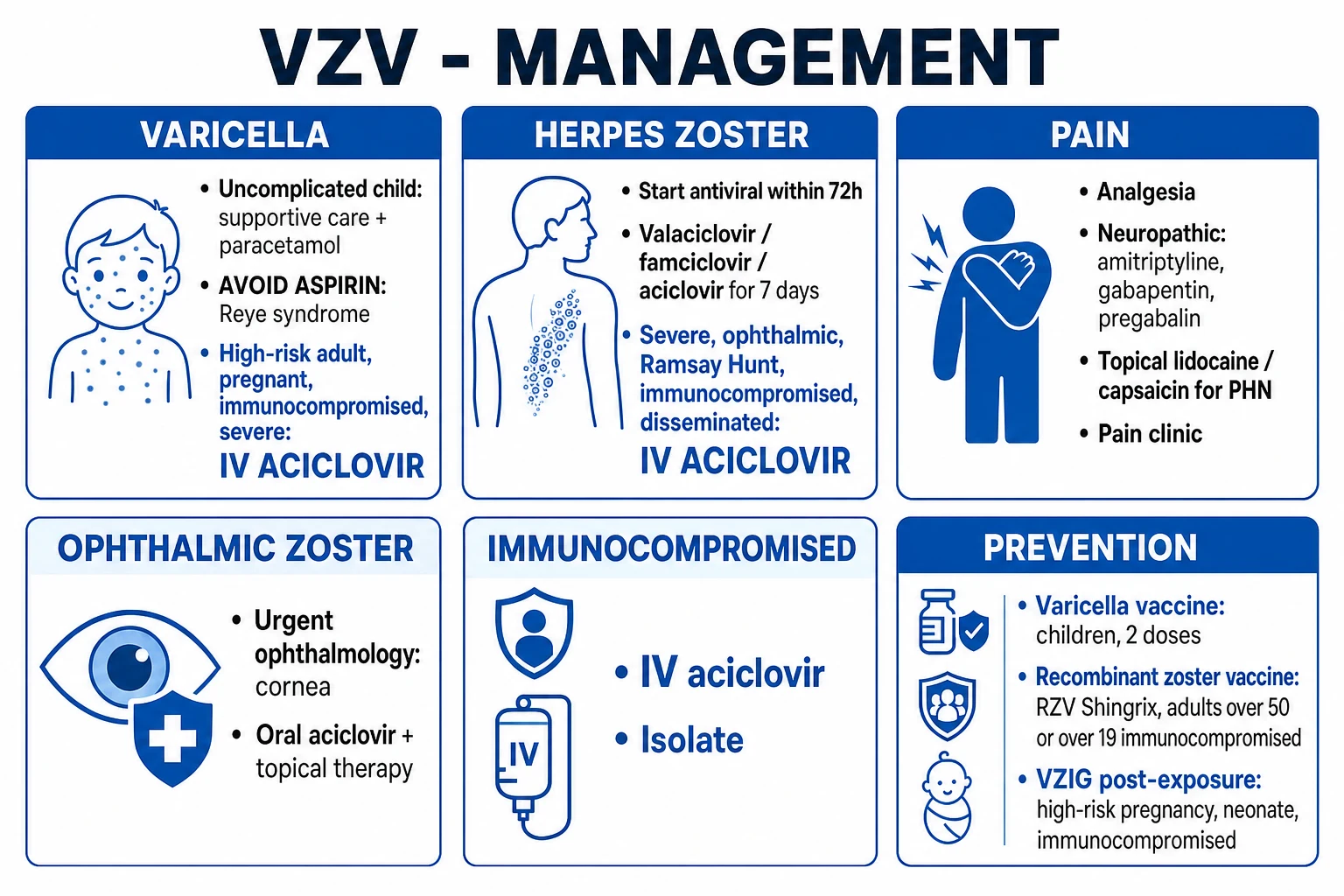
Time-critical drug — IV aciclovir for: varicella pneumonia, varicella/encephalitis, disseminated zoster, immunocompromised hosts, ophthalmic zoster with ocular involvement, Ramsay Hunt, varicella in pregnancy with systemic involvement, and neonatal varicella.[1][4]
- Aciclovir 10 mg/kg IV every 8 hours (over 1 hour) for 7–10 days (longer if immunocompromised or slow response); adjust for renal function; ensure adequate hydration to prevent crystalline nephropathy.
- Start promptly — do not delay for diagnostic confirmation when the clinical picture is convincing. [1]
Isolation / infection control — the most-often-missed resuscitative measure:
- Varicella, disseminated zoster, or zoster in the immunocompromised: airborne + contact precautions in a negative-pressure room until all lesions crusted.
- Localised zoster in an immunocompetent host: contact precautions only, with lesions covered.
- Protect non-immune staff and patients — exclude pregnant/immunocompromised non-immune contacts; offer VZIG to high-risk susceptible contacts within 10 days of exposure. [1]
Management — Definitive & Stepwise
Varicella (chickenpox)
1. Uncomplicated childhood varicella — supportive care.[2][4]
- Hydration, rest, antipyresis with paracetamol.
- AVOID aspirin in children with acute viral illness — Reye syndrome (hepatic encephalopathy).
- Avoid NSAIDs (ibuprofen) in children with varicella — concern over increased risk of severe invasive group A streptococcal skin/soft-tissue infection (UK MHRA advice; some controversy, but caution is prudent).
- Antihistamine (e.g. chlorphenamine / cetirizine) and cool compresses / calamine for pruritus.
- Hygiene — keep nails short, daily bathing — to prevent secondary bacterial infection.
- Return to school/daycare only once all lesions are crusted (typically day 5–7). [1]
2. Oral antiviral therapy (selected cases). [1]
- Oral aciclovir 20 mg/kg (max 800 mg) four times daily for 5 days, started within 24 hours of rash onset — for: adolescents over 12, adults, children with chronic skin/lung disease, on salicylates or steroids, and household contacts of an index case (more severe disease). It modestly reduces symptom duration and is not given routinely to otherwise-well young children.
- Pregnant women with uncomplicated varicella — oral aciclovir 800 mg five times daily for 7 days if within 24 h of rash (specialist input; safety data are reassuring). [1]
3. IV aciclovir — high-risk / severe varicella. [1]
- IV aciclovir 10 mg/kg every 8 hours for 7–10 days (renal-adjusted).
- Indications: varicella pneumonia, CNS disease (encephalitis, cerebellitis), disseminated/visceral disease, immunocompromised, neonatal varicella, severe varicella in pregnancy.
- Admit and isolate (airborne + contact). [1]
Herpes zoster (shingles)
1. Antiviral therapy — the cornerstone (within 72 hours of rash onset).[1][4]
Zoster antiviral regimens (immunocompetent)
- Benefits of antivirals started within 72 h of rash: reduce acute pain, rash duration, viral shedding, and — most importantly — the risk of postherpetic neuralgia.
- Who MUST receive antivirals regardless of the 72-hour window: age over 50, ophthalmic involvement, Ramsay Hunt, immunocompromised, disseminated or multidermatomal zoster, severe acute pain, pregnancy, and motor zoster. (The 72-h cutoff is for immunocompetent, uncomplicated cases; for these higher-risk groups, treat even if presenting later.)
- Start empirically — do not wait for PCR confirmation if the clinical picture is convincing. [1]
2. IV aciclovir — severe/complicated zoster. [1]
- IV aciclovir 10 mg/kg every 8 hours for 7–10 days (renal-adjusted, hydrated).
- Indications: ophthalmic zoster with ocular involvement, Ramsay Hunt, disseminated or multidermatomal zoster, immunocompromised, CNS involvement (meningitis/encephalitis/myelitis), VZV vasculopathy, severe disease.
- Ophthalmic zoster — antiviral PLUS urgent ophthalmology referral; topical steroids (for uveitis) ONLY under ophthalmology supervision — they are contraindicated in active dendritic keratitis. [1]
3. Pain management — stepwise (acute herpetic neuralgia and PHN).[4][5]
Stepwise neuropathic pain ladder (zoster)
- Acute zoster pain: paracetamol ± NSAIDs (in adults), weak opioids; add a neuropathic agent early (amitriptyline or gabapentin/pregabalin) for moderate–severe pain.
- Postherpetic neuralgia (PHN): first-line TCA (amitriptyline/nortriptyline) OR gabapentinoid (gabapentin, pregabalin); combine or switch if ineffective; topical lidocaine 5% patches and topical capsaicin 8% patch for localised PHN; tramadol / strong opioids for severe refractory pain; refer to a specialist pain medicine service.
- Corticosteroids (prednisolone ~40–60 mg taper over 2–3 weeks) in the acute phase — modestly improve quality of life and acute pain resolution and speed return to normal activities, but do NOT prevent PHN; consider in immunocompetent adults over 50 with moderate–severe acute zoster without contraindication. Essential in Ramsay Hunt (antiviral + high-dose steroid for best facial-nerve recovery). [1]
4. Secondary bacterial skin infection. [1]
- Flucloxacillin 500 mg QDS (oral) or cephalexin for streptococcal/staphylococcal infection; add MRSA cover (clindamycin, doxycycline, or vancomycin IV if severe/penicillin-allergic) where locally indicated; surgical debridement for necrotising fasciitis. [1]
Infection control & return-to-work/school
- Varicella / disseminated zoster / immunocompromised localised zoster: airborne + contact isolation until all lesions crusted.
- Immunocompetent localised zoster: cover lesions, contact precautions until dry/crusted.
- Return to school/work: once all lesions crusted and dry. [1]
Specific Subtypes & Scenarios
Ophthalmic zoster (V1)
- Hutchinson sign — vesicle on tip/side of nose (nasociliary nerve, supplying cornea) — predicts ocular involvement.
- Ocular complications: punctate/dendritic/disciform/neurotrophic keratitis, uveitis, scleritis/episcleritis, secondary glaucoma, optic neuritis, acute retinal necrosis (vision-threatening).
- Management: systemic antiviral (oral valaciclovir 1 g TDS if no ocular signs; IV aciclovir if ocular involvement, immunocompromised, or severe); urgent ophthalmology referral; topical steroids only on ophthalmology instruction (never in active epithelial keratitis).[1]
Ramsay Hunt syndrome (herpes zoster oticus)
- VZV of the geniculate ganglion (CN VII).
- Triad: ear/concha/palate vesicles + LMN facial palsy + vestibulocochlear symptoms (sensorineural hearing loss, vertigo, tinnitus).
- Management: valaciclovir + high-dose prednisolone (started early) — best chance of facial-nerve recovery.
- Prognosis: facial recovery worse than Bell palsy — incomplete recovery in up to half; eye protection (lubrication, taping) to prevent exposure keratopathy.[1]
Disseminated zoster
- Definition: more than 20 vesicles outside the primary dermatome, or involvement of 3 or more non-contiguous dermatomes.
- Implication: immunosuppression — screen for HIV, malignancy, transplant, immunosuppressive/biologic therapy.
- Management: IV aciclovir, airborne + contact isolation, consider long-term suppression (oral aciclovir/valaciclovir) in recurrent disease.[1]
Varicella in pregnancy
- Varicella pneumonia in pregnancy is severe (historically high maternal mortality) — admit and treat with IV aciclovir; it is safe in pregnancy.
- Congenital varicella syndrome (CVS): risk if maternal primary varicella occurs in the first or early second trimester (up to ~20–28 weeks); highest risk at 13–20 weeks (~0.4–2%); features: limb hypoplasia, cutaneous scarring in a dermatomal distribution, eye abnormalities (chorioretinitis, cataract, microphthalmia), cortical atrophy, microcephaly, autonomic/psychomotor delay. Ultrasound for limb/eye/CNS anomalies; amniotic fluid VZV PCR after 17–21 weeks.
- Neonatal varicella: maternal varicella from 5 days before to 2 days after delivery — minimal maternal antibody transfer, severe neonatal disseminated disease (pneumonia, hepatitis, encephalitis, up to 30% mortality untreated). Management: VZIG to the neonate + IV aciclovir; isolate mother-neonate. Maternal varicella more than 5–7 days before delivery allows antibody transfer and is usually protective.[2]
Postherpetic neuralgia (PHN)
- Definition: pain persisting beyond 90 days (some use 120 days) after rash onset (after the acute zoster has healed).
- Risk factors: age over 50–60, severe acute rash, severe acute (prodromal) pain, ophthalmic site, immunocompromise, female sex.
- Mechanism: peripheral and central sensitisation, deafferentation, ganglion/nerve destruction.
- Prevention: antivirals within 72 h (reduces PHN risk), aggressive acute pain control, and recombinant zoster vaccine (primary prevention of zoster itself).
- Management: neuropathic pain ladder (TCA, gabapentinoid, topical lidocaine/capsaicin, opioids, pain clinic).[4][5]
Varicella / zoster in the immunocompromised
- Atypical: chronic, ulcerative, hyperkeratotic, or verrucous lesions; disseminated disease; visceral involvement (pneumonia, hepatitis, encephalitis, retinitis — progressive outer retinal necrosis in HIV/AIDS).
- Management: IV aciclovir (higher threshold, longer course); long-term suppression (oral aciclovir 400 mg BD–TDS, or valaciclovir/famciclovir) in HIV/AIDS with recurrent disease until immune reconstitution (CD4 over 200); isolation.
- Prevention: vaccinate (live varicella/zoster vaccine) before immunosuppression, when immunity is intact; avoid live vaccines when severely immunocompromised (CD4 under 200) — use recombinant zoster vaccine (non-live) in immunocompromised adults.[2]
Neurological complications
- Cerebellar ataxia — the commonest neurological complication of varicella in children; self-limiting over weeks.
- Encephalitis, transverse myelitis, aseptic meningitis, Guillain-Barré syndrome — rare but serious; CSF VZV PCR; IV aciclovir.
- VZV vasculopathy / stroke — granulomatous arteritis after ophthalmic zoster → contralateral hemiplegia weeks to months later; MRI/MRA/DSA; treat with IV aciclovir + corticosteroid; antiplatelet/anticoagulation per stroke pathway.[3]
Complications & Pitfalls
Complications of varicella:[2][4]
- Secondary bacterial skin infection — the commonest complication (group A streptococcus, S. aureus): cellulitis, impetigo, necrotising fasciitis, staphylococcal scalded skin.
- Varicella pneumonia — adults (especially smokers), pregnant, immunocompromised; cough, dyspnoea, hypoxia, haemoptysis; bilateral reticulonodular CXR, may leave miliary calcification.
- Neurological — cerebellar ataxia (children, self-limiting), encephalitis, transverse myelitis, aseptic meningitis, Reye syndrome (if aspirin given), Guillain-Barré.
- Hepatitis, thrombocytopenia, purpura fulminans/DIC, glomerulonephritis, arthritis, myocarditis.
- Congenital varicella syndrome and neonatal varicella (see above). [1]
Complications of herpes zoster:[1][4]
- Postherpetic neuralgia (PHN) — the commonest and most disabling complication, especially in the elderly; the leading cause of zoster-related morbidity and health-care expenditure.[5]
- Ophthalmic complications — keratitis, uveitis, scleritis, optic neuritis, acute retinal necrosis; potential blindness.
- Ramsay Hunt syndrome — facial palsy, hearing loss.
- Motor neuropathy / segmental zoster paresis (limb or diaphragmatic weakness in the affected myotome).
- Bacterial superinfection of the rash.
- Meningoencephalitis, myelitis, VZV vasculopathy/stroke (especially after ophthalmic zoster).
- Dissemination (immunocompromised).
- Postherpetic itch (rare, can be severe and refractory).
Classic pitfalls:
- Missing ophthalmic zoster — not checking for the Hutchinson sign (vesicle on the nose) and not referring to ophthalmology; corneal blindness is preventable.
- Giving aspirin to a child with varicella — Reye syndrome.
- Giving NSAIDs (ibuprofen) to a child with varicella — risk of severe group A streptococcal skin/soft-tissue infection (UK caution).
- Delaying antivirals beyond 72 hours in a patient who would have benefited (and not treating high-risk groups regardless of timing).
- Not using IV aciclovir for varicella pneumonia, disseminated/visceral, immunocompromised, ophthalmic, Ramsay Hunt, pregnant-pneumonia, neonatal disease.
- Failing to isolate — nosocomial varicella outbreak; not protecting pregnant/immunocompromised non-immune staff and patients.
- Missing dissemination in an apparently localised case — and not screening for HIV/malignancy in recurrent or disseminated zoster.
- Misdiagnosing pre-herpetic pain as myocardial ischaemia, cholecystitis, renal colic, appendicitis or disc disease — leading to inappropriate cardiac/biliary/abdominal workup before the rash appears.
- Treating the rash but not the pain — under-treating PHN, the most disabling sequela.
- Missing VZV vasculopathy — a stroke weeks after ophthalmic zoster.
- Not offering VZIG to high-risk susceptible contacts within the window (10 days; ideally 96 hours). [1]
Prognosis & Disposition
- Uncomplicated childhood varicella: excellent, self-limiting over 5–7 days; scarring uncommon unless secondarily infected.
- Adult / pregnant / immunocompromised varicella: significant morbidity and mortality from pneumonia/encephalitis — admit for IV aciclovir if any systemic involvement.
- Uncomplicated zoster (immunocompetent): rash heals over 2–4 weeks; risk of PHN rises sharply with age — up to 20–35% in those over 60; much lower (under 5%) under age 50.
- Disposition:
- Community management: uncomplicated varicella in children; uncomplicated thoracic/cervical/lumbosacral zoster in immunocompetent adults under 50–60 with mild pain.
- Admit: varicella pneumonia/encephalitis/disseminated, immunocompromised varicella/zoster, neonatal varicella, severe ophthalmic zoster, Ramsay Hunt with severe palsy, severe pain, social factors, pregnancy with varicella.
- ICU: respiratory failure (varicella pneumonitis/ARDS), meningoencephalitis with coma, severe sepsis from secondary bacterial infection.
- Return to school/work: once all lesions crusted and dry (no new lesions for ~48 h).
- Ramsay Hunt facial recovery: incomplete in up to half; worse than Bell palsy.
- VZV vasculopathy/stroke: significant morbidity; outcome depends on prompt antiviral + stroke-pathway management. [1]
Special Populations
- Pregnancy — varicella pneumonia is severe (IV aciclovir, which is safe in pregnancy); congenital varicella syndrome risk (highest 13–20 weeks) — ultrasound + amniotic-fluid PCR; neonatal varicella (peripartum) — VZIG to the neonate + IV aciclovir; consider VZIG for the seronegative pregnant contact within 10 days of exposure.[2]
- Neonate — maternal varicella 5 days before to 2 days after delivery: neonatal VZIG (250 IU IM) + IV aciclovir; isolate; if maternal varicella more than 5–7 days before delivery, antibody transfer protects. Premature infants of seronegative mothers and infants exposed postnatally may also need VZIG.
- Immunocompromised (HIV, transplant, chemotherapy, biologics, high-dose steroids) — disseminated/visceral/chronic disease; IV aciclovir; long-term suppression in recurrent disease; vaccinate before immunosuppression when immune; avoid live vaccine when severely immunocompromised (CD4 under 200) — use recombinant zoster vaccine (non-live) in immunocompromised adults.[2]
- Children — varicella usually benign; antivirals generally not needed; avoid aspirin (Reye); varicella vaccine as primary prevention (live, Oka strain, 2 doses). Disseminated or atypical zoster in a child suggests immunodeficiency — investigate.
- Elderly — highest burden of zoster and PHN; recombinant zoster vaccine (Shingrix) strongly recommended from age 50–60 (over 90% efficacy against zoster and PHN); manage PHN with a neuropathic pain ladder and refer to pain services.
- Healthcare workers — confirm VZV immunity (IgG or reliable history) on employment; non-immune staff should be vaccinated; exclude non-immune staff from contact with cases and offer VZIG post-exposure if vaccination is contraindicated.
Evidence, Guidelines & Regional Differences
Vaccines (the prevention that examiners reward):[2]
- Live-attenuated varicella vaccine (Oka strain): childhood primary prevention; 2-dose schedule (12–15 months and 4–6 years in the US ACIP schedule); ~90% efficacy against any varicella and over 95% against severe varicella; breakthrough varicella (in vaccinated children) is milder, with fewer (often maculopapular) lesions.
- Live attenuated zoster vaccine (Zostavax, high-dose Oka): the first-generation zoster vaccine; reduced zoster incidence by ~50–70% and PHN by ~67%; a single dose for adults over 60; efficacy waned over time. Now largely withdrawn from many markets in favour of recombinant zoster vaccine.
- Recombinant zoster vaccine (RZV, Shingrix): glycoprotein E antigen + AS01B adjuvant; 2-dose intramuscular schedule (0 and 2–6 months); over 90% efficacy against both herpes zoster and PHN in adults over 50 (ZOE-50), with sustained protection for at least a decade; efficacy remains high (over 85%) in adults over 70. Recommended by ACIP for all immunocompetent adults over 50 and for immunocompromised adults over 19 (non-live — safe in immunosuppression). Now the preferred zoster vaccine.[2]
Regional vaccine schedules: [1]
[1] [1]India (IAP/NTAGI) and the developing world: varicella vaccination is not part of the national Universal Immunisation Programme; the Indian Academy of Pediatrics (IAP) recommends it as an optional/choice vaccine (12–15 months, 4–6 years) for those who can afford it, and for high-risk groups (healthcare workers, susceptible women pre-pregnancy, immunocompromised contacts where live vaccine is not contraindicated). Recombinant zoster vaccine is available in the private sector for adults over 50 but not widely used in the public programme. VZIG is scarce — prophylaxis of high-risk contacts often relies on IV aciclovir post-exposure where VZIG is unavailable. In endemic regions most adults are immune by virtue of childhood infection, so the priority is protecting the non-immune pregnant, neonatal, and immunocompromised contact.
Post-exposure prophylaxis with VZIG: [1]
- Indications: significant exposure to varicella or disseminated zoster in a susceptible (seronegative) high-risk contact — immunocompromised, pregnant women, neonates (peripartum), and certain premature infants.
- Dose: Varicella-zoster immunoglobulin 625 IU IM (weight-based in neonates: 250 IU).
- Timing: as soon as possible and within 10 days of exposure (ideally within 96 hours); it modifies rather than prevents disease.
- Where VZIG is unavailable, oral aciclovir/valaciclovir from day 7–10 after exposure (during incubation) is a pragmatic alternative in high-risk contacts. [1]
Controversy — the exogenous boosting hypothesis: universal childhood varicella vaccination reduces circulating wild-type virus, removing the natural "boosting" of CMI in latently infected adults that is thought to suppress zoster reactivation. Mathematical models predicted a temporary rise in zoster incidence after introduction of universal childhood vaccination — a key historical argument against routine varicella vaccination (notably in the UK). Subsequent empirical data show the rise in zoster has been smaller and briefer than feared, and that the recombinant zoster vaccine now directly prevents zoster in older adults regardless — which has tipped policy toward universal childhood varicella vaccination plus zoster vaccination of older adults.[2]
Corticosteroids — evidence: a short course in acute zoster modestly improves acute pain and quality of life but does not prevent PHN; reserved for immunocompetent adults over 50 with moderate–severe acute zoster, with no contraindication. In Ramsay Hunt, high-dose steroids with antiviral give the best facial-nerve recovery. There is no role for topical or systemic corticosteroids in preventing PHN.[4]
Exam Pearls
- "Crops at different stages" = varicella; "all lesions same stage, synchronous" = smallpox.
- Varicella is centripetal (trunk > limbs); smallpox is centrifugal (face/extremities > trunk).
- Hutchinson sign (vesicle on tip/side of nose, nasociliary nerve) = ophthalmic zoster = urgent ophthalmology (corneal involvement).
- Ramsay Hunt = vesicles in ear + LMN facial palsy + vestibulocochlear symptoms (geniculate ganglion, CN VII).
- Most common dermatome for zoster = thoracic (T3–L2/L3); most common cranial nerve = trigeminal (V1 ophthalmic).
- Antiviral within 72 h of the zoster rash reduces severity, duration and PHN.
- PHN = pain beyond 90/120 days after rash; commonest in the elderly; managed with TCAs/gabapentinoids/topicals.
- Avoid aspirin in children with varicella — Reye syndrome.
- Avoid NSAIDs (ibuprofen) in children with varicella — severe group A streptococcal infection.
- IV aciclovir for varicella pneumonia, encephalitis, disseminated/visceral, immunocompromised, ophthalmic with ocular involvement, Ramsay Hunt, pregnant-pneumonia, neonatal.
- Recombinant zoster vaccine (Shingrix) — over 90% efficacy, preferred over live zoster vaccine; for adults over 50.
- VZIG 625 IU IM within 10 days (ideally 96 h) of exposure for high-risk susceptible contacts.
- Incubation 10–21 days (mean 14–16); contagious 1–2 days before rash until all lesions crusted.
- Varicella pneumonia CXR: bilateral reticulonodular/nodular infiltrates; may leave miliary calcification.
- VZV vasculopathy: contralateral hemiplegia weeks–months after ophthalmic zoster (granulomatous arteritis).
- Tzanck smear: multinucleated giant cells (also seen in HSV — non-specific).
- Zoster does NOT cross the midline; is preceded by prodromal dermatomal pain; is unilateral.
- Breakthrough varicella (vaccinated child) is milder, often maculopapular with fewer lesions, but contagious.
- Cerebellar ataxia is the commonest neurological complication of varicella in children (self-limiting). [1]
Varicella vs smallpox — rash stages
CROPS
Varicella: lesions in CROPS at DIFFERENT stages simultaneously (papule + vesicle + pustule + crust together) — pathognomonic
Smallpox: ALL lesions RESPECT the same stage (synchronous progression)
Varicella CENTRIPETAL (trunk > limbs); smallpox CENTRIFUGAL (face & limbs > trunk)
Smallpox: febrile prodrome PRECEDES rash; varicella: fever accompanies rash
Always compare stages across body regions to tell them apart
Exam application bank (NEET-PG / INICET)
One-line answer
Varicella-zoster virus (VZV, human herpesvirus 3 / HHV-3) is a neurotropic double-stranded DNA alpha-herpesvirus that produces two distinct clinical syndromes. Primary infection — varicella (chickenpox) is a generalised, pruritic, vesicular rash appearing in crops at different stages simultaneously (papules, vesicles, pustules, crusts together), with fever and malaise, mainly in children. The virus then becomes latent in the dorsal root and cranial-nerve ganglia and reactivates decades later as herpes zoster (shingles) — a painful, unilateral, dermatomal vesicular rash that does not cross the midline, typically in older or immunosuppressed adults. Zoster complications: postherpetic neuralgia (the commonest, persistent pain beyond 90/120 days, especially in the elderly), ophthalmic zoster (Hutchinson sign — ophthalmology emergency, corneal involvement), Ramsay Hunt syndrome (geniculate ga
Worked stems (answer without another resource)
Stem 1 — Classic presentation. Map symptoms to mechanism; name the first investigation and first treatment step with dose/route if drug therapy is standard. [1]
Stem 2 — Unstable / complicated. List red flags that force immediate resuscitation, theatre, ICU, antidote, or reperfusion — and what you do in the first 15 minutes. [1]
Stem 3 — Atypical group. Elderly, pregnancy, child, or immunocompromised: how presentation and thresholds change. [1]
Stem 4 — Differential trap. Name the three closest mimics and one discriminator for each. [1]
Stem 5 — Disposition. Who goes home with safety-netting, who is admitted, who needs HDU/ICU/theatre, and what follow-up is mandatory. [1]
Rapid viva checklist
- Definition + classification
- Pathophysiology chain
- Bedside signs / criteria
- Score with exact components (if any)
- Emergency bundle
- Definitive therapy with doses
- Complications of disease and of treatment
- Special populations
- Guideline/trial name if classic
- Three exam traps
Coverage self-check
If you cannot answer any stem above from this page alone, re-read the matching section — the page is intended to be self-sufficient for final-prof and NEET-PG/INICET questions on Varicella & Herpes Zoster (Chickenpox and Shingles).
References
- [1]Patil A, Goldust M, Wollina U. Herpes zoster: A Review of Clinical Manifestations and Management Viruses, 2022.PMID 35215786
- [2]Freer G, Pistello M. Varicella-zoster virus infection: natural history, clinical manifestations, immunity and current and future vaccination strategies New Microbiol, 2018.PMID 29498740
- [3]Ogunjimi B, et al. Varicella zoster virus and the central nervous system Nat Rev Microbiol, 2026.PMID 41735628
- [4]Johnson RW, Whitton TL. Treatment of herpes zoster and postherpetic neuralgia BMJ, 2003.PMID 12676845
- [5]Dworkin RH, White R, O'Connor AB, et al. Health care expenditure burden of persisting herpes zoster pain Pain Med, 2008.PMID 18366512