Psychiatry · Psychiatry
Intellectual Disability (Developmental Delay)
Also known as Intellectual disability · Learning disability · Developmental delay · Global developmental delay · Mental retardation (deprecated)
Intellectual disability (ID) is a neurodevelopmental disorder defined by deficits in intellectual functioning (IQ under 70) AND in adaptive functioning (conceptual, social and practical domains), with onset during the developmental period (before age 18). Severity by DSM-5 / ICD-11: mild (IQ 50 to 69, approximately 85 percent), moderate (IQ 35 to 49, 10 percent), severe (IQ 20 to 34, 3 to 4 percent), profound (IQ under 20, 1 to 2 percent). Causes are genetic (Down syndrome is the commonest chromosomal cause; Fragile X the commonest inherited single-gene cause; Rett, PKU, Prader-Willi, Angelman), prenatal (TORCH, fetal alcohol syndrome), perinatal (hypoxic-ischaemic encephalopathy, prematurity) and postnatal (meningitis, traumatic brain injury, lead, severe neglect); in about 30 percent no cause is found. Common comorbidities: epilepsy (20 to 30 percent), autism (30 to 40 percent of severe ID), ADHD, sensory impairment, mental illness (30 to 40 percent), challenging behaviour. Management: identify cause (chromosomal microarray first-line, then fragile X, metabolic, MRI/EEG), early intensive multidisciplinary intervention (speech, OT, physio, special education, positive behaviour support), symptom-targeted pharmacotherapy, family support, annual health checks, transition to adult services. There is no medication for the core cognitive deficit of ID — all drug therapy targets comorbid symptoms.
On this page & tools
Your progress
Saved locally on this device.
Exam tags
Red flags
Overview & Definition
Intellectual disability (ID) is among the commonest neurodevelopmental disorders — affecting approximately 1 to 3 percent of the population — yet it remains under-recognised in everyday clinical practice. Adults with ID die, on average, about 20 years earlier than the general population and have substantially more unmet health needs. The clinical and humanitarian task is identical regardless of severity: (1) recognise developmental delay early; (2) identify the cause when possible; (3) start intensive intervention in the most plastic developmental window; (4) manage comorbidities (epilepsy, autism, mental illness, challenging behaviour, sensory and physical illness); and (5) support the individual and family across the life course.[1][5]
The DSM-5 / AAIDD definition (the three core criteria)
A diagnosis of intellectual disability (intellectual developmental disorder) under DSM-5 (and the closely-aligned ICD-11 "Disorders of intellectual development") requires all three of the following:[1]
- Deficits in intellectual functions — reasoning, problem-solving, abstract thinking, judgement, planning, academic learning and learning from experience, confirmed by standardised IQ testing approximately 2 standard deviations or more below the population mean (IQ under 70).
- Deficits in adaptive functioning — failure to meet developmental and sociocultural standards for personal independence and social responsibility. Deficits must be present in at least one adaptive domain (without ongoing support, the deficits limit functioning in one or more activities of daily life): (a) conceptual (language, reading, writing, maths, reasoning, knowledge, memory); (b) social (empathy, social judgement, interpersonal communication, friendship, social problem-solving); (c) practical (personal care, money management, occupation, school, organisation, transport, safety).
- Onset during the developmental period — characteristic difficulties begin before age 18 years (in early childhood, even if not formally identified until demands exceed capacity). [1]
Why the term matters. DSM-5 replaced "mental retardation" with "intellectual disability (intellectual developmental disorder)", and ICD-11 uses "disorder of intellectual development". Older terms — mental retardation, mental handicap, feeble-minded, idiot/imbecile, mentally subnormal — are stigmatising, outdated and must not be used. The UK uses "learning disability"; India's Rights of Persons with Disabilities (RPwD) Act 2016 uses "intellectual disability" as a recognised benchmark disability. The clinical label matters because it determines eligibility for services, education, benefits, capacity assessments and legal protection. [1]
Intellectual disability vs global developmental delay (GDD)
The two terms are age-dependent descriptions of the same underlying phenomenon. Global developmental delay is used in children under 5 whose developmental milestones are delayed in two or more domains (motor, speech/language, cognition, social, daily living), but who are too young for reliable IQ testing. Intellectual disability is the formal diagnosis applied once standardised IQ and adaptive testing can be performed (typically after age 5). The cut-off of IQ 70 (2 SD below the mean of 100) plus adaptive-functioning deficits plus onset before 18 distinguishes ID from borderline intellectual functioning (IQ 71 to 84), which by definition is NOT intellectual disability but is associated with educational and social vulnerability. [1]
Classification
Severity by DSM-5 / ICD-11 (IQ band with adaptive descriptors)
Severity is assigned on the basis of adaptive functioning (the level of support required), not IQ alone — because adaptive functioning determines the level of support needed and is more relevant to daily life than the raw IQ score.[1]
Severity levels by adaptive domain — the descriptors examiners expect
Mild (IQ 50 to 69, 85 percent)
- Conceptual: preschool academic skills, practical reading/maths to ~grade 6 with support
- Social: immature social interactions, gullible, can maintain friendships, naive in romantic relationships
- Practical: can manage personal care, supported employment, needs help with complex finances/health/legal
- Most live semi-independently or with family with community support
Moderate (IQ 35 to 49, 10 percent)
- Conceptual: academic skills to ~grade 2; functional reading for tasks (signs, menus)
- Social: spoken language much simpler than peers; misses social cues; may form friendships but limited
- Practical: supervised living (group home); sheltered/supported work; needs help with meals, money, transport
- Often comorbid epilepsy, autism and sensory deficits
Severe (IQ 20 to 34, 3 to 4 percent)
- Conceptual: very limited; may understand cause-effect, matching; little symbolic thought
- Social: very limited spoken language; communicates by gestures, signs or AAC; recognises familiar people
- Practical: dependent for most daily care; may help with simple tasks with close supervision
- High rates of epilepsy, cerebral palsy, sensory impairment; usually identified in infancy
Profound (IQ under 20, 1 to 2 percent)
- Conceptual: may use objects in a sensorimotor way; very limited conceptual thought
- Social: very limited understanding of speech/gesture; recognises carers; non-symbolic communication
- Practical: fully dependent for all aspects of care; often co-occurring severe physical/sensory disabilities
- Multi-disciplinary, often palliative-principles, care
AAIDD support-intensity classification (US)
The American Association on Intellectual and Developmental Disabilities (AAIDD) 12th-edition manual classifies by intensity of support needed rather than IQ: intermittent (as needed, episodic), limited (consistent but time-limited), extensive (regular, long-term, in some environments), and pervasive (constant, high-intensity, across all environments). This framework underpins individualised support planning. [1]
Aetiological classification (the clinically useful frame)
ID is most usefully classified by cause because a treatable or syndromic cause drives surveillance and counselling: [1]
- Genetic — chromosomal aneuploidy (Down syndrome / trisomy 21), copy-number variants (22q11.2 deletion, 16p11.2 deletion/duplication, 15q11-q13 deletion), single-gene syndromes (Fragile X / FMR1, Rett / MECP2, phenylketonuria / PAH, tuberous sclerosis / TSC1-TSC2, NF1), imprinting disorders (Prader-Willi, Angelman).
- Prenatal acquired — TORCH infections (toxoplasmosis, other [syphilis, varicella-zoster, parvovirus B19], rubella, cytomegalovirus, herpes simplex, HIV, Zika), fetal alcohol spectrum disorder (FASD) — the commonest non-genetic cause of ID and entirely preventable, maternal iodine deficiency (cretinism), prenatal exposure to teratogens (valproate, isotretinoin).
- Perinatal acquired — hypoxic-ischaemic encephalopathy, extreme prematurity, very low birth weight, kernicterus, birth trauma.
- Postnatal acquired — meningitis/encephalitis, traumatic brain injury (including non-accidental), lead poisoning, severe malnutrition, profound psychosocial neglect (failure to thrive; institutionalisation), asphyxia, drowning.
- Metabolic / endocrine — untreated phenylketonuria, untreated congenital hypothyroidism, galactosaemia, mucopolysaccharidoses, Tay-Sachs, metachromatic leukodystrophy.
- Unknown / idiopathic — in approximately 25 to 30 percent of cases no cause is identified despite full investigation. [1]
Epidemiology & Risk Factors
Prevalence of ID is approximately 1 to 3 percent of the general population; severe ID (IQ under 50) is approximately 0.3 to 0.5 percent. The prevalence is broadly stable across countries for severe and profound ID (driven by biological causes), while mild ID is socially patterned — more common in low-income populations, with low parental education and in disadvantaged communities (the social-causation hypothesis; partly also cultural-familial intellectual functioning at the lower end of the normal distribution). [1]
Intellectual disability — the headline numbers examiners test
Risk factors (by timing): [1]
- Genetic / familial — chromosomal and single-gene disorders; consanguinity (autosomal-recessive metabolic and syndromic causes cluster in consanguineous families — a major contributor to severe ID in parts of South Asia, the Middle East and North Africa); family history of ID, autism or developmental delay.
- Prenatal — maternal infections (TORCH); maternal alcohol use (FASD — the commonest preventable non-genetic cause); maternal valproate, isotretinoin, warfarin; advanced maternal age (Down syndrome); poorly-controlled maternal phenylketonuria (maternal PKU syndrome); maternal iodine deficiency; maternal malnutrition; placental insufficiency.
- Perinatal — prematurity (especially under 32 weeks) and very low birth weight (under 1500 g); birth asphyxia and hypoxic-ischaemic encephalopathy; neonatal sepsis; severe hyperbilirubinaemia (kernicterus).
- Postnatal — meningitis and encephalitis (bacterial, HSV, tuberculosis); traumatic brain injury (including non-accidental injury); lead poisoning (a classical preventable cause); severe malnutrition in the first two years; profound psychosocial deprivation; recurrent prolonged hypoglycaemia.
- Socioeconomic — poverty, low parental education, institutionalisation (as demonstrated dramatically by the Romanian orphanage studies). [1]
Pathophysiology
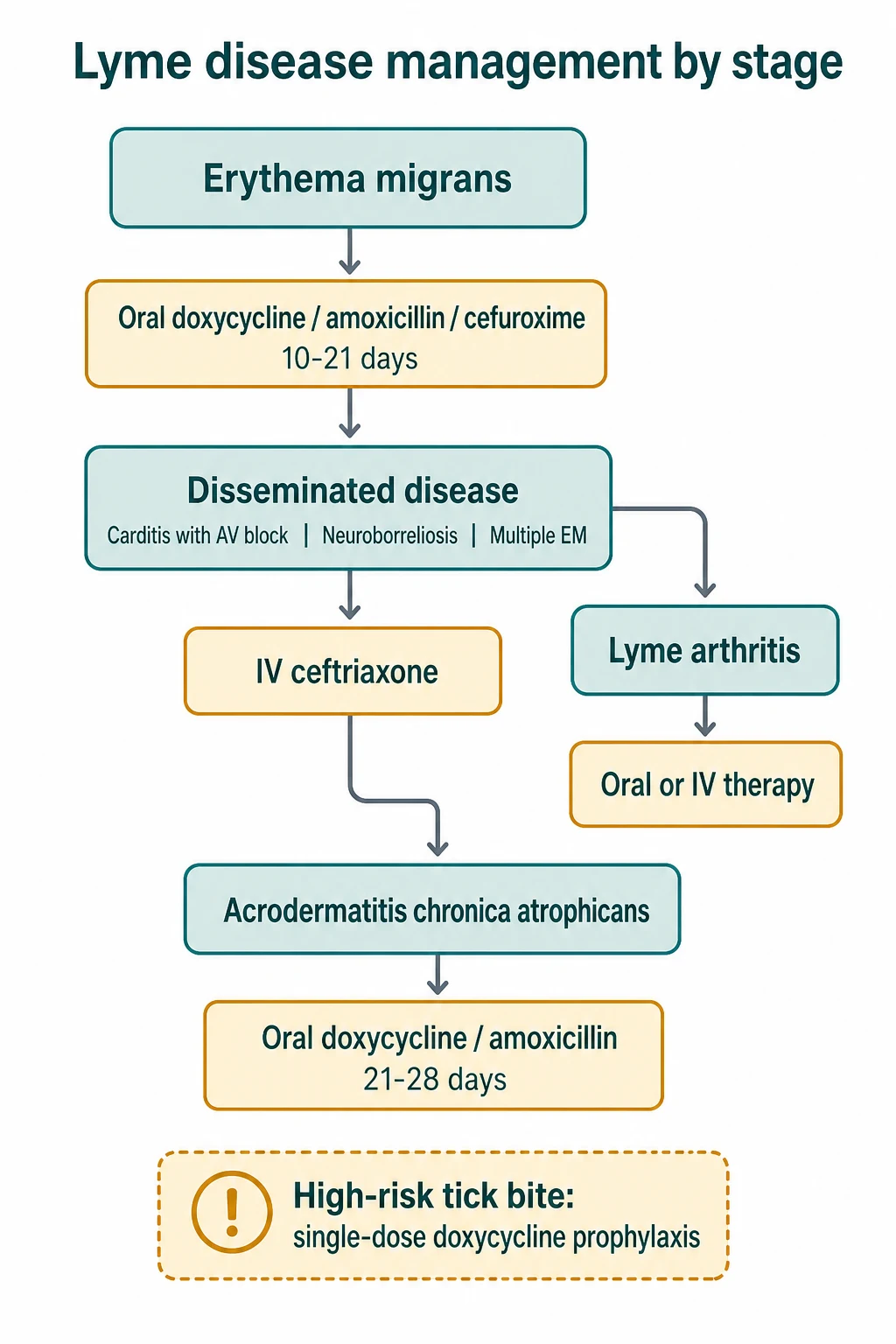
ID is the clinical expression of altered brain development during the prenatal and early postnatal period. The unifying mechanism is disruption of the orchestrated processes of cortical neurogenesis, neuronal migration, synaptogenesis, myelination and synaptic pruning, producing inefficient neural networks that cannot support higher-order cognition and adaptive behaviour. The locus of disruption determines the syndromic phenotype; the timing determines the deficit. [1]
Normal brain development disrupted
In normal development the cerebral cortex is generated in an inside-out sequence: deep-layer (layer VI) neurons migrate first along radial glia, followed by upper-layer neurons, with peak neurogenesis in weeks 8 to 20, neuronal migration from week 8 to about week 24, and synaptogenesis and pruning continuing into adolescence. Myelination proceeds from birth through the second decade, frontal lobes last. Any disruption — genetic, infectious, hypoxic-ischaemic, toxic, nutritional — of these processes during the developmental window produces lasting cognitive deficit. [1]
Molecular mechanisms of the major genetic causes
Down syndrome (trisomy 21). The extra chromosome 21 produces gene-dosage effects. APP (amyloid precursor protein), located on chromosome 21, drives the near-universal development of Alzheimer-type neuropathology (amyloid plaques and neurofibrillary tangles) by age 40 to 50, with overt clinical dementia in over 50 percent by age 60 — a defining feature of the condition.[7] DYRK1A (also on chromosome 21) over-expression contributes to cognitive and growth deficits and is a therapeutic target. RCAN1 dysregulates calcineurin signalling. Other genes contribute to the cardiac (AVSD), gut (duodenal atresia), haematological (leukaemia) and endocrine (hypothyroidism) phenotype.
Fragile X syndrome (FMR1). The commonest inherited single-gene cause of ID. A CGG trinucleotide repeat expansion in the 5' untranslated region of the FMR1 gene (Xq27.3): normal alleles have 5 to 44 repeats; intermediate (grey zone) 45 to 54; premutation 55 to 200 (unmethylated, FMRP produced, but carriers are at risk of fragile-X-associated tremor/ataxia syndrome [FXTAS] in adult men and fragile-X-associated premature ovarian insufficiency [FXPOI] in women); full mutation over 200 repeats (the threshold for ID) becomes hypermethylated and silenced so that FMRP (fragile X mental retardation protein) is absent or severely deficient. FMRP is an RNA-binding protein that represses translation of dendritic mRNAs; its absence causes excessive and dysregulated translation at synapses, abnormal dendritic spine morphology (long, immature, tortuous spines), and impaired synaptic plasticity and mGluR5 signalling — the basis of mGluR5-antagonist and other targeted drug trials (e.g. AFQ056 / mavoglurant).[3][4] Inheritance is X-linked dominant, with full penetrance in males and about 50 to 60 percent penetrance in females (who are typically milder due to skewed X-inactivation). Anticipation occurs through maternal transmission as the CGG repeat expands.
Rett syndrome (MECP2). Almost exclusively affects girls (X-linked dominant; lethal in most hemizygous boys). Mosaic expression of a mutated MECP2 (methyl-CpG-binding protein 2, Xq28), a transcriptional regulator that binds methylated CpG islands and controls BDNF and other activity-dependent genes. The girl develops apparently normally for 6 to 18 months, then enters regression with loss of purposeful hand use (replaced by stereotyped hand-wringing/washing), loss of speech, deceleration of head growth, gait apraxia, breathing irregularities (hyperventilation, apnoea), seizures and scoliosis.[8] MeCP2-targeted gene therapy (trofinetide, gene-replacement) is now an active therapeutic frontier.[3]
Phenylketonuria (PKU, PAH on chromosome 12, autosomal recessive). Deficiency of phenylalanine hydroxylase (PAH) prevents conversion of phenylalanine (Phe) to tyrosine. Untreated, Phe accumulates and impairs myelination, neurotransmitter synthesis (dopamine, serotonin) and brain growth, producing severe ID, seizures, fair skin and eczema, and a mousy odour. Completely preventable by newborn screening (Guthrie card / tandem mass spectrometry) and a Phe-restricted diet started in the first weeks of life. Maternal PKU — a woman with PKU who conceives with poorly-controlled Phe — is teratogenic: the high maternal Phe crosses the placenta and causes microcephaly, congenital heart disease, low birth weight and ID in the offspring (maternal PKU syndrome), even if the fetus does not inherit PKU. Strict pre-conception dietary control is therefore essential. Treatment now also includes sapropterin (synthetic BH4 cofactor) in BH4-responsive patients and pegvaliase (an enzyme substitution that degrades Phe).[3]
Prader-Willi and Angelman syndromes — imprinting. Both involve the 15q11-q13 region but have parent-of-origin effects. Prader-Willi results from loss of the paternally-expressed genes (paternal deletion, maternal uniparental disomy, or imprinting defect); phenotype: neonatal hypotonia and poor feeding, then hyperphagia and obesity, short stature, small hands and feet, hypogonadism, mild ID, temper tantrums, skin-picking. Angelman results from loss of the maternally-expressed UBE3A (maternal deletion, paternal uniparental disomy, or imprinting defect); phenotype: severe ID, ataxic "puppet-like" gait, paroxysms of inappropriate laughter ("happy puppet" syndrome), microcephaly, seizures, sleep disturbance. This is the classic demonstration of genomic imprinting in medicine. [1]
Hypoxic-ischaemic encephalopathy (HIE). Perinatal asphyxia produces a cascade of excitotoxicity (glutamate), oxidative stress, mitochondrial failure and apoptosis in the metabolically-demanding cortical and basal-ganglia neurons. The pattern of injury (parasagittal, basal ganglia/thalamus, watershed) predicts the motor (cerebral palsy) and cognitive outcome. Therapeutic hypothermia (cooling within 6 hours) reduces death and severe disability in moderate-to-severe HIE. [1]
Lead poisoning. Chronic lead exposure in early childhood produces ID by disrupting synaptic development, NMDA-receptor function and myelination, with no safe threshold. A classical preventable cause targeted by public-health programmes (removal of lead from petrol and paint). [1]
The behavioural phenotype
A behavioural phenotype is the characteristic pattern of motor, cognitive, linguistic and social behaviour associated with a specific genetic syndrome. Recognising the behavioural phenotype often allows the underlying syndrome to be suspected at the bedside — e.g. the self-injury and hyperphagia of Prader-Willi, the social anxiety and gaze aversion of Fragile X, the paroxysmal laughter of Angelman, the hand-wringing of Rett, the hypersociability and loquacious "cocktail-party" speech of Williams syndrome (7q11.23 deletion).[9]
Clinical Presentation
The presentation of ID evolves with age. The earliest and most important skill is recognising developmental delay in infancy and early childhood — because early intervention exploits maximal brain plasticity. [1]
[1]Presentation by severity across the adaptive domains
Mild ID (IQ 50 to 69, ~85 percent). The commonest and most easily missed. Children are slow in preschool or early school, with delayed speech and motor milestones that may still fall within the broad normal range. They acquire academic skills to about a sixth-grade level with support; as adults they can manage personal care, work in supported employment, marry and parent with support, and may live semi-independently or with family. Difficulties become obvious at times of complex demand — managing finances, navigating health, dealing with unexpected events, abstract reasoning. Many adults with mild ID are undiagnosed and present first to general psychiatry, the criminal-justice system or social services. [1]
Moderate ID (IQ 35 to 49, ~10 percent). Delayed milestones are obvious in infancy. Speech is delayed and remains simple. Academic skills reach about second-grade. As adults, individuals need supervised living (group home, family) and substantial help with daily living, money, transport and health decisions; many work in supported or sheltered employment. High rates of comorbid epilepsy, autism and sensory impairment. [1]
Severe ID (IQ 20 to 34, ~3 to 4 percent). Identified in infancy. Very limited speech (single words or phrases); communication through gestures, signs or augmentative and alternative communication (AAC). Dependent for most daily care. High rates of epilepsy, cerebral palsy, sensory impairment and severe autism. [1]
Profound ID (IQ under 20, ~1 to 2 percent). Minimal or no symbolic communication; fully dependent for all care. Often associated with severe physical, sensory and neurological disabilities and with medical complexity requiring palliative-principles care. [1]
Regression — the urgent red flag
Loss of previously acquired milestones (regression) is a red flag demanding urgent neurological assessment to exclude treatable and progressive causes:[2]
- Rett syndrome (girls, MECP2) — regression after 6 to 18 months with hand-wringing.
- Autistic regression — loss of words and social engagement at 15 to 24 months; rule out Landau-Kleffner syndrome (acquired epileptic aphasia with epileptiform EEG, especially electrical status epilepticus of slow sleep) which is treatable with steroids and anti-seizure medication.
- Subacute sclerosing panencephalitis (SSPE) — late complication of measles.
- Metabolic / neurodegenerative disorders — Tay-Sachs, metachromatic leukodystrophy, neuronal ceroid lipofuscinoses, mitochondrial disease, mucopolysaccharidoses.
- Treatable mimics — vitamin B12 deficiency, hypothyroidism, lead poisoning, electrolyte disturbance, anti-NMDA-receptor encephalitis (an autoimmune, treatable cause of regression and psychiatric symptoms). [1]
Syndromic phenotypes — recognise at the bedside
- Down syndrome (trisomy 21) — brachycephaly, flat facial profile, upslanting palpebral fissures, epicanthal folds, Brushfield spots (iris), flat nasal bridge, protruding tongue, small ears, single palmar crease, clinodactyly, sandal-gap toes, short stature, hypotonia. Cardiac (AVSD, VSD, PDA — ~40 to 60 percent), GI (duodenal atresia, Hirschsprung disease, annular pancreas), endocrine (hypothyroidism, type 1 diabetes), haematological (acute lymphoblastic leukaemia, transient abnormal myelopoiesis), atlantoaxial instability, obstructive sleep apnoea, and early-onset Alzheimer dementia from age 40.[7]
- Fragile X (FMR1) — long face, large/protruding ears, prominent jaw, high-arched palate, post-pubertal macroorchidism, joint hypermobility, mitral valve prolapse, soft skin. Behavioural: social anxiety with hypersociability, gaze aversion, hand-flapping, hand-biting, ADHD, autism features. Premutation carriers: FXTAS (intention tremor, ataxia, parkinsonism, cognitive decline in older men) and FXPOI (premature ovarian insufficiency in women).
- Prader-Willi (15q11-q13 paternal deletion) — neonatal hypotonia and poor feeding, then hyperphagia and obesity (driven by failure of satiety), short stature, small hands and feet, almond eyes, strabismus, hypogonadism, mild ID, temper tantrums, obsessive-compulsive features, skin-picking, and risk of gastric rupture and respiratory compromise.
- Angelman (15q11-q13 maternal deletion / UBE3A) — severe ID, ataxic "puppet-like" gait, paroxysms of inappropriate laughter ("happy puppet"), microcephaly, seizures, severe speech impairment, sleep disturbance, fascination with water.
- Rett (MECP2, girls) — apparently normal for 6 to 18 months, then regression with loss of purposeful hand use replaced by stereotyped hand-wringing/washing, loss of speech, deceleration of head growth (acquired microcephaly), gait apraxia, breathing irregularities (hyperventilation, apnoea, air-swallowing), seizures, scoliosis, bruxism.
- Williams syndrome (7q11.23 deletion) — "elfin" facies, supravalvular aortic stenosis, hypercalcaemia, hypersociability and loquacious "cocktail-party" speech, mild-moderate ID with relatively preserved verbal but impaired visuospatial skills.
- DiGeorge / 22q11.2 deletion syndrome — cardiac (conotruncal defects), palatal cleft, hypocalcaemia (neonatal), characteristic facies, immune deficiency (thymic aplasia), schizophrenia in adulthood (~25 percent), learning disability.
- Tuberous sclerosis complex (TSC1/TSC2) — ash-leaf macules, facial angiofibromas, shagreen patch, cortical tubers, subependymal nodules and giant-cell astrocytoma (SEGA), renal angiomyolipomas, cardiac rhabdomyomas, infantile spasms (West syndrome, treated with vigabatrin), autism and ID.
- Fetal alcohol spectrum disorder (FASD) — growth restriction, characteristic facies (smooth philtrum, thin vermilion border, small palpebral fissures), cardiac defects, neurodevelopmental disability. The commonest non-genetic cause of ID and entirely preventable.
Atypical presentation in adults
Adults with ID commonly present with behavioural change (agitation, withdrawal, self-injury, aggression, sleep disturbance) rather than verbal complaint. A new behavioural change in an adult with ID is a physical-health problem until proven otherwise — the classical teaching of diagnostic overshadowing.[5][6] The standard screen for behavioural change in ID is: pain (dental, fracture, headache, reflux), infection (UTI, chest, skin, ear), constipation, medication side-effect, seizure, sleep deprivation, change in routine or environment, thyroid disease, sensory deterioration.
Differential Diagnosis
The differential of ID is broad because delayed milestones, slow learning and social/behavioural difficulty are non-specific. The single discriminating feature in each case is shown below.[1]
Distinguishing ID from its closest differentials
Autism spectrum disorder (ASD)
- Primary deficit is social communication + restricted/repetitive behaviour
- ID is ADDED to ASD only when social-communication is more impaired than expected for the overall developmental level (DSM-5 criterion E)
- 30 to 40 percent of severe ID cases also meet ASD criteria — both diagnoses can be made
- IQ alone does NOT distinguish them; adaptive profile does
Global developmental delay (GDD)
- Used in children UNDER 5 years when IQ testing is unreliable
- Defined as delay in 2 or more developmental domains
- Same phenomenon as ID; converts to formal ID diagnosis once reliable IQ testing is possible (typically after age 5)
Borderline intellectual functioning (IQ 71 to 84)
- By DEFINITION not intellectual disability (below the cut-off of 70)
- Educational and social vulnerability but adaptive functioning generally adequate
- Does NOT meet DSM-5 criteria for ID — do not diagnose
Specific learning disorder
- Difficulty in ONE domain (reading/dyslexia, writing, maths/dyscalculia) only
- Otherwise normal intellectual and adaptive functioning
- Often coexists with ADHD; IQ is average or above
Developmental language disorder
- Language delayed but NON-VERBAL cognition is normal
- Social-communicative intent preserved (points, gestures, eye contact)
- Audiology is mandatory in every case to exclude hearing impairment
Hearing or visual impairment
- MUST be excluded in EVERY child with delayed milestones / suspected ID
- Sensorineural hearing loss can masquerade as ID or autism
- Audiology (audiometry, auditory brainstem response) and vision screening are universal in the ID workup
Dementia (acquired cognitive impairment)
- Onset AFTER the developmental period (after age 18) — the defining discriminator
- Loss of previously attained cognitive function
- Commonest cause in Down syndrome is early-onset Alzheimer disease (from age 40)
Sensory or environmental deprivation / neglect
- Severe psychosocial deprivation (institutionalisation) can mimic or worsen ID
- Recovery possible with stable, enriched caregiving (Romanian orphanage studies)
- A diagnosis of exclusion — but should be actively considered and addressed
Acute delirium
- Acute fluctuating disturbance in attention and cognition
- Underlying ID may unmask as behavioural change
- Always exclude delirium before diagnosing a new psychiatric disorder in a person with ID
Clinical & Bedside Assessment
A focused, multidisciplinary assessment is the cornerstone. The clinical history, examination and bedside observation drive the choice of investigations. [1]
The developmental history
A detailed antenatal, perinatal, postnatal, developmental and family history is mandatory in every child with suspected ID: [1]
- Antenatal — maternal health (diabetes, thyroid, infections), alcohol and teratogen exposure (valproate, isotretinoin, alcohol, recreational drugs), maternal phenylketonuria, bleeding, pregnancy complications.
- Perinatal — gestation, birth weight, mode of delivery, complications (asphyxia, sepsis, jaundice/kernicterus), neonatal intensive care.
- Postnatal — illnesses, hospitalisations, head injury, infections (meningitis, encephalitis), lead exposure, feeding and growth.
- Developmental milestones — in all domains (gross motor, fine motor, speech and language, social, daily living). Document any regression with dates. Always ask parents: "Is your child doing now what they used to do?"
- Seizures — ID and epilepsy are highly comorbid (20 to 30 percent); take a careful seizure history (infantile spasms, focal, generalised, atypical absence).
- Hearing and vision — maternal concern, recurrent ear infections, response to sound, visual behaviour.
- Family history — ID, autism, epilepsy, consanguinity, recurrent miscarriage, neonatal deaths (suggesting recessive metabolic disease).
- Social / environmental — parental occupation and education, social support, safeguarding concerns, school placement. [1]
The bedside examination
- Dysmorphism — measure and chart head circumference (microcephaly, macrocephaly, deceleration/acceleration); examine face, ears, hands, skin for syndromic stigmata (Down, Fragile X, Williams, fetal alcohol, neurocutaneous).
- Neurocutaneous stigmata — ash-leaf macules (Wood's lamp; tuberous sclerosis), café-au-lait patches (NF1), shagreen patch, facial angiofibromas, port-wine stain (Sturge-Weber).
- Neurological — tone (hypotonia in Down, Prader-Willi; hypertonia in cerebral palsy), reflexes, gait, movement disorders, ataxia, focal deficit.
- Sensorineural — formal audiology and vision assessment in every case.
- Systemic — cardiac murmurs (Down, Williams), organomegaly (storage disorders), genitalia (hypogonadism in Prader-Willi; macroorchidism in Fragile X post-puberty), skin.
- Mental state — adapted for the developmental level: behaviour, attention, social interaction, language, mood, anxiety, thought, perceptual abnormalities, insight. Adaptive functioning at the bedside: feeding, dressing, toileting, money, transport, ability to follow instructions. [1]
Developmental screening and IQ / adaptive-functioning assessment
- Developmental screening tools — Ages and Stages Questionnaire-3 (ASQ-3), Denver II, Parents' Evaluation of Developmental Status (PEDS), milestones checklists.
- Standardised IQ tests — WPPSI-IV (under 6 to 7 years), WISC-V (6 to 16), WAIS-IV (16+); Vineland Adaptive Behavior Scales-3 (Vineland-3) and Adaptive Behavior Assessment System-3 (ABAS-3) for adaptive functioning.
- Communication and AAC assessment — by speech and language therapist.
- Sensory — formal audiology (audiometry, auditory brainstem response / ABR) and vision.
- Mental health / behaviour — clinical assessment supplemented by tools adapted for ID (e.g. Pasadinak, Psychiatric Assessment Schedule for Adults with Developmental Disabilities / PAS-ADD), the DisDAT (Disability Distress Assessment Tool) for pain and illness in non-verbal patients. [1]
Investigations
The goal of investigation is to identify a treatable or syndromic cause (which drives surveillance, prognosis, genetic counselling and, increasingly, specific therapy) and to detect comorbidity. The investigation algorithm follows a stepwise tier.[1]
The ID investigation workup — remember 'A-V-C-M-M-E'
First-line investigations (universal in every confirmed case of ID)
- Audiology (audiometry, auditory brainstem response / ABR) — mandatory in every child with delayed milestones or suspected ID.
- Vision assessment — including refraction and fundoscopy.
- Chromosomal microarray (CMA) — the first-line genetic test in unexplained ID, replacing standard karyotype; detects aneuploidy, deletions, duplications and copy-number variants (CNVs) with a diagnostic yield of 10 to 20 percent.
- Fragile X (FMR1) testing — second-line; do not forget the family implications (premutation carrier cascade).
- Thyroid function tests — hypothyroidism is common, treatable and may coexist (especially in Down syndrome).
- Full blood count, renal and liver function, fasting glucose, iron studies, vitamin B12 and folate, calcium.
- Lead level — if pica or environmental risk.
- Karyotype — only if CMA is unavailable or if a specific translocation/aneuploidy is suspected clinically. [1]
Second-line investigations (guided by clinical picture)
- Metabolic workup — plasma amino acids, urinary organic acids, lactate, ammonia, urine mucopolysaccharides (MPS), very-long-chain fatty acids (VLCFA, for peroxisomal disorders), transferrin isoelectric focusing (for congenital disorders of glycosylation), 7-dehydrocholesterol (for Smith-Lemli-Opitz), creatine metabolites, biotinidase. Indicated in: regression, severe/profound ID, dysmorphism, organomegaly, parental consanguinity, family history of metabolic disease.
- MRI brain — not routine in non-syndromic ID. Indicated for focal neurological signs, abnormal head size (microcephaly, macrocephaly, deceleration of growth), regression, neurocutaneous signs, suspected neurodegenerative or metabolic disease, or severe/profound ID.
- EEG — if seizures, regression, paroxysmal events, or suspected Landau-Kleffner syndrome / electrical status epilepticus of slow sleep (ESES). Note: epileptiform EEG abnormalities without clinical seizures are common in ID and do not, in themselves, mandate treatment.
- Whole-exome sequencing (WES) / whole-genome sequencing (WGS) — increasingly second-/third-line for previously unexplained ID; per the ACMG 2021 guideline (Manickam et al.) WES/WGS is recommended as a first- or second-tier test in children with ID/congenital anomalies, with a diagnostic yield of 30 to 50 percent.[1]
- Methylmalonic acid, homocysteine, alpha-fetoprotein (for ataxia-telangiectasia), 7-dehydrocholesterol, phytanic acid, very-long-chain fatty acids — selected metabolic markers.
Newborn screening (public-health prevention of ID)
Universal newborn screening prevents or ameliorates ID by early detection of treatable conditions: [1]
- Phenylketonuria (PKU) — the paradigm; Guthrie card or tandem mass spectrometry.
- Congenital hypothyroidism — TSH on heel-prick.
- Galactosaemia, maple syrup urine disease, homocystinuria, tyrosinaemia — extended metabolic panel.
- Sickle cell disease, cystic fibrosis, severe combined immunodeficiency — per national panel.
- Medium-chain acyl-CoA dehydrogenase (MCAD) deficiency and other fatty-acid oxidation defects. [1]
The triad of preventable ID causes — PKU, congenital hypothyroidism, lead poisoning — is a classic exam answer; newborn screening addresses the first two, public-health programmes the third. [1]
Management — Resuscitation (Acute Behavioural Emergency)
There is no "resuscitation" for chronic ID per se, but the acute severe behavioural disturbance in a person with ID (self-injury, aggression, severe agitation) is a high-stakes scenario that demands a structured response. The pivotal principle is diagnostic overshadowing: never assume the behaviour is "just the disability" — exclude physical illness first.[5][6]
The ABCDE-anchored approach
- Airway, Breathing, Circulation, Disability, Exposure — the standard framework. Injury (self-inflicted or to others) is the immediate threat. Ensure safety of the patient, staff and others; remove weapons and environmental hazards; reduce sensory stimulation (quiet room, dim lights, remove unnecessary personnel).
- De-escalation (first-line) — calm, predictable language; visual supports; reduce demands; allow a trusted caregiver and familiar objects; offer choice and time. Verbal de-escalation succeeds in most cases.
- Exclude organic precipitant FIRST (the cardinal step):
- Pain — dental abscess, otitis media, headache, fracture, joint dislocation (atlantoaxial in Down syndrome), gastro-oesophageal reflux, corneal abrasion, constipation.
- Infection — UTI, chest, skin/cellulitis, ear, dental, septicaemia.
- Constipation — extremely common in ID and often overlooked.
- Medication side-effect — anticholinergic load, antipsychotic EPSE/akathisia, benzodiazepine withdrawal or excess, opioid, SSRI activation.
- Seizure — post-ictal state, subclinical seizures.
- Metabolic / endocrine — hypoglycaemia, hyponatraemia, hypothyroidism, dehydration.
- Sleep deprivation, change in routine, bereavement, abuse.
- Pharmacological intervention — last resort only, when there is imminent risk to the patient or others and de-escalation has failed:
- Lorazepam 0.05 mg/kg PO or IM (maximum 2 mg) — first-line if anxiety/agitation dominant.
- Low-dose antipsychotic — risperidone 0.5 to 1 mg PO/IM, olanzapine 5 to 10 mg orodispersible, or haloperidol 2 to 5 mg IM with promethazine 25 to 50 mg IM (the standard UK rapid tranquillisation combination).
- Cautions — airway, respiratory depression (benzodiazepine), prolonged QTc (antipsychotic), EPSE/akathisia, paradoxical disinhibition, hypotension; have flumazenil and resuscitation equipment available; one drug at a time; review within 1 hour.
- Multidisciplinary review and follow-up — the acute episode should trigger a full review of physical health, mental health, communication, environment, and a positive behaviour support plan to prevent recurrence. [1]
Management — Definitive & Stepwise
The management of ID is multidisciplinary, lifelong and individualised. There is no medication that treats the core cognitive deficit of ID — all pharmacotherapy is symptom-targeted for comorbidity.[3]
(1) Identify and treat the cause
- Chromosomal microarray first-line; FMR1 second-line; metabolic workup and MRI/EEG guided by clinical picture; whole-exome / whole-genome sequencing for unexplained ID (ACMG 2021).[1]
- Treatable causes — phenylketonuria (Phe-restricted diet for life; sapropterin for BH4-responsive; pegvaliase enzyme substitution); congenital hypothyroidism (levothyroxine); galactosaemia (galactose-free diet); biotinidase deficiency (biotin); lead poisoning (chelation); vitamin B12 deficiency; metabolic crisis; infection.
(2) Multidisciplinary early intervention (the core)
- Speech and language therapy — communication, comprehension, expressive language, pragmatics; augmentative and alternative communication (AAC) for non-verbal children (PECS, sign, high-tech devices).
- Occupational therapy — sensory integration, fine motor, activities of daily living (feeding, dressing, toileting), environmental modification.
- Physiotherapy — gross motor, mobility, posture, prevention of contractures and scoliosis.
- Special education — individualised education plan (IEP) / Education, Health and Care Plan (EHCP, UK) / Section 504 (US); mainstream with support or special school placement depending on need.
- Behavioural support — Positive Behaviour Support (PBS), based on functional analysis of challenging behaviour (the antecedents, behaviours and consequences — the ABC). The principle is to address the function of the behaviour (communication, escape, attention, sensory, pain) rather than suppress it.
- Psychology — cognitive and adaptive-functioning assessment, behavioural intervention, family and individual support. [1]
(3) Symptom-targeted pharmacotherapy
Symptom-targeted drug therapy in ID — agent, dose, route, rationale, monitoring
Severe irritability, aggression, self-injury refractory to behavioural measures
- Risperidone 0.5 to 3 mg/day PO (FDA-approved for irritability in paediatric autism, ages 5 to 16; widely used off-label in ID)
- Aripiprazole 5 to 15 mg/day PO (FDA-approved for irritability in paediatric autism, ages 6 to 17)
- Principle: START LOW, GO SLOW; lowest effective dose; regular review; trial withdrawal
- Monitor weight, BMI, waist, fasting glucose and lipids, prolactin, EPSE/AIMS, ECG (QTc)
- Use is time-limited and reviewed — not a long-term solution for behaviour
Epilepsy (20 to 30 percent comorbid)
- Per seizure type and syndrome — levetiracetam, lamotrigine, valproate
- Vigabatrin FIRST-LINE for TSC-related infantile spasms (West syndrome)
- AVOID VALPROATE in girls/women of childbearing potential (teratogenic)
- Ketogenic diet, vagus-nerve stimulation, epilepsy surgery for refractory cases
- Address SUDEP risk
ADHD comorbidity
- Methylphenidate or atomoxetine (slightly lower response and more adverse effects than in primary ADHD)
- Caution: may transiently worsen irritability or stereotypies
- Behavioural intervention first
Anxiety, depression, OCD
- SSRI — fluoxetine first; START LOW, GO SLOW (half the usual starting dose)
- Monitor for behavioural activation and insomnia
- Adapted CBT alongside medication where possible
- Depression is under-diagnosed in ID — look for somatic and behavioural equivalents
Sleep disturbance
- Behavioural and sleep-hygiene measures FIRST
- Melatonin 2 to 6 mg PO 30 to 60 min before bedtime (evidence-based)
- Avoid long-term sedating antipsychotics for sleep
Syndrome-specific therapy (emerging)
- PKU: Phe-restricted diet + sapropterin (BH4) + pegvaliase
- TSC: everolimus (mTOR inhibitor) for SEGA and refractory epilepsy
- Rett: trofinetide (IGF-1 analogue) — first FDA-approved drug for Rett (2023)
- Fragile X: targeted trials (mGluR5 antagonists, GABA-B agonists) — investigational
- Kaufmann 2024 reviews the emerging pharmacogenomic landscape
(4) Family-centred support
- Genetic counselling — recurrence risk, parental testing, reproductive options (prenatal diagnosis, preimplantation genetic testing).
- Parent training and education in behavioural and communication strategies.
- Sibling support, respite care, financial and benefits advice, signposting to parent-led organisations (e.g. Down Syndrome Federation, Fragile X Society).
- Safeguarding — recognise the elevated risk of abuse, neglect and exploitation. [1]
(5) Comorbidity management
Treat epilepsy, autism, ADHD, mental illness, sensory impairment, constipation, gastro-oesophageal reflux, dental disease, hypothyroidism, osteoporosis, sleep apnoea. Address polypharmacy and review every psychotropic prescription regularly.[6]
(6) Annual health checks and health action plans (adults)
Adults with ID are entitled to an annual health check in primary care (NICE / NHS England programme; strong evidence of benefit — Robertson 2014), generating a health action plan. The check screens for the common unrecognised comorbidities: weight/BMI, blood pressure, bloods (FBC, U&E, LFT, TFT, HbA1c, lipids), medication review, vision, hearing, dental, bowel, epilepsy review, mental health, sexual health, cervical and breast screening, immunisations.[5]
(7) Transition planning and adult services
Transition planning starts at age 14 (per NICE and AAP): explicit handover from paediatric to adult ID services, supported employment, independent-living support, adult mental-health care, social opportunities and benefits advice. The transition is a known weak point in services — many young people fall through the gap. [1]
Treatments NOT recommended
Chelation (unless for documented heavy-metal toxicity), hyperbaric oxygen, secretin, megadose vitamins, restrictive diets (e.g. gluten-free/casein-free without coeliac disease), facilitated communication, rapid prompting, stem-cell therapy, MMS/chlorine dioxide — all lack evidence and several are harmful. The AAP, NICE and ICMR explicitly list these as "do not use". [1]
Specific Subtypes & Scenarios
- Down syndrome — lifelong surveillance: newborn echocardiogram (AVSD, VSD), thyroid function at birth and annually, audiology and vision annually, atlantoaxial instability screening (before anaesthesia/surgery and before contact sports), obstructive sleep apnoea screening, leukaemia surveillance (transient abnormal myelopoiesis in neonate; ALL in childhood), early-onset Alzheimer dementia from age 40 (baseline cognitive assessment in early adult life; monitor for decline).[7]
- Fragile X syndrome — behavioural and educational support; symptom-targeted treatment for ADHD, anxiety and irritability; family cascade testing (mother is an obligate carrier if she has an affected son; test siblings; counsel regarding FXTAS in grandfathers and FXPOI in mothers). No disease-modifying drug yet; targeted trials ongoing.[4]
- Prader-Willi syndrome — strict calorie control and locked food access to manage hyperphagia and obesity; growth hormone (improves stature, body composition and cognition); sex-hormone replacement for hypogonadism; sleep studies for hypoventilation; awareness of gastric rupture and respiratory compromise risk; behavioural and psychiatric support.
- Rett syndrome — staged natural history (Stage 1 stagnation 6 to 18 months; Stage 2 rapid regression 1 to 4 years; Stage 3 pseudostationary 2 to 10 years; Stage 4 late motor deterioration over 10 years); multidisciplinary care for seizures, scoliosis, breathing, nutrition, constipation, communication (AAC); trofinetide (IGF-1 analogue) is the first FDA-approved drug (2023).[8]
- Phenylketonuria — lifelong Phe-restricted diet (especially in pregnancy — maternal PKU syndrome); sapropterin (BH4) in responsive patients; pegvaliase enzyme substitution.
- Fetal alcohol spectrum disorder (FASD) — the commonest non-genetic cause of ID and entirely preventable; characteristic facies, growth restriction, neurodevelopmental disability; management is supportive (educational, behavioural, family support); primary prevention through alcohol avoidance in pregnancy.
- Tuberous sclerosis complex — vigabatrin for infantile spasms; everolimus (mTOR inhibitor) for SEGA and refractory epilepsy; surveillance for renal angiomyolipomas, cardiac rhabdomyomas, SEGA, retinal hamartomas.
- Profound and multiple intellectual disability (PMID) — palliative-principles care: comfort, dignity, family support, expert pain management, advance care planning, integration of medical, educational and social care.
- ID with epilepsy (20 to 30 percent comorbid) — syndrome-appropriate antiseizure medication; SUDEP counselling; rescue medication (buccal midazolam, rectal diazepam) for clusters; epilepsy surgery for refractory cases.[2]
- ID with autism (30 to 40 percent overlap) — ASD is added when social-communication is more impaired than expected for the overall developmental level (DSM-5 criterion E); behavioural and communication supports address both.
Complications & Pitfalls
- Diagnostic overshadowing (the single highest-yield concept) — attributing a new physical or mental symptom in a person with ID to the disability itself rather than to a treatable cause. The classic scenario is behavioural change attributed to "the autism/ID" when the actual cause is a UTI, constipation, dental abscess, fracture, gastro-oesophageal reflux, or thyroid disease.[5][6]
- Unrecognised physical comorbidity — constipation, gastro-oesophageal reflux, dental disease, osteoporosis, sensory impairment, epilepsy, thyroid disease, sleep apnoea, aspiration.
- Mental-illness comorbidity (30 to 40 percent) — depression, anxiety, bipolar, psychosis, ADHD, autism, dementia; under-diagnosed because of atypical presentation (behavioural and somatic equivalents rather than verbal complaint) and overshadowing.
- Challenging behaviour — self-injury, aggression, destruction, stereotypy; should be understood as communication of unmet need (pain, illness, anxiety, escape, sensory, attention), not as a primary psychiatric symptom. PBS is first-line.
- Iatrogenic pitfalls — polypharmacy, antipsychotic over-prescription for behaviour (with weight gain, metabolic syndrome, QTc prolongation, EPSE), benzodiazepine dependence, undiagnosed side-effects.
- Safeguarding — elevated risk of physical, sexual and emotional abuse, neglect, financial exploitation, restrictive practices. Mandatory reporting.
- Atlantoaxial instability in Down syndrome — risk of cervical cord injury during anaesthesia, surgery and sport.
- Aspiration and respiratory infection — leading cause of premature death.
- Premature ageing and dementia — especially in Down syndrome (Alzheimer neuropathology near-universal by 50; overt dementia in over 50 percent by 60).
Prognosis & Disposition
Prognosis is driven by severity, syndromic cause and comorbidity, age and intensity of intervention, and family and socioeconomic support: [1]
- Mild ID — semi-independent living with support; supported employment; can marry and parent with support.
- Moderate ID — supervised living (group home or family); sheltered/supported employment; substantial help with daily living.
- Severe ID — dependent living, often in residential care; requires extensive support.
- Profound ID — fully dependent care; complex medical needs; often palliative-principles care. [1]
Life expectancy is approximately 20 years shorter than the general population; severe mobility impairment, epilepsy, respiratory disease and syndromic cause worsen prognosis. The leading causes of premature death are respiratory infection/aspiration, cardiac disease, cancer, epilepsy/SUDEP.[6]
Predictors of better outcome: early and intensive intervention; strong family and social support; absence of severe comorbidities; mainstream school placement (where appropriate); supported employment; community rather than institutional living. [1]
Normalisation, social role valorisation and deinstitutionalisation underpin modern service philosophy: people with ID should live in ordinary houses in ordinary streets, with the relationships, work and social roles that any citizen values. [1]
Capacity and the legal framework. Capacity is decision-specific and time-specific, and must be assumed unless proven otherwise. Assess capacity using a two-stage test: (1) is there an impairment of, or disturbance in, the functioning of the mind or brain? (2) if so, does it cause the person to be unable to understand, retain, use or weigh, or communicate the decision? Decisions for a person lacking capacity must be in their best interests and use the least restrictive option. Frameworks: Mental Capacity Act 2005 (UK); RPwD Act 2016 (India), with supported decision-making as the guiding principle (replacing plenary guardianship); court-appointed guardians and deputies for major welfare and financial decisions. [1]
Special Populations
- Children — early intervention, education (mainstream with support vs special school), the role of the paediatrician and the multidisciplinary team; transition planning begins at 14.
- Adults — annual health checks and health action plans; supported employment; housing; relationships and sexuality (including contraception and reproductive choice); ageing and dementia.
- Older adults with ID — premature ageing; high rates of dementia (especially Down syndrome from age 40); polypharmacy; frailty; need for dementia-adapted services.
- Pregnancy in a woman with ID and PKU — maternal PKU syndrome is teratogenic (microcephaly, congenital heart disease, ID in the offspring); requires strict pre-conception phenylalanine control (target Phe under 360 micromol/L) maintained throughout pregnancy.
- Pregnancy in a woman with ID and epilepsy — folate 5 mg/day pre-conception; avoid valproate; prefer levetiracetam or lamotrigine; monotherapy at lowest effective dose.
- Forensic and criminal-justice — people with ID are over-represented as both victims and alleged perpetrators; assessment of fitness to plead, capacity, and the need for appropriate adults and secure services.
- Low-resource settings — community-based rehabilitation (CBR), the WHO mhGAP Intervention Guide, inclusive education, task-shifting to community workers; the RPwD Act 2016 (India) and the National Trust Act 1999 provide the legal entitlement framework. Access to genetic testing, multidisciplinary teams and specialist services is often limited. [1]
Evidence, Guidelines & Regional Differences
Regional and guideline deltas in intellectual disability
DSM-5 / ICD-11 (universal)
- Three core criteria: intellectual functioning, adaptive functioning, onset before 18
- Severity by adaptive functioning (mild to profound), with IQ as a guide
- DSM-5 retired 'mental retardation'; ICD-11 uses 'disorder of intellectual development'
- Both align with the AAIDD 12th-edition definition
AAIDD (US)
- 12th-edition manual: defines ID as significant limitations in intellectual functioning, adaptive behaviour and developmental onset
- Classifies by INTENSITY OF SUPPORT needed (intermittent, limited, extensive, pervasive) — not IQ
- Supports the individualised planning framework (Supports Intensity Scale, SIS)
UK — NICE and law
- NICE CG128 / NG11 (challenging behaviour and learning disability); NG54 (mental health in learning disabilities)
- Term 'learning disability' preferred in practice
- Annual health checks in primary care (NHS England programme)
- Mental Capacity Act 2005; Equality Act 2010; transforming-care agenda (institutional to community living)
India — RPwD Act 2016 and policy
- Rights of Persons with Disabilities Act 2016: ID is a 'benchmark disability' (40 percent threshold) — entitlement to 4 percent reservation in jobs and education
- National Trust Act 1999: services for autism, cerebral palsy, mental retardation, multiple disabilities
- WHO mhGAP Intervention Guide and community-based rehabilitation (CBR) are the principal service-delivery frameworks in low-resource districts
- Consanguinity is a major contributor to autosomal-recessive ID
Academic / professional bodies
- AACAP, AAP and IACAPAP practice parameters for assessment of ID in children
- ACMG 2021 guideline (Manickam) — exome/genome sequencing as first- or second-tier test in unexplained ID
- NICE quality standards for annual health checks and transition
Landmark evidence and concepts: [1]
- Robertson et al. 2014 (Research in Developmental Disabilities) — updated systematic review showing that annual health checks for adults with ID increase the detection of unmet health needs, reduce unplanned hospital admissions and emergency department use, and are cost-effective — the evidence base for the NHS annual health check programme.[5]
- Cooper et al. 2015 (BMC Family Practice) — population-based cross-sectional analysis demonstrating the very high rates of multiple physical and mental comorbidity in adults with ID, and the principle that mental ill-health presents atypically in this group.[6]
- Manickam et al. 2021 (Genetics in Medicine — ACMG guideline) — exome and genome sequencing is recommended as a first- or second-tier test in children with congenital anomalies or ID, with a diagnostic yield of 30 to 50 percent in previously unexplained cases.[1]
- Scheffer et al. 2024 (Nature Reviews Disease Primers) — developmental and epileptic encephalopathies, the model for the ID-epilepsy overlap.[2]
- Rafii et al. 2025 (Lancet Neurology) — the mechanistic basis and biomarker landscape of Down-syndrome-associated Alzheimer disease.[7]
- Glasson et al. 2020 (JAACAP) — meta-analysis of mental health in children with neurogenetic syndromes, demonstrating high comorbidity.[9]
- Leblay et al. 2026 (Molecular Diagnosis and Therapy) — review of molecular therapies for Rett syndrome, including trofinetide (the first FDA-approved Rett drug, 2023) and gene-replacement approaches.[8]
- Kaufmann et al. 2024 (Current Neurology and Neuroscience Reports) — review of the emerging pharmacogenomic landscape for neurodevelopmental disorders, including targeted signalling-pathway therapies.[3]
Exam Pearls
- Commonest genetic cause of ID overall — Down syndrome (trisomy 21). Commonest inherited single-gene cause of ID — Fragile X syndrome (FMR1). Commonest preventable non-genetic cause — fetal alcohol spectrum disorder. Commonest preventable metabolic cause — phenylketonuria (by newborn screening). Triad of preventable causes — PKU, congenital hypothyroidism, lead poisoning.
- Fragile X: CGG repeat over 200 = full mutation (ID); 55 to 200 = premutation (FXTAS in grandfathers, FXPOI in mothers); X-linked dominant; absent FMRP protein; macroorchidism post-puberty; milder in girls (skewed X-inactivation).
- Down syndrome: APP on chromosome 21 → amyloid plaques → Alzheimer dementia from age 40 (neuropathology near-universal by 50, dementia in over 50 percent by 60); AVSD; duodenal atresia; Hirschsprung; hypothyroidism; atlantoaxial instability; leukaemia; Brushfield spots; single palmar crease.
- Rett syndrome: MECP2, X-linked dominant, almost exclusively girls; normal for 6 to 18 months then regression with hand-wringing, acquired microcephaly, breathing irregularity, seizures, scoliosis.
- Angelman vs Prader-Willi: same 15q11-q13 region. Angelman = maternal UBE3A loss (severe ID, "happy puppet", seizures, ataxia). Prader-Willi = paternal loss (hypotonia → hyperphagia/obesity, hypogonadism, mild ID, skin-picking). Classic imprinting.
- PKU: PAH on chromosome 12; autosomal recessive; screened at birth on Guthrie card; treat with Phe-restricted diet for life; maternal PKU is teratogenic (microcephaly, congenital heart disease, ID in offspring) — strict pre-conception control.
- IQ classification (verbatim) — mild 50 to 69, moderate 35 to 49, severe 20 to 34, profound under 20; borderline 71 to 84 (NOT ID); GDD is the under-5 term.
- Diagnostic overshadowing is the single highest-yield concept — never attribute a new symptom in ID to the disability before excluding treatable causes (UTI, constipation, dental, fracture, thyroid, side-effect, delirium, abuse).
- Capacity is decision-specific and time-specific; assume it unless proven otherwise; use the best-interests and least-restrictive principles (Mental Capacity Act 2005 / RPwD Act 2016).
- First-line genetic test in unexplained ID = chromosomal microarray (CMA); second-line = FMR1; third-line / for unexplained ID = whole-exome or whole-genome sequencing (ACMG 2021). MRI is NOT routine unless focal neurology, abnormal head size or regression.
- Annual health checks (Robertson 2014) reduce unmet health needs and admissions in adults with ID.
- Behavioural phenotype recognition: hand-wringing (Rett), hand-biting (Fragile X, Lesch-Nyhan), self-injury and skin-picking (Prader-Willi, Smith-Magenis), paroxysmal laughter (Angelman), hypersociable "cocktail-party" speech (Williams). [1]
Exam application bank (NEET-PG / INICET)
One-line answer
Intellectual disability (ID) is a neurodevelopmental disorder defined by deficits in intellectual functioning (IQ under 70) AND in adaptive functioning (conceptual, social and practical domains), with onset during the developmental period (before age 18). Severity by DSM-5 / ICD-11: mild (IQ 50 to 69, approximately 85 percent), moderate (IQ 35 to 49, 10 percent), severe (IQ 20 to 34, 3 to 4 percent), profound (IQ under 20, 1 to 2 percent). Causes are genetic (Down syndrome is the commonest chromosomal cause; Fragile X the commonest inherited single-gene cause; Rett, PKU, Prader-Willi, Angelman), prenatal (TORCH, fetal alcohol syndrome), perinatal (hypoxic-ischaemic encephalopathy, prematurity) and postnatal (meningitis, traumatic brain injury, lead, severe neglect); in about 30 percent no cause is found. Common comorbidities: epilepsy (20 to 30 percent), autism (30 to 40 percent of sever
Worked stems (answer without another resource)
Stem 1 — Classic presentation. Map symptoms to mechanism; name the first investigation and first treatment step with dose/route if drug therapy is standard. [1]
Stem 2 — Unstable / complicated. List red flags that force immediate resuscitation, theatre, ICU, antidote, or reperfusion — and what you do in the first 15 minutes. [1]
Stem 3 — Atypical group. Elderly, pregnancy, child, or immunocompromised: how presentation and thresholds change. [1]
Stem 4 — Differential trap. Name the three closest mimics and one discriminator for each. [1]
Stem 5 — Disposition. Who goes home with safety-netting, who is admitted, who needs HDU/ICU/theatre, and what follow-up is mandatory. [1]
Rapid viva checklist
- Definition + classification
- Pathophysiology chain
- Bedside signs / criteria
- Score with exact components (if any)
- Emergency bundle
- Definitive therapy with doses
- Complications of disease and of treatment
- Special populations
- Guideline/trial name if classic
- Three exam traps
Coverage self-check
If you cannot answer any stem above from this page alone, re-read the matching section — the page is intended to be self-sufficient for final-prof and NEET-PG/INICET questions on Intellectual Disability (Developmental Delay).
[1]References
- [1]Manickam K, McClain MR, Demmer LA, et al. Exome and genome sequencing for pediatric patients with congenital anomalies or intellectual disability: an evidence-based clinical guideline of the American College of Medical Genetics and Genomics (ACMG) Genet Med, 2021.PMID 34211152
- [2]Scheffer IE, Zuberi S, Mefford HC, et al. Developmental and epileptic encephalopathies Nat Rev Dis Primers, 2024.PMID 39237642
- [3]Kaufmann WE, et al. Drug Treatments for Neurodevelopmental Disorders: Targeting Signaling Pathways and Homeostasis Curr Neurol Neurosci Rep, 2024.PMID 39641900
- [4]Berry-Kravis E, et al. Effects of AFQ056 on language learning in fragile X syndrome J Clin Invest, 2023.PMID 37651202
- [5]Robertson J, Roberts H, Emerson E, Turner S, Greig R. The impact of health checks for people with intellectual disabilities: an updated systematic review of evidence Res Dev Disabil, 2014.PMID 24984052
- [6]Cooper SA, Hughes-McCormack L, Greenlaw N, et al. Multiple physical and mental health comorbidity in adults with intellectual disabilities: population-based cross-sectional analysis BMC Fam Pract, 2015.PMID 26310664
- [7]Rafii MS, et al. Down syndrome and Alzheimer's disease: insights into biomarkers, clinical symptoms, and pathology Lancet Neurol, 2025.PMID 40818475
- [8]Leblay Y, et al. From Gene to Hope: Rett Syndrome and the Rise of Molecular Therapies Mol Diagn Ther, 2026.PMID 41975033
- [9]Glasson EJ, et al. Systematic Review and Meta-analysis: Mental Health in Children With Neurogenetic Disorders Associated With Intellectual Disability J Am Acad Child Adolesc Psychiatry, 2020.PMID 31945412